REVIEW · CUSCO
Cusco Half Day City Tour: Four Ruins
Book on Viator →Operated by Heidi Travel EIRL · Bookable on Viator
Cusco is a place where rocks tell stories. This half-day tour strings together four standout Inca sites around town, with a small group and a bilingual guide explaining what you’re seeing. You’ll go from massive defensive-looking walls to weird carved temples and finally a terrace complex fed by constant water.
I especially liked the small-group feel (max 15) and the way the guide keeps the history clear as you move from stop to stop. It’s a practical way to understand how the Inca built for religion, daily life, and power without needing a full-day expedition.
One thing to keep in mind: the schedule can feel tight. On some departures it runs a bit shorter than the listed time, and the walking plus altitude can catch you if you’re still getting used to Cusco.
In This Review
- Key highlights worth your time
- Cusco Four Ruins in one morning: the real value of this format
- Price and what’s actually covered (and what you’ll pay at the gates)
- Small-group comfort: max 15 people, plus a guide who can explain fast
- Starting at 10:00 am: meeting point and timing reality in Cusco
- Stop 1: Sacsayhuaman fortress-ritual complex and Cusco’s mountain panorama
- Stop 2: Q’enqo’s carved labyrinth temple and its unresolved questions
- Stop 3: Puka Pukara red fort, baths, and a hint of the Inca road system
- Stop 4: Tambomachay, El Baño del Inca, and the calm of constant water
- Getting the altitude and walking right: practical tips before you go
- Small “extras” that can happen: know what to expect
- Who this tour fits best (and who might prefer a different plan)
- Should you book the Cusco Half Day City Tour: Four Ruins?
- FAQ
- What are the four ruins included on this tour?
- How long is the tour?
- What’s the group size limit?
- Is the guide available in English and Spanish?
- Are entrance fees included in the tour price?
- What’s included in the price besides the guide?
- Where do I meet for the tour?
- Is free cancellation available?
- Is the tour suitable for most travelers?
Key highlights worth your time
- Four different site types in one run: fortress zone, ritual temple, fortified/red complex, and a spring-fed terrace site
- Max 15 people for quieter viewing and fewer photo lines
- Bilingual English/Spanish guiding so you don’t miss the meaning behind the stones
- Sacsayhuaman views that connect the ruins to the sacred mountain skyline around Cusco
- Q’enqo’s monolith-carved temple with unanswered questions that make the stop more than sightseeing
- Tambomachay’s running water gives you a calm, atmospheric end to the circuit
Cusco Four Ruins in one morning: the real value of this format
This is the kind of tour that works well when you’re short on time but still want more than a quick bus ride. The format is simple: transport + a guide + four archaeological sites, all outside and around Cusco. By the time you’re done, you’ll have a better sense of how the Inca used different spaces for different purposes.
The best part is pacing. You get time to look closely at walls, carvings, and water channels, but you’re not stuck in one place for hours. That balance matters in Cusco, where altitude and weather can be your limiting factor.
You can also read our reviews of more city tours in Cusco
Price and what’s actually covered (and what you’ll pay at the gates)
The tour price is $45 per person, with transport and a bilingual English/Spanish guide included. That’s solid value for a guided circuit that would take you more time to piece together on your own.
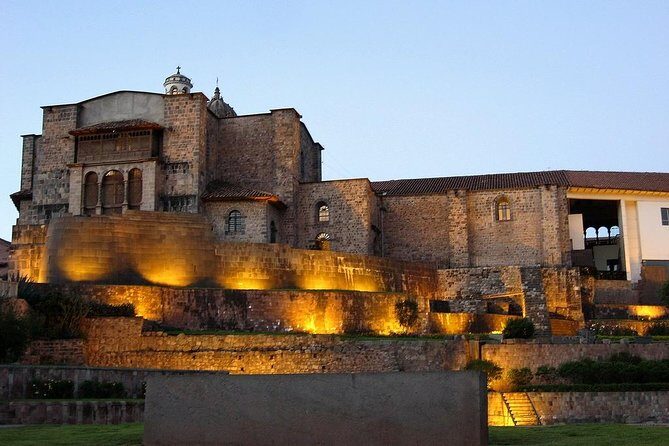
What’s not included is important: the tour lists site entrance fees (listed as PEN70 per person) and also lists Qorikancha entry separately at PEN20 per person. Your route is built around Sacsayhuaman, Q’enqo, Puka Pucara, and Tambomachay, so you should expect to pay for the ruins you visit. I’d budget for entry fees before you go, so there’s no awkward last-minute scramble.
Think of it like this: you’re paying mostly for guidance, transport, and saving yourself the headache of planning the order and getting tickets sorted while you’re tired and at altitude.
Small-group comfort: max 15 people, plus a guide who can explain fast
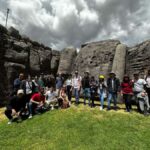
A group size of up to 15 is a sweet spot. Big groups can turn ruins into a moving line. Here, you’re more able to hear the guide, ask a question, and actually look at the carvings instead of just walking through them.
Guides in this program often work in both English and Spanish. In prior departures, names like Edith and Freddy have been mentioned for clear communication and friendly, thoughtful guiding. Even if you don’t know your Quechua from your Spanish, you’ll get the meaning of the shapes, names, and function theories as you go.
Also, don’t underestimate how helpful it is to have someone point out what matters. Inca sites can look “all stone” until you know where to focus: wall angles, niches, water routes, and the way structures fit the hill.
Starting at 10:00 am: meeting point and timing reality in Cusco
The tour starts at 10:00 am. You meet at HEIDI TRAVEL EIRLC, Plateros 324, Cusco 08000, Peru, and the tour ends back at the meeting point.
Now for the practical part: Cusco days can run differently than the printed schedule. One group experience ran shorter than expected, and another started a bit late. That doesn’t mean it’s always chaotic, but it does mean I recommend planning your next activity with a little buffer.
If you’re the type who hates losing control of the day, do yourself a favor: don’t book something that absolutely must start right at the end time.
Stop 1: Sacsayhuaman fortress-ritual complex and Cusco’s mountain panorama
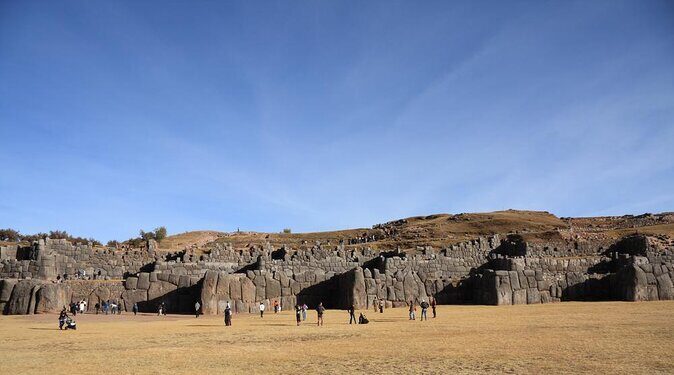
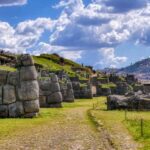
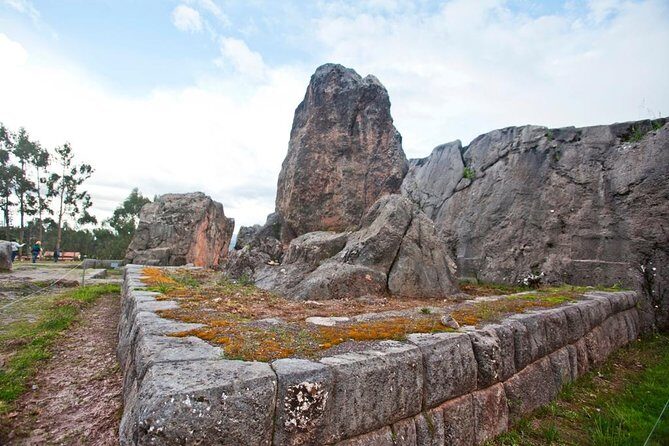
Sacsayhuaman is the big visual hit early on. The name comes from Quechua and roughly connects to the idea of hawks. People have long debated what it mainly was: a fortress, a ceremonial center, or both. Either way, it’s built with an obvious sense of military scale—yet it also feels sacred in how it sits in the sacred pattern of the surrounding hills.
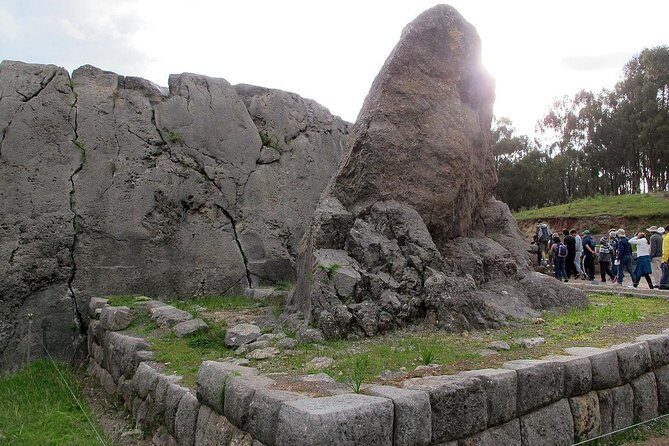
Look closely at the zigzag outer wall and the giant stones stacked into place. Some blocks are described as up to about 5 meters high and weighing up to 125 tons. You don’t have to become an architecture expert to be impressed. Your jaw will do the work.
Here’s what you’ll likely remember from this stop: the views. From Sacsayhuaman you can see snow-capped summits like Ausangate, Pachatusán, and Cinca. These mountains were considered sacred to the Inca, so the view is not just scenery—it’s part of the site’s meaning.
One practical note: the walkways can mean uneven footing and some stairs. If you’re still adjusting to altitude, take it slow. This is not the place to “rush and regret it.”






Stop 2: Q’enqo’s carved labyrinth temple and its unresolved questions
Q’enqo is the stop that makes you think. In Quechua, the name relates to a labyrinth or zigzag, and the temple includes a crooked channel cut into rock. The hard part? We don’t have a final answer for what the channel carried.
Theories include holy water, chicha (corn beer), or even blood. Those possibilities point to rituals connected to death or how someone lived their life—based on how the liquid moved. None of that is confirmed with certainty, which is exactly why Q’enqo feels different. It’s not just ancient walls. It’s a puzzle.
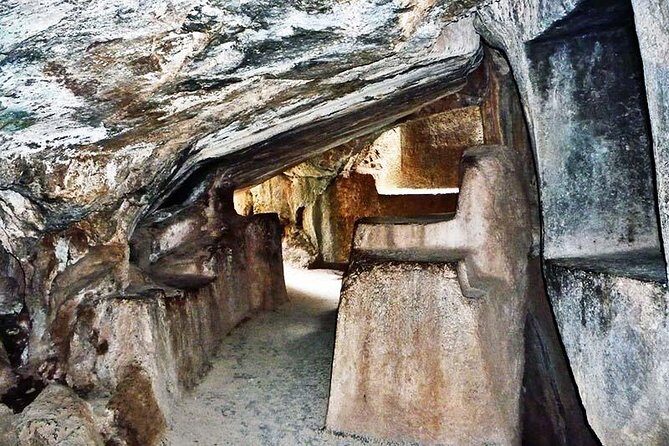
You’ll also see how the complex is carved into rock, including natural chambers connected with man-made tunnels. One chamber has small niches in a layout that’s sometimes compared to an amphitheater. The exact purpose isn’t known, but sacrifice to sun, moon, and star gods has been proposed.
This is a great stop if you enjoy context over checklists. If you like myths and mysteries with a base in real stonework, Q’enqo will click fast.
Stop 3: Puka Pukara red fort, baths, and a hint of the Inca road system
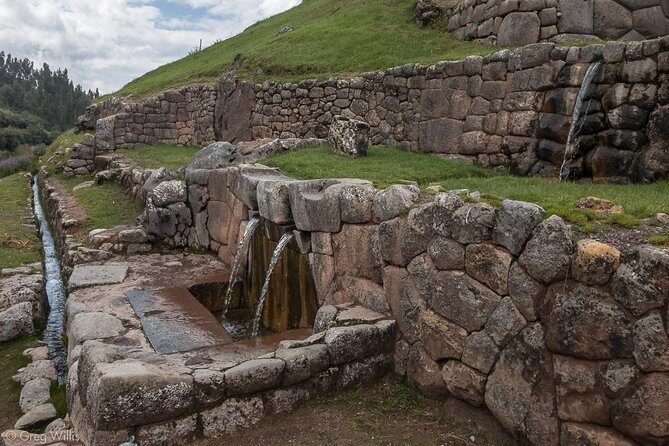
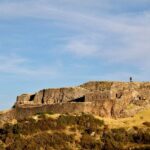
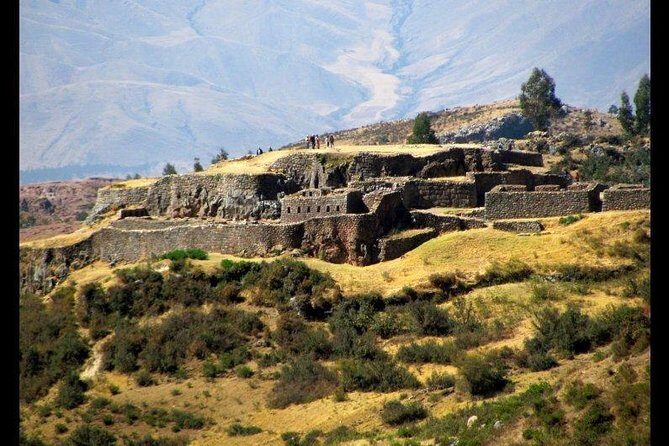
Puka Pukara is named for the red color of earth—puka means red—and the “fort” idea likely comes from the way the site feels structured. This place covers enclosures with canals, aqueducts, baths, and a famous ancient road idea that may connect to the broader Inca road network known as Qhapaq Ñan.
A lot of the interest here is in the details of the layout. You can see how walls create levels across uneven ground. The rock surfaces look more irregular compared to some other Inca complexes, and the builders used stones of different sizes. That means the site feels more raw and natural in its appearance, even though it was clearly planned.
There are also rumors and historical interpretations tying Puka Pukara to the Inca preparing to visit Tambomachay’s baths. One idea is that it functioned like barracks and a hostel area for entourage members. Another rumor points to a possible tunnel for communication between the towns.
Even if you don’t buy every rumor, you’ll get something valuable: Puka Pukara helps connect the dots between “big sacred religion” and “everyday organized movement.” The Inca built systems, not just monuments.
Stop 4: Tambomachay, El Baño del Inca, and the calm of constant water
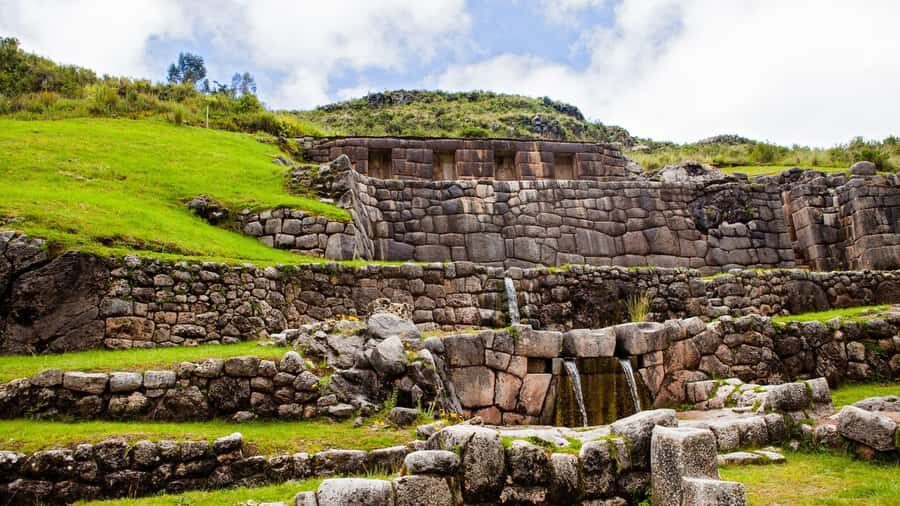
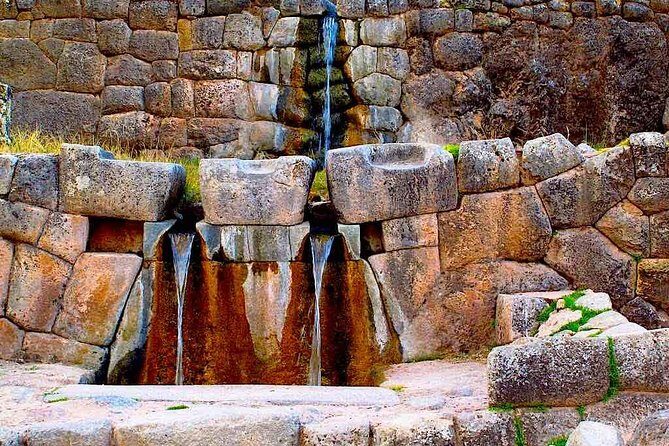
Tambomachay is the end of the circuit—and it’s a good way to finish. The site sits about 4 miles north of Cusco and sits at roughly 12,150 feet (3,700 meters). That elevation matters here because the site is built over or into a natural spring, feeding aqueducts, canals, and waterfalls across terraces.
The name El Baño del Inca (Bath of the Inca) comes from a theory that it served as a spa-like place for the ruler and possibly other elite visitors. But like many Inca sites, it’s hard to pin down to one single function. It could have been ceremonial, military, spa-like, or a mix.
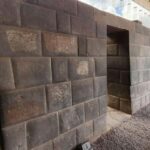
What you’ll feel is the atmosphere. Even with crowds, flowing water changes how a place behaves. Terraces and retaining walls built in precise Inca stonework frame the channels, and trapezoidal niches appear in some retaining walls.
This stop is also the one where I recommend slowing your pace the most. Don’t try to speed through it just because it’s shorter. If the group is moving quickly, politely stick with your own rhythm. You’ll enjoy Tambomachay more if you let it be quiet for a minute.
Getting the altitude and walking right: practical tips before you go
This tour is described as suitable for most travelers, but Cusco altitude doesn’t care about “most.” I’d treat this as a moderate walking day, with some stairs and uneven ground at archaeological sites.
Here’s what I suggest:
- Arrive rested. If you’ve only just arrived in Cusco, don’t plan anything intense afterward.
- Wear grippy shoes. Stone paths and stairs can be slippery or uneven.
- Take breaks on your own terms. If you’re breathless, you’re not failing—you’re being smart.
Also, bring water. You’ll be moving between sites, and at this elevation, dehydration can sneak up on you. A small snack can help too, especially if the tour timing feels compressed.
Small “extras” that can happen: know what to expect
Some departures have added a stop at an alpaca wool shop for material explanations. That kind of extra can be interesting if you want to learn how textiles and alpaca fibers work—but it will add time and may shift your pace.
On the other hand, some departures run smoothly with perfectly managed timing. The safe approach: be flexible, and keep expectations realistic about how much you’ll see up close at each stop. Four sites in one half-day is a lot, so some sites will feel more “look and learn” than “wander and linger.”
Who this tour fits best (and who might prefer a different plan)
This works especially well if you:
- Want an organized, guided route with small-group comfort
- Like learning how the Inca used different sites for different functions
- Need a good Cusco introduction without committing to a full-day tour
You might prefer something else if you:
- Want unhurried exploration at one site for a long time
- Are traveling with limited mobility and can’t manage uneven stone + stairs
- Need highly exact timing for another booked activity immediately after
For most people, though, this is a smart first-timer plan—or a strong way to add context if you’ve already seen Cusco churches and want the Inca layer.
Should you book the Cusco Half Day City Tour: Four Ruins?
Yes, I think you should book it if your goal is “maximum meaning per hour.” The mix of Sacsayhuaman’s scale, Q’enqo’s ritual mystery, Puka Pukara’s functional layout, and Tambomachay’s spring-fed calm gives you a balanced snapshot of Inca presence around Cusco.
But if you hate tight schedules, book with a buffer and don’t schedule anything that must start the minute you get back. Also budget for entrance fees so you’re not surprised at the gates.
If you want Cusco to feel bigger than just streets and views, this tour does that job well.
FAQ
What are the four ruins included on this tour?
You’ll visit Sacsayhuaman, Q’enqo, Puka Pukara, and Tambomachay.
How long is the tour?
The tour is listed as about 6 hours, starting at 10:00 am.
What’s the group size limit?
The tour has a maximum of 15 travelers.
Is the guide available in English and Spanish?
Yes. The tour includes a bilingual guide in English and Spanish.
Are entrance fees included in the tour price?
No. Entrance to sites is listed as PEN70 per person, and Qorikancha entry is listed separately at PEN20 per person.
What’s included in the price besides the guide?
Transport is included, and the tour ends back at the meeting point.
Where do I meet for the tour?
You start at HEIDI TRAVEL EIRLC, Plateros 324, Cusco 08000, Peru.
Is free cancellation available?
Yes. You can cancel up to 24 hours in advance for a full refund.
Is the tour suitable for most travelers?
The tour notes that most travelers can participate, though it does involve walking at archaeological sites.