REVIEW · CUSCO
Tour to the Sacred Valley of the Incas 1 day
Book on Viator →Operated by Machu Picchu Road Trip · Bookable on Viator
A Sacred Valley day with just enough hustle. This tour is interesting because you get in-depth Inca commentary while you hop between Pisac, Urubamba, Ollantaytambo, and Chinchero, plus you’re covered with round-trip transportation from Cusco for an 11-hour day. I like how the pacing builds in breaks (especially the Urubamba lunch stop) and how the guide explains what you’re seeing in plain terms. One consideration: the day includes shop stops, and the experience can feel less pure if you don’t like shopping pressure or demonstrations with unclear pricing.
You start at 8:00 am at Plaza Regocijo in Cusco, and the tour runs with a small group size (up to 20 travelers) so you’re not buried in chaos. I also like that it’s offered in English and Spanish with a professional guide, and that you’ll watch a live cultural demonstration in Chinchero. Entrance tickets are not included for some sites, so you’ll want to budget for that part of the day.
In This Review
- Key highlights worth your time
- A full Sacred Valley day from Cusco: what 11 hours really means
- Starting at Plaza Regocijo: simple logistics that keep you sane
- Pisac (Parque Arqueologico): where mestizo streets sit on Inca bones
- Urubamba lunch and rest: the break that makes the day work
- Ollantaytambo: an Inca city built for control and survival
- Chinchero: the fiber-dye demonstration where culture turns hands-on
- Free admissions vs tickets: the budget reality check
- Tour value at about $40.84: when it’s a great deal
- The shop stops and demos: how to keep control of the day
- Who should book this one-day Sacred Valley tour
- A quick recap of the day’s flow
- Should you book this tour?
- FAQ
- What time does the Sacred Valley tour start?
- How long is the tour?
- What’s included in the price?
- Are entrance tickets included?
- How many people are in the group?
- Is there free cancellation?
Key highlights worth your time
- Live cultural demonstration in Chinchero, including traditional fiber dyeing with vegetable, mineral, and animal-origin dyes
- Pisac’s layers of time, from indigenous remains to later mestizo architecture tied to Viceroy Toledo
- Ollantaytambo as a working Inca city, still inhabited, with military, agricultural, and religious roles
- A proper lunch break in Urubamba, with Peruvian cuisine and a rest period before the next archaeological stop
- Small-group feel (max 20), with English and Spanish commentary
- Two stops marked as free admission, while Pisac and Ollantaytambo tickets are listed as not included
A full Sacred Valley day from Cusco: what 11 hours really means
This is a long, full day—about 11 hours from start to finish—so it works best when you’re okay with being in motion. The upside is that you cover major Sacred Valley highlights without having to plan between towns. The downside is you’ll feel the schedule, especially if you’re sensitive to car time or altitude-related fatigue.
I like the structure here because it’s not “archaeology only.” You get at least one real pause for lunch in Urubamba, which makes the rest of the day more enjoyable. And you’re not just dropped at viewpoints. You get commentary that connects the sites to Inca history and daily life.
You can also read our reviews of more tours and experiences in Cusco

Starting at Plaza Regocijo: simple logistics that keep you sane
Your day begins at Plaza Regocijo in Cusco, with an 8:00 am start. The activity ends back at the same meeting point, so you don’t have to worry about returning logistics. That alone is worth something—Cusco mornings can be busy, and having a clean start/finish prevents “where do we meet again?” stress.
The tour includes group transport and a professional guide who speaks English and Spanish. With a small group (maximum 20), it’s easier to ask questions without shouting over everyone’s headphones. You’ll also spend less time waiting around, because the day is built around set stops.
Pisac (Parque Arqueologico): where mestizo streets sit on Inca bones
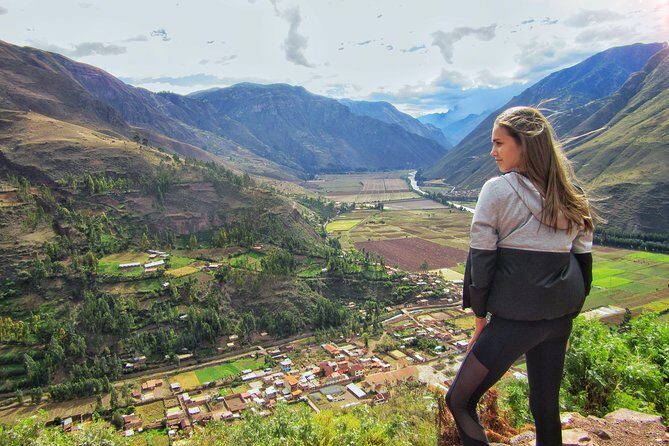
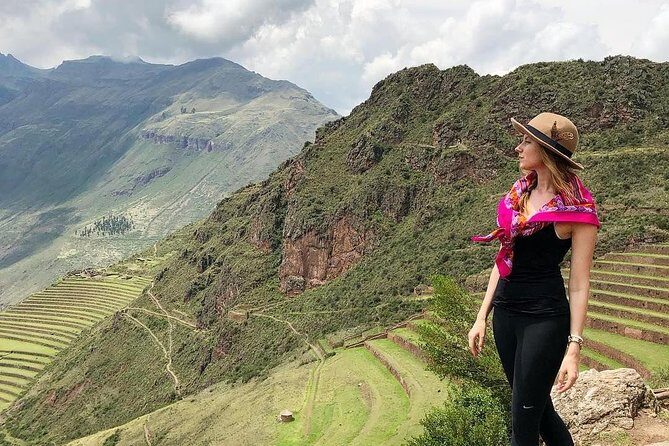
Your first stop is Parque Arqueologico Pisac. Pisac itself is described as a place where mestizo architecture was built on top of indigenous remains, tied to Viceroy Toledo. That means you’re not only seeing Inca stonework—you’re seeing the later colonial overlay too.
What makes Pisac special is the time depth. The archaeological complex there would date to the 10th and 11th centuries, during a period of Inca expansion. And it had both urban and religious purposes, so the site wasn’t just a single function. You’ll get a chance to connect how people lived and how they practiced religion in the same broader complex.
Practical note: Pisac’s stop is listed at 2 hours, and admission tickets are not included. That’s one of the few “surprises” to watch for—nothing chaotic, just plan for extra cost once you’re there. Also, 2 hours at Pisac is enough for a guided orientation and key areas, but if you want to wander slowly at your own pace, you might feel time pressure.
Urubamba lunch and rest: the break that makes the day work
Next comes Urubamba, a shorter 40-minute stop where lunch and rest are built in. Urubamba is framed as a place with beautiful views of the Sacred Valley, and this is your moment to reset before the next archaeological push.
Lunch is included as a lunch buffet, and the stop is explicitly described as time to enjoy Peruvian cuisine. I like this arrangement because it helps you avoid the all-too-common situation where tours skip food or treat lunch like an afterthought. Here, you get an actual pause, which makes the afternoon stops more enjoyable instead of running on empty.
Also, Urubamba is marked as free admission for this stop. That’s helpful for your day budget and means you’re not adding one more ticketed entry before you even reach the major ruins.
Ollantaytambo: an Inca city built for control and survival
Ollantaytambo is your third stop, and it’s a big one. It’s described as a beautiful Inca city that’s still inhabited—which changes the feel instantly. You’re not staring at ruins behind fences; you’re seeing a place that still functions as a community.
Ollantaytambo’s role matters in how you should look at it. The city is explained as a strategic military, agricultural, and religious center used to administer and control this part of the Sacred Valley. That means the architecture and layout aren’t random. You can think of them as built to help people live, defend, and manage resources.
This stop runs about 1 hour, and admission tickets are not included. One hour is tight if you love slow, detailed exploration, but it’s typically enough with a guide to understand what you’re seeing and hit the key areas. If you’re the type who likes to linger at one wall and soak it in, you might want to plan extra time on a separate trip later.


Chinchero: the fiber-dye demonstration where culture turns hands-on
Your last stop is Chinchero, with about 40 minutes before end of service. Chinchero’s background is a layered story: it’s linked to Inca Tupac Yupanqui, who chose the area for the construction of his residence. Later, the colonial church of Our Lady of Monserrat was built.
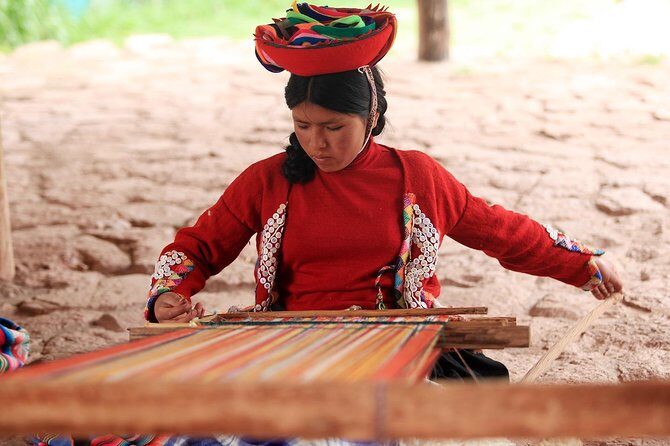
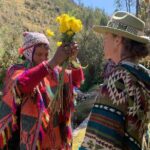
This is also the cultural stop that feels most active. You’ll participate in a demonstration where villagers show you traditional fiber dyeing techniques. The dyes are described as coming from vegetable, mineral, or animal origin—and that’s a useful detail because it explains why this isn’t just a show. It’s a practical craft tied to local materials.
Chinchero is listed with free admission for this stop. That makes the end of the day less “nickel-and-dime” and more about learning something concrete. The time is short, though—expect a taste of the process, not a full-day craft class.
Free admissions vs tickets: the budget reality check
The tour summary says you get free admission to two archaeological sites. In the stop-by-stop details, what’s clearly marked as free are Urubamba and Chinchero. Pisac and Ollantaytambo explicitly list admission as not included.
So here’s the practical approach for your budget: assume you’ll have extra costs for Pisac and Ollantaytambo, since those are ticketed stops that are not included. For Urubamba and Chinchero, admission is marked as free, so you should not need to buy entry there as part of the schedule.
This matters because a cheap-looking base price can turn into an average-cost day once tickets show up. On the flip side, the fact that some admissions are covered helps keep the total manageable.
Tour value at about $40.84: when it’s a great deal
At $40.84 per person with a day duration of roughly 11 hours, the value depends on what you care about most: guided commentary and efficient route planning.
Here’s why it can be a good deal:
- Transportation is included, and that’s a major cost on Sacred Valley days.
- You get a professional guide (English and Spanish), plus commentary that helps you interpret each site instead of just snapping photos.
- You also get a lunch buffet, which saves time and money compared to hunting for food on your own.
Where value can drop for some people is the “experience feel.” One common critique is the presence of shop stops and culture demos that can feel overly managed when prices aren’t clear. If you hate shopping detours, your personal value may be lower even if the math is still fair.
The best way to think about it: this is a solid deal if you want a structured day and you’re happy to follow a route. If you want total freedom and zero commercial interruptions, you might prefer a private guide or a self-guided plan (often pricier).
The shop stops and demos: how to keep control of the day
I’m going to be straight with you here. The feedback points to shop stops and demonstrations that can feel like they’re pushing sales, including concerns about limited price transparency during shop-related moments. That doesn’t automatically ruin the trip, but it can change the mood.
Your best move is simple: treat these moments as optional. When you’re offered a shop stop, decide immediately what you’re going to do:
- If you want to browse, browse quickly and set a spending limit.
- If you’re not interested, politely move with the group and keep your attention on the guide’s commentary and the next site.
Also, go into the day with the mindset that you’re there for Inca context and the main sites. Chinchero’s fiber dyeing demo can be genuinely interesting because it’s craft-based, but any place that turns into a sales pitch can feel like time lost if you’re not in the mood.
Who should book this one-day Sacred Valley tour
This tour is a good fit if you:
- want a guided Sacred Valley day without extra planning
- like learning the “why” behind the ruins and the towns
- appreciate an included lunch buffet and a built-in rest stop
- prefer a small group (up to 20) over a huge bus crowd
It’s less ideal if you:
- hate shopping stops or you need strict control over your schedule
- plan to spend lots of time alone at each ruin (some stops are time-limited)
- want admission costs fully included across the board (Pisac and Ollantaytambo are not included)
A quick recap of the day’s flow
You’re looking at a rhythm of: Pisac first (2 hours), then Urubamba lunch/rest (40 minutes), then Ollantaytambo (1 hour), and finally Chinchero (40 minutes) with the fiber-dye demonstration and colonial church context. Expect the day to feel organized, with the guide helping you connect the dots between Inca life, religion, and power.
That structure is exactly what makes this kind of one-day trip work for many people. It’s efficient. It’s guided. And it gives you enough time at the key points to understand what you’re seeing.
Should you book this tour?
If your goal is one day in the Sacred Valley with guided context, this is worth considering—especially at $40.84 with transport and lunch included. I’d book it if you’re curious about Inca culture and you like the idea of ending with a hands-on craft demonstration in Chinchero.
I’d think twice if you strongly dislike shop stops or you’re hoping for an all-ruins, zero-commercial day. In that case, you might still go, but go with eyes open and set your expectations: you’re buying a structured day, not a free-range adventure.
FAQ
What time does the Sacred Valley tour start?
It starts at 8:00 am and meets at Plaza Regocijo in Cusco.
How long is the tour?
The duration is listed as about 11 hours.
What’s included in the price?
The tour includes group transport, a professional guide service in English and Spanish, and a lunch buffet.
Are entrance tickets included?
Entrance tickets are not included for Pisac and Ollantaytambo. Urubamba and Chinchero are listed as free admission in the schedule.
How many people are in the group?
The tour has a maximum of 20 travelers.
Is there free cancellation?
Yes. You can cancel for a full refund up to 24 hours before the experience’s start time.