REVIEW · CUSCO
Cusco: City Tour Photographic Experience
Book on GetYourGuide →Operated by MACHUPICCHU TURISTICO PERU TOUR · Bookable on GetYourGuide
Cusco hits different through a lens. This 5-hour photo-focused city tour is built for big views, quick stops, and easy learning without getting lost in a schedule. I like that it mixes Inca-era sites with a modern, comfortable ride in a Mercedes Benz.
What really makes it work is the bilingual guide setup (English and Spanish) plus smart timing. I also like that you’re not just driving past places; you get photo stops and guided explanations at multiple archaeological points.
One thing to consider: entrance tickets are not included, so you’ll need extra cash for sites along the route (Qoricancha and the broader ticket for the other ruins).
In This Review
- Key highlights at a glance
- Value and the real cost of a $10 Cusco day tour
- Pickup times, Mercedes comfort, and how the 5 hours actually feel
- Coricancha (Santo Domingo): the gold story and the photo-friendly start
- Sacsayhuaman: fortress lines, huge angles, and panoramic payoff
- Q’enqo: ritual space, mummies, and the kind of details that stick
- Puka Pukara: an ancient fortress with a sharper sense of place
- Tambomachay: water worship and a break from stone-only photos
- Cristo Blanco viewpoint: the photo finish that turns into a memory
- Plaza de Armas (Plaza Mayor de Cuzco): free time that makes the tour feel flexible
- Guides, pacing, and why bilingual explanations matter
- What to pack and what can get you stopped
- Who this city tour is best for (and who should skip it)
- Should you book this Cusco city photo tour?
- FAQ
- How long is the Cusco City Tour photographic experience?
- What time does hotel pickup happen?
- Is hotel pickup included?
- What is the price, and are entrance tickets included?
- Does the tour provide transportation?
- What languages are the guides?
- Is there a way to avoid long waits at entrances?
- Is the tour suitable for people with limited vision or recent surgery?
Key highlights at a glance
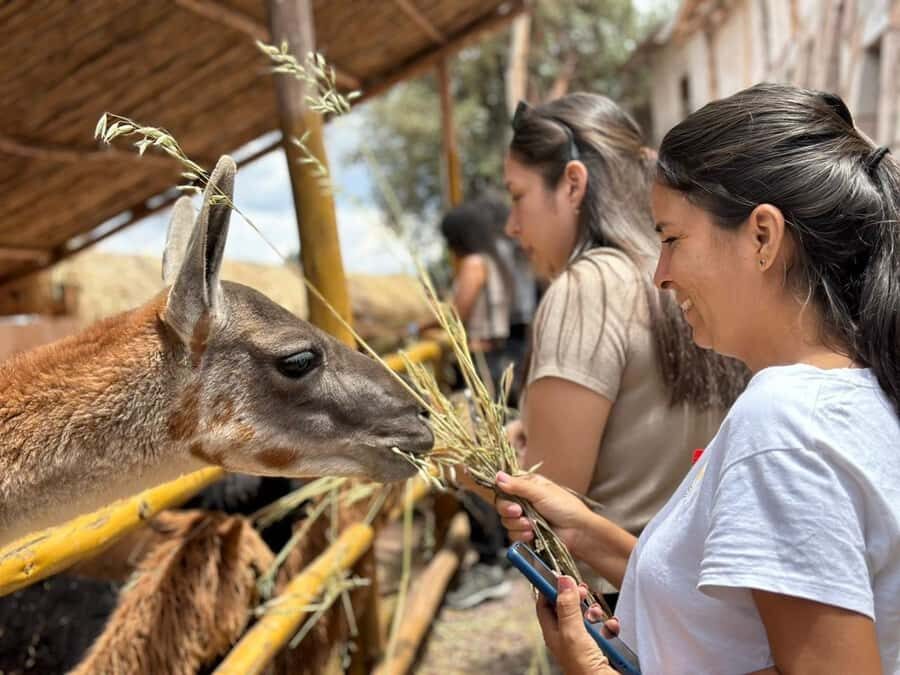
- Photo stop rhythm that keeps you moving and shooting without feeling rushed
- Mercedes Benz transportation that makes the bumpy roads feel manageable
- Bilingual English-Spanish guiding so you can follow every explanation
- Coricancha to Sacsayhuaman in one efficient city circuit
- Cristo Blanco viewpoint + Plaza de Armas free time to close the day on your terms
Value and the real cost of a $10 Cusco day tour
This is priced at $10 per person, and that’s the kind of deal that matters in Cusco, where group tours can add up fast. But here’s the honest part: the price covers pickup, guiding, and transportation, while entrance fees are extra.
From the info provided, you’ll pay about PEN 20 for Qoricancha and about PEN 70 for the general ticket that covers Sacsayhuaman, Q’enqo, Puka Pukara, and Tambomachay. So you’re looking at roughly $10 plus the ticket cost, and that’s still usually cheaper than piecing everything together on your own—especially if you want the guided context.
Also, the tour includes “skip the ticket line,” which can save time at busy entrances. In Cusco, time is altitude plus crowds plus weather. Cutting wait time helps.
You can also read our reviews of more city tours in Cusco
Pickup times, Mercedes comfort, and how the 5 hours actually feel
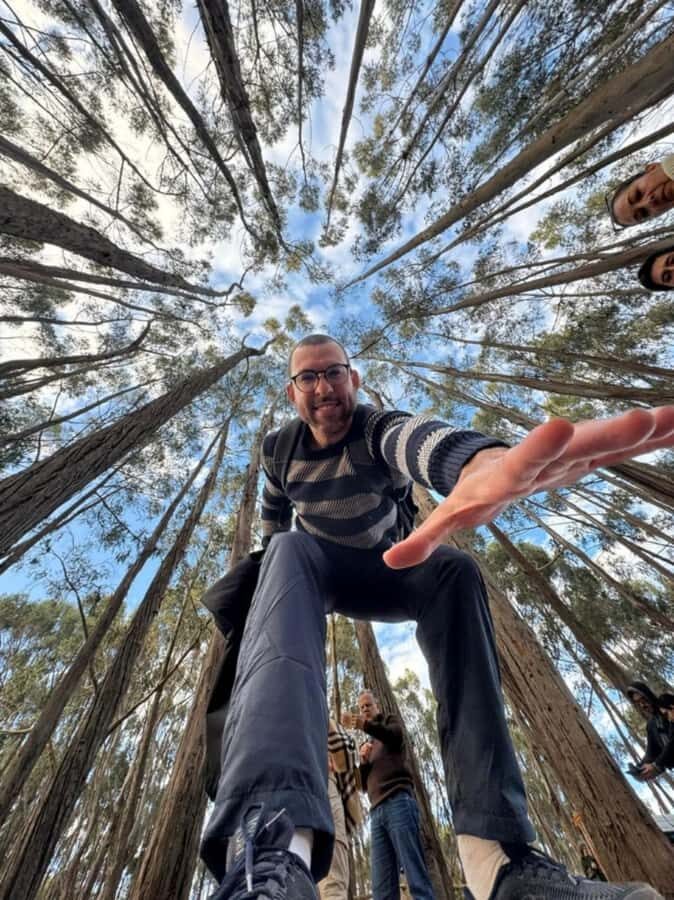
The tour runs 5 hours, with two pickup windows: 8:50 a.m. or 12:50 p.m. You’ll be picked up near the Historic Center, and you’ll need to wait in your hotel lobby about 10 minutes before the scheduled pickup.
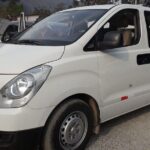
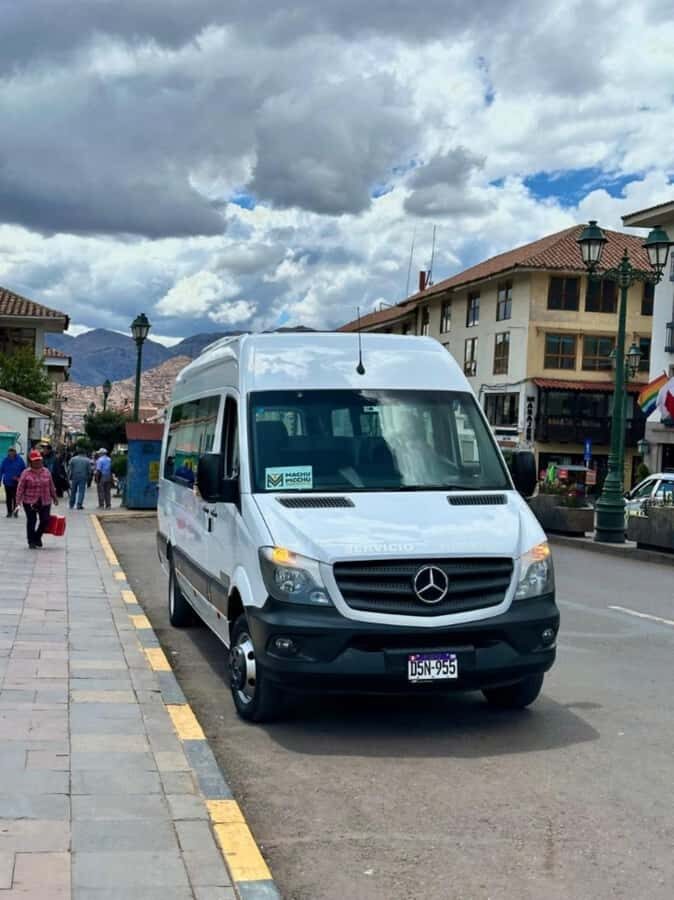
The ride is described as modern and specifically Mercedes Benz. That matters because you’ll be traveling between multiple elevated points, and the road conditions can vary. A comfortable vehicle also means you’ll arrive less cranky, which is underrated when you’re planning a photo day.
One timing note from a 5/5 review: the first entrance to the monastery-style site (Coricancha) could feel a bit long for some people. If you’re the type who likes to maximize time outdoors for photos, that’s worth keeping in mind.
Coricancha (Santo Domingo): the gold story and the photo-friendly start
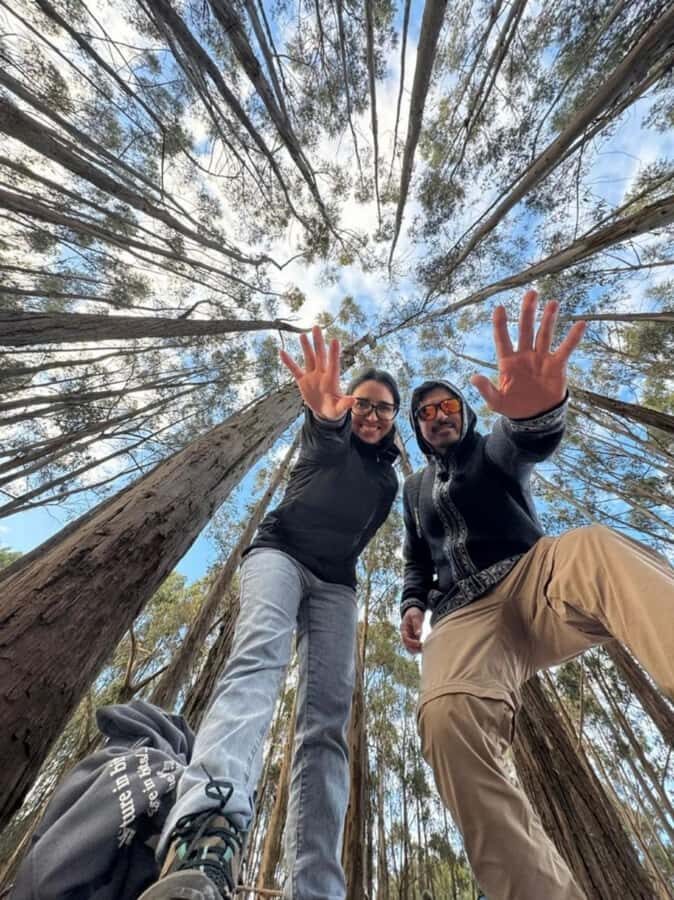
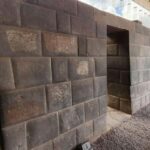
Your tour begins at Qoricancha, also called the Convent of Santo Domingo. This stop is framed as the Inca Palace of Gold and an important cosmogonic center—so you’re not just looking at stones, you’re learning why this place was central to Inca political and religious life.
You get a photo stop plus a guided visit here. Practically, this is a good opening because Coricancha gives you immediate context: how the Inca organized meaning in space, and how the later colonial layer reshaped the site.
For your photos, start with wide shots first, then move in for details once the guide explains what you’re seeing. You’ll get more keepers that way, instead of just clicking everything in random order while you’re still trying to place the story.
Entrance ticket is extra (PEN 20), so if you want to minimize your admin time on the day, have that ready.
Sacsayhuaman: fortress lines, huge angles, and panoramic payoff
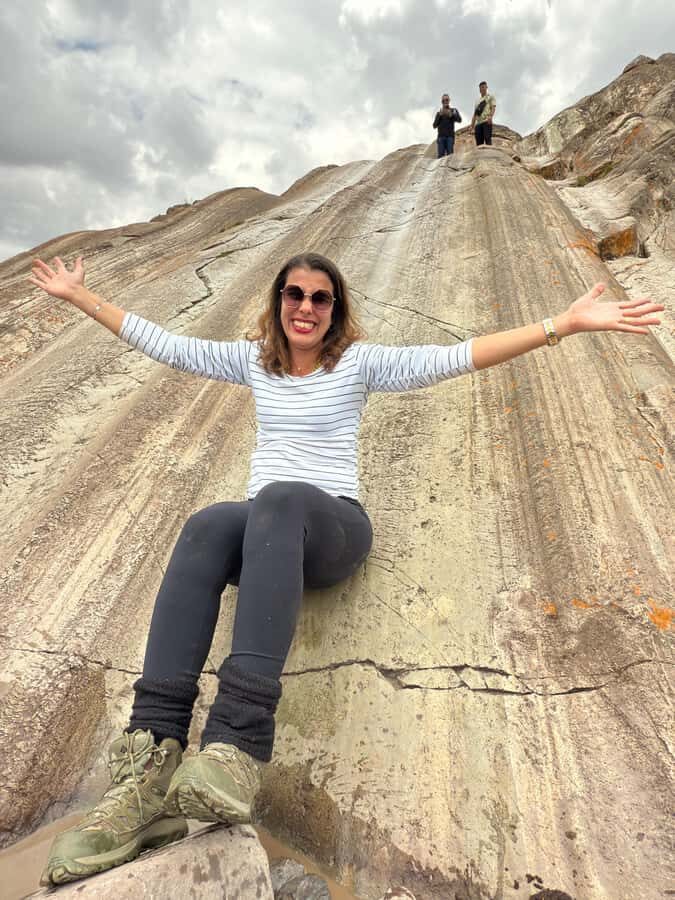
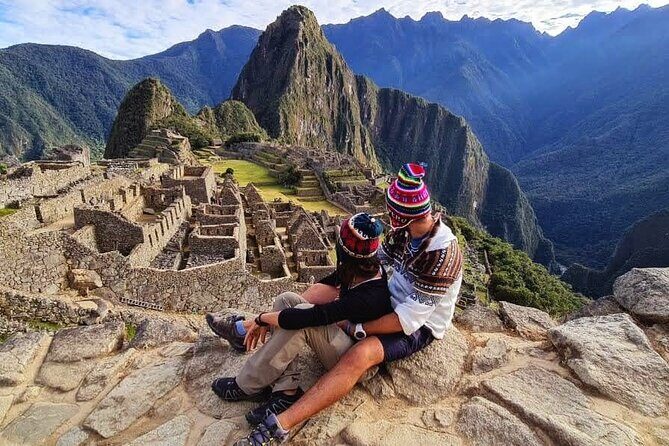
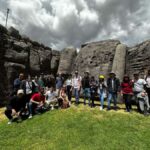
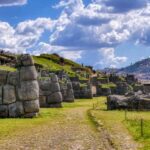
Next up is Sacsayhuaman, one of the most recognizable Inca-period fortresses around Cusco. The tour description highlights Inca construction and the panoramic views—and that combination is why people love this stop.
You’ll get a photo stop, visit time, and guided explanation. This is where the tour earns its “city tour” label, because you’re quickly seeing how the Inca built defense and control into the geography.
Practical photo advice: bring your camera low for foreground shots (rocks/edges) and then take a higher angle for the city view. The best photos usually come from mixing those two.
A 5/5 review also noted that the guide’s explanations were paced well so explanations didn’t cause unnecessary waiting for other parts of the group. That matters here, because views are time-sensitive if clouds roll in or crowds thicken.
Q’enqo: ritual space, mummies, and the kind of details that stick
The route continues to Q’enqo, described as a site where mummies were embalmed. That’s not the kind of fact you usually get from a quick pass-by, and the tour structure helps you slow down long enough to absorb the meaning.
You’ll have another photo stop and a guided visit. The payoff for you is mental: these stops connect. Q’enqo feels like a continuation of the idea that space wasn’t just practical—it was symbolic and organized for specific ceremonial uses.
If you care about understanding what you see, this is one of the stops where the guide earns their time. A good bilingual guide helps you follow the explanation without you needing to translate in your head every sentence.
Ticket for this stop is included in the broader PEN 70 tour ticket, not separate.

Puka Pukara: an ancient fortress with a sharper sense of place
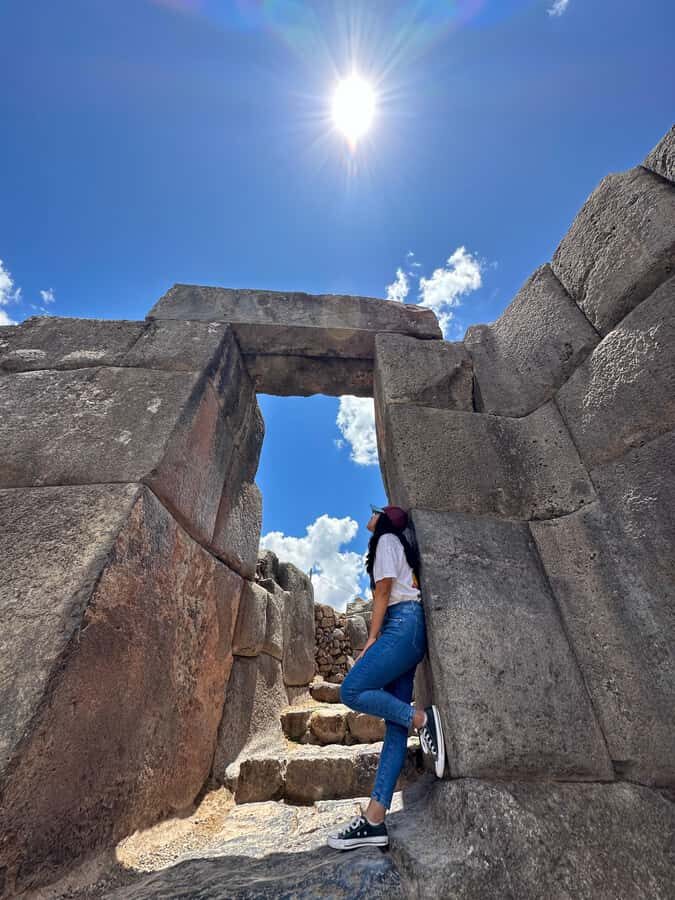
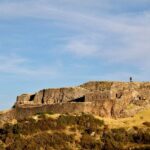
Then it’s Puka Pukara, another archaeological complex described as an ancient fortress. Even if you’re not a “ruins person,” this is useful because it shifts your focus from ceremonial spaces to fortification and territorial planning.
The tour includes photo opportunities and guided context here too. Think of Puka Pukara as a contrast stop. If Coricancha and Q’enqo are about meaning and ritual, Puka Pukara adds the “how they organized control” angle.
In a 5-hour tour, contrast is your friend. It keeps the day from blurring into one long line of stones.
Like the other major ruins after Coricancha, Puka Pukara is covered by the PEN 70 ticket mentioned.
Tambomachay: water worship and a break from stone-only photos
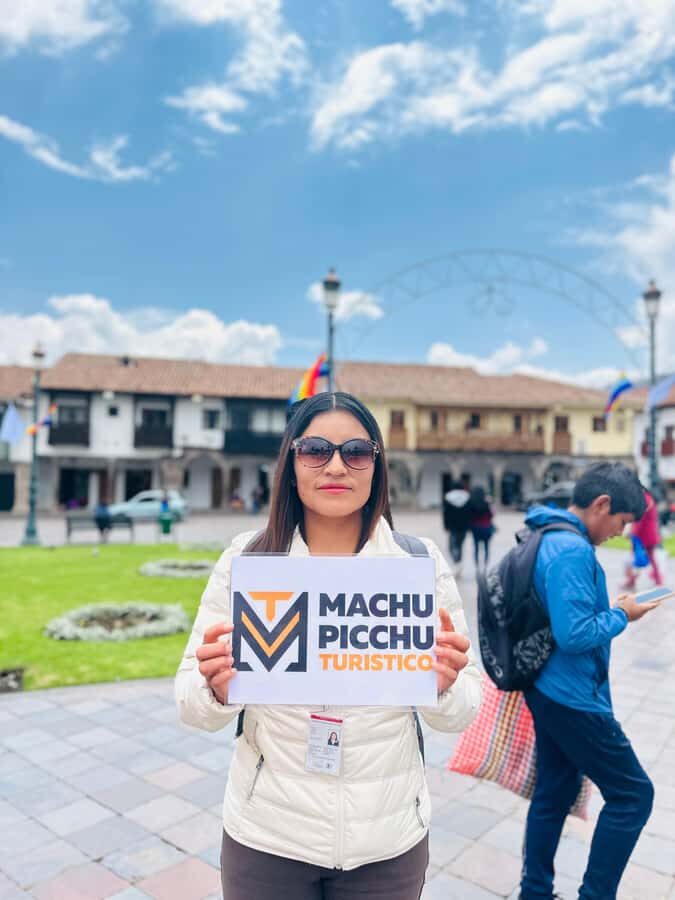
Next is Tambomachay, described as a place of water worship. This is a nice change of pace because water sites often feel more natural and less purely monumental than fortress walls or temple blocks.
You’ll do photo stop + guided visit here, and that description is a clue to what you should look for: how water connects to ritual, and how that shows up in how people used the site.
If you’re thinking about photos, water gives you light and texture that dry stone doesn’t. Even on a cloudy day, it can produce softer, more “alive” images.
This stop is also part of the PEN 70 ticket group.
Cristo Blanco viewpoint: the photo finish that turns into a memory
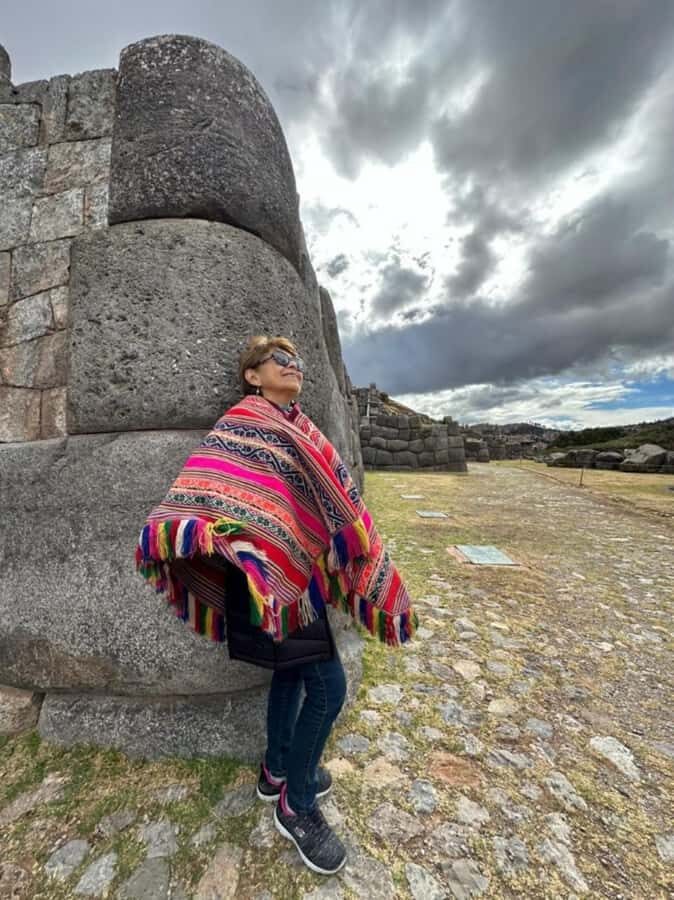
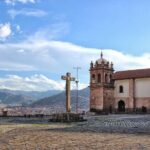
The itinerary then moves to Mirador desde el Cristo Blanco (Cristo Blanco viewpoint) for another photo stop and guided explanation.
This part is about the big-picture view—your chance to see Cusco from above and connect what you’ve visited to the shape of the region. It’s also a practical breather: after several archaeological sites, a viewpoint often feels like a reward.
Bring your camera battery plan. If you use maps or take lots of photos, your phone can drain faster at altitude.
Plaza de Armas (Plaza Mayor de Cuzco): free time that makes the tour feel flexible
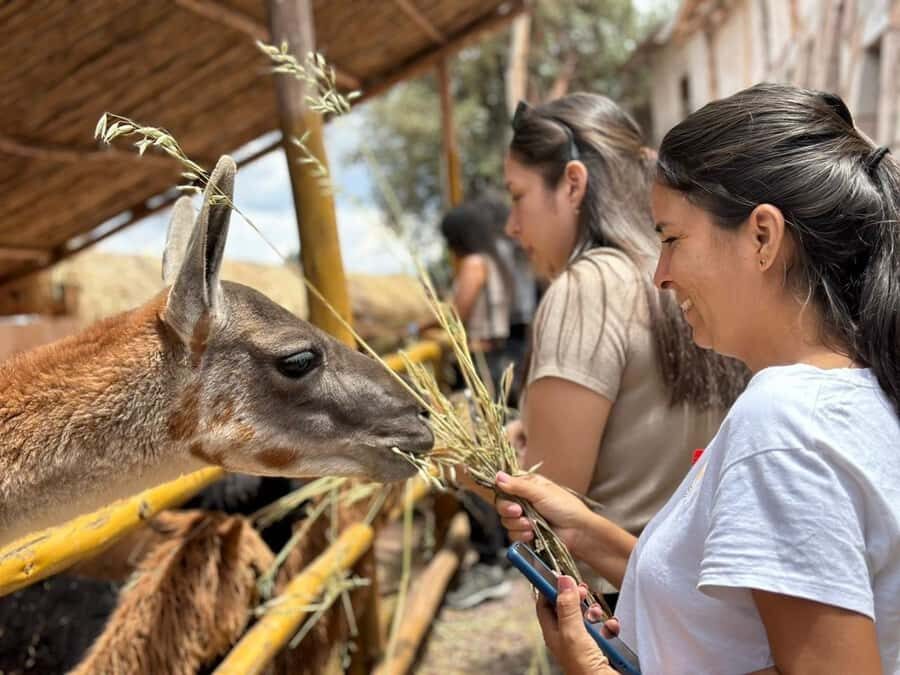
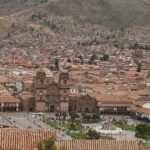
Finally, you end near Plaza de Armas, Cusco, with a photo stop and time to wander before you finish at Plaza Mayor de Cuzco.
This free time is smart. Even a well-run tour can’t replace the small joys of being in the center of the city—people watching, grabbing a snack, or simply walking off the altitude and getting your bearings.
One tip from how the day is structured: use this last block to do what your photos can’t. If you took tons of ruins shots, spend your last hour taking street-level photos and trying a local bite. You’ll leave with more variety than just monuments.
Guides, pacing, and why bilingual explanations matter
The tour is listed with professional English-Spanish guide service. That matters in Cusco because Inca sites come with meaning, and without good translation, it’s easy to miss the point and just see rocks.
Several 5/5 reviews praised the guide’s ability to explain in both languages and keep the group moving smoothly. One mention names Victor as an outstanding guide, and another review calls out Nati as excellent. That’s a sign the operator staffs guides who can switch languages without sounding like they’re reading a script.
Also, one review specifically liked how the guide handled explanations without forcing extra waiting time for other guests. In real life, that’s what you want: learning that doesn’t steal your momentum.
What to pack and what can get you stopped
Cusco weather can shift, and that’s why the “know before you go” advice is practical: wear comfortable clothes and bring a light jacket. You’re up and moving, but you can also feel chilly when the wind picks up.
Bring:
- A hat
- Water
- Biodegradable sunscreen
And bring your camera (or at least your phone with enough storage). The tour is built around photo stops, so you’ll want to capture the monuments properly, not just remember them with fuzzy screenshots.
Not allowed:
- Alcohol and drugs
- Bachelor and bachelorette group types
This matters for your day’s vibe. It helps keep the group on track and focused.
Who this city tour is best for (and who should skip it)
This is a strong match if you want an organized sampler of Cusco’s Inca surroundings without planning your own route.
You’ll likely enjoy it if:
- You like guided context but don’t want a slow pace
- You want photo opportunities built into the itinerary
- You want hotel pickup and transport so you can focus on stops
It’s not suitable for visually impaired people or people with recent surgeries, based on the activity notes. If you’re recovering or have mobility limits, the walking and terrain between stops could be a problem.
Also, if you hate being in any group setting for 5 hours, this may feel like too much coordination. The tour is efficient, but it’s still a shared schedule.
Should you book this Cusco city photo tour?
Book it if you want a day that hits the major Inca landmarks around Cusco with bilingual guiding, comfortable Mercedes transport, and built-in photo stops. The structure works well when your time is limited and you’d rather pay for organization than spend your morning figuring out entry logistics.
Skip or rethink it if you’re sensitive to added entrance costs, since tickets are extra, and you prefer totally self-paced wandering. One review also suggests the first entrance experience could be shortened, so if your ideal tour is mostly outdoors and mostly photos, you might feel the monastery stop takes more time than you’d like.
Overall, at $10 for a 5-hour guided circuit, it’s a good value option—especially if you’re aiming to see multiple archaeological complexes in one coherent loop and still end with time in the center of Cusco.
FAQ
How long is the Cusco City Tour photographic experience?
The duration is 5 hours.
What time does hotel pickup happen?
Pickup is offered in the morning at 8:50 a.m. or in the afternoon at 12:50 p.m.
Is hotel pickup included?
Yes. Pickup is included near the Historic Center. You should wait in your hotel lobby 10 minutes before the scheduled pickup time.
What is the price, and are entrance tickets included?
The price is $10 per person. Entrance tickets are not included: Qoricancha PEN 20, and a tourist ticket PEN 70 for Sacsayhuaman, Q’enqo, Puka Pucara, and Tambomachay.
Does the tour provide transportation?
Yes. Tourist transportation is included, and the vehicle is described as a Mercedes Benz.
What languages are the guides?
The live tour guide service is available in Spanish and English.
Is there a way to avoid long waits at entrances?
The activity notes say you can skip the ticket line.
Is the tour suitable for people with limited vision or recent surgery?
No. It is listed as not suitable for visually impaired people and those with recent surgeries.