REVIEW · CUSCO
Inca Trail to Machu Picchu (4 Days)
Book on Viator →Operated by Machu Picchu Amazon Peru · Bookable on Viator
Four days, one cliff-edge legend. This Inca Trail to Machu Picchu route strings together early Cusco pickup, a climb over Dead Woman’s Pass, and that 5:30am Sun Gate lineup before your guided ruin time. It’s the kind of trip where logistics matter as much as the views.
I especially like the small group size (max 8) and the way the camp setup is handled for you with tents, sleeping pads, porters, and a cook. It also helps that the trek and Machu Picchu portions run with a bilingual guide plus a first aid kit and emergency oxygen bottle.
One possible drawback: you’ll be working hard on the second day, with a steep vertical climb to 4,215m that asks for a steady pace and a lot of patience with your own legs.
In This Review
- Key highlights to know before you go
- The Big Picture: What This Inca Trail Route Really Delivers
- Price and Logistics: Is $963 Good Value Here?
- Cusco Prep and Altitude: The Part You Control Most
- Day 1: Cusco Pickup to Piscacucho and Wayllabamba Camp
- Day 2: Dead Woman’s Pass, a Steep Climb, and Pacaymayo at 3,600m
- Day 3: Archaeology Sites, Runquracay Views, and Wiñayhuayna High Jungle Camp
- Day 4: Sun Gate at 5:30am, a Guided Machu Picchu Tour, Then the Train Home
- Camping Setup, Meals, and the Stuff That Can Make or Break Your Mood
- Transfers by Bus and Train: Smooth Planning vs. Long Days
- Guides, Group Size, and Staying Calm on the Tough Parts
- Who Should Book This Inca Trail Trek, and Who Should Wait
- Should You Book This Inca Trail to Machu Picchu Tour?
- FAQ
- What is the duration of the Inca Trail to Machu Picchu tour?
- Where does the tour start, and is pickup offered?
- How early is pickup on the first day?
- What meals are included?
- Are entrance tickets to Machu Picchu included?
- Is there safety support on the trek?
- Do I need a passport and student card for checkpoints?
- Is this tour refundable if I cancel?
Key highlights to know before you go
- Permits are the limiting factor: reserve about two months in advance to secure availability
- You’re not solo on the trail: your guide carries a first aid kit and there’s an emergency oxygen bottle
- Camping is built into the trip: tents for two people and basic sleeping pads are included
- Porters carry shared gear: you hike with far less weight than you’d manage on your own
- Your day starts very early: expect a pre-dawn rhythm, especially for Sun Gate
- Machu Picchu is guided: you get a roughly 2-hour guided tour on Day 4
The Big Picture: What This Inca Trail Route Really Delivers
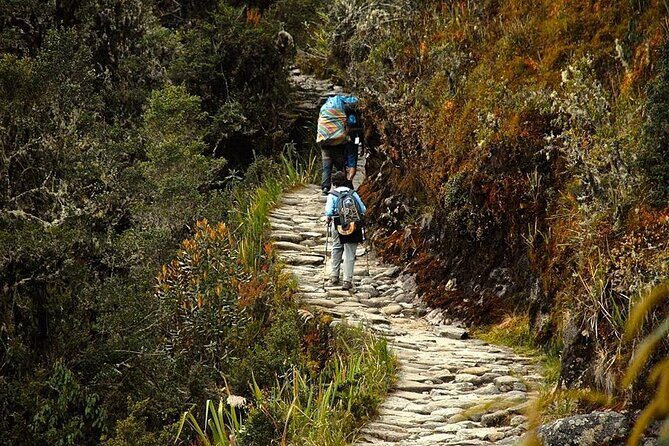
This is the classic 4-day Inca Trail rhythm: hike in, camp each night, then hit Machu Picchu early enough to catch light at Sun Gate. The route also keeps you moving between major hubs via bus and train, so you get the full “from highlands to ruins” story without having to plan transport yourself.
What makes this version practical is that it’s built around support. You’re traveling with a bilingual guide, included entrance tickets, camping equipment, and a team (porters and cook) responsible for camp logistics and shared gear. That support matters because the trail is demanding even on “moderate” days.
If you’re dreaming about a guided experience where history gets explained as you walk, this kind of structure tends to work well. People also praise specific guides by name, like Humberto, Fredy, Adrian, Richard, Saul, and Cerro, which is a good sign that the company leans on consistent guiding, not just checklists.
You can also read our reviews of more tours and experiences in Cusco
Price and Logistics: Is $963 Good Value Here?
$963 per person isn’t cheap, but it’s also not just a hike ticket. In the price you’re getting a lot of “expensive headaches” that add up if you try to DIY: transport segments (buses and train), guided entry, camping accommodation, meals during the trek, and the gear system that includes sleeping equipment and porter assistance.
Here’s what you’re paying for in a plain way:
- The big-ticket pieces: train from Aguas Calientes to Ollantaytambo, bus back to Cusco, and Machu Picchu transport
- Trail support: bilingual guide, first aid kit, emergency oxygen bottle, plus porters and a cook
- Camping + food: included tent setup, sleeping pads, and 3 breakfasts, 3 lunches, 3 dinners across the trek days
Two details that help you judge value:
- Your personal load is managed. You’re assigned a thermal sleeping bag (unless you choose the BASIC gear option) and you have a 7kg personal gear allowance handled via the porter/duffel system.
- You don’t pay for the ruins on top. Entrance tickets are listed as included.
If your main priority is reducing decision fatigue (when to start, what to carry, who handles permits), this looks like one of the more complete ways to do it.
Cusco Prep and Altitude: The Part You Control Most
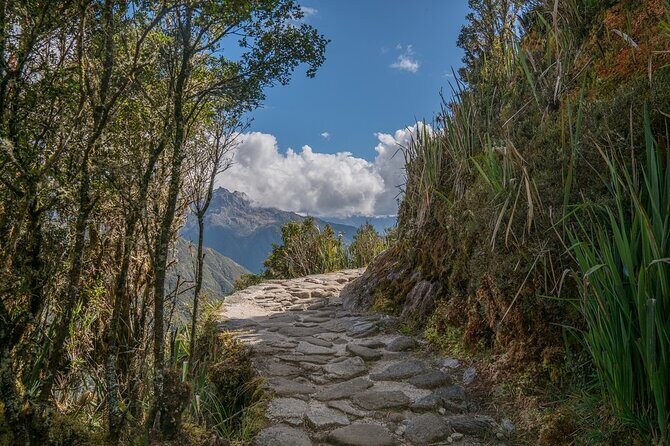
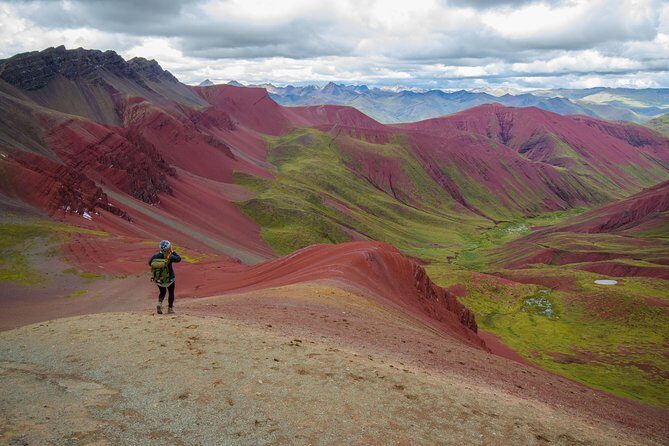
Before you hit the trail, you’re in Cusco, and that matters because you’re stepping into real altitude. The route includes high points like Dead Woman’s Pass at 4,215m and crossings like Runquracay Pass at 3,950m. Those numbers don’t care if you feel ready on Day 1.
This tour builds in safety support (first aid kit and emergency oxygen), but that’s not a substitute for your own pace. On the challenging day, you’ll be asked to climb fast enough to keep momentum, then descend steep stone steps down toward camp.
Also, bring the docs you’ll be asked for early. At the first checkpoint, you’ll need your original passport and, if applicable, your student card. Your guide carries the permits, but you’re still responsible for having the right IDs in your hands.
Day 1: Cusco Pickup to Piscacucho and Wayllabamba Camp
Day 1 starts with a very early pickup from your Cusco hotel, with pickup offered between 5:45am and around 6:00am. Then you’re transferred by bus to Ollantaytambo for a breakfast stop on your own. You also have time there to buy last-minute snacks and water, which is smart because you’ll be on the trail soon after.
From Ollantaytambo you continue by bus to Piscacucho (KM 82), the trailhead. This is where you begin trekking along rolling ground in the Vilcanota River Valley, passing smaller archaeological sites along the way. It’s not a flat warm-up, but it’s a good day to find rhythm and let your body settle in.
You’ll hike about 10km for roughly 6 hours, then arrive at Wayllabamba camp (2,980m). Lunch is prepared about halfway, and you’ll have downtime before reaching camp. Difficulty is marked as moderate, which matches the feel: steady walking while you acclimate.
Value tip: Day 1 is often the day people feel confident on. Treat it like a warm machine, not a race, because Day 2 is where you’ll truly pay for your speed.
Day 2: Dead Woman’s Pass, a Steep Climb, and Pacaymayo at 3,600m
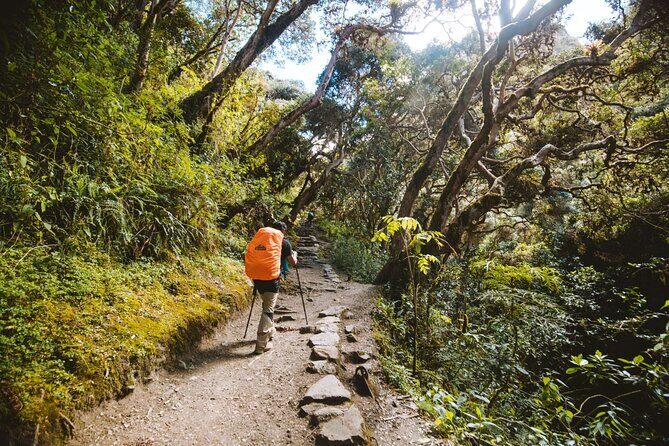
Day 2 is the hardest part of the whole route. You start with breakfast around 6:00am, then head straight into the vertical push: a roughly 6km climb that takes about 5 hours to reach Dead Woman’s Pass (4,215m).
After the high point, you’re rewarded quickly, not with an easy stroll, but with a steep 3km descent down stone steps to Pacaymayo camp (3,600m), which takes about 2 hours.
The important part for planning is that Day 2 isn’t just long. It’s a major altitude gain over the morning, so take your time. The schedule even explicitly builds in rest because you’re ascending more than 1,200m before you settle at camp.
Once you arrive, lunch and a nap kick in. Then you get the afternoon to enjoy the camp before dinner and an early bedtime, which matters for keeping you functional for the next day’s ups and downs.
Day 3: Archaeology Sites, Runquracay Views, and Wiñayhuayna High Jungle Camp
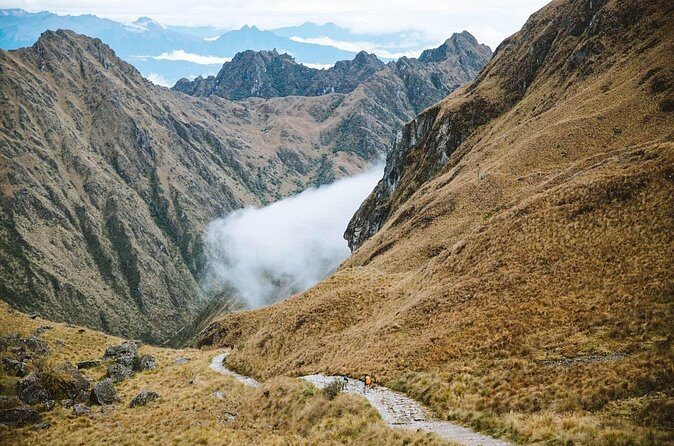
Day 3 starts with an hour uphill to the Pacaymayo archaeological site, then another hour to Runquracay Pass (3,950m). If you’re looking for big viewpoints, this is one of your peak moments before you descend into camp life again.
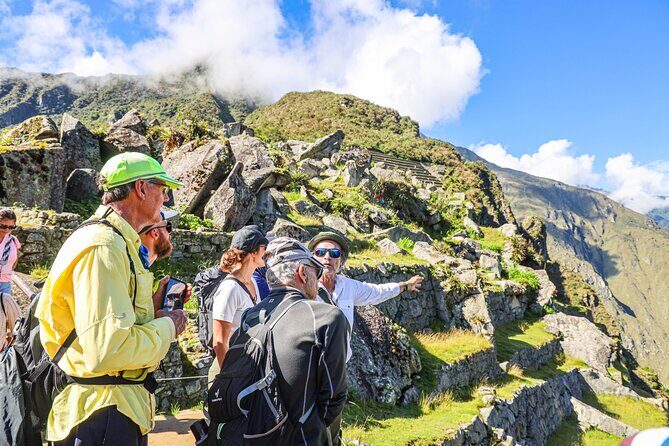
Then the walk continues with visits to two more archaeological sites: Sayacmarca and Phuyupatamarca. Your guide helps connect what you’re seeing with Inca-era meaning, which is one of the reasons to do the trek with a guide rather than just following a track.
After that, you hike to Wiñayhuayna High Jungle camp (2,650m). Expect it to feel different here—lower altitude than the previous day, but still in a high-jungle climate. You’ll cover about 15km over roughly 9 hours, with moderate ups and downs along ancient stairways.
There’s also a real human moment built into the day: after dinner, you’ll do a big thank-you to your porters and guides. That’s not a scripted photo moment. It’s a reminder that the trek depends on a whole support crew, not just the hikers.
Day 4: Sun Gate at 5:30am, a Guided Machu Picchu Tour, Then the Train Home
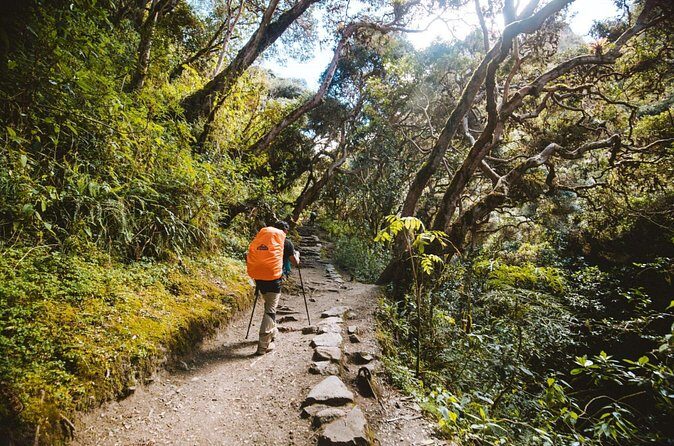
Day 4 is early in a very practical way: you wake up between 3:30am and 4:30am and have breakfast. The goal is to get onto the trail and reach the Wiñayhuayna checkpoint in time to join the lineup as the gate opens at 5:30am.
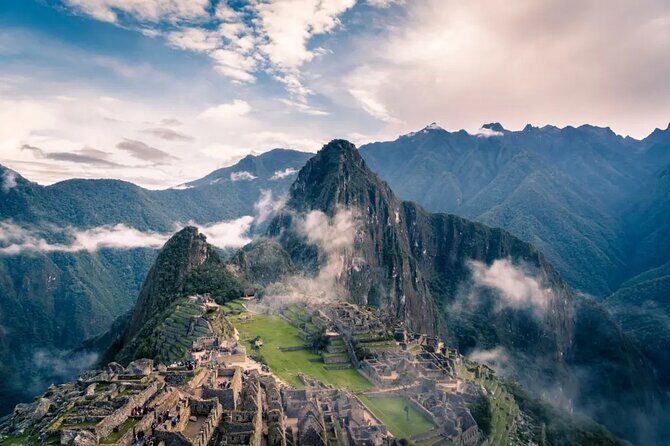
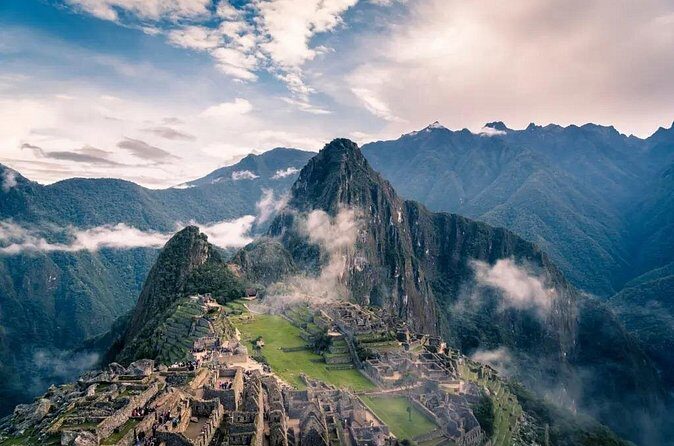
When the gate opens, you hike about an hour to Sun Gate. This is your front-row seat for the first light over Machu Picchu. Then you continue for about 40 minutes down to the main ruins.
You get a guided tour of Machu Picchu for about 2 hours. After the tour, you return to Aguas Calientes and take the train back to Ollantaytambo, then the bus to Cusco. You’re slated to arrive back by 8:30pm, with drop-off in Cusco at Plaza San Francisco, and you’ll make your own way back to your accommodation.
Optional choice: if you want Huayna Picchu or Machu Picchu Mountain, you’ll need advance booking. If you don’t secure it early, don’t count on it being available on the spot.
Camping Setup, Meals, and the Stuff That Can Make or Break Your Mood
A big part of why people feel good at the end of this trek is that camp is real camp, not “figure it out” camping.
You’ll have camping accommodation each night, including a tent for two and a basic sleeping pad. Meals are included: breakfast, lunch, and dinner are listed across the trek days (with breakfast on Day 1 not included, and meals on Day 4 not fully included beyond breakfast).
Gear is also partly handled for you:
- A thermal sleeping bag is included for the standard option
- You use a porter and duffel bag system to carry a total of 7kg of personal gear
- The BASIC option excludes the thermal sleeping bag and personal-gear carry items (so double-check what you’re actually choosing)
On the trail, comfort is mostly about temperature management. The sleeping bag system is one of those “small” inclusions that can heavily influence whether you feel wrecked or merely tired.
Transfers by Bus and Train: Smooth Planning vs. Long Days
This route uses a series of bus and train transfers to move between trail access points and Machu Picchu. The payoff is that you’re not stuck trying to solve local transport schedules while also dealing with altitude fatigue.
You’ll do:
- Bus from Cusco to the trail start (KM 82 via Ollantaytambo)
- Transport to get you from the Day 4 ruins area back into the Urubamba region
- Train from Aguas Calientes to Ollantaytambo
- Bus back to Cusco, arriving late evening
The trade-off is time. This isn’t a quick trip even if you’re fit. It’s more accurate to think of it as a 4-day block plus travel days that start early and end late.
Guides, Group Size, and Staying Calm on the Tough Parts
This trek has a maximum of 8 travelers, which is a big deal for pacing. Smaller groups tend to feel less like a conveyor belt and more like a moving classroom with you.
The company uses bilingual guidance on both the trek and Machu Picchu tour, and the included safety tools (first aid kit + oxygen bottle) help you feel taken care of. In the feedback you’ll find praise for specific guides like Humberto, Fredy, Adrian, Richard, Saul, Cerro, and others, usually tied to attention to detail and clear explanations.
When you’re hiking over passes like Dead Woman’s Pass, the real benefit of a guide isn’t just facts. It’s pacing decisions, comfort reminders, and keeping the group moving with a plan instead of panic.
Who Should Book This Inca Trail Trek, and Who Should Wait
This tour suits you best if:
- You want a guided Inca Trail with camp support and meals included
- You’re comfortable with altitude and know that Day 2 is the serious day
- You prefer a small group experience (max 8)
You should think twice if:
- You’re not confident with steep climbs and long walking days
- Early mornings feel like a deal-breaker for you (Day 1 pickup and Day 4 wake-up are early)
That said, the route is marked “moderate” overall, with the big challenge clearly identified on Day 2. If you can handle that one hard morning, the rest becomes more manageable.
Should You Book This Inca Trail to Machu Picchu Tour?
If your goal is to do the Inca Trail and arrive at Machu Picchu with the route, camping, meals, permits, and early-morning logistics handled for you, this is an easy yes. The value comes from the full support package: guided hikes, camp gear, porters and cook, entrance tickets, and safety provisions like a first aid kit and emergency oxygen.
Book if you want a structured trip where your job is mainly to hike, rest, and soak up the explanations. Don’t book if you can’t handle a steep high pass day or if you’re not willing to wake up early and keep moving even when you’re tired.
If you do book, treat the “two months in advance” advice as serious. Permits can sell out, and this is one of those trips where waiting until the last minute usually creates stress, not freedom.
FAQ
What is the duration of the Inca Trail to Machu Picchu tour?
It runs for about 4 days.
Where does the tour start, and is pickup offered?
The trip is based in Cusco, and hotel pickup in Cusco is offered.
How early is pickup on the first day?
Pickup is offered between 5:45am and the start time is listed as 6:00am.
What meals are included?
Breakfast is included for 3 mornings during the trip. Lunch and dinner are included for 3 days each. Breakfast on the first day is not included, and lunch and dinner on the fourth day are not included.
Are entrance tickets to Machu Picchu included?
Yes. Entrance tickets are included as part of the tour.
Is there safety support on the trek?
Yes. The trek includes a first aid kit, and there is an emergency oxygen bottle. The guide is also part of the safety support system.
Do I need a passport and student card for checkpoints?
You should carry your original passport, and if you are a student you should also carry your student card for the first checkpoint.
Is this tour refundable if I cancel?
No. This experience is non-refundable and cannot be changed for any reason. If the minimum number of travelers isn’t met, you would be offered a different date or experience or a full refund.