REVIEW · CUSCO
Cusco : City Tour of 4 Ruins and Sun Temple
Book on GetYourGuide →Operated by PeruVibes · Bookable on GetYourGuide
Stone gods and city views in one loop. This Cusco tour packs Coricancha and Sacsayhuamán into a single morning-or-afternoon circuit, so you get a fast sense of how Inca engineering and Spanish-era building overlap in the same city blocks. I also like that the later stops move from temples to “how the Inca ran the place” sites, like Tambomachay with its water channels and Puca Pucara’s commanding views.
The main thing to think about is pacing and guide delivery: the tour is tight, and in some cases the time can get compressed, with extra commercial stops added along the way.
In This Review
- Key things to know before you go
- The value of a 5-hour Cusco ruins circuit
- Hotel pickup and the rhythm of the day
- Coricancha (Temple of the Sun): Inca sacred space meets Spanish stonework
- Sacsayhuamán: the fortress walls that make your jaw drop
- Qenqo: ceremonial rock forms and the “maze” idea
- Tambomachay: water sources and purification through stone channels
- Puca Pucara: a military fortress with panoramic Cusco views
- So… is the tour guided well in English?
- Watch for the time squeeze and optional shopping stops
- Entrance fees and the $16 price reality
- What to bring for Cusco’s ruins day
- Who this tour suits (and who should skip it)
- Quick practical checklist before you book
- Should you book Cusco’s 4 Ruins and Sun Temple tour?
- FAQ
- What ruins are included in this Cusco city tour?
- How long does the tour take?
- Is hotel pickup included?
- What languages does the guide speak?
- Which entrance fees are not included?
- Do I need cash, and what currency is used?
- What should I bring for the day?
- Is this tour suitable for altitude sickness?
- Can I cancel for a refund or pay later?
Key things to know before you go
- Coricancha (Temple of the Sun): where Inca sacred space was layered with Spanish colonial architecture
- Sacsayhuamán: cyclopean-style stone blocks and a skyline view over Cusco
- Qenqo: ceremonial rock formations and stone “maze” ideas
- Tambomachay: Inca-era water sources and purification-through-water symbolism
- Puca Pucara: a military fortress with panoramic Cusco outlooks
- Price reality check: you may still pay for site entry (Coricancha and/or tourist ticket)
The value of a 5-hour Cusco ruins circuit
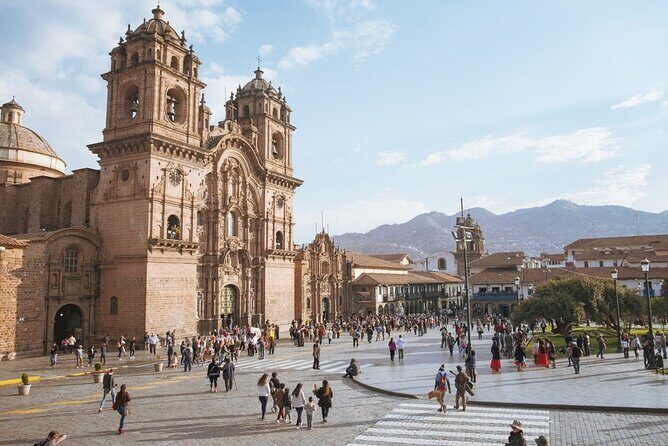
Cusco can feel like a museum where the exhibits are also your street life. This tour is built for that feeling: short walks, van hops, and guided stops that line up the biggest Inca landmarks close enough to do in one go. If you’re trying to get oriented before a Sacred Valley day trip, this format is practical.
At $16 per person for a 5-hour experience, you’re paying for transport, a guide, and a curated route across multiple archaeological sites. The catch is that you’re not paying for deep, slow archaeology time at each stop—this is more of a “see it, understand it, keep moving” day.
You can also read our reviews of more city tours in Cusco
Hotel pickup and the rhythm of the day
Pickup is included at hotels near the historic center of Cusco. You’ll be contacted in advance to coordinate where the van meets you, and the guide calls out your name if the meeting point has no good coverage. The schedule is designed around set arrival times at each site, so the tour keeps a steady tempo rather than waiting for late movers.
You should plan for a combo of on-foot time (short to moderate walking segments) plus van rides between stops. It’s also a good idea to dress for changing conditions, since Cusco weather can shift quickly—especially if you hit the rainy season.
Coricancha (Temple of the Sun): Inca sacred space meets Spanish stonework
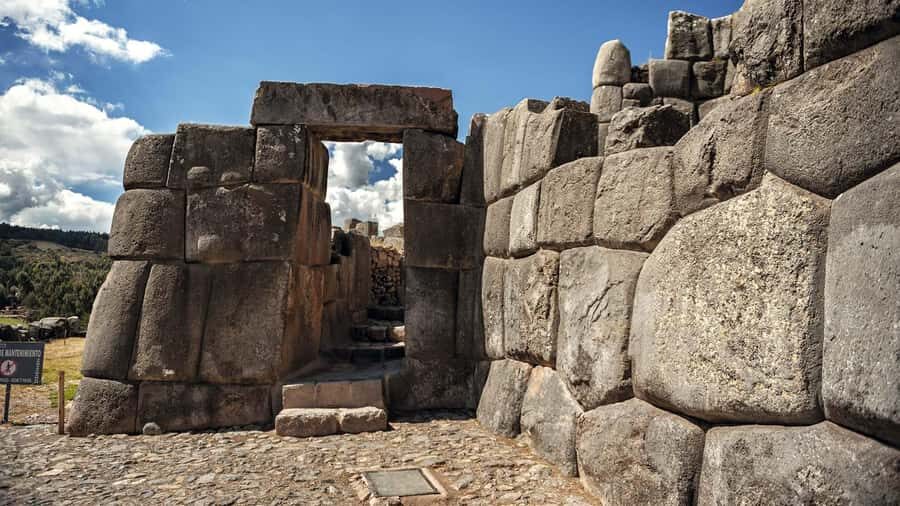
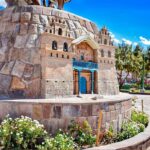
Coricancha, also known as the Temple of the Sun, is one of the smartest first stops you can make. It’s famous for Inca and Spanish colonial architecture blending in the same place, which helps you understand how Cusco’s power centers shifted while the sacred geography stayed important.
During your guided visit, expect a guided explanation plus time to look around and take photos. This is also where the tour starts building context: not just what the buildings look like, but why a site devoted to the Sun God mattered in Inca belief. If you enjoy seeing how different eras reuse and reinterpret sacred spaces, you’ll feel the payoff here.
One practical tip: Coricancha has an extra admission cost listed as 15 soles, so it helps to carry cash for entry.
Sacsayhuamán: the fortress walls that make your jaw drop
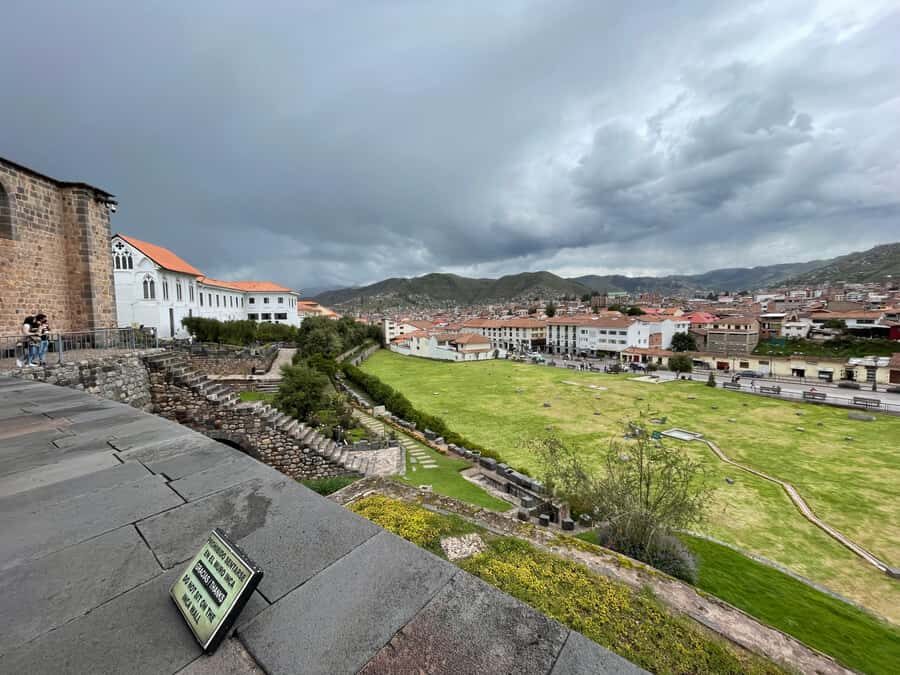
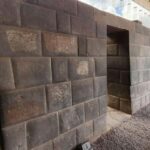
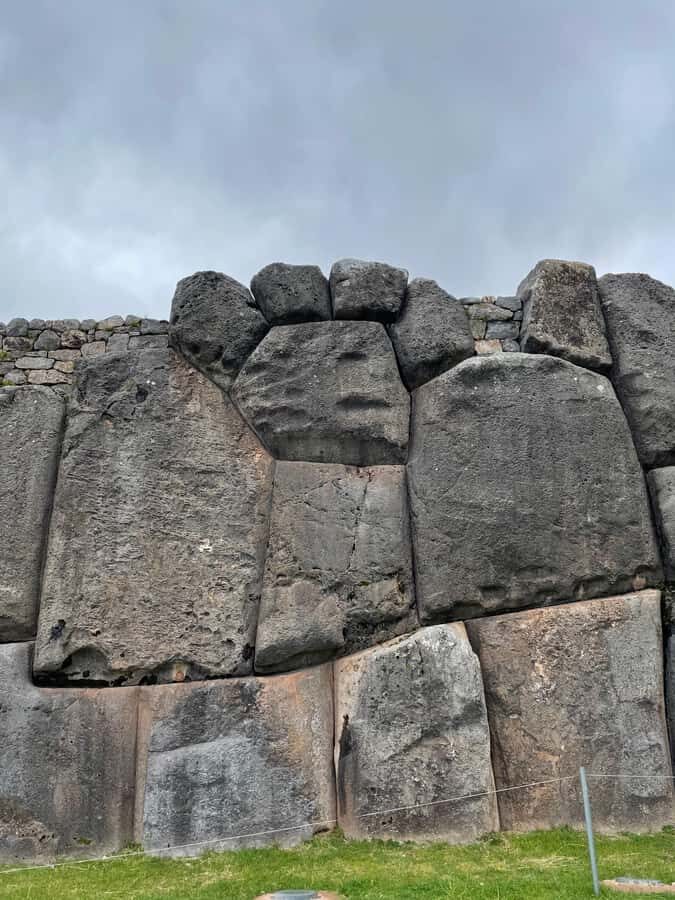
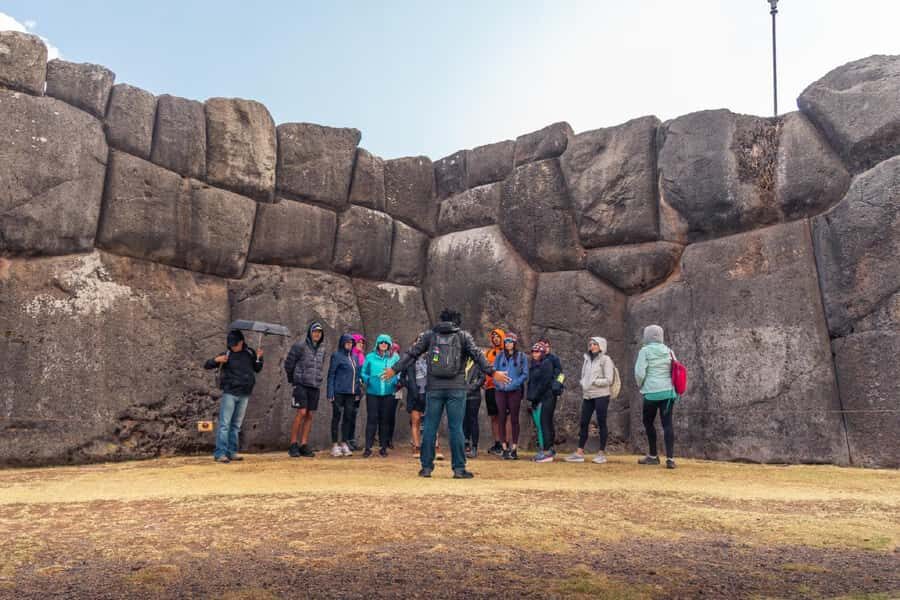
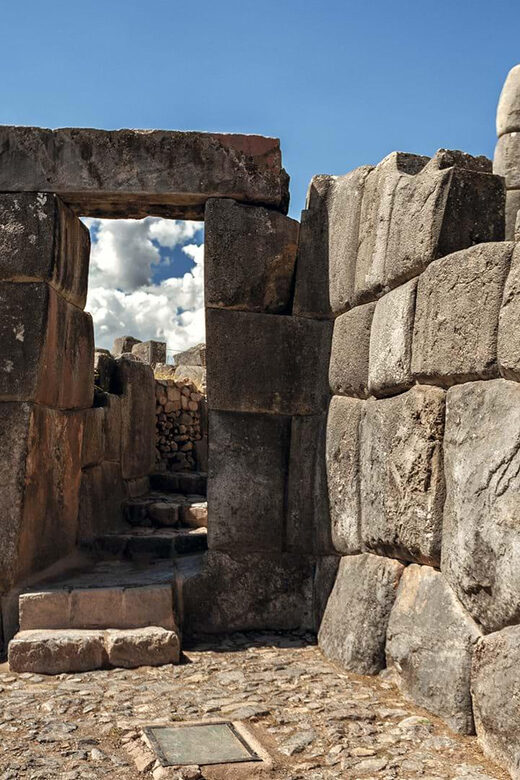
Sacsayhuamán is the stop that tends to hook people fast—those massive carved stone blocks and the fortress layout are hard to forget. It’s also one of the best places for city views, because the complex sits up above Cusco.
You’ll get a mix of guided tour, photo time, and a little free time. Even if your visit feels short, the visual impact is immediate: the scale of the stones and the way the complex is positioned all make the Inca’s defensive planning feel real.
If you want one clear takeaway from Sacsayhuamán, it’s this: this wasn’t just ceremonial space. It was a control point. Standing there, you can see why. You’re looking out over routes and sightlines the Incas would have cared about.
Qenqo: ceremonial rock forms and the “maze” idea
Qenqo is your change of pace. This is a ceremonial site known for intriguing carved rock structures, including carved rock mazes and water-channel-like elements. The point isn’t only to notice the shapes—it’s to recognize the Inca habit of turning geography into ritual design.
Your visit includes photo time, guided explanation, and sightseeing time. Because the tour is time-managed, you won’t have endless moments to wander, but you will get enough guidance to understand what you’re looking at instead of guessing.
If you like symbolic places—where stonework is tied to ritual—Qenqo can be a highlight. It’s a nice contrast to the fortress vibe of Sacsayhuamán.




Tambomachay: water sources and purification through stone channels
Then comes Tambomachay, known for its water sources. This stop is especially memorable if you enjoy details like how people used infrastructure to shape meaning.
Here, the focus is on stone water channels and the idea that water flowing through them was tied to purification rituals. In other words, it’s not just a scenic ruin—it’s an engineered sacred-water setting.
Expect a guided visit with time to look around, plus free time before you move on. Wear shoes you trust on uneven ground, because even short walking segments in archaeological areas can be slick if conditions are damp.
Puca Pucara: a military fortress with panoramic Cusco views
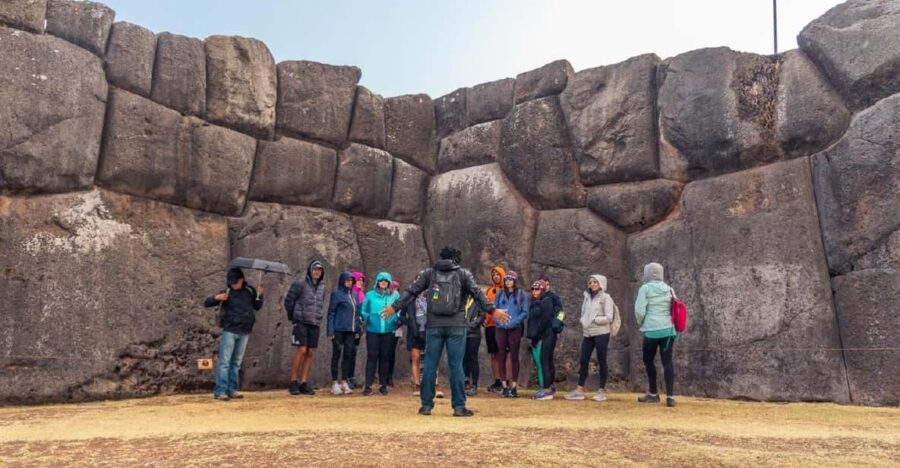
Puca Pucara shifts the theme to strategy. This military fortress is known for its spectacular views over Cusco, and it makes the city feel like a system the Incas were reading from above.
You’ll get a photo stop and guided time, plus time to take in the panorama. If Sacsayhuamán is the grand “big walls” moment, Puca Pucara can feel like the “strategic lookout” moment—another piece of how control and visibility worked across the region.
This is also a good stop to slow down and just look. Even on a structured tour, the views give your brain a breather.
So… is the tour guided well in English?
The tour offers a professional bilingual guide in English and Spanish. In practice, the experience can vary depending on how your group is mixed by language and timing. I’d treat this as a “show up ready to adapt” tour.
Some guidance styles can also change mid-tour. One reviewer’s experience described a longer Spanish segment followed by shorter English explanation, plus reduced depth as the day went on. Another mentioned a guide named Yako who was caring and offered appropriate knowledge about ancient Inca civilization—so there’s clearly real skill in the mix.
My advice: if English detail is your top priority, ask your provider ahead of time how they handle language in mixed groups. And don’t be shy about asking questions during the guided parts, especially at Coricancha and Sacsayhuamán, where the context matters most.
Watch for the time squeeze and optional shopping stops
This tour is designed to cover five major sites in about five hours, which means the schedule is tight. That’s not a flaw by itself—just know what it implies: if any stop runs long, the later ones can get shorter.
Some experiences have included extra commercial stops and shorter time allocations at certain ruins. One example was reduced time at Sacsayhuamán compared with what the schedule suggests, plus time loss due to stops aimed at selling goods. That can change the feel of the day from “ruins first” to “ruins with interruptions.”
You can protect your day with two simple moves:
- Set your expectations: this is an efficient route, not a slow archaeological walk
- If you want maximum time at the sites, plan to keep an eye on the clock and be ready to move quickly between photo spots
If you’re the type who hates retail detours, consider this carefully before booking.
Entrance fees and the $16 price reality
The listed price is $16 per person, and that usually includes pickup, tourist transport, and a professional bilingual guide. What it doesn’t fully include are entry costs at sites.
Coricancha admission is listed separately as 15 soles. There’s also mention of a partial tourist ticket at 70 soles. The important practical point: carry cash in Peruvian soles and be ready for site entry costs depending on how the ticketing is handled that day.
For value-minded travelers, the math is simple: the tour is good value if you’ll actually visit all five sites and want guided context. If you already have a ticket set up for entrances, you can reduce surprises. If you don’t, budget some extra cash so you’re not scrambling at the gate.
What to bring for Cusco’s ruins day
This kind of tour demands solid, comfortable footgear. Bring comfortable shoes, and if you have them, hiking shoes. Long pants and a long-sleeved shirt help with sun and dust, and a breathable layer makes a big difference in Cusco’s altitude.
Other useful items:
- Camera and a charged smartphone
- Biodegradable sunscreen
- Cash (payments are in soles)
- Clothes that can get dirty
- A waterproof option like a poncho if it’s rainy season
Also bring your passport or ID card. The tour data specifically lists both.
Who this tour suits (and who should skip it)
This tour is not suitable for people with altitude sickness, and it also lists age limits (not suitable for children under 3 years, and babies under 1 year). It’s also not suitable for people over 95 years.
If you’re generally healthy and you want a structured overview of major Cusco Inca sites—without spending the entire day traveling—this is a good match. It’s also a solid choice if you like photos and want a route that hits both ceremonial and military themes.
If you’re highly detail-oriented—someone who loves reading every marker slowly and lingering at each complex—this tour may feel too fast.
Quick practical checklist before you book
Here’s what I’d decide before committing:
- Do you want speed and context, or slow and deep time at each site?
- Are you comfortable carrying cash for site entry in soles?
- Is English guidance a must for you, or is Spanish fine too?
- Are you okay with the possibility of extra stops, given how time can get compressed?
Should you book Cusco’s 4 Ruins and Sun Temple tour?
I think you should book it if you want an easy way to connect the dots between Cusco’s sacred architecture and its fortress-and-control logic, all in about five hours. Coricancha and Sacsayhuamán are strong anchors, and the sequence through Qenqo, Tambomachay, and Puca Pucara gives your day variety—temple, ceremony, water, and military viewpoints.
I’d hesitate if you’re sensitive to short stop times or you strongly dislike retail detours. In that case, look for an option with fewer interruptions or plan extra independence time around your own must-sees.
If you do book, come prepared: comfortable shoes, cash in soles, and a flexible mindset about language and pacing. That combination lets you enjoy the real value—seeing multiple major Inca sites without the hassle of stitching the route together yourself.
FAQ
What ruins are included in this Cusco city tour?
The tour includes Coricancha (Temple of the Sun), Sacsayhuamán, Qenqo, Tambomachay, and Puca Pucara.
How long does the tour take?
The duration is listed as 5 hours.
Is hotel pickup included?
Yes. Pickup is included at hotels near Cusco’s historic center, and you’ll be contacted in advance to coordinate the pickup point.
What languages does the guide speak?
The guide provides live interpretation in English and Spanish.
Which entrance fees are not included?
Coricancha admission is listed as 15 soles. A partial tourist ticket is listed as 70 soles.
Do I need cash, and what currency is used?
Yes. Payments are made in soles, so bringing cash is recommended.
What should I bring for the day?
Bring passport or ID, comfortable shoes (or hiking shoes), camera, breathable clothing, long pants, biodegradable sunscreen, and a charged smartphone. Cash is also recommended.
Is this tour suitable for altitude sickness?
No. It is not suitable for people with altitude sickness.
Can I cancel for a refund or pay later?
You can cancel up to 24 hours in advance for a full refund. You can also reserve now and pay later.