REVIEW · CUSCO
Inka Jungle An Alternative Adventure to Get in Machu Picchu
Book on Viator →Operated by Trip Inka Town · Bookable on Viator
You only get one shot at Machu Picchu, so why not earn it. This Inka Jungle-style route mixes adrenaline days with a guided visit to the ruins. I like that it’s built around real Cusco-area travel time—not just transport to a single sight.
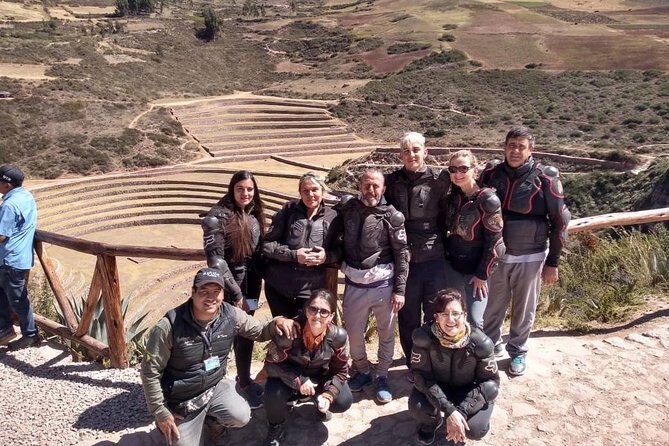
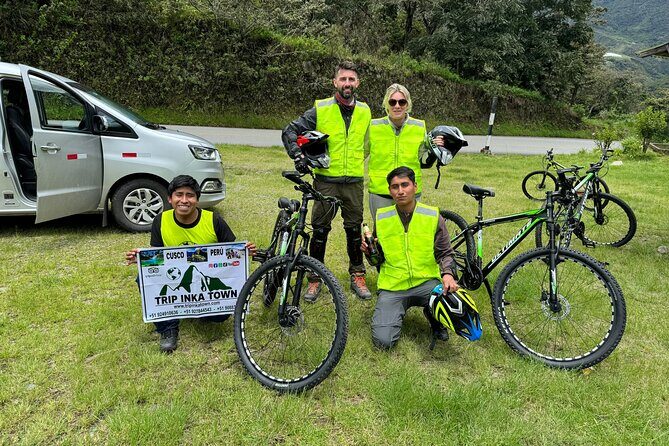
I also really like the way the adventure is structured: downhill biking with provided safety gear starts Day 1, and the Vilcanota River rafting keeps the momentum going. The bike gear gets handed to you (bike, gloves, elbow pads, knee pads, and helmet), plus you get a briefing before you roll.
One thing to consider: the accommodation experience may not match your expectations. In one account, the only improvement mentioned was the lodging services, so go in knowing you’re here for the adventure first.
In This Review
- Key takeaways before you book
- Cusco pickup and the downhill start at Abra Málaga
- Santa María, lunch, and rafting the Vilcanota River
- Zipline morning in the forest and the hike from Hidroeléctrica
- Train to Aguas Calientes and a guided Machu Picchu morning
- What you’re paying $450 for (and why it can be good value)
- The team feel: communication and friendly guidance
- Fitness level and altitude reality check
- Accommodation: plan for basics, not a resort
- Timing: why reservations should be made early
- Quick practical notes before you go
- Who should choose this Inka Jungle route
- Should you book? My honest recommendation
- FAQ
- How long is the Inka Jungle alternative to Machu Picchu?
- What is the price per person?
- Does the tour include hotel pickup and a day-before explanation?
- What activities are included across the 3 days?
- Is the tour suitable if I have moderate fitness?
- Are Machu Picchu reservations something I need to plan for in advance?
Key takeaways before you book
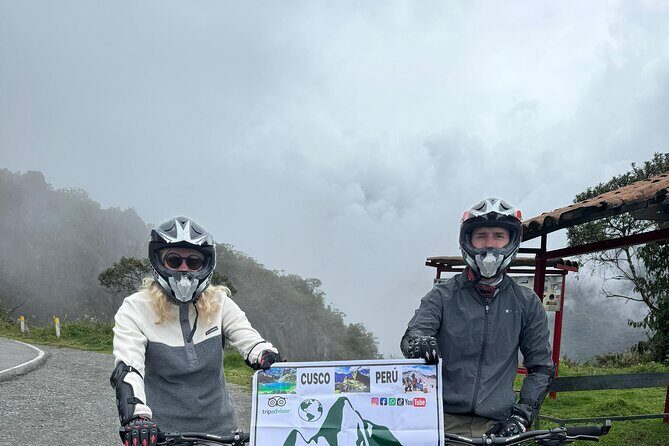
- Bike from Abra Málaga (4,350m): A big altitude start that turns into a downhill ride with provided safety gear.
- Vilcanota River rafting + Santa Teresa downtime: Expect a full action day, then time to reset in town.
- 3 hours of zipline in the forest: Cable glides with different styles, not just one run.
- Hidroeléctrica to Aguas Calientes on foot: A 2-hour hike with a train-and-river vibe along the way.
- Two guided chapters at Machu Picchu: You get a guided visit of about 2.5 hours plus organized bus/train logistics.
Cusco pickup and the downhill start at Abra Málaga
This tour feels like a straight shot from the Andes into adventure. Day 1 begins with pickup from your hotel in the Cusco area, followed by a bus ride (about 1 hour 30 minutes) toward Ollantaytambo. You’ll stop for breakfast along the way, then continue for roughly another 1.5 hours up to Abra Málaga at 4,350 meters.
That altitude matters. You’re starting high, and the plan is to turn it into the payoff: the gear and briefing come next, then the downhill biking begins. You don’t just hop on a bike and hope for the best. They provide helmet plus protective pads (gloves, elbow pads, knee pads) and talk you through what to expect before you start moving downhill.
Why I like this setup: it’s a smart way to experience the region without spending the whole day in a vehicle. And because you’re doing the biking right after the ascent, you get a clean rhythm—ride, recover, then keep going.
You can also read our reviews of more tours and experiences in Cusco.
Santa María, lunch, and rafting the Vilcanota River
Once the downhill ride gets going, you’re dropped into changing scenery and microclimates as you travel from higher ground toward the Santa María area. The ride is described as passing through diverse landscapes and views, which usually means quick shifts in temperature and humidity. Translation for you: dress in layers if you can, because morning altitude air can feel very different from lower valleys.
When you reach Santa María, lunch is waiting. Then the energy ramps again with a rafting adventure on the Vilcanota River. After that burst, you continue onward to Santa Teresa where you check in for the night.
This is also where the tour gives you breathing room. You can opt to visit the Cocalmayo hot springs to relax and unwind. If you’re doing this tour for adrenaline, you’ll still appreciate that break—rafting + biking can wear you out more than you think, and hot springs are an easy way to recover without adding another activity.
Dinner and then sleep in Santa Teresa closes Day 1.
Zipline morning in the forest and the hike from Hidroeléctrica
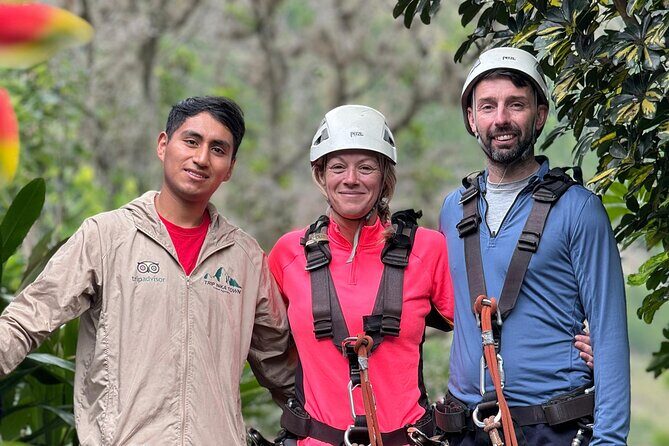
Day 2 starts early—6:00 a.m. breakfast—then you transfer to the zipline camp. You’ll spend about 3 hours ziplining in the forest using different styles to glide along the cables. It’s not framed as one short set of runs; it’s a half-day activity, so it’s closer to a full experience than a quick thrill.
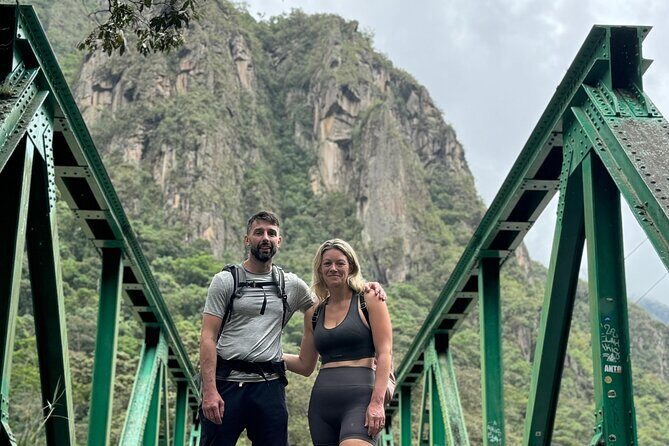
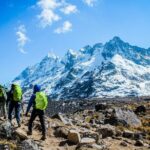
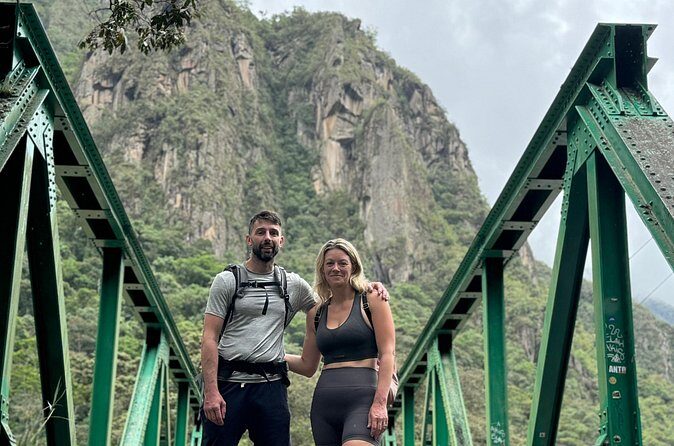
After ziplining, you head to Hidroeléctrica, where the plan shifts from cables to legs. You begin a hike of about 2 hours to Aguas Calientes. Along the route, you’ll pass trees, massive rocky mountains, a railway path, and a powerful river with its characteristic sound.
That hike is one of the most “real” parts of the journey because you’re not just watching the countryside—you’re moving through it. It’s also a good moment to appreciate how this route functions as an alternative to the classic path. Instead of arriving ready-made at Machu Picchu, you build up to it through active transit.
When you reach Aguas Calientes, you’ll have lunch and check in at your hotel. The evening is flexible: you’ll have time to visit hot springs in town and end the day with dinner.
One practical note: the tour data says admission ticket is not included for Day 2, so if you’re counting every ticket cost, double-check what’s included versus what you’d cover separately for this day.
Train to Aguas Calientes and a guided Machu Picchu morning
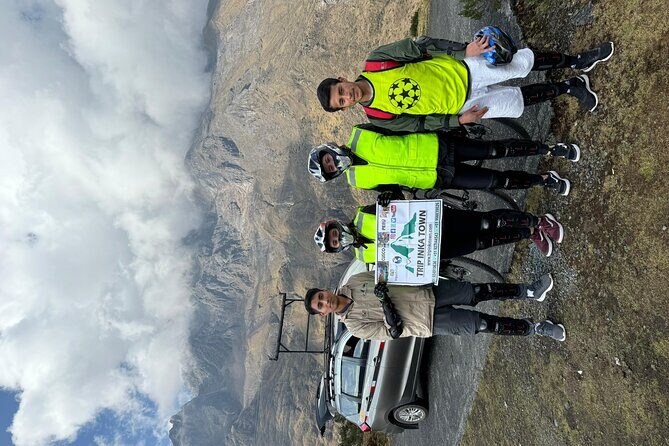
Day 3 is the big “you made it” day. It begins early in the city of Cusco with pickup from your hotel, then a transfer to the Ollantaytambo train station. From there you board the Tourist Train to Aguas Calientes.
Once you arrive, your guide welcomes you. Then it’s time to switch from rail to road: you head to the bus station for a 30-minute ride to the Machu Picchu entrance. After presenting your tickets, you start the guided visit.
The guided portion runs about 2.5 hours, which is a solid length for seeing the main areas without feeling like you’re rushing. It also gives you time to ask questions and understand what you’re looking at beyond postcard basics.
After the tour, you go back down by tourist bus, gather your belongings, and board the train back to Ollantaytambo. That train ride takes about 1 hour 45 minutes. Then you transfer back to Cusco, roughly 1 hour 30 minutes.
The logistics here are a big part of the value. Machu Picchu is famous, but it’s also timing-sensitive. This plan keeps the pieces moving so you’re not scrambling on the day itself.
What you’re paying $450 for (and why it can be good value)
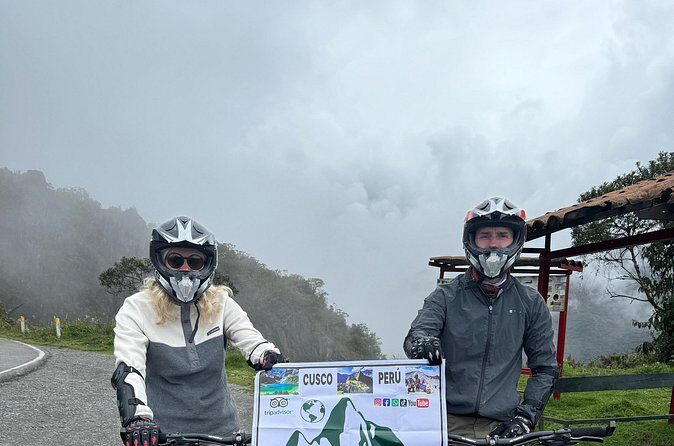
At $450 per person for roughly 3 days, the price lands in the “budget-adventure” range compared with private, high-touch tours. What makes it feel more justified isn’t just that you’re seeing Machu Picchu. It’s that you’re packing in:
- a full-day adventure start (bike + briefing + downhill ride),
- rafting on the Vilcanota River,
- ziplining in the forest,
- a hike from Hidroeléctrica to Aguas Calientes,
- plus a guided Machu Picchu visit with train and bus connections.
That’s a lot of active time wrapped inside transportation that would otherwise take you serious effort to coordinate. You’re also getting a private tour (only your group participates), pickup from your hotel, and a mobile ticket.
Also worth noting: the schedule includes a day-before summary at your hotel so you know what’s coming in the three-day flow. That reduces the mental load, especially when you’re dealing with early mornings and high-altitude starts.
If your main goal is purely comfort, this might not be the cheapest way to reach Machu Picchu. If your goal is to make the journey part of the story, it’s easier to feel the value.

The team feel: communication and friendly guidance
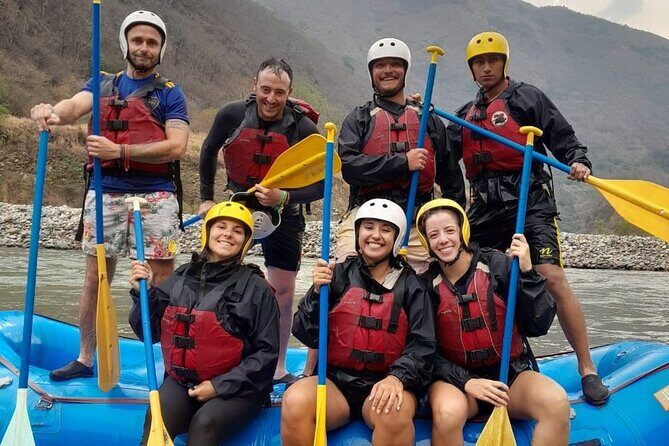
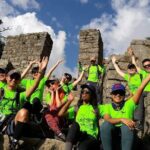
One of the strongest points in the experience is the human side. The guides and support team have been praised for friendliness, helpfulness, and communication. Names that came up include Franco, Joaquin, Joaco, Anita, Marx, and Ederson, and the consistent theme is that they’re there to make the day run smoothly.
That matters because this isn’t a simple stroll-and-snap tour. You’re switching activities fast: bike → rafting → hot springs option → zipline → hike → train → bus → ruins. Good guidance keeps you from feeling lost or rushed.
The private-group format also helps. Instead of watching a group drift in and out of the same sights, your timeline is more controlled. That’s useful for timing transfers and getting everyone ready for early starts.
Fitness level and altitude reality check
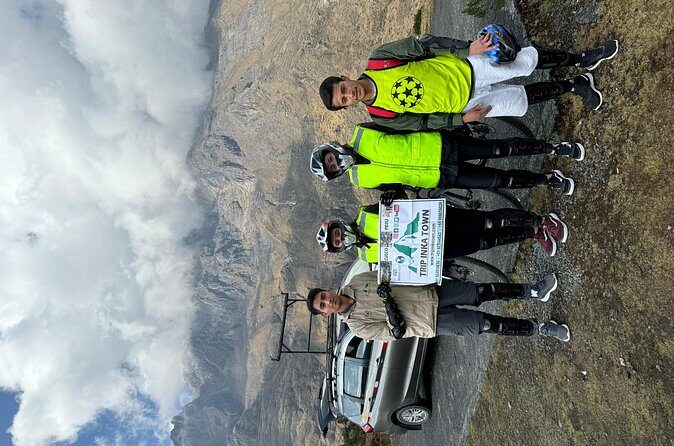
The tour asks for moderate physical fitness. Based on the route, that makes sense: you’ll be biking downhill, rafting, ziplining for about 3 hours, and hiking around 2 hours to Aguas Calientes. None of this is described as extreme endurance trekking, but you should be comfortable moving for multiple hours across different activity types.
Also remember the tour starts Day 1 at 4,350 meters (Abra Málaga). You don’t need to guess how altitude feels—you should plan for it. Take it slower at the top, hydrate, and follow the briefing.
If you’re sensitive to altitude or you want a low-effort trip, this may not be the best fit. If you’re the type who likes an active travel day and wants Machu Picchu to feel earned, you’ll likely enjoy the pace.
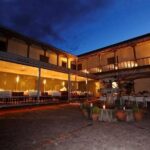
Accommodation: plan for basics, not a resort
This is the one area that got a direct critique. The note wasn’t that the trip fell apart—it was that accommodation services may need improvement, with attention not matching expectations.
So here’s my practical take: treat the hotel beds and showers as a reset between big days. Don’t book this expecting luxury comfort. If you can handle solid-but-not-fancy lodging, you’ll be happier—and you’ll spend your energy on the biking, rafting, zipline, and guided Machu Picchu instead.
Timing: why reservations should be made early
Machu Picchu is tightly managed, and this tour specifically flags that reservations must be made two or three months in advance due to changes made by the Ministry of Culture to Machu Picchu tours.
That’s a key piece of advice for you. Don’t wait for last-minute travel inspiration. If you’re planning around a specific date, lock it in early so your train/bus and guided entry work out cleanly.
Quick practical notes before you go
- Language: Offered in English.
- Group style: Private tour—only your group participates.
- Tickets: You’ll receive a mobile ticket.
- Pickup: Pickup from your hotel is offered, plus a day-before summary at your hotel.
- Service animals: Service animals are allowed.
- Accessibility to transit: It’s near public transportation.
One more thing: the tour is non-refundable and cannot be changed for any reason, so be sure your dates are firm before you pay.
Who should choose this Inka Jungle route
I think this trip is best for you if:
- you want an alternative to the standard Machu Picchu plan,
- you like mixing adventure sports with guided history,
- you’re okay with early starts and a packed schedule,
- you appreciate a team that communicates and keeps things moving.
It’s less ideal if:
- you want a slow, comfort-first vacation,
- you’re not comfortable with moderate activity levels,
- you expect high-end lodging service as a top priority.
Should you book? My honest recommendation
Book it if you want Machu Picchu plus a full adventure arc. This tour gives you bike gear and protective setup, a real river day on the Vilcanota, a 3-hour zipline block, and a hiking approach to Aguas Calientes. Then you land at Machu Picchu with a guided visit of about 2.5 hours and transportation handled.
Skip or rethink it if you’re mainly chasing a comfy hotel experience and minimal physical effort. The accommodation note is real, and the pace is active.
My final take: if you’re the kind of traveler who wants the journey to matter, this is a strong way to reach Machu Picchu without making the trip feel like a checklist.
FAQ
How long is the Inka Jungle alternative to Machu Picchu?
The tour runs about 3 days.
What is the price per person?
The price is $450.00 per person.
Does the tour include hotel pickup and a day-before explanation?
Yes. Pickup is offered from your hotel, and there’s a day-before summary at your hotel to explain what you’ll do over the 3 days.
What activities are included across the 3 days?
Day 1 includes a downhill bike ride and rafting on the Vilcanota River, with time in Santa Teresa afterward. Day 2 includes zipline time and a 2-hour hike from Hidroeléctrica to Aguas Calientes. Day 3 includes a guided Machu Picchu visit with train and bus transfers.
Is the tour suitable if I have moderate fitness?
The tour requests a moderate physical fitness level.
Are Machu Picchu reservations something I need to plan for in advance?
Yes. The tour notes reservations must be made two or three months in advance due to changes to Machu Picchu tours.