REVIEW · CUSCO
Cusco: City Tour – Mystical Ruins
Book on Viator →Operated by IZI PERU · Bookable on Viator
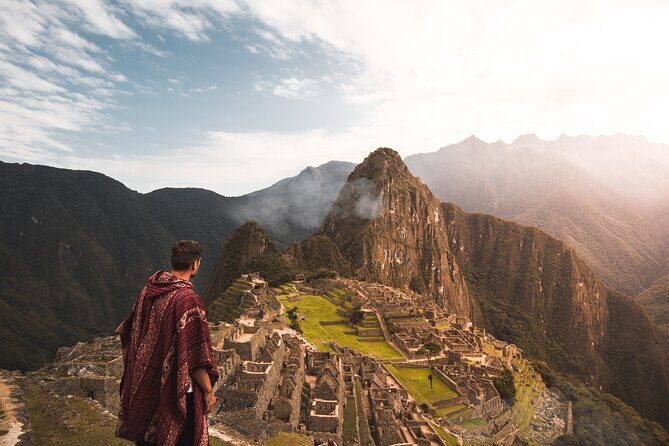
Cusco’s ruins hit different at altitude. This Cusco City Tour: Mystical Ruins strings together five major Inca sites with an easy pace and a bilingual guide. I really like the way the route shows Cusco’s layers, from the Temple of the Sun to Sacsayhuaman’s engineering. I also like that most entrance fees are handled for you on key stops. One thing to keep in mind: admission rules and any required tourist ticket can get confusing, and there has been at least one report of unexpected extra payment at a gate.
You’re looking at about 4 hours of steady sightseeing, with pickup from the Cusco Historic Center and a group capped at 16 travelers. The best part is that you get context while you walk and look, not just a checklist of ruins.
If timing slips, don’t panic—one guide on this tour took extra time to repeat explanations in English. Still, plan your day with a little buffer, especially if you have dinner reservations or another ticketed activity right after.
In This Review
- Key things to know before you go
- Cusco’s big Inca hits in about 4 hours
- Qorikancha: the Temple of the Sun and a lesson in mixed cultures
- Sacsayhuaman: the fortress of giant stones and Inti Raymi context
- Q’enqo’s ceremonial amphitheater: a place built for ritual
- Puca Pucara: a former surveillance post and controlled access
- Tambomachay: the worship of water and the idea of youth
- Price and tickets: where the value is great, and where you should double-check
- How the tour runs: pickup, pacing, and what to expect if timing slips
- Who should book this Cusco Mystical Ruins tour
- Should you book Cusco City Tour: Mystical Ruins?
- FAQ
- What’s the duration of the Cusco City Tour: Mystical Ruins?
- How much does the tour cost?
- Does the tour include pickup?
- What language is the tour offered in?
- Which sites are included on the itinerary?
- Is the entrance ticket to Qorikancha included?
- Are entrance tickets included for the other ruins?
- Do I need a tourist ticket?
- What’s the cancellation policy?
Key things to know before you go
- Small group (max 16): you’ll have a better chance of hearing the guide clearly and asking quick questions.
- Qorikancha costs extra: plan on paying PEN 20 for the Qorikancha admission ticket.
- Most other sites are covered (with caveats): Sacsayhuaman and Q’enqo are listed as having admission included, and Tambomachay is also listed as included.
- You may still need the tourist ticket: the tour requires a Tourist Ticket (or proof you already bought one on another tour).
- A tight, timed route: each stop is roughly 45 minutes, so you’ll move before you get too settled.
- Pickup is from the Historic Center: convenient if you’re staying near Cusco’s main area.
Cusco’s big Inca hits in about 4 hours
This is the kind of tour that helps you get your bearings fast. Cusco can feel like a maze of streets and stone walls, and the fastest way to understand what you’re looking at is to see the main Inca landmarks in one go. The route is compact: Qorikancha, Sacsayhuaman, Q’enqo, Puca Pucara, and Tambomachay—then back toward the city center for dinner.
The timing matters. You’re given about 45 minutes at each stop, which is enough to see the key features, read the basic story from your guide, and take photos without feeling rushed the whole time. It’s not a slow museum visit. Think of it more like a “walk, look, learn, move” format.
Also, the group size is capped at 16. That’s a sweet spot in Cusco. Large crowds can flatten the experience, especially at busy sites. With this size, you’re more likely to stay engaged and follow the guide’s explanations.
You can also read our reviews of more city tours in Cusco
Qorikancha: the Temple of the Sun and a lesson in mixed cultures
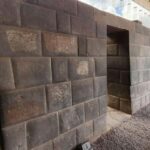
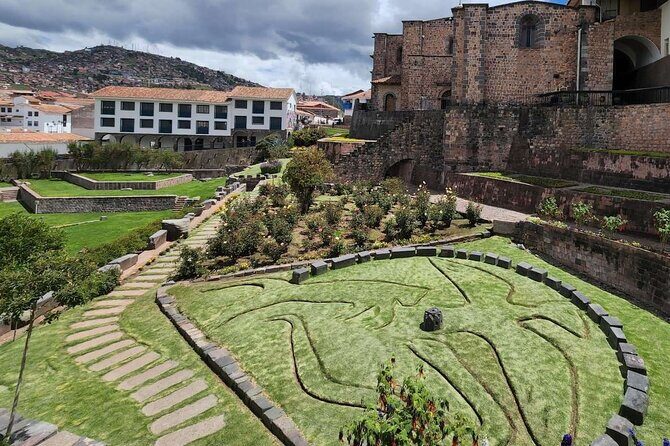
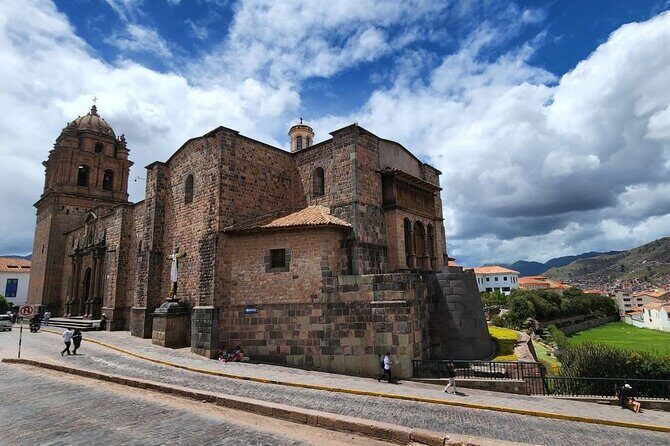
Qorikancha starts your tour at a place that’s both symbolic and practical. It’s a major religious center in Inca times—the Temple of the Sun—and the whole site shows the long history of Spanish and Andean influence in Cusco. Even if you only have a short amount of time, it’s the best opening stop because it frames how the Incas viewed power, belief, and space.
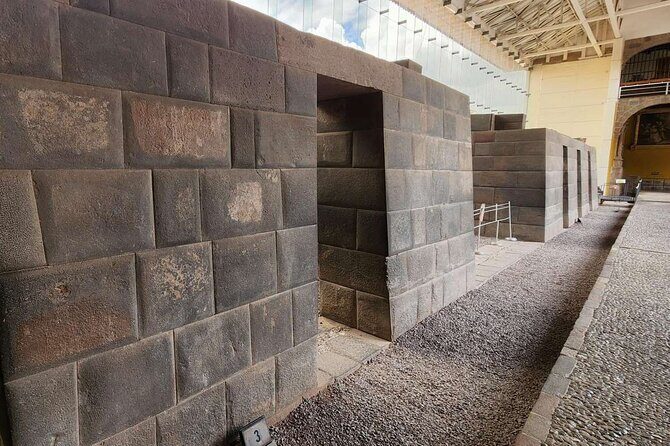
Here’s what I’d watch for: the temple complex layout and the construction choices. This is a site where you can appreciate the kind of engineering that made the Inca reputation for stonework world famous. You’ll also want to look for the Cusquenian School paintings housed inside, since they add a visual layer to the story—religion and art mixing into one scene.
Important money note: Qorikancha admission is not included. The listed price is PEN 20 per person. That means you should keep some cash or be ready to pay on-site. If you’re doing this tour on a tight schedule, add that cost to your morning budget so you don’t feel surprised.
A small drawback to plan around: your time here is capped at about 45 minutes, and admission timing can affect how much you see. If your day starts late, this stop can feel extra compressed.
Sacsayhuaman: the fortress of giant stones and Inti Raymi context
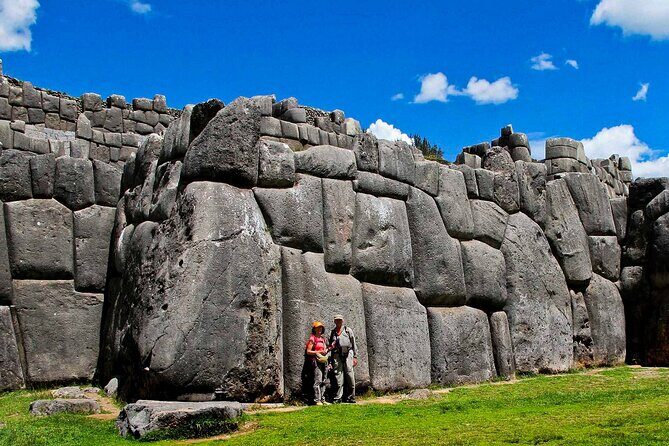
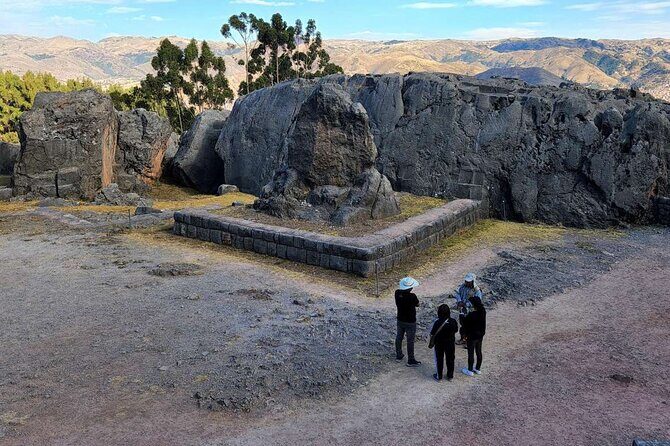
Next up is Sacsayhuaman Archaeological Park, and this is where the scale really hits. This site is often described as a fortress-like Inca temple area, and the standout feature is the way massive blocks were set together so precisely that they still look interlocked centuries later.
Your guide’s job here is to help you see what you’d otherwise miss: the engineering logic. Some stones are noted as being about 9 meters (30 feet) high and weighing over 350 tons. Even without you doing math on the spot, you can tell these aren’t “good craftsmanship” stones. These are confidence stones—proof that the Inca state could organize labor and logistics at a huge level.
There’s also a calendar link that makes the place feel alive: Sacsayhuaman is famous for hosting Inti Raymi (Party of the Sun) every year on June 24. On a tour like this, that detail gives your walk a stronger meaning. You’re not only looking at structures; you’re seeing a location tied to ritual and seasonal celebration.
Admission note: the itinerary lists Sacsayhuaman admission as included, but there’s a real-world consideration. One review reported being asked to pay an additional amount at Sacsayhuaman and said it wasn’t clearly disclosed beforehand. That doesn’t automatically mean your tour will work the same way, but it does underline one rule: confirm what’s covered and what you must bring (especially the Tourist Ticket). If you don’t have the right ticket category, gates can get complicated.
My practical advice: before pickup, message or ask your operator to confirm whether your tourist ticket is required for this specific day and whether Sacsayhuaman is covered in your package with that ticket.
Q’enqo’s ceremonial amphitheater: a place built for ritual
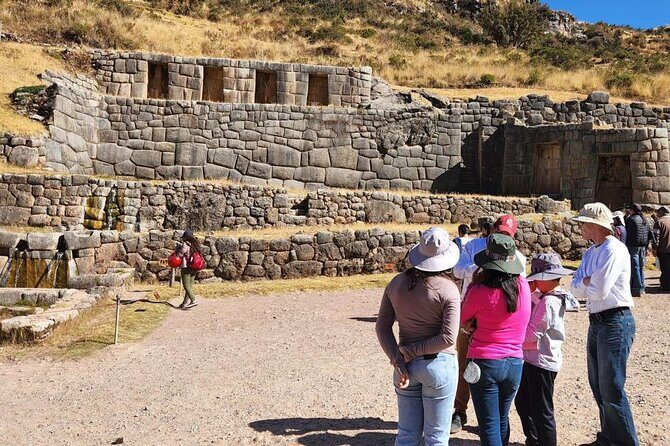
From Sacsayhuaman, the tour moves to Q’enqo, an Inca ceremonial and religious complex. This stop has a different vibe than the fortress feeling of Sacsayhuaman. Q’enqo is described as an amphitheater, and your guide will explain that sacrifices used to take place here.
This is one of those places where context changes everything. Without explanation, you might just see carved stone and uneven ground. With a guide, you start to notice the shape of the space and why it might have mattered for gatherings. The “amphitheater” angle helps you imagine people facing an area designed for ceremony, sound, or viewing.
Admission note: the itinerary lists Q’enqo admission as included. It’s a great point for value because it lowers the number of add-on expenses you’d otherwise face.
Time note: you get about 45 minutes, which is typically enough to take in the main features and understand the story. If you’re the kind of visitor who likes to read every sign and linger for photos, this is the one stop where you may want to hold back on over-stopping—your next ruins are also part of the plan.
Puca Pucara: a former surveillance post and controlled access
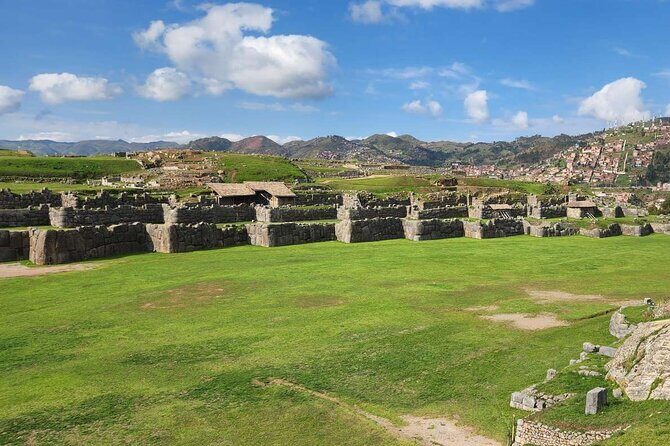
Then you’ll reach Puca Pucara, and it’s a useful stop because it shows a practical side of Inca planning. Instead of focusing only on worship or celebration, Puca Pucara is described as a surveillance post and an entry control point to the capital of the Inca state.
That gives you a slightly different way to look at the location. You’re not only thinking about ceremony. You’re thinking about security, movement, and how a large capital stays connected and defended.
The good news for your budget: the itinerary lists Puca Pucara admission as free. In a tour where some entrance fees are added, a free stop is a nice relief.
Expect this to feel quieter than the big-name spots. It’s often less about dramatic architecture and more about understanding function. If you like the logic behind city design, you’ll enjoy it.






Tambomachay: the worship of water and the idea of youth
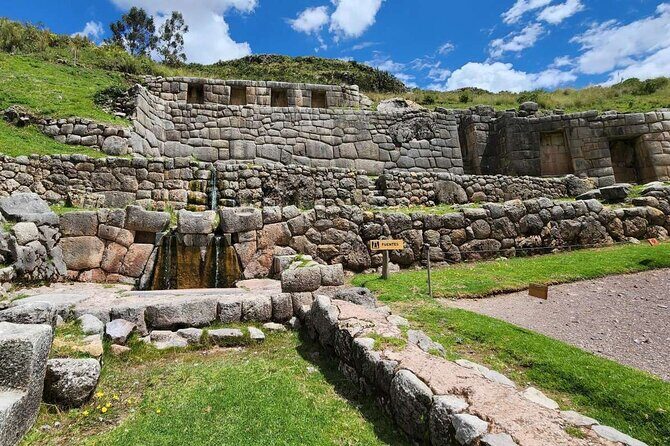
The final stop is Tambomachay, which is known for its role in the worship of water. The site is also described with an evocative nickname: the place of the waters of eternal youth.
Even if you don’t fully believe in the legend—and you don’t need to—there’s something satisfying about how the Inca connected daily life to belief. Water wasn’t just a resource. It was tied to health, ceremony, and longevity, which makes Tambomachay more than a pretty final stop.
The itinerary lists Tambomachay admission as included, so this is the end of the route with fewer money surprises. Timing-wise, you’ll still have about 45 minutes here, which works well because it functions like a decompress stop before heading back to the city.
After Tambomachay, you return to the city center. That’s when dinner becomes part of the strategy. Cusco evenings can be lively, and you’ll be walking less if you eat soon after the tour rather than trying to squeeze dinner between activities.
Price and tickets: where the value is great, and where you should double-check
This tour costs $22 per person and runs about 4 hours. For that price, you’re getting pickup from the Cusco Historic Center, plus a bilingual guide. That’s the core value: you’re paying for interpretation and access to multiple sites without having to coordinate everything yourself.
But Cusco tours always come down to one thing: entrance fees and ticket types.
Here’s the breakdown from the tour details:
- Qorikancha: not included; PEN 20 per person
- Sacsayhuaman: listed as admission included
- Q’enqo: listed as admission included
- Puca Pucara: admission listed as free
- Tambomachay: listed as admission included
- Tourist Ticket: not included, or you must show a ticket you already bought with another tour
Now add the caution from real-world feedback: one experience was described as having an extra payment request at Sacsayhuaman that wasn’t disclosed in advance. Another experience noted a delay and that money was refunded.
So here’s what you should do if you want smooth sailing:
- Ask the operator (before you go) what your ticket requirement is for this specific tour.
- Confirm whether you must pay any entrance fees in cash at stops, even if they’re listed as included.
- Keep extra small cash on hand, especially for PEN 20 at Qorikancha.
If you do that, the $22 price can feel like a bargain because the guide time is included and you’re visiting multiple key complexes in one morning/afternoon block.
How the tour runs: pickup, pacing, and what to expect if timing slips
The tour includes pickup from your hotel in the Cusco Historic Center. That matters because Cusco’s center is walkable, but getting from one ruin area to another takes time. Pickup also reduces the chance you show up late to a gate, which is when delays become extra stressful.
The tour is designed for most travelers, and the group max is 16. That suggests a pace meant to keep the group together, not a flexible “wander as long as you want” style.
Now, about timing: one review mentioned missing Qorikancha and having a 1+ hour delay, with a refund afterward. Another review said the guide took time to repeat in English. Put together, the practical lesson is this: if you’re on a schedule, build a cushion. Cusco sometimes has traffic and logistics issues, and it’s better to plan dinner a bit later than you think you need.
One more thing: the tour is offered in English, and you can expect bilingual guidance. If your Spanish is rusty, you’re in the right place. Just don’t assume you’ll never need repetition—good guides will slow down, and some guides may actively re-explain when needed.
Who should book this Cusco Mystical Ruins tour
Book it if you:
- Want a first Cusco introduction with the biggest Inca stops in a single loop
- Prefer a small group over a giant bus full of noise
- Like your ruins with clear explanations, especially the Inca religious and practical angle
- Want a tour that gets you back to the city for dinner without dragging on all day
Skip it (or consider a different format) if you:
- Are extremely sensitive to delays and can’t move your schedule
- Hate paying multiple entrance fees at different gates
- Want lots of free time at each site for slow wandering and detailed reading
Should you book Cusco City Tour: Mystical Ruins?
I’d book this tour if you handle the ticket details carefully. At $22, the pickup and bilingual guidance make it strong value, and the route hits the key Cusco names: Qorikancha, Sacsayhuaman, Q’enqo, Puca Pucara, and Tambomachay. The best sign for confidence is that when problems happened, there were mentions of refunds and a guide working to keep the information clear in English.
My call: book it, but message ahead to clarify the Tourist Ticket requirement and what exactly is covered for entrances. If you show up ready—with the right ticket and a little cash for Qorikancha—you’ll likely get one of the more efficient, story-driven ways to see Cusco’s ancient spine.
FAQ
What’s the duration of the Cusco City Tour: Mystical Ruins?
It runs for about 4 hours.
How much does the tour cost?
The price is listed as $22.00 per person.
Does the tour include pickup?
Yes. Pickup is offered from your accommodation in the Cusco Historic Center.
What language is the tour offered in?
The tour is offered in English, and you’ll have a bilingual guide service.
Which sites are included on the itinerary?
You’ll visit Qorikancha, Sacsayhuaman, Q’enqo, Puca Pucara, and Tambomachay.
Is the entrance ticket to Qorikancha included?
No. Qorikancha admission is not included and is listed as PEN 20.00 per person.
Are entrance tickets included for the other ruins?
Sacsayhuaman and Q’enqo are listed as admission included, Puca Pucara is listed as free, and Tambomachay is listed as included.
Do I need a tourist ticket?
You either need a Tourist Ticket or you must show the ticket you already purchased with another tour.
What’s the cancellation policy?
Free cancellation is available up to 24 hours in advance for a full refund. If you cancel less than 24 hours before, it isn’t refunded.