REVIEW · CUSCO
BUS 180 CUSCO
Book on GetYourGuide →Operated by Top Inka Travel · Bookable on GetYourGuide
A 180° bus tour with real Cusco drama. This 5-hour Bus 180 route is built for big views and quick context, with panoramic stops plus a Pisco Sour preparation demo at the end. One drawback to keep in mind: it’s not suitable for wheelchair users.
What I like most is the way it mixes classic Cusco landmarks with performance-style moments, so the day feels like more than just driving around. You’ll also have a professional guide in English and Spanish, which helps a lot when you’re seeing places like Qorikancha and Sacsayhuamán from the outside.
The tour runs for $37 and covers the core “see Cusco” highlights, but entrances and meals aren’t included. If you’re hoping for long time inside churches or ruins, you may find the panoramic format a bit more “view and learn” than “linger and explore.”
In This Review
- Key highlights I’d plan around
- Price and logistics: what $37 buys you in Cusco
- Where you meet: Plaza de Armas and the 13:50 start
- The scenic 180° drive: how you actually see Cusco
- Cathedral and Qorikancha: the city’s sacred center, viewed with context
- Cristo Blanco: why this stop works as a photo moment
- Sacsayhuamán, Qenqo, and Pukapukara: Inca stone power from the road
- Traditional dance moments: entertainment that helps the pacing
- Huayllarccocha Lake: Andean myths staging in a magical setting
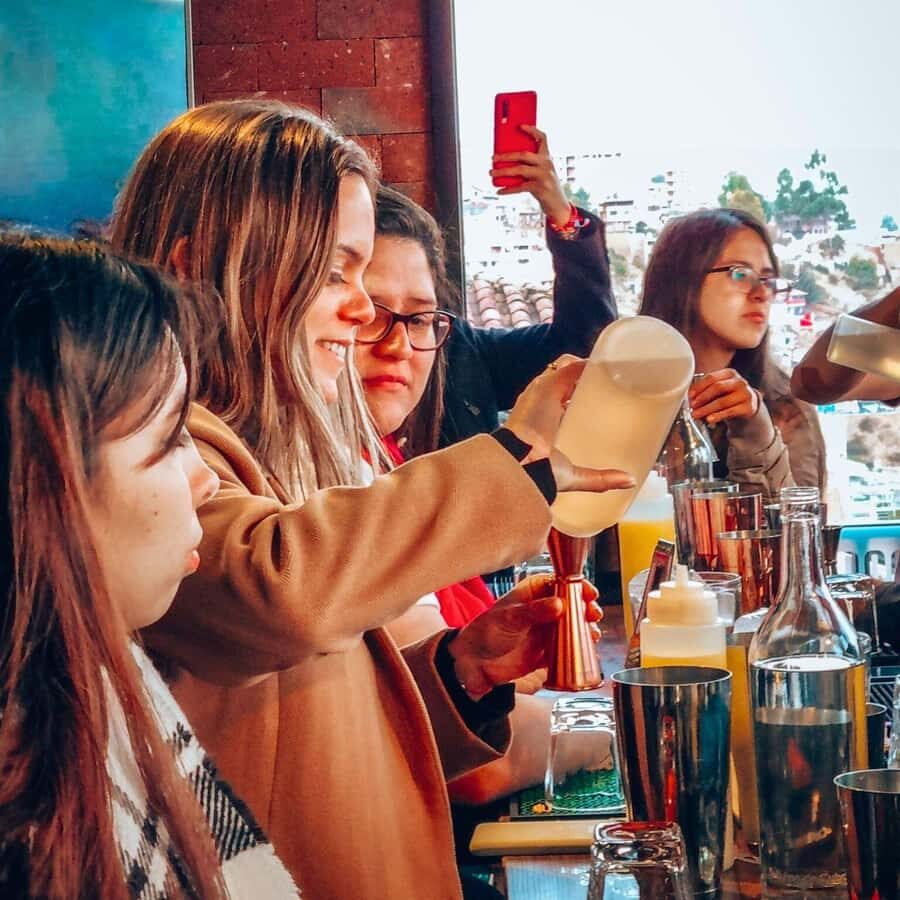
- Restobar finale: Pisco Sour preparation demo
- Who this tour suits best in Cusco
- Tips to get more out of Bus 180 Cusco
- Should you book Bus 180 Cusco?
- FAQ
- What time does Bus 180 Cusco start?
- Where do I meet for the tour?
- How long is the tour?
- What languages are the guides?
- Is hotel pickup included?
- Are entrances and meals included?
Key highlights I’d plan around
- 180° panoramic bus views that keep the scenery moving without extra transportation stress
- Cusco landmark photo stops with guided narration in English and Spanish
- Live dance performances that add energy instead of long silent rides
- Andean myths staging at Huayllarccocha Lake, with staff waiting for the show
- Pisco Sour preparation demonstration at a restobar after the performance
- Ends back at Plaza de Armas, so you can roll into dinner nearby
Price and logistics: what $37 buys you in Cusco
For $37, you’re paying for transport, guiding, and a structured itinerary that fits neatly into a first-day schedule. The “value” part is that you don’t have to coordinate separate tickets, vehicles, and timing for multiple viewpoints around Cusco.
This is a 5-hour experience, starting in the early afternoon at 13:50 and finishing back at the Plaza de Armas area. You’re not getting a hotel pickup, so you’ll want to build in time to get yourself to the meeting point.
Also check what’s not included. You’ll handle entrances, meals, and travel insurance yourself. That matters because some of Cusco’s best-known spots can be ticketed if you want to go inside, and this format is clearly set up for panoramic viewing with guided context.
You can also read our reviews of more tours and experiences in Cusco.


Where you meet: Plaza de Armas and the 13:50 start
The tour boards at the main square of Cusco (Plaza de Armas), with the listed boarding time at 13:50 PM. You’ll also see an address associated with the start point: Pl. Haukaypata 195.
Practical tip: be at the meeting area early enough to find the group without rushing. Cusco’s center is easy to get turned around in, and the tour is time-based. Once you’re aboard, the rhythm is set: drive, photo stops, guided narration, performances, and then the end back near the main square.
The scenic 180° drive: how you actually see Cusco
The star feature here is the bus itself. With the Bus 180 setup, you’ll enjoy a moving panoramic viewpoint instead of a stop-and-start taxi shuffle. Translation: you can look left, look right, and keep learning as the city and surrounding sights slide into view.
The route is built around major Cusco landmarks, visited in a panoramic way. That usually means you’ll get views from the bus plus guided explanation and photo opportunities, rather than long ticketed visits.
This approach is great if you:
- want orientation fast
- are short on time
- don’t want to manage transport between scattered viewpoints
It can be less ideal if you’re the type who needs extended time inside every site. Since entrances aren’t included, you may want to do a separate, ticketed visit later if a particular place grabs you.
Cathedral and Qorikancha: the city’s sacred center, viewed with context
Even if the route is panoramic, starting near Cusco’s religious core helps you understand the city’s layout. The Cathedral is one of those “you’ll recognize it instantly” landmarks, and seeing it from the right angle helps you connect the old-city center with the wider Cusco valley.
Then you’ll head toward Qorikancha, the famous Temple of the Sun area. From a bus viewpoint, you’re not trying to “tour it for hours.” Instead, you get the big-picture idea: this was an important Inca sacred site, and Cusco’s religious story continued after the Inca period.
What makes this valuable is the guide narration. When you’re seeing Qorikancha and then moving toward more fortress-and-ceremony sites later, the story starts to connect. You’re not just collecting photos; you’re building mental maps.
Cristo Blanco: why this stop works as a photo moment
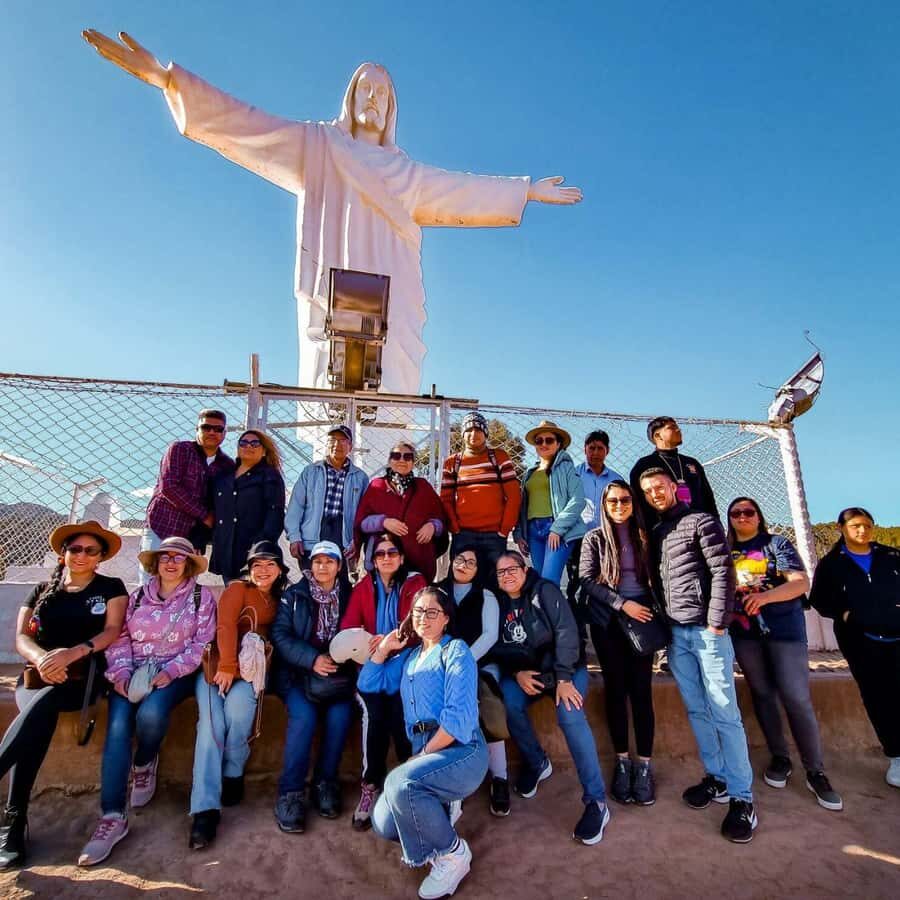
Cristo Blanco is the kind of viewpoint that’s made for a quick stop. Even without extended wandering, it gives you scale: you see Cusco in relation to the hills and the roads that lead outward.
From a panoramic tour, this works for two reasons:
- It helps you place landmarks you’ve already seen.
- It prepares you for the stone-and-ceremony sites later on, since the views show the terrain shape.
If you’re taking photos, wear shoes you’re comfortable standing in briefly. The tour format is designed for short stops, not long waits, so being ready helps.




Sacsayhuamán, Qenqo, and Pukapukara: Inca stone power from the road
The route includes three heavyweight sites: Sacsayhuamán, Qenqo, and Pukapukara. The key word in the plan is panoramic, so you’re not meant to treat these as “all-day ruins.” Instead, you’ll get guided framing and outside views that help you appreciate the architecture and setting.
- Sacsayhuamán: Expect to see the famous stonework and fort-like layout. This is the kind of place that feels more impressive once you understand why the stones are arranged the way they are. From the bus angle, you can get a sense of scale even without a long visit.
- Qenqo: This is a ceremonial-site type of stop. Even from outside views, it’s easier to connect the site to the broader theme of Andean ritual and the way Cusco’s landscape was used.
- Pukapukara: Another site that’s easier to “read” when you’ve already seen Sacsayhuamán on the route. It helps you see the theme: stone structures plus landscape shaping.
A small planning note: because entrances aren’t included, your time at these places may be mostly visual and guided from the route. If you want to go in and slow down, plan a separate half-day (or longer) later with tickets.
Traditional dance moments: entertainment that helps the pacing
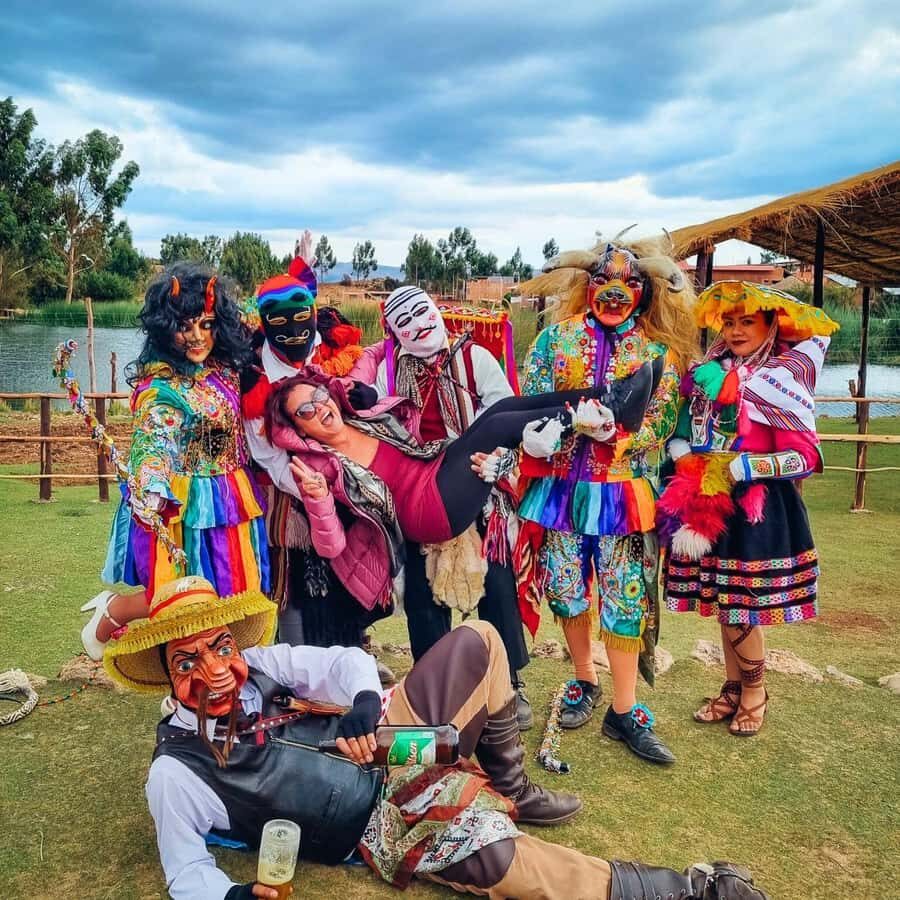
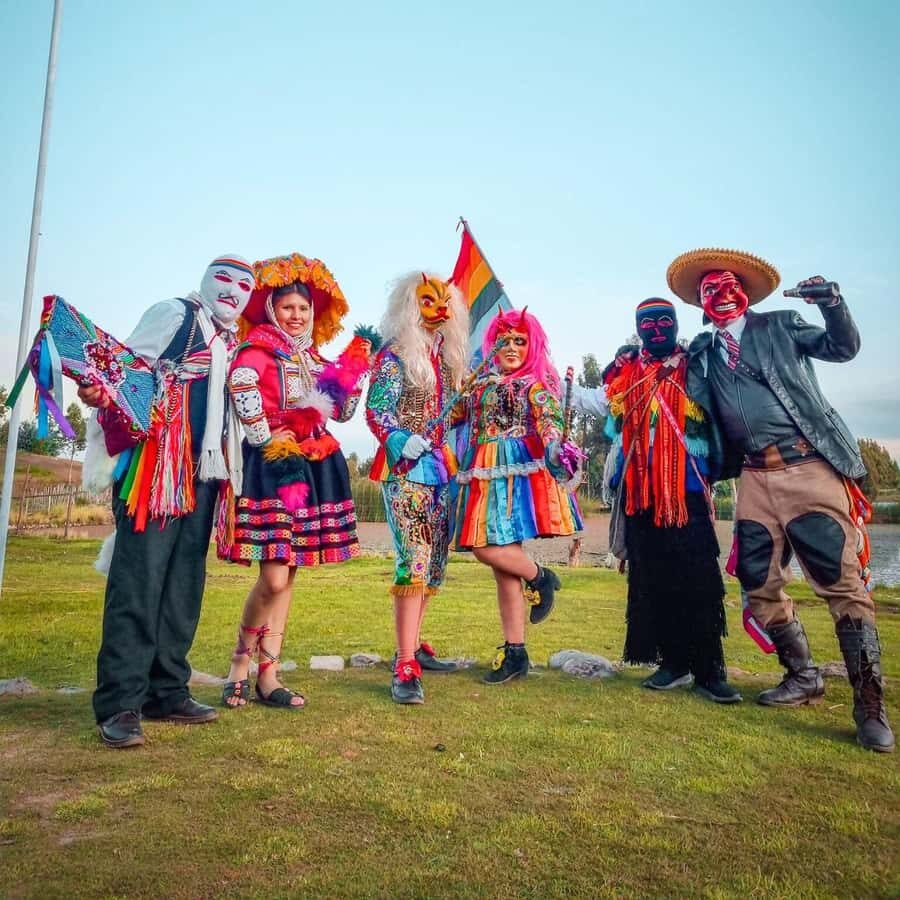
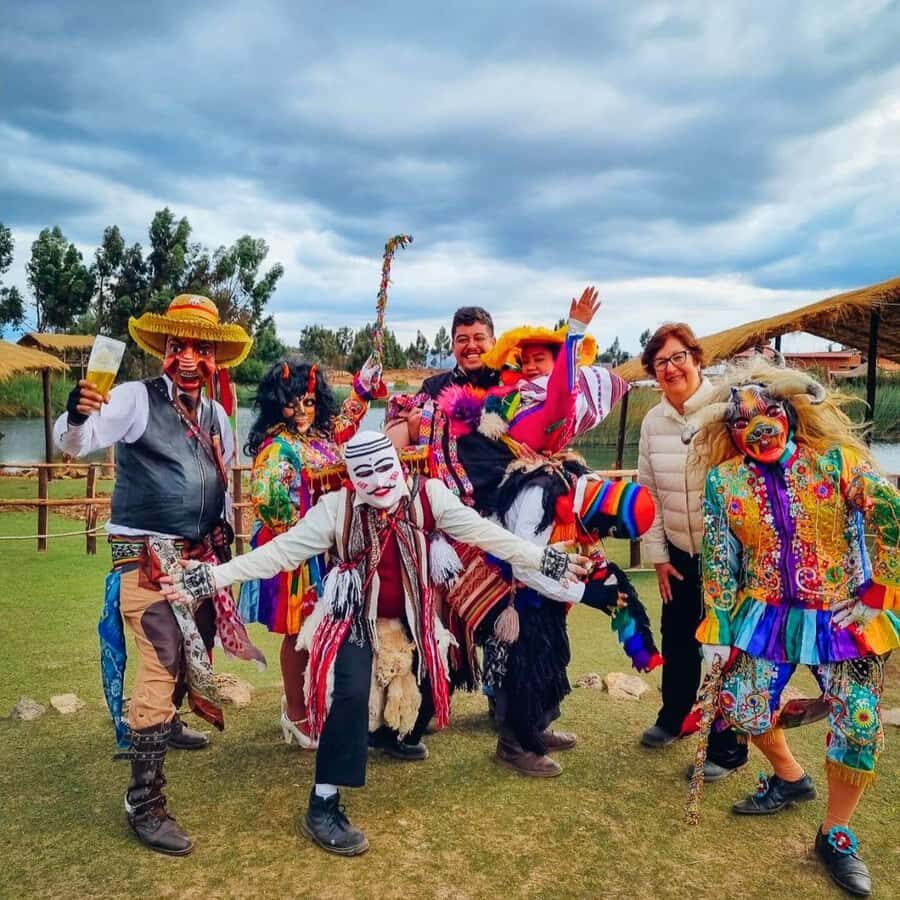
One of the highlights is live dance performances during the tour. The format matters. Instead of squeezing your day with constant driving and only sightseeing stops, they add performance moments that reset your energy.
This kind of entertainment works best when you treat it like part of the cultural “context,” not just a show. Cusco is full of music and dance tied to identity and seasonal celebrations. Even if you only see short segments, it gives your brain a rhythm match for the rest of the day.
There’s also a staging moment later connected to Andean myths, so the dance element is not random. It’s part of a larger theme: Cusco’s stories told through movement and performance.
Huayllarccocha Lake: Andean myths staging in a magical setting
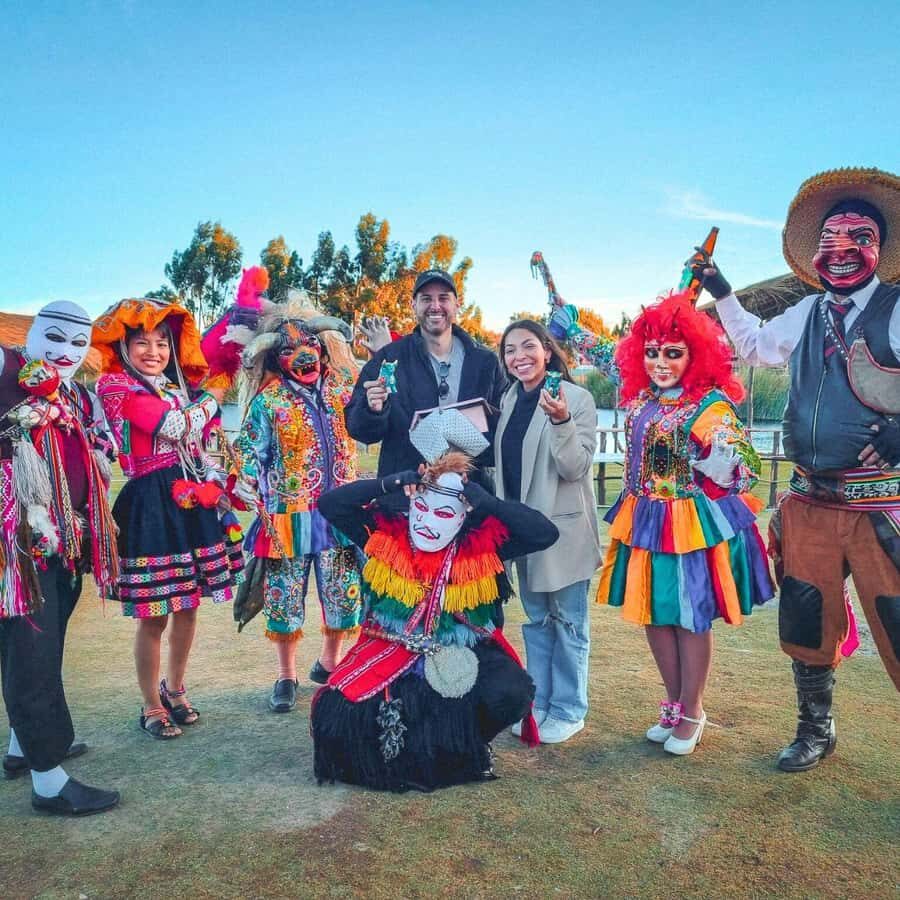
After the bus route and sightseeing stops, you’ll arrive at Huayllarccocha Lake. This is where the tour shifts from sightseeing to storytelling.
The plan calls out that staff will be waiting for you for a staging of Andean myths. In other words, you’ll watch a performance tied to local myth themes at a specific location rather than just listening to history on the move.
Why this is worth making space for: Cusco can be intense when it’s all ruins and explanations. A staging at Huayllarccocha adds emotion and narrative. You’re not just learning facts; you’re seeing how people translate stories into a living performance.
If you’re the sort of visitor who dislikes staged parts of tours, this is the point where you’ll feel the most difference. The tour’s energy is intentionally theatrical from the dance moments to this myths staging.
Restobar finale: Pisco Sour preparation demo
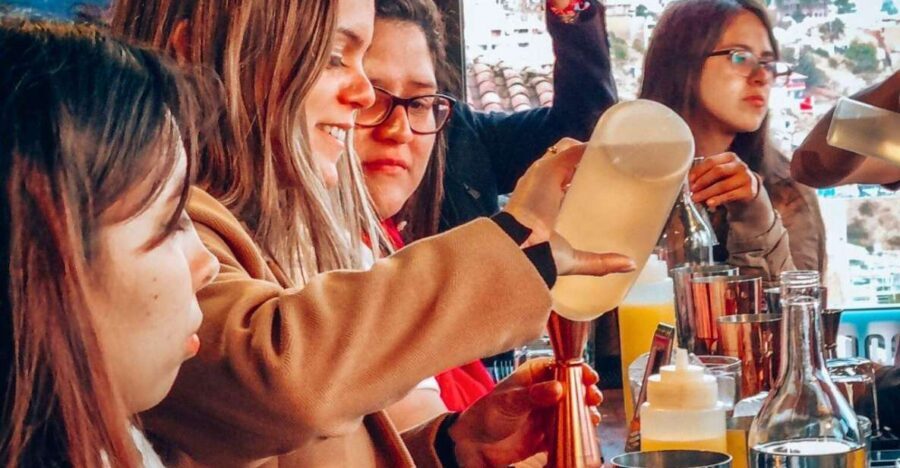
The tour ends with a stop at a restobar, where you’ll get a demonstration of the preparation of Pisco Sour.
This is a smart final activity because it ties the day together with something practical and food-and-drink related. Even if you don’t go deep into tasting (your ticket doesn’t mention meals), seeing the steps helps you take the flavor of Cusco back with you.
Two important notes from your rules sheet:
- Alcohol and drugs are not allowed
- Alcoholic drinks in the vehicle are not allowed
That doesn’t necessarily mean the demo won’t happen, but it does mean you should follow staff instructions carefully. If you’re hoping to sip during the ride, keep your expectations aligned with the tour rules.
Who this tour suits best in Cusco
This is a solid pick when you want a structured overview day that covers major sights without the headache of coordinating transport. It’s especially good on a day when you’re still adjusting to Cusco’s pace and altitude planning.
You’ll likely enjoy it most if you:
- want panoramic viewing instead of long entrance lines
- like guided storytelling in English or Spanish
- enjoy cultural performance elements like live dance and myths staging
- want to finish back at Plaza de Armas for dinner plans
You may want to skip it if you:
- need a wheelchair-accessible tour (this one isn’t suitable)
- dislike any staged performance format
- expect long time at each major ruin or inside major buildings (entrances aren’t included)
Tips to get more out of Bus 180 Cusco
These small moves can make a big difference on a 5-hour ride.
- Arrive early for the 13:50 boarding window at the main square area. Being late can mean missing the start of the day.
- Bring a light layer. Even in daytime Cusco, temperatures can shift fast as you move between areas.
- Have your camera ready for photo stops, but keep your posture safe. Quick stops mean less time for complicated setups.
- Stay respectful during the performance segments. They’re part of the experience, not filler.
- Since meals aren’t included, plan to eat before or after. The finale at the restobar is a demo-style stop, not a full meal package.
Should you book Bus 180 Cusco?
If you want a first-orientation day that mixes classic Cusco viewpoints with live cultural performance and a hands-on drink demo, I’d say this is a great match. The route is efficient, the guide support in English and Spanish helps you connect the dots, and the ending near Plaza de Armas makes it easy to keep your evening simple.
I’d hold off if you’re strongly anti-performance, need long interior time at ruins, or need wheelchair accessibility. This tour is built around panoramic viewing and staged storytelling, so it performs best when you buy into that style.
FAQ
What time does Bus 180 Cusco start?
The boarding time is listed as 13:50 PM.
Where do I meet for the tour?
The meeting point is the main square of Cusco (Plaza de Armas), with a listed start area of Pl. Haukaypata 195.
How long is the tour?
The duration is 5 hours.
What languages are the guides?
The professional guide is available in English and Spanish.
Is hotel pickup included?
No. Pick up hotel is not included.
Are entrances and meals included?
No. Entrances and meals are not included. Also, alcohol and drugs are not allowed, and alcoholic drinks in the vehicle are not allowed.