REVIEW · CUSCO
Cusco: 6-Day Andean Jewels Experience
Book on GetYourGuide →Operated by Inkayni Peru Tours · Bookable on GetYourGuide
Altitude first, wow later. This Cusco-area trip strings together big Inca hits—Sacred Valley, Machu Picchu, Humantay, and Rainbow Mountain—without making you wrangle the logistics. I really like the small-group pace (up to about 10 people) and I like that Machu Picchu is done with a guided in-depth tour that explains what you’re seeing. One drawback to plan for: the altitudes stack up fast, and the tour is not suitable if you have back problems or other pre-existing medical conditions.
You also get real hand-holding. An Inkayni Peru Tours representative meets you with a sign at the airport or bus terminal, then you’re picked up from your Cusco hotel for the daily drives.
The days are also early and active. If you’re the type who needs a slow wake-up and lots of downtime, the morning schedules for Machu Picchu and both hikes may feel like a lot—especially when Rainbow Mountain tops out around 16,466 ft / 5,020 m.
In This Review
- Key takeaways before you commit
- Cusco altitude: why this trip starts with breathing room
- Day 1 in Cusco: settling in and getting your legs back
- Day 2 Sacred Valley route: Chinchero textiles to Moray farming to Maras salt
- Chinchero (about 12,342 ft / 3,762 m): walls, church, and textiles
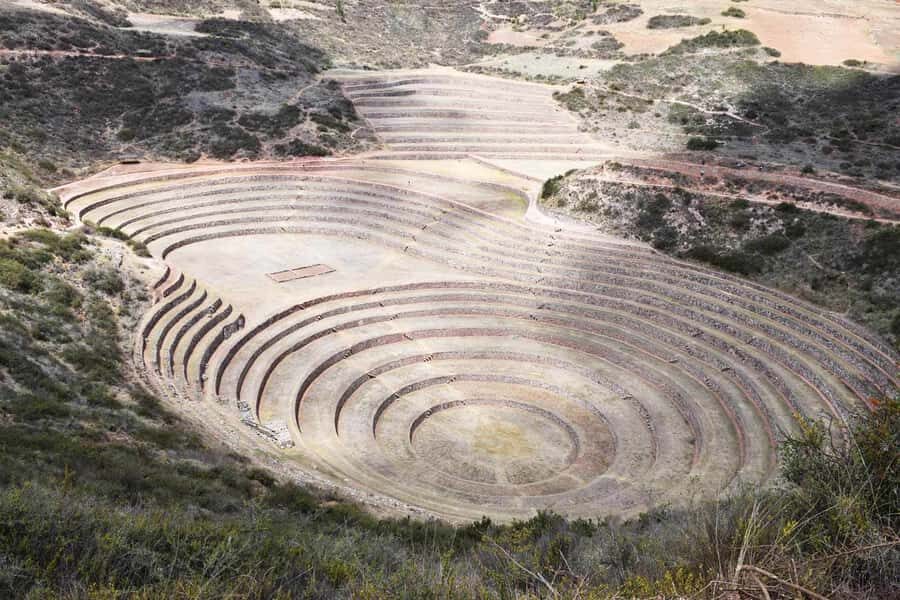
- Moray (about 11,500 ft / 3,500 m): circular terraces as agriculture experiments
- Maras (about 10,827 ft / 3,300 m): salt mines still working
- Day 3 Machu Picchu with a true guide: temples, terraces, and optional peaks
- The guided in-depth tour: why it feels different
- After the tour: return to Aguas Calientes
- Day 4 Humantay Lake hike: a serious climb, then turquoise payoff
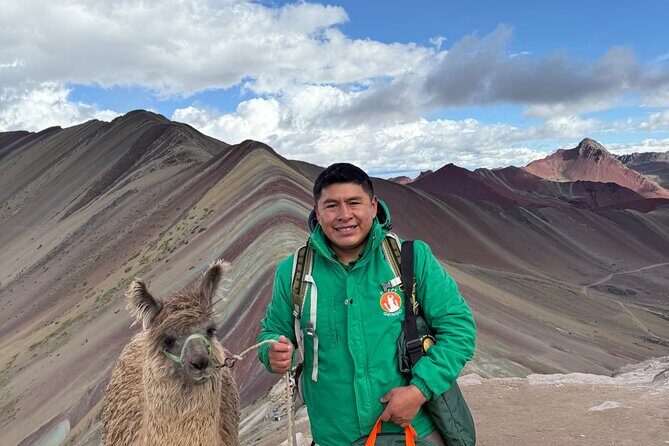
- Day 5 Rainbow Mountain: the altitude test you’ll remember
- Where the money goes: price and value for 6 days
- Comfort details that matter more than you think
- Who this trip is best for (and who should skip it)
- Final verdict: should you book Cusco’s Andean Jewels?
- FAQ
- How many days is the Cusco: 6-Day Andean Jewels Experience?
- What is the group size?
- What languages are available for the guide?
- Are Machu Picchu tickets included?
- Is Huayna Picchu included?
- What parts of the trip include meals?
- What transportation to Machu Picchu is included?
- Does the price include hotels?
- Do I need to bring cash?
- Is this tour suitable for wheelchair users or pregnant travelers?
Key takeaways before you commit
- Small-group feel (about 10 max): you get personal attention without the chaos of a large bus tour
- Guided Machu Picchu that teaches: you’re not just walking stairs; you get context for temples, ceremonial areas, terraces, and storage
- Altitude built into the itinerary: you arrive at high altitude first, then work your way upward
- Sacred Valley stops that show how people lived: textiles in Chinchero, farming tech at Moray, and salt harvesting at Maras
- Two iconic hikes with big payoff: Humantay Lagoon’s turquoise waters, plus Rainbow Mountain’s mineral color bands
Cusco altitude: why this trip starts with breathing room
Cusco is already a workout before you even leave town. Your arrival day hits about 11,152 ft / 3,399 m, which is high enough that many people feel it right away—headache, shortness of breath, slower thinking. The good news: this itinerary doesn’t rush you out the door. You transfer to your hotel (Ayni Cusco Hotel or similar) and spend the rest of the day acclimatizing at a gentle pace.
That matters because the next day isn’t low. Chinchero is around 12,342 ft / 3,762 m. If you tried to jump from the airport straight into Moray or the hikes, you’d probably spend more time recovering than sightseeing. Here, you get your bearings first, then you earn the views later.
Practical tip: in Cusco, go easy that first evening. Eat lightly, drink water, and keep your plans flexible. You don’t need to “beat altitude”—you need to respect it.
You can also read our reviews of more tours and experiences in Cusco
Day 1 in Cusco: settling in and getting your legs back
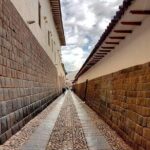
Your guide meets you on arrival and handles your transfer to the hotel. After that, you’re free to explore historic Cusco at your own speed. The trip is designed so you can wander colonial streets, get used to the hills, and test how your body reacts to the altitude.
If you’re picky about comfort, this matters: you’re not stuck on a packed schedule immediately after landing. You can wander, shop for small essentials, or just sit somewhere with a view and watch the city wake up.
Day 2 Sacred Valley route: Chinchero textiles to Moray farming to Maras salt
This is a long-but-smart day because it covers three very different pieces of Inca life, not just three scenic stops.
Chinchero (about 12,342 ft / 3,762 m): walls, church, and textiles
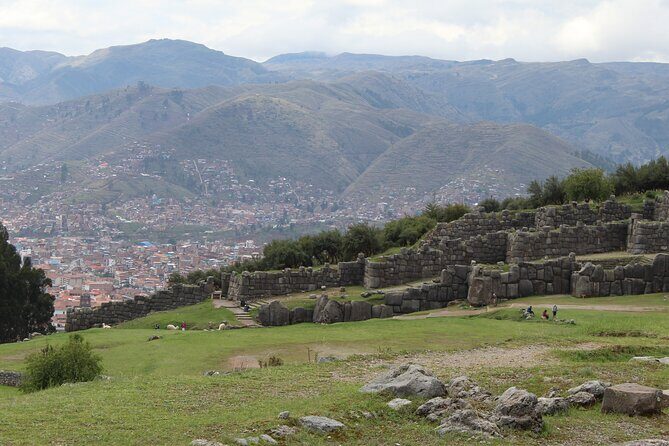
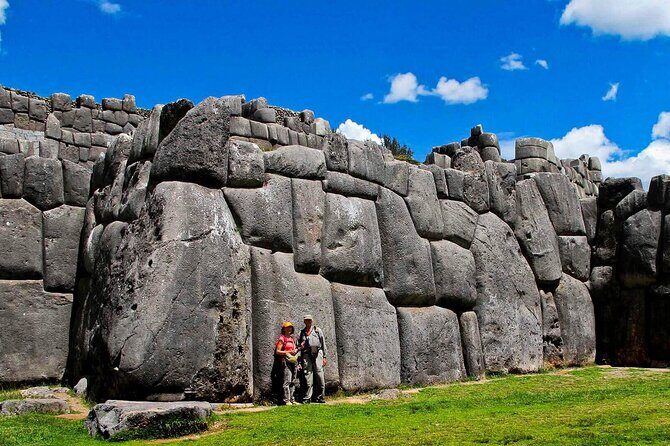
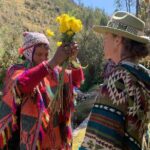
Chinchero is known for Inca masonry, a colonial church, and strong traditions tied to weaving. The practical value for you: it helps explain how Inca-era structures and everyday Andean culture overlap. You’re not seeing ruins in isolation—you’re seeing living traditions around them.
You’ll also feel the altitude more here. Going slow helps. The point is to look, listen, and let your guide explain the why behind what you’re seeing.
Moray (about 11,500 ft / 3,500 m): circular terraces as agriculture experiments
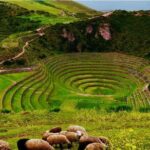
Moray is one of those places that’s easier to understand when someone tells you what the structures were for. The massive circular terraces are famous for showing how advanced Inca agriculture could be. Even if you don’t read every technical detail, you’ll come away with the big idea: they engineered conditions for crops by using microclimates created by terrace design.
It’s the kind of stop that turns sightseeing into understanding, which is exactly what you want before Machu Picchu.

Maras (about 10,827 ft / 3,300 m): salt mines still working
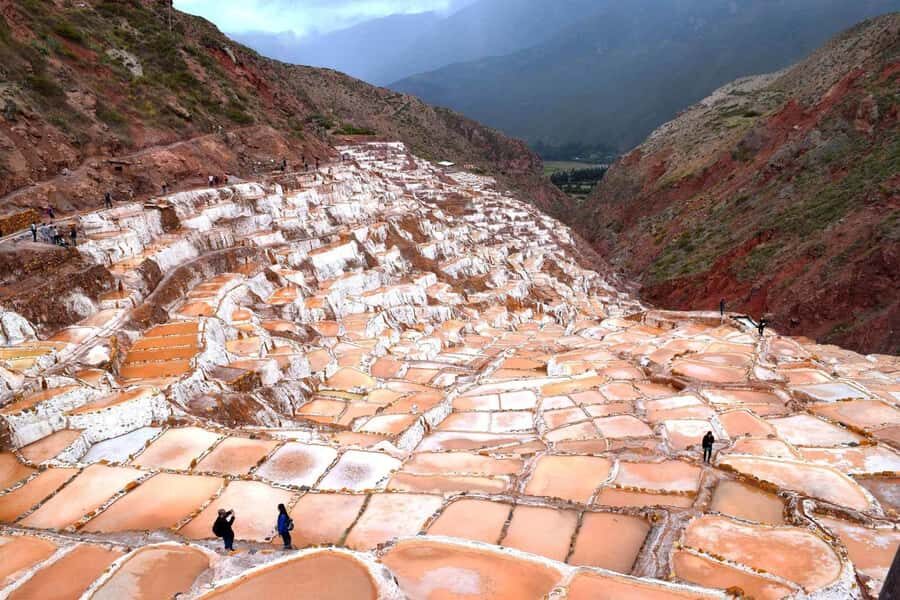
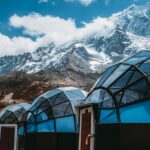
Maras salt mines are still harvested using ancestral methods, with more than 3,000 pools. This stop feels grounded and real. It’s not about dramatic scenery alone—it’s about how people have extracted resources here for generations.
After Maras, you’ll head to Ollantaytambo for the train to Aguas Calientes, with an overnight stay at Golden Sunrise Hotel or similar.
One planning note: this is the day you leave higher elevations and head toward Machu Picchu’s town base. You’ll likely feel the shift in air and energy. Roll with it.
Day 3 Machu Picchu with a true guide: temples, terraces, and optional peaks
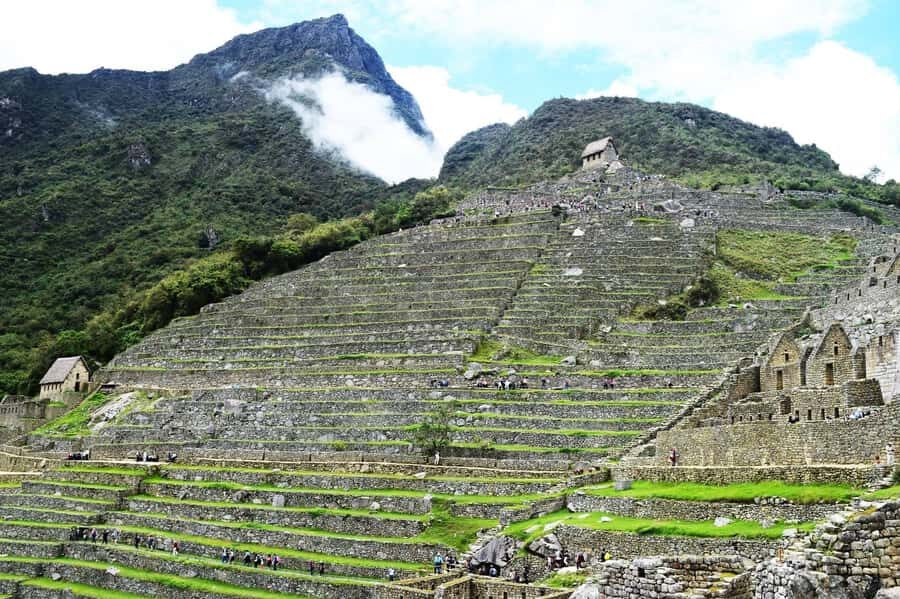
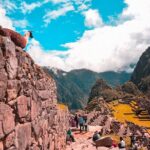
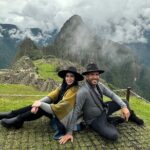
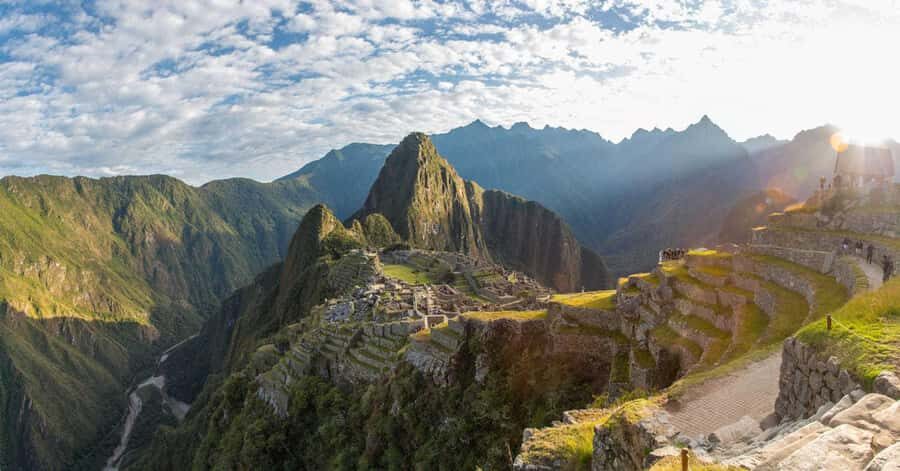
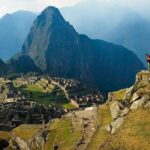
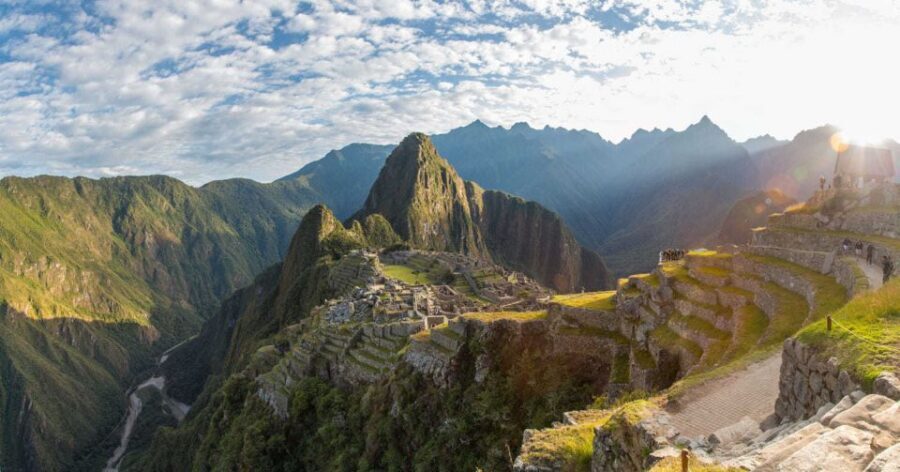
Machu Picchu works best when you don’t treat it like a checklist. This trip starts early with breakfast, then you take a morning bus to the citadel. The altitude drops to about 7,972 ft / 2,430 m at Machu Picchu, which feels like a mercy after the Sacred Valley.
The guided in-depth tour: why it feels different
When you enter, your professional guide leads you through the site with explanations of temples, ceremonial areas, terraces, and storage structures. That’s the difference between taking photos and actually understanding the place.
If you get a guide who’s calm and on top of logistics, it helps a lot with timing and comfort. One past traveler highlighted Ronald’s patience while guiding them through Machu Picchu, and another praised Percy for taking wonderful care of the group and handling details so they didn’t have to stress.
If you can get the optional peak tickets, this day also becomes a choose-your-own-adventure moment. Huayna Picchu is not included, but if you secured it in advance, you can add it. The alternative is Machu Picchu Mountain (also requiring an additional ticket in advance). Either option can mean bigger views over the sanctuary, with more effort.
After the tour: return to Aguas Calientes
Once the guided portion wraps, you go back to Aguas Calientes for a brief rest and lunch. Then you take the train back to Ollantaytambo, where a private van brings you to Cusco for an evening arrival and another hotel night at Ayni Cusco Hotel or similar.
This is a key day for pacing. You do a lot, but it’s structured: early entry, guided learning, then a controlled return. That makes it easier to enjoy the magic instead of just surviving it.
Day 4 Humantay Lake hike: a serious climb, then turquoise payoff
Day 4 starts early again. You head to Mollepata (about 9,515 ft / 2,900 m) for breakfast, then continue to Soraypampa (about 12,795 ft / 3,900 m), the hike start.
From there, you ascend through Andean scenery with chances to spot native birds and high-altitude flora along the way. You don’t need to be a hardcore hiker to appreciate it, but you do need to respect that you’re moving at high elevation.
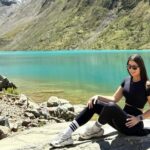
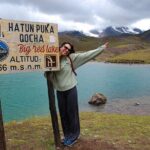
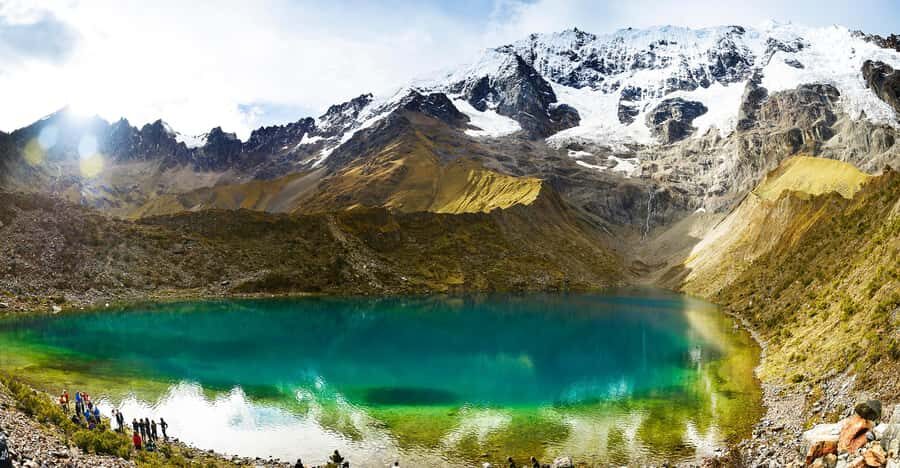
Humantay Lagoon sits around 13,780 ft / 4,200 m. The water’s striking turquoise color against the snowy peaks is the whole point. It’s one of those moments where the effort clicks, and your brain finally stops thinking about stairs.
After time to explore, you descend and return to Cusco.
Practical tip: bring rain gear. Conditions can change fast at altitude, and you’ll be happier if you’re prepared for clouds or a light drizzle.
Day 5 Rainbow Mountain: the altitude test you’ll remember
Rainbow Mountain is the day you feel most strongly that this is an Andean trip, not a casual day trip. You get picked up early, stop in Cusipata (about 10,499 ft / 3,200 m) for breakfast, and then travel to the trailhead.
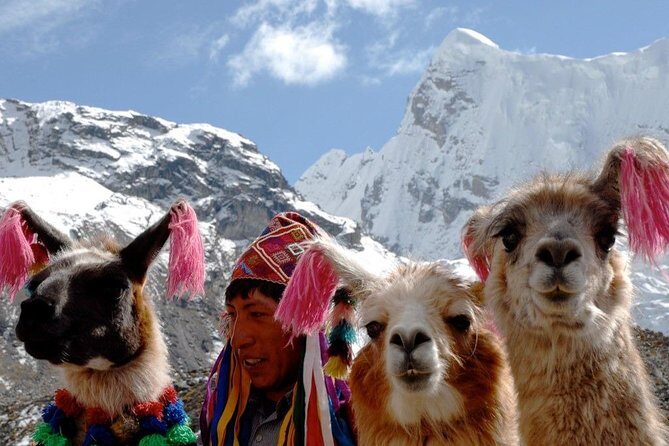
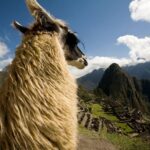
The trek offers panoramic mountain views plus wildlife sightings like alpacas and llamas, and even vicuñas (if you’re lucky and the conditions are right). You’ll also see hints of traditional Andean life along the route, which helps the scenery feel connected to real people—not just a postcard.
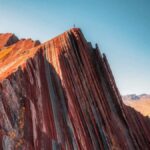
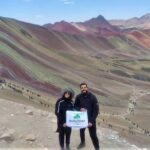
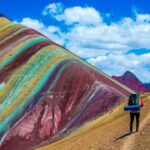
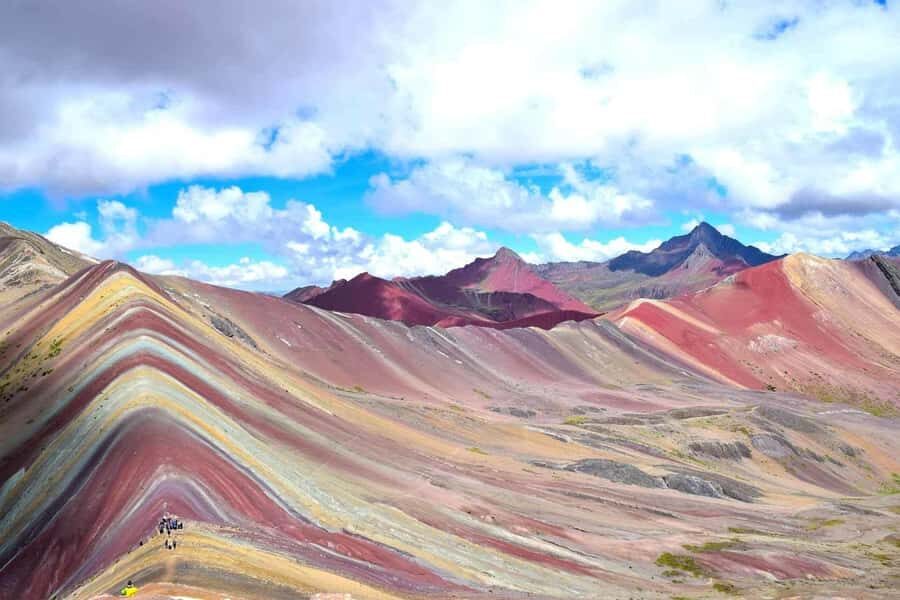
At the top (about 16,466 ft / 5,020 m), the payoff is the mineral coloring stretching across the mountain. This is one of those sights that doesn’t photograph the same way twice, so you’ll want a few minutes to watch how light changes the colors.
Then you head back to Cusipata for lunch and transfer to Cusco.
Reality check: this is the hardest day of the itinerary in altitude terms. Take it slow, drink water, and don’t burn energy early because you want to enjoy the summit moment.
Where the money goes: price and value for 6 days
At $1,318 per person for 6 days, this trip isn’t cheap—but it includes the expensive, time-consuming parts that usually blow up your budget when you plan on your own. You’re paying for:
- 5 nights of 3-star hotel stays (double occupancy)
- 5 breakfasts and 3 lunches (with lunch included on Machu Picchu day and Rainbow Mountain day)
- Round-trip train to Machu Picchu using Voyager (Inca Rail) or Expedition (Peru Rail)
- Bus to Machu Picchu, Machu Picchu entrance, and all entries for the visited sites
- A professional guide for all tours, plus audio guide in English and Spanish
- Pickup and transfers (including hotel pickup during the tour and airport/bus transfer at the start or end)
When you add it up, the value comes from reducing decision fatigue. You’re not chasing ticket windows, negotiating multiple transport legs, or trying to figure out how to sequence the hikes around acclimatization. That’s especially worth it if your time in Peru is limited to one short window.
Comfort details that matter more than you think
This is a small-group experience with a cap around 10 participants. That size is big enough to keep energy up, but small enough for your guide to manage pacing and check that people are doing okay at altitude.
Language options are English and Spanish, and you also get an audio guide. That’s useful at stops where written explanations don’t fit on the fly.
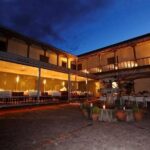
Hotel-wise, you’re in 3-star accommodations: Ayni Cusco Hotel (or similar) in Cusco and Golden Sunrise Hotel (or similar) in Aguas Calientes. In at least one case, a traveler reported staying at Monasterio de San Pedro, which suggests there can be variation depending on what’s available for your dates.
Who this trip is best for (and who should skip it)
This works best for you if:
- You want a guided circuit that hits the big-name sites in 6 days
- You prefer someone handling logistics like the train, the bus, and day-by-day timing
- You like learning what you’re looking at, not just collecting photos
I’d think twice if:
- You have back problems, are pregnant, use a wheelchair, or have pre-existing medical conditions
- You want a low-effort trip or lots of free time every day
- You’re extremely sensitive to altitude and can’t adapt to high-elevation hikes (Cusco starts high, Rainbow Mountain is higher)
Final verdict: should you book Cusco’s Andean Jewels?
If you want the classic Peru highlight run—Sacred Valley plus Machu Picchu—then add Humantay Lake and Rainbow Mountain, this itinerary is a strong fit. You get tight structure, professional guiding, and the kind of pacing that starts with acclimatization instead of jumping straight into the hardest day.
Book it if you like being guided, and you’re willing to respect altitude. Consider something else if you want a slow, independent trip or if your body can’t handle strenuous high-elevation days.
FAQ
How many days is the Cusco: 6-Day Andean Jewels Experience?
The tour lasts 6 days.
What is the group size?
It’s a small group limited to 10 participants. Another note indicates the group size is between 2 and 12 people.
What languages are available for the guide?
The guide provides tours in English and Spanish. An audio guide is also included in English and Spanish.
Are Machu Picchu tickets included?
Yes. Entrance to Machu Picchu is included, along with the bus to Machu Picchu.
Is Huayna Picchu included?
No. Huayna Picchu ticket is not included, and you would need to secure it in advance if you want to add it.
What parts of the trip include meals?
You get 5 breakfasts in hotels and 3 lunches. The itinerary specifically includes lunch on the Machu Picchu day and on the Rainbow Mountain day.
What transportation to Machu Picchu is included?
Round-trip train from Ollantaytambo to Aguas Calientes is included, along with the bus to Machu Picchu.
Does the price include hotels?
Yes. The package includes 5 nights in 3-star hotels based on double room occupancy.
Do I need to bring cash?
Yes, it’s recommended to bring local currency because some places do not accept credit cards.
Is this tour suitable for wheelchair users or pregnant travelers?
No. It is not suitable for wheelchair users or pregnant women, and it’s also not suitable for people with back problems or pre-existing medical conditions.