REVIEW · CUSCO
Cooking Class in Ollantaytambo
Book on Viator →Operated by Awamaki · Bookable on Viator
Dinner starts at the market.
This Ollantaytambo cooking class is a simple, real-life way to learn Peruvian flavors with Jenny and Ruth in the mix, then cook a full meal with help from an English-speaking guide. What I like most is the step-by-step flow from choosing ingredients to sitting down to dinner.
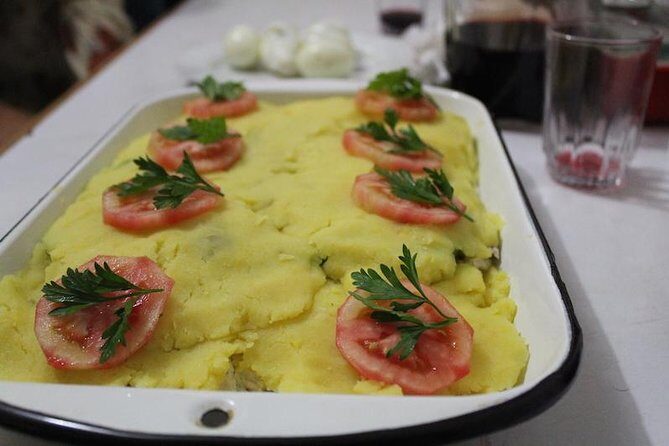
I also really like the food focus. You’re set up to make classics such as Causa (layered lemony potato with shredded chicken or avocado), plus either Rocoto Relleno (stuffed spicy pepper) or Papa a la Huancaina (potatoes with a cheese-pepper sauce), and you finish with Chicha Morada, a lightly sweet purple corn drink. It’s hands-on, not just watching.
One thing to consider: this is not a hotel-pickup tour. You’ll need to be at the meeting point in Ollantaytambo (La Esquinaplaza de armas) by 4:00 pm, and the activity ends back where you started.
In This Review
- Quick highlights to know
- A 4:00 pm cooking class that fits the Sacred Valley rhythm
- Meeting at La Esquinaplaza de armas: plan your arrival
- The ingredient hunt: shopping the market with a local
- Awamaki kitchen time: turning a checklist into dinner
- What you’ll cook: Causa, Rocoto Relleno, and/or Papa a la Huancaina
- Starter: Causa (layered, lemony comfort)
- Main choice: Rocoto Relleno or Papa a la Huancaina
- Dessert: Chicha Morada
- Refreshments: Limonada and Chicha Morada in the same evening
- What makes this class feel cultural (without getting preachy)
- English support that actually helps you cook
- Price and value: why $68 makes sense for a 3-hour dinner class
- Who should book this (and who might not)
- Should you book the Ollantaytambo cooking class?
- FAQ
- How long is the cooking class in Ollantaytambo?
- What time does the class start, and where does it meet?
- Is the class offered in English?
- What will we cook and eat?
- Does the price include dinner and ingredients?
- Is transportation to Ollantaytambo included from Cusco or Urubamba?
- How many people are in the group?
- Do you get a recipe book to take home?
- What’s the cancellation policy?
Quick highlights to know
- Market first: pick ingredients with a local before you cook
- Real dishes, not demo food: Causa, Rocoto Relleno, and Huancaina-style potatoes
- A warm home-style setup: cooking led by local hosts through Awamaki
- Drink + dessert included: Chicha Morada (and sometimes Limonada)
- Small group: maximum 6 travelers, so questions don’t get lost
- Take-home help: you get an online Peruvian recipe book
A 4:00 pm cooking class that fits the Sacred Valley rhythm
Starting at 4:00 pm is smart in Ollantaytambo. You avoid the early-morning rush and still get a full evening activity that doesn’t swallow your whole day. The class runs about 3 hours, which is a comfortable length for a hands-on meal without dragging into late-night time.
This timing also matches how people actually eat in this region: the market and kitchen work together, then the meal lands when you’re ready for it. It’s not a quick snack stop. It’s dinner, built from scratch.
You can also read our reviews of more cooking classes in Cusco
Meeting at La Esquinaplaza de armas: plan your arrival
You meet at La Esquinaplaza de armas, Ollantaytambo 08676, Peru, and the class ends back at the same meeting point. There’s no hotel pickup or train-station pickup mentioned, and transportation from other towns like Cusco or Urubamba isn’t included.
So here’s the practical move: get yourself to Ollantaytambo ahead of time and give yourself a buffer for finding the meeting plaza. Also, because it’s near public transportation, you can plan around buses or local options if that’s how you’re getting around.
The good news for logistics anxiety: you’re not expected to coordinate a pickup window with a van. You just show up in Ollantaytambo, meet your guide, and follow the plan.
The ingredient hunt: shopping the market with a local
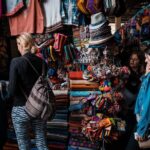
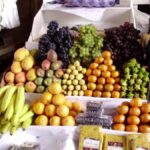
The first major stop is a market run. You head out with your guide and cooking teacher to pick ingredients for dinner, which is one of the best parts of the experience because it changes how you understand the meal.
Shopping for the ingredients matters more than it sounds. It’s where you learn what people actually look for when making dishes like Causa and stuffed pepper. You’ll also start learning the basics of typical flavors—spices, peppers, and starchy staples that show up again and again in Peruvian cooking.
Expect this market time to feel interactive. You’re not just walking around. You’re choosing what goes into your food, and that makes later steps easier because you already know what you brought back with you.
Awamaki kitchen time: turning a checklist into dinner
After the market, you head to the Awamaki office to cook. The structure is straightforward: your English-speaking guide/interpreter helps translate and keep things flowing, and your local cooking teacher brings the technique and the local context.
This is also where the experience becomes genuinely social. The class is set up for small groups (up to 6), so you get chances to ask questions and check in on what you’re doing while you’re doing it. That’s a big deal in cooking classes. In larger groups, you often lose the thread and end up waiting.
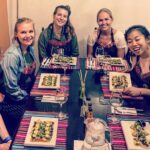
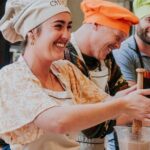
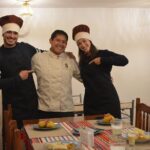
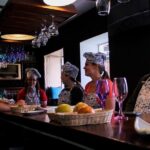
From the reviews, you may be welcomed in a home-style setting led by local hosts, including people like Tina or Irma. The key point for you: you’re not stuck in a sterile classroom. You’re learning in a place where real meals are part of real life.
What you’ll cook: Causa, Rocoto Relleno, and/or Papa a la Huancaina
You’ll prepare a full menu, and the dishes are chosen to show off two different sides of Peruvian comfort food: cold, creamy layered starters and warm, savory mains with serious personality.
You can also read our reviews of more tours and experiences in Cusco
Starter: Causa (layered, lemony comfort)
Causa is a cold starter made with a lemony potato mash layered with either shredded chicken or avocado and vegetables. You’ll learn how the texture and flavor come together—potato shaped into a base, then layered ingredients that bring color and body.
Why this is a great starter for a class: it’s forgiving and very teachable. Even if you’re not a confident cook, potato mash gives you something practical to practice right away.
Main choice: Rocoto Relleno or Papa a la Huancaina
You’ll cook one of these mains:
- Rocoto Relleno: a traditional rocoto hot pepper stuffed with seasoned meat or veggies and baked.
This is the spicy option. Rocoto peppers are known for heat, so if you’re cautious with spice, mentally note that you’re taking on something bold and hot.
- Papa a la Huancaina: traditional potatoes with a cheese-pepper sauce.
This one tends to feel more balanced and creamy, with pepper flavor built into the sauce instead of coming at you as a whole hot pepper.
The main difference for you is experience style. Rocoto Relleno is hands-on and pepper-focused. Papa a la Huancaina is sauce-and-potato focused. Either way, you’re cooking a dish that’s common enough to recognize when you see it later in Peru, not just something designed for tourists.
Dessert: Chicha Morada
Dessert is Chicha Morada, a lightly sweetened purple corn drink flavored with cinnamon, pineapple, and other typical notes. Even though it’s served as a drink, it functions like a dessert payoff: cool, sweet-leaning, and comforting after a hearty main.
Refreshments: Limonada and Chicha Morada in the same evening
Along the way, you’ll have a traditional refreshment included, such as Limonada or Chicha Morada. Even if you end up with one option rather than the other, the idea stays the same: you’re not just eating food, you’re practicing how a Peruvian meal feels from start to finish.
If you’re trying to understand Peru through taste, the drink part matters. Chicha Morada is a good example of how everyday ingredients like corn can become something sweet, fragrant, and festive.
What makes this class feel cultural (without getting preachy)
This isn’t a museum-style lesson. The cultural part comes through in three practical ways:
- You shop with a local first, so you learn the ingredients in context.
- You cook with local teachers and community partners like Jenny and Ruth, so technique comes with explanation.
- You eat together as part of the flow, which is where the conversation happens naturally.
The Awamaki angle is also important. The experience is tied to a mission in Andean communities, and you can feel that in the tone: friendly, accommodating, and focused on people rather than performance.
From the reviews, the hosts were especially warm and welcoming in the home setting. That warmth can make a big difference if you’re shy or unsure. You’re not thrown into a kitchen with strangers and left to guess.
English support that actually helps you cook
This class is offered in English, and it includes an English-speaking guide/interpreter. That sounds like a basic feature, but for cooking it’s the difference between understanding steps and just mimicking them.
I like the structure here: the guide helps with translation, while the cooking teacher leads technique. So you’re getting both sides—language support and kitchen instruction. If a multi-lingual guide operates the session, you’ll still have English support, which is what you need for names, steps, and ingredient explanations.
Price and value: why $68 makes sense for a 3-hour dinner class
At $68 per person for about 3 hours, this isn’t a bargain “snack class.” But it also isn’t just a paid recipe demo.
You’re getting:
- An English-speaking guide/interpreter
- A local cooking teacher
- All necessary ingredients
- Dinner as part of what you make
- An online recipe book afterward
That combination is the value. A normal paid dinner alone won’t usually teach you how Causa gets layered, how rocoto peppers are handled for stuffing, or how a cheese-pepper sauce changes with its ingredients. Here, you’re paying for hands-on learning plus the meal you eat.
Also, the class size is capped at 6 travelers. Smaller groups are less chaotic, and in cooking, that means more attention per person. That matters more than people think when you’re trying to learn.
Who should book this (and who might not)
This is a strong fit if you:
- Like food-focused travel
- Want something more meaningful than a standard restaurant dinner
- Enjoy hands-on activities with a small group
- Are curious about Peruvian staples like rocoto, potato dishes, and Chicha Morada
It may not be ideal if you:
- Need hotel pickup or a fully planned transport solution from Cusco/Urubamba
- Want a super flexible start time (it begins at 4:00 pm)
- Have zero tolerance for spicy food, since Rocoto Relleno is a hot pepper dish option
Should you book the Ollantaytambo cooking class?
If you’re in Ollantaytambo and you want a fun evening that teaches you real Peruvian cooking, this is an easy yes. The market-to-kitchen flow is what turns it from entertainment into learning. The menu choices—Causa, Rocoto Relleno or Papa a la Huancaina, plus Chicha Morada—are both classic and practical for recreating at home later.
Book it if you can handle the logistics of getting to La Esquinaplaza de armas by 4:00 pm. Skip it only if you strongly prefer a self-guided experience or you can’t make the evening timing work.
FAQ
How long is the cooking class in Ollantaytambo?
It lasts about 3 hours.
What time does the class start, and where does it meet?
It starts at 4:00 pm at La Esquinaplaza de armas, Ollantaytambo 08676, Peru, and it ends back at the meeting point.
Is the class offered in English?
Yes. The experience includes an English-speaking guide/interpreter, and it may be operated by a multi-lingual guide.
What will we cook and eat?
You’ll make a starter like Causa, a main such as Rocoto Relleno or Papa a la Huancaina, and you’ll have dessert and/or traditional refreshment like Chicha Morada (and possibly Limonada).
Does the price include dinner and ingredients?
Yes. The experience includes all necessary ingredients for cooking and dinner, plus an online recipe book.
Is transportation to Ollantaytambo included from Cusco or Urubamba?
No. Transportation to Ollantaytambo from other cities is not included, and there is no hotel pickup or train station pickup/dropoff.
How many people are in the group?
The maximum group size is 6 travelers.
Do you get a recipe book to take home?
You’ll receive an online recipe book.
What’s the cancellation policy?
You can cancel for free up to 24 hours before the experience’s start time for a full refund.