REVIEW · CUSCO
Excursion to Q’eswachaca Bridge – Tour Group
Book on Viator →Operated by MachuPicchu Journey · Bookable on Viator
That bridge makes you wake up fast. A full-day Cusco excursion to Q’eswachaca with Cuatro Lagunas and Pabellón Volcano, plus the Checacupe bridge stop on the way back, turns a long drive into real Andean variety. I especially like that the day includes breakfast and lunch, so you are not scrambling for food at altitude, and I also like the small-group size (max 15), which makes it easier to ask questions and move at a human pace.
The one drawback to plan around is timing and language. It starts with a 05:00 a.m. pickup, and depending on the group and guide, you may not get consistent English support. One booking reported a Spanish-only guide even though English was expected, so if language matters, confirm clearly when you book.
In This Review
- Key things that make this tour worth it
- 8–9 Hours, 5:00 a.m. Start: The day plan from Cusco
- Cuatro Lagunas and the Yanaoca pause: a slow breath before the bridge
- Pabellón Volcano near Yanaoca: short stop, clear purpose
- Q’eswachaca Rope Bridge: courage, ichu fiber, and community work
- A safety-minded note for comfort
- Checacupe on the way back: compare two bridge styles without rushing
- Meals, oxygen assistance, and small-group comfort at altitude
- English, guide style, and what happened with language expectations
- Price and value: Is $36 a good deal for Q’eswachaca?
- What to bring to enjoy the bridge day
- Who should book this Q’eswachaca rope bridge excursion?
- Should you book this tour?
- FAQ
- What time is pickup in Cusco?
- How long does the Q’eswachaca bridge tour take?
- What stops are included in the day?
- Are breakfast and lunch included?
- Is oxygen assistance provided?
- Is the tour entrance fee included?
- Is hotel pickup included?
- How big is the group?
- Is the tour offered in English?
Key things that make this tour worth it
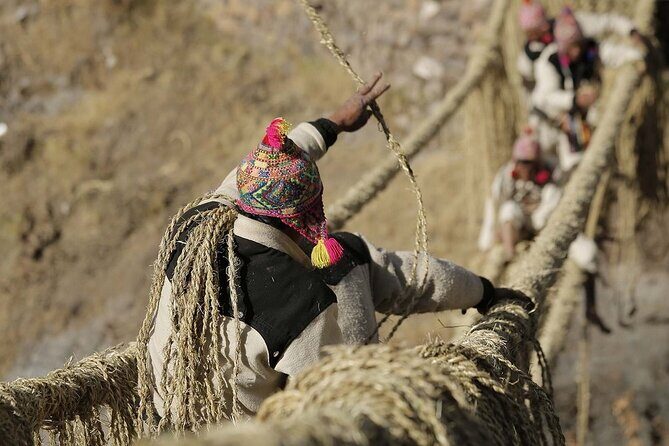
- Q’eswachaca crossing over the Apurímac River on an Inca-style bridge woven from ichu (vegetable fiber)
- Community bridge maintenance once a year, with an offering made before renovation to show respect to Pachamama
- Cuatro Lagunas stop near Yanaoca for a calm break and strong photo moments
- Pabellón Volcano visit (short, focused, and timed so you do not waste the whole day)
- Oxygen assistance included, which is a big deal if altitude hits you
- Roland-style guiding can be bilingual, but language consistency is something you should double-check
8–9 Hours, 5:00 a.m. Start: The day plan from Cusco
This is a true full-day excursion. You get picked up from your hotel at 05:00 a.m., then you’re in the car for about two hours before the first big nature stop: Cuatro Lagunas (Four Lagoons). The schedule is built around getting you out early enough to enjoy the bridge and sights without feeling like everything happens at dusk.
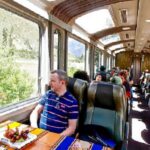
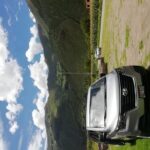
The transport matters here. You travel in a private air-conditioned vehicle with hotel pickup, which helps a lot when Cusco mornings are chilly and the road can be bumpy. Also, the day is designed to break up the longest stretches with stops—so you are not stuck in the car the entire time.
One more practical point: the tour runs about 8 to 9 hours, and it ends in Cusco around 5:00 p.m. That means it can replace a sightseeing evening plan back in town. If you like a relaxed night, plan for a quiet dinner after.
You can also read our reviews of more tours and experiences in Cusco.
Cuatro Lagunas and the Yanaoca pause: a slow breath before the bridge
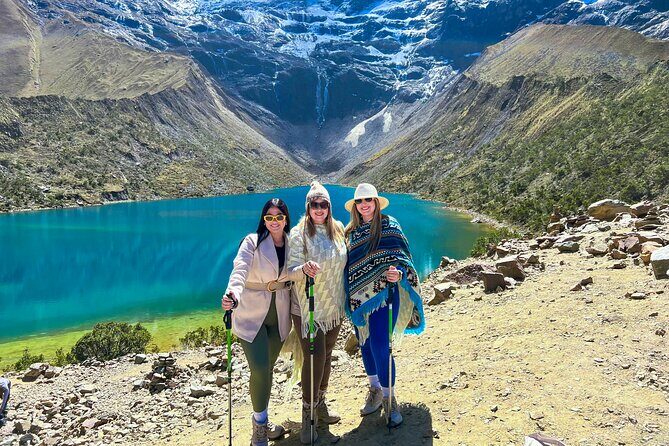
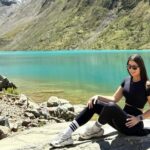
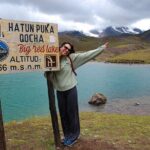
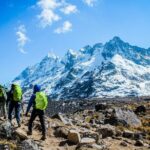
The first nature stop is Cuatro Lagunas, which is a calm detour from the highway that sets the tone for the day. You stop, get time to take photos, and just breathe. This matters because once you reach the bridge area, things get more intense and focused.
After that, you continue to Yanaoca, where you get a quiet moment near the lagoons—again, mostly photos and an unhurried look. Then you visit the nearby Pabellón Volcano area, but first you have that small reset. It is a good rhythm: sights, photos, a quick viewpoint moment, then the main event.
What to expect visually? The four-lagoon area is known for wildlife opportunities, and one guide highlight from the experience described included flamingos around the lagoon scenery. You should not plan your whole trip around seeing any one animal, but it is a nice possibility if conditions are right.
Practical tip: since this is early morning, dress for cold at first and warmer later. You’ll likely want layers you can put on and take off quickly.
Pabellón Volcano near Yanaoca: short stop, clear purpose
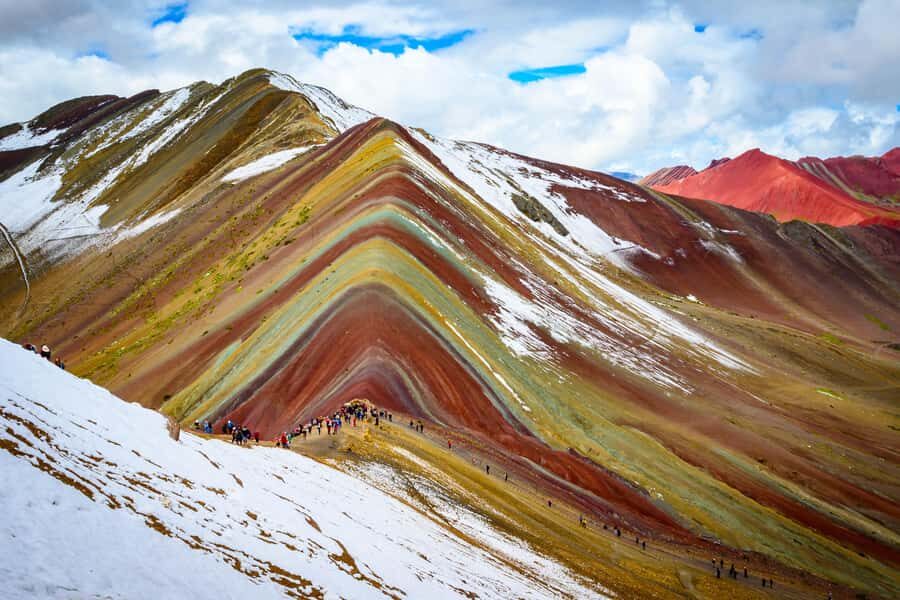
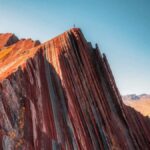
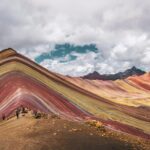
Pabellón Volcano is not a long hike stop. It’s listed as about 15 minutes, and the admission is marked as free for this portion. That short timing is good if you want the bridge day without turning it into an all-day trekking program.
You’re basically getting a viewpoint visit: a quick look, photos, and then moving on. If you are hoping for a long, guided volcano walk, this is probably not that kind of tour. But if your main goal is the Q’eswachaca experience, this stop works like a palate cleanser—change of scenery, quick wonder, then back to the plan.
Because this is a morning-to-afternoon schedule, keep your phone battery and camera memory in check. You’ll want both for the lagoon shots and then the bridge.
Q’eswachaca Rope Bridge: courage, ichu fiber, and community work
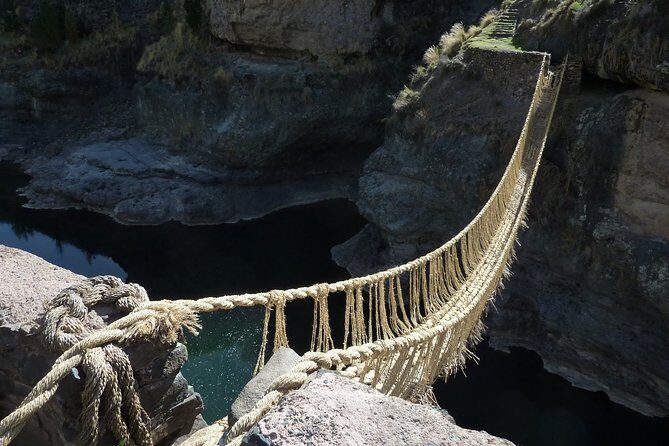
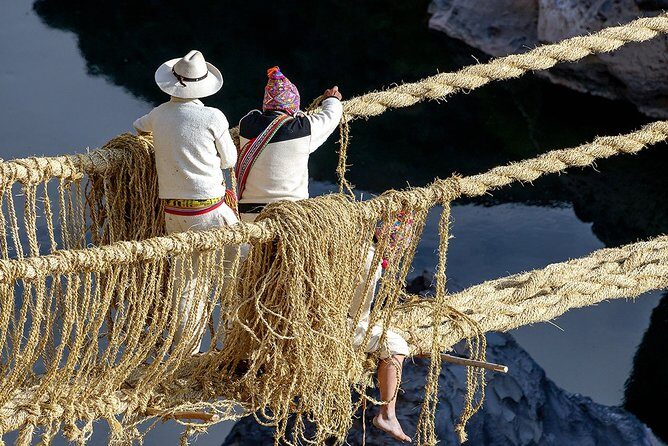
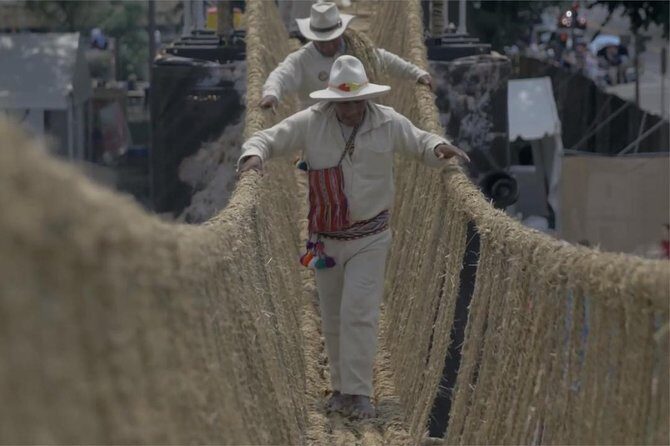
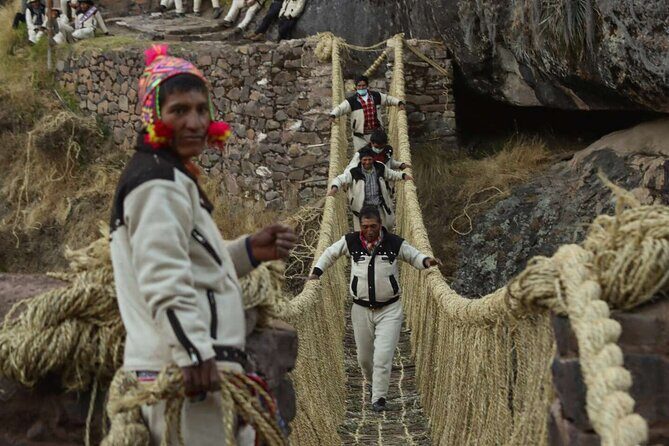
This is the reason to book. Q’eswachaca is the famous Inca-style rope bridge made from ichu (vegetable fiber), spanning the Apurímac River in the Quehue district. The tour has you continue by car to the bridge area, then you do the main crossing experience.
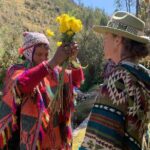
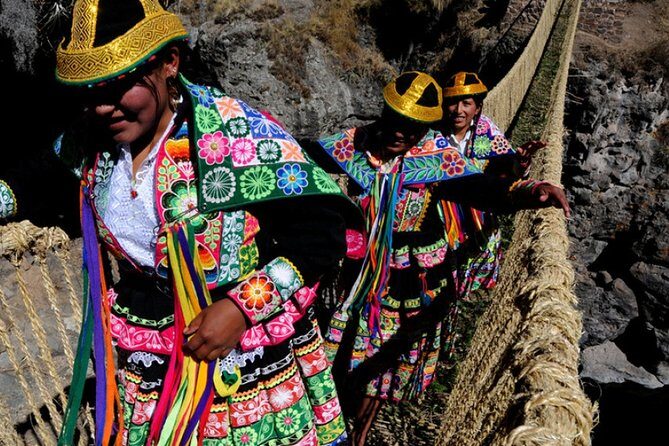
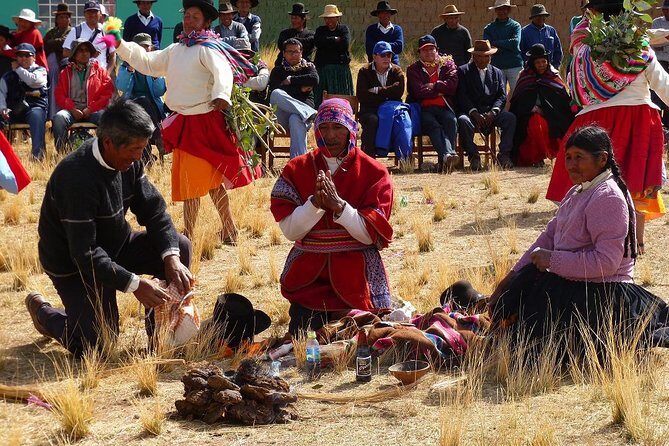
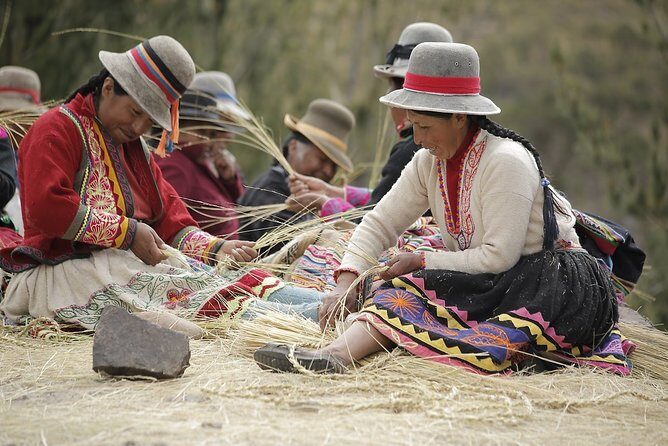
Here’s what makes it more than a photo stop: the bridge is not a one-and-done monument. The maintenance and renovation happen once a year by local communities. Before the annual renovation begins, an offering is given as a sign of respect and gratitude to Pachamama. That detail adds weight to what you are seeing. You are watching living tradition, not just a ruin.
Crossing the bridge takes courage, even if it looks simple from afar. The tour notes that it seems easy but actually takes bravery. I’d treat it as a controlled challenge rather than a thrill ride. Hold steady, keep your eyes focused, and move with intention—especially because you’ll be on a woven surface over a river.
Also, you have a chance to cross from both sides. Translation: you’ll be able to experience the bridge approach and then do the crossing in a way that feels more complete than a quick “one-time crossing and done” deal.
Photo opportunities are strong once you get into the canyon/bridge zone. If you bring a camera, this is the part you will want to linger on—just make sure you don’t get so stuck taking pictures that you slow down the group’s flow.
A safety-minded note for comfort
You are included in a guided day, and the tour also includes oxygen assistance if needed. That helps with altitude concerns. For the bridge itself, you still want to use your own judgment: wear sturdy shoes with grip and avoid rushing if you feel off-balance.

Checacupe on the way back: compare two bridge styles without rushing
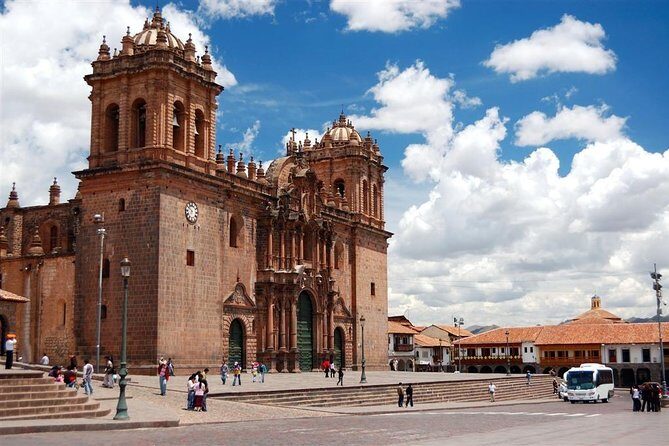
On the return to Cusco, you stop at Checacupe, where you visit an Inca colonial bridge. The point here is comparison. You can see differences between the bridges—so you end the day with more understanding than you started with.
This stop is listed as free admission, and it’s a nice way to add context after you’ve experienced the rope bridge firsthand. It also helps break up the drive back so the day doesn’t feel like a single uninterrupted push from Cusco to the main event.
The tour ends back in Cusco at about 5:00 p.m., so you’ll have enough time to decompress without getting stuck in a late-night travel slog.
Meals, oxygen assistance, and small-group comfort at altitude
The practical advantage of this tour is that it covers the hard-to-manage parts of a long day. You get breakfast and lunch included, plus a tour guide, and you travel in an air-conditioned vehicle. That combination can be surprisingly valuable in the Cusco area, where buying food quickly or managing long drives can turn stressful.
Then there’s the altitude factor. The tour explicitly includes oxygen assistance if needed. That is not a guarantee that you will not feel altitude at all, but it gives you a real safety net. If you know altitude can hit you, you’ll feel better having this built into the plan instead of hoping you can improvise later.
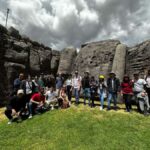
One more comfort detail: the tour is capped at 15 travelers. In practice, smaller groups usually mean fewer bottlenecks at viewpoints and more personal time with the guide—especially during explanation moments near the bridge.
English, guide style, and what happened with language expectations
Language can make or break a tour like this, because the bridge experience includes cultural details. The tour is offered in English, but real-world outcomes can vary.
A stand-out example from the experience notes: one guide named Roland provided interpretation in both Spanish and English for the entire group, and that bilingual approach came with stronger explanations of what you were seeing. Another note mentions help with altitude discomfort and even personal phone support, which signals how hands-on a guide can be when things go sideways.
Still, one booking reported a mismatch: they expected an English tour but were placed into a Spanish group, and the guide reportedly did not speak English. The result was a longer morning and more waiting, with translation help needed from other group members.
So here’s my advice. If you care about English, don’t assume it will be perfect. When you book, confirm that your departure is actually running with an English-speaking guide or that interpretation will be provided. If you want to play it safe, consider bringing a translation app and a few basic Spanish phrases for smooth communication.
Price and value: Is $36 a good deal for Q’eswachaca?
At $36 per person, this tour can be a strong value—mostly because it bundles the things that cost money and time on your own.
What you’re getting included:
- Hotel pickup and a private air-conditioned vehicle
- Tour guide
- Breakfast and lunch
- Oxygen assistance
- A group limit of 15
What’s not included:
- Entrance tickets: the bridge portion is listed as not included, while some other stops are marked free
One experience tip was to bring extra cash for potential entry fees. The suggestion was 25 soles for volcano and bridge portions. Since parts are marked free, you might end up paying less, but I’d still carry some soles so you’re not stuck at the entrance with no way to pay.
Where $36 might not feel like a deal:
- If the tour ends up not matching your language expectations and you mainly wanted detailed English storytelling
- If you really dislike early starts and long travel days
- If you want a longer volcano hike or extra time at the lagoons beyond photos and quick viewpoints
But if your priorities are convenience, meals, transport, and the bridge crossing experience, $36 is the kind of price that makes it easier to say yes.
What to bring to enjoy the bridge day
This tour is mostly about comfort and preparedness. The schedule starts before sunrise and then moves into bright open-air viewpoints.
Bring:
- Layers for early morning cold and later-day warmth
- Sturdy shoes with grip for bridge crossing area surfaces
- Sunscreen and a hat (you’ll be outside a lot)
- Cash in soles just in case any entrance fees come up, since the bridge portion is not included
- A charged phone and camera
- Water if you tend to get dry at altitude (lunch is included, but mornings can be long)
If you know altitude hits you, take it slow and listen to your body. This is one of those days where rushing is the wrong move.
Who should book this Q’eswachaca rope bridge excursion?
This tour fits best if you:
- Want the famous Q’eswachaca rope bridge experience without planning a complicated day yourself
- Like a mix of nature (lagoons), viewpoints (Pabellón), and culture (bridge traditions)
- Appreciate that meals are covered and the transport is comfortable
- Prefer a smaller group (max 15) where you can ask questions without being lost in a crowd
You might skip it if:
- You need guaranteed English interpretation and do not want any chance of language mismatch
- You hate early starts and long drive days
- You want long hiking time at volcano or a slow, independent exploration style
Should you book this tour?
I’d book it if your main goal is a well-supported day to Q’eswachaca with the convenience of pickup, meals, and oxygen assistance, plus the cultural angle of how the bridge is maintained by local communities. The rope crossing is the headline, and the Cuatro Lagunas + Pabellón Volcano + Checacupe stops give the day enough variety to feel worth it.
I would not book blindly if English clarity is your top priority. Do a quick confirmation when you book, and have a backup plan (translation app) just in case. And do bring some cash in soles, even if you see free labels on parts of the itinerary.
If you’re flexible and ready for a full day, this is a practical way to see the bridge and the surrounding Andean scenery without turning your trip into logistics work.
FAQ
What time is pickup in Cusco?
You get picked up from your hotel at 05:00 a.m.
How long does the Q’eswachaca bridge tour take?
The tour runs about 8 to 9 hours.
What stops are included in the day?
You visit Cuatro Lagunas, Yanaoca (including Pabellón Volcano nearby), the Q’eswachaca Rope Bridge, and Checacupe on the way back to Cusco.
Are breakfast and lunch included?
Yes. Breakfast and lunch are included.
Is oxygen assistance provided?
Yes. Oxygen assistance is included if needed.
Is the tour entrance fee included?
Entrance fees are not included in the main bridge portion. Some stops are marked as free, like the Pabellón Volcano area near Yanaoca and the Checacupe bridge.
Is hotel pickup included?
Yes, pickup from your hotel is included.
How big is the group?
The tour has a maximum of 15 travelers.
Is the tour offered in English?
English is listed as available, but language support can vary by guide and group. If English is important to you, confirm details when booking.