REVIEW · CUSCO
City Tour in Cusco Half Day
Book on Viator →Operated by Mega Expeditions · Bookable on Viator
Cusco can feel like a maze at first. This half-day tour gives you a tight route through Inca landmarks with comfortable, all-included transport and real context for what you’re seeing. You’ll hit five major sites without spending your day figuring out logistics.
What I like most is the small-group feel. It keeps the pace human and makes it easier to ask questions. I also love the guide-led storytelling: you get a clear overview of Incan history as you move from place to place, and the guides highlighted in past tours include bilingual Jose and Marcos, with at least one female guide who did strong explanations.
One thing to consider: entrance fees aren’t included. You’ll pay on the spot in local currency (soles) for admission, and that can add cost on top of the $29 price.
In This Review
- Key things to know before you go
- Meeting at Cusco Cathedral: where the loop begins
- The $29 price and what you must budget for
- Qorikancha and Santa Domingo: Temple of the Sun plus colonial layers
- Sacsayhuaman: megaliths, engineering, and big views
- Q’enqo: sacred carvings you can’t fully ignore
- Puka Pukara: walls with authority and control
- Tambomach’ay: the water temple farewell
- The guide experience: bilingual stories that make the stones speak
- Transport, comfort, and the pace of a 5 to 6 hour day
- Optional textile stop: a local detour if your schedule allows
- Who this tour is for (and who should skip it)
- Should you book this Cusco half-day city tour?
- FAQ
- What time does the tour start?
- Where do we meet?
- How long is the tour?
- How many stops are included?
- Is the entrance fee included in the $29 price?
- How much are the entrance fees?
- What’s included with the tour?
- What’s the maximum group size?
- Can I cancel for a full refund?
- Are service animals allowed?
Key things to know before you go
- Five sites, one half-day loop so you see more than the usual Cusco highlights
- Small group up to 15 for easier conversation and a less hectic pace
- Comfortable transportation around town so you’re not timing buses or taxis
- Bilingual guides who connect the stones to Incan history as you walk
- Safety kit included with first aid equipment and oxygen
- Some tours add a local textile stop depending on timing and flow
Meeting at Cusco Cathedral: where the loop begins
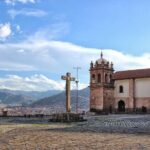
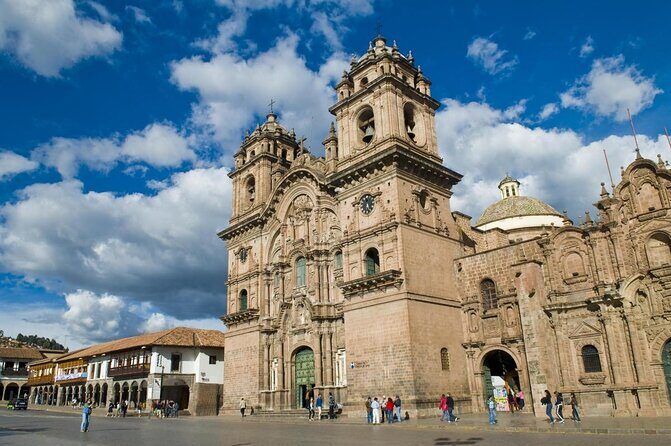
Your day starts at the Cusco Cathedral area, at Cusco Cathedral F2MC+85M, with two possible departure times: 9am or 1pm. You’ll meet right in front of the clock tower area, then return back to the same meeting point when the tour ends.
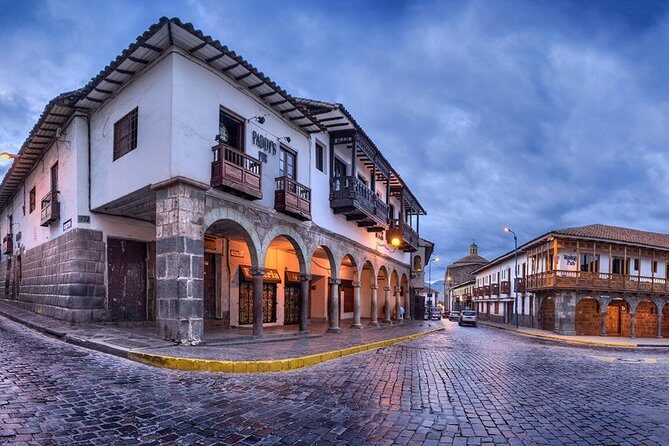
This matters more than it sounds. Cusco’s streets can be tricky for first-timers, especially when you’re adjusting to altitude and cobblestones. Starting at a central landmark makes it simple: you know exactly where to be, and you avoid that awkward moment of wandering looking for a meeting point.
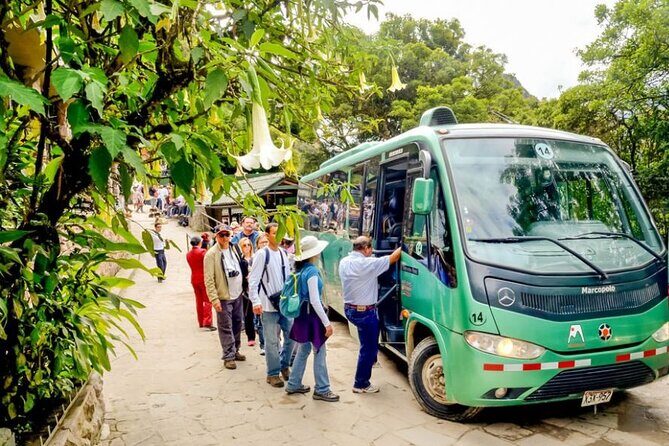
You also get transportation around Cusco as part of the experience, which helps you stay focused on the sites instead of the route. Expect a steady rhythm: short introductions, site time, then vehicle transfers as you work through the Inca ring around Cusco.
You can also read our reviews of more city tours in Cusco
The $29 price and what you must budget for
At $29 per person, this tour is priced like a practical “see the big stuff” day, not a premium bespoke experience. The value comes from what’s included: a professional bilingual guide, a tour briefing, first aid equipment and oxygen, plus transportation for the whole loop.
But plan for admissions. Entrance fees aren’t included, and the note you’ll want to follow is straightforward: tickets can be paid at the spot in soles, listed as $30 per person. That means your real all-in cost is closer to your tour price plus that admission budget.
There’s also an easy-to-miss detail inside the first stop: at Qorikancha, the main cathedral visit is optional. The tour itself doesn’t add an extra charge, but you’ll still need to pay the entrance fee if you choose to go in. If you’re cost-conscious, this is exactly where you decide how much time and money you want to spend inside.
Qorikancha and Santa Domingo: Temple of the Sun plus colonial layers
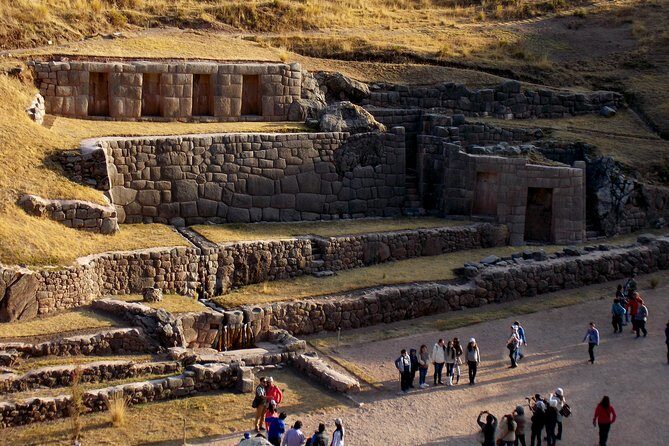
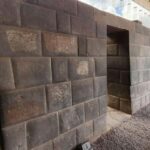
The tour begins with Qorikancha, often referred to as the Temple of the Sun. You’ll start with the Inca architecture first, then the stop flows into the Principal cathedra (optional) and continues onward to the Convent of Santa Domingo.
What makes Qorikancha special is how it compresses multiple chapters of Cusco into one area. You’re not just looking at a pile of old stones. You’re seeing how sacred Inca space later became tied into Spanish-era religious buildings, and that contrast helps you understand why Cusco’s story is rarely one-dimensional.
For your visit, focus on three things:
- Look at the way the stonework was built and fitted.
- Notice how the sacred space changes as you move into cathedral and convent structures.
- Use your guide to connect what you’re seeing to Incan beliefs—this is where the tour’s “Incan history overview” becomes useful.
One small drawback: Qorikancha can be busy. The upside of going with a guide is you don’t waste time trying to interpret what you’re looking at. You also get clearer direction on what’s worth your attention.
Plan to spend about an hour here. That’s enough to get oriented, take photos, and absorb the explanation without feeling rushed out the door.
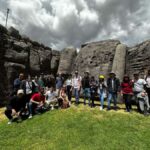
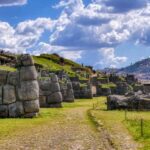
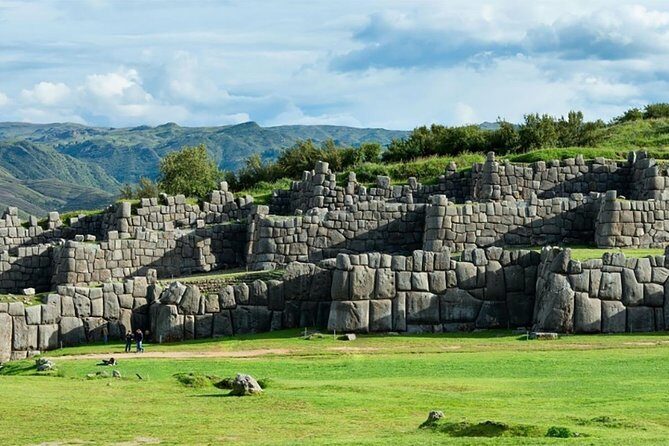
Sacsayhuaman: megaliths, engineering, and big views
Next up is Sacsayhuaman, a high-impact site built in a megalithic Inca style. The description for this stop leans on the scale and precision: massive stones, and a sense that only gods could have managed such perfection.
This is one of those places where a guide truly earns their money. The stones don’t explain themselves. You need context for what the layout meant, why the building style was so different from what most visitors expect, and what it might have represented in Inca power and ritual life.
Here’s how I suggest you approach it:
- Start by looking for patterns in the stone arrangement.
- Let your guide explain how the architecture relates to Incan authority.
- If you’re feeling up for it, take a moment at viewpoints for a wider look toward Cusco.
The tour gives you about an hour. That’s a realistic amount for Sacsayhuaman because you’ll likely cover uneven ground and want breaks. If you rush it, you miss the point of why the place is so famous.
Q’enqo: sacred carvings you can’t fully ignore
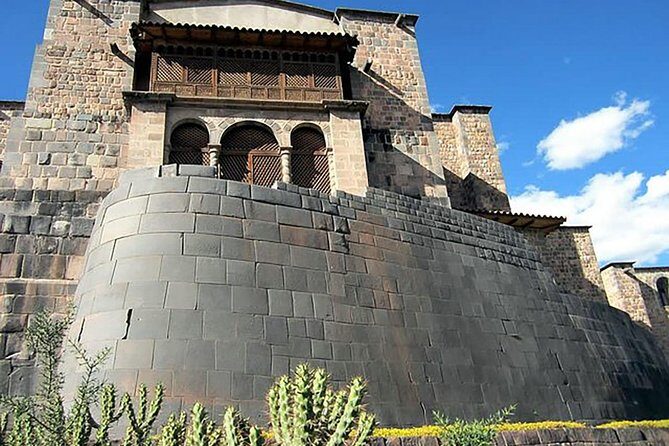
Then you’ll head to the Q’enco archaeological complex, also described as a holy place with sacred carvings. The carvings are meant to mystify, but the whole idea is that ancient Andeans understood their meaning.
This is your chance to slow down just a little. Q’enco is less about huge structures and more about the details. If you walk past carvings without reading them (or hearing the explanation), the site can feel like “more stones” instead of a meaningful stop.
What helps most here is your guide’s narration. The tour is designed to connect the sites, so you can start thinking of Q’enco as part of a bigger Inca worldview: ritual spaces, sacred geometry, and how stone becomes a message.
You’ll have about an hour. Use it to look carefully at what’s carved and ask questions if something doesn’t make sense. Even if you don’t leave with total certainty, you’ll leave with understanding of what to look for next time you visit Inca sites on your own.




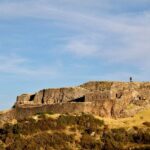
Puka Pukara: walls with authority and control
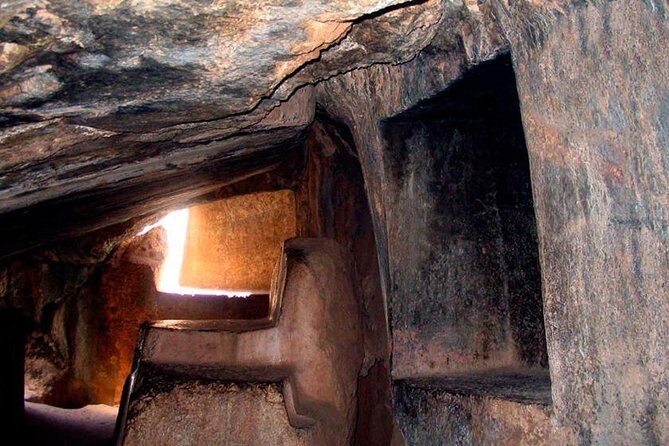
After Q’enco, you’ll visit Puka Pukara, described as a complex with walls and unique designs tied to authority and control. The point of this stop is to show a different face of Incan architecture: not only sacred ritual spaces, but also the structure of power.
This is where I like having a guide again. Puka Pukara can look simpler than the headline sites, but the tour frames it in a way that makes you look for intent. You’re not just seeing walls. You’re seeing how design could communicate influence over a region.
Since you’ll spend around an hour, you can do two things well:
- Take time to observe the patterns and design elements in the walls.
- Listen for how your guide connects this site to the broader Inca story you started at Qorikancha.
If you like “why this was built this way” questions, this stop will land.
Tambomach’ay: the water temple farewell
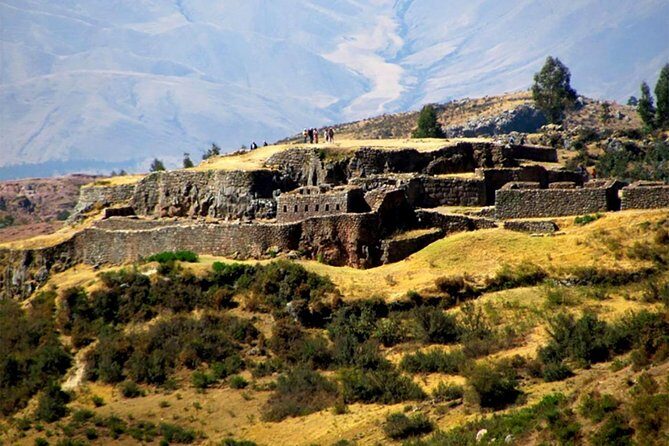
Finally, the tour reaches Tambomach’ay, a temple dedicated to water. You’ll visit the sources of crystal-clear water, ending with a majestic farewell back toward Cusco city.
A water-focused ending is smart. It gives your brain a break from carvings and stonework after a loop full of architecture. It also rounds out the Inca story because water was not a side note. It was central to how people lived, prayed, and organized their landscape.
Here’s what to do at the end:
- Slow your pace. The last stop is when people tend to start rushing because they want to get back.
- Watch the water sources and take in how the site feels compared to the stone-heavy stops before it.
- Use your guide’s wrap-up to connect the loop into a single narrative rather than five separate stops.
You get about an hour here too, which is enough to appreciate the setting without feeling stuck.
The guide experience: bilingual stories that make the stones speak
The biggest recurring strength is how the experience turns ruins into a guided story. In the past, the tours have highlighted guides such as Jose and Marcos, and one tour also mentioned a female guide who explained the archaeology in a way that made the stops click.
Even if the exact guide you get isn’t named in those examples, the structure is consistent: professional bilingual guidance and a plan that builds from one site to the next. That sequence helps you understand the “Incan history overview” the tour promises, instead of leaving you with photos and no context.
To get the most out of your guide, come with one question. For example: which part of Inca life are you seeing here—ritual, power, engineering, or community? Asking that once can guide your listening at every stop.
Transport, comfort, and the pace of a 5 to 6 hour day
The tour lasts about 5 to 6 hours, and the structure is built around easy transfers. All-inclusive transportation around Cusco means you’re not losing time in lines or negotiating rides.
It’s also a relief that the group is capped at 15 travelers. That keeps the tour from turning into a race. You still move, but it feels like a guided walk with scheduled viewing time, not a factory line.
One more practical plus: the tour includes first aid equipment and oxygen. You hope you won’t need it, but having that support onboard is a confidence booster—especially on a day of walking and stairs.
Optional textile stop: a local detour if your schedule allows
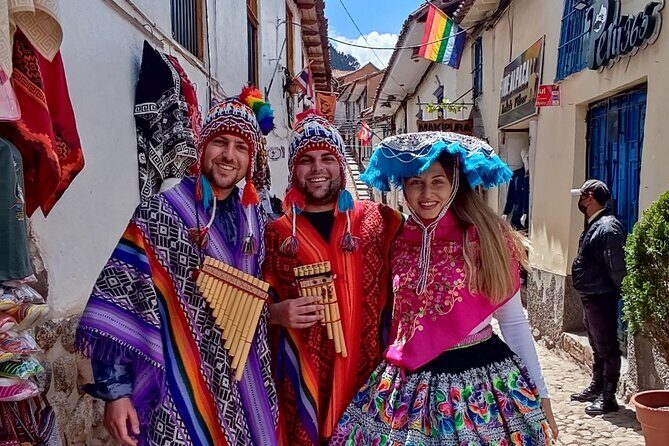
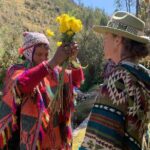
One nice bonus that shows up in at least one version of this experience is an added visit to a Peruvian textile place. The feedback tied to this detour focused on friendly people and interesting design.
This is one of those “sometimes it happens” extras. If you’re the kind of person who likes to understand Andean crafts while you’re in the region, it can add a warm, human layer to a tour that starts and ends with stones and water.
If you’d rather keep it strictly archaeological, you can also treat it as optional flavor rather than the main event.
Who this tour is for (and who should skip it)
This tour is a strong fit if:
- You’re short on time and want five archaeological sites in one day.
- You want guided context for Incan history, not just a sightseeing checklist.
- You like small groups and comfortable transportation between stops.
- You appreciate a structured route with a bilingual guide.
You might want to look elsewhere if:
- You hate paying entrance fees on top of the tour price.
- You prefer slower, longer visits at fewer sites.
- You want a free-form exploration day with no set stops.
Should you book this Cusco half-day city tour?
I’d book it if you want a smart, efficient Cusco loop that’s built for first-timers and history lovers. The combination of small-group pacing, a bilingual guide, and a route that links Qorikancha, Sacsayhuaman, Q’enco, Puka Pukara, and Tambomach’ay is the kind of value that holds up on a busy travel schedule.
Just go in with two expectations: plan your budget for the on-the-spot entrance fees (about $30 per person as listed), and be ready for a steady pace across five sites in 5 to 6 hours.
If that sounds like your style, this is a very practical way to get your bearings fast in Cusco’s Inca ring.
FAQ
What time does the tour start?
The tour meets at 9am or 1pm.
Where do we meet?
You meet at the Cusco Cathedral area (F2MC+85M) in front of the clock tower.
How long is the tour?
It runs for about 5 to 6 hours.
How many stops are included?
You visit five archaeological sites: Qorikancha, Sacsayhuaman, Q’enco, Puka Pukara, and Tambomach’ay.
Is the entrance fee included in the $29 price?
No. Entrance fees are not included, and you pay at the spot.
How much are the entrance fees?
The information provided lists entrance tickets as $30 per person, paid in soles at the location.
What’s included with the tour?
Included are a tour briefing, first aid equipment and oxygen, a professional bilingual guide, and transportation around Cusco.
What’s the maximum group size?
The tour has a maximum of 15 travelers.
Can I cancel for a full refund?
Yes. You can cancel up to 24 hours in advance for a full refund.
Are service animals allowed?
Yes. Service animals are allowed.