REVIEW · CUSCO
Full day tour of Sacsayhuaman,Q’enQo, Puka Pukara, and Sacred Valley Tour
Book on Viator →Operated by Inti Sun Trek · Bookable on Viator
Cusco in one long day starts with stone giants. This full-day tour strings together the big Inca sites around Cusco and the Sacred Valley so you can go from viewpoint to ruins without planning a thing. I like the 7 a.m. pickup that keeps the day moving, and I also like the hands-on guide time so each stop feels explained, not rushed.
My favorite part is how the route mixes different styles of Inca building: huge cut-stone terraces at Sacsayhuaman, underground mystery spaces at Q’enqo, and water-and-terrace engineering at Tambomachay. The small group size (max 12) also makes it easier to ask questions and get answers on the spot.
The main drawback to think about is simple: it’s a 12-hour day at altitude with multiple archaeological sites, and most entrances depend on getting the right ticket first.
In This Review
- Key points at a glance
- Why This 12-Hour Cusco and Sacred Valley Route Works
- Entering The Stone Giants of Sacsayhuaman
- Q’enqo and Puka Pucara: Caves, Symbolism, and Practical Stops
- Tambomachay’s Water Engineering at High Altitude
- Pisac Ruins: The One Stop That Might Make You Want Extra Nights
- Ollantaytambo: More Than a Transit Stop
- Chinchero Weaving Co-op: A Cultural Stop With Real Skill
- Price and Tickets: What You Really Pay for a $180 Day
- Timing and Logistics: 7 a.m. Pickup and a Long Walking Day
- The Guide and Driver Factor: When It Feels Like a Real Day Trip
- Who Should Book This Tour (and Who Might Skip It)
- Should You Book This Inti Sun Trek Day Tour?
- FAQ
- What time does the tour start and where do I meet?
- How long is the tour?
- What is the price of the tour?
- Do I need tickets for the archaeological sites?
- Is lunch included?
- Which places are included in the day?
- How many people are on the tour?
- What should I wear?
Key points at a glance
- English-speaking, professional guide: you’ll get explanation and time to ask questions at each stop
- Tight schedule without feeling like a sprint: about 40 minutes of guided time per main stop, plus extra walking
- Sacsayhuaman plus the Sacred Valley classics: Pisac and Ollantaytambo are built into the same day
- Weaving stop at Chinchero: a practical cultural add-on with free demonstrations
- A Cusco Tourist Ticket is central: plan for the Boleto Turístico cost, plus lunch
Why This 12-Hour Cusco and Sacred Valley Route Works
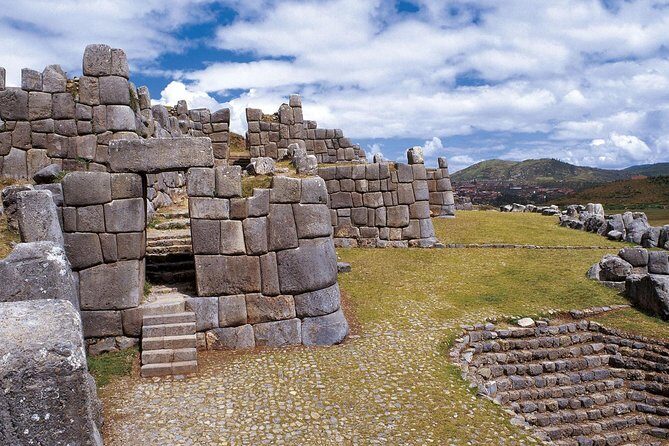
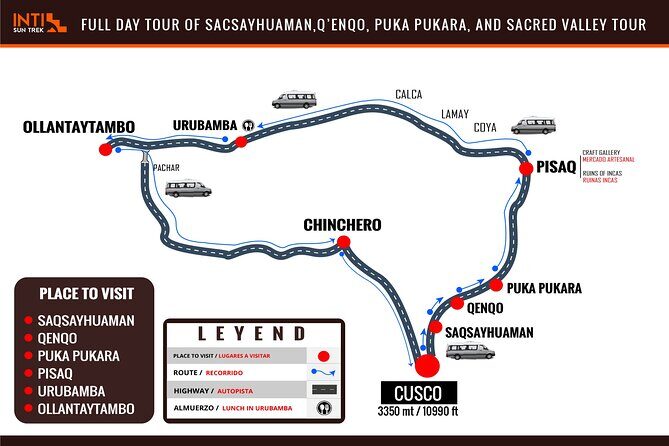
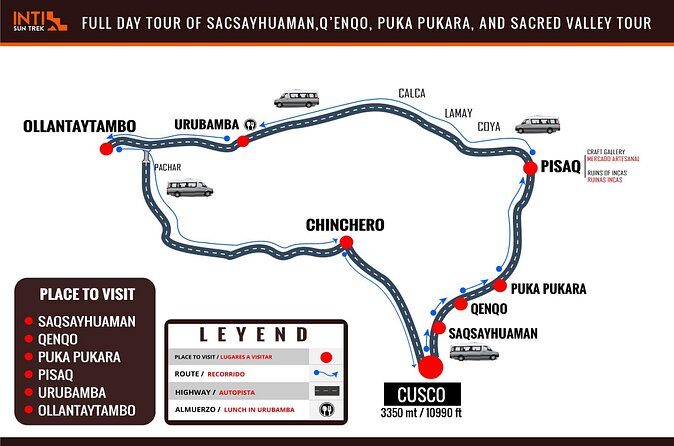
This tour is built for people who want the highlights without building a whole itinerary from scratch. You start in Cusco at 7 a.m., ride out with transportation included, and return in the early evening (roughly 6:30 to 7 p.m.). The structure is simple: guided ruin time first, then quick personal exploration when the group pauses.
What makes it smart is variety. Inca Cusco is not one type of site. You see fortress-like walls, sacred cave symbolism, engineering around water sources, and agricultural or ceremonial spaces. Then, the day carries you into the Sacred Valley with Pisac and Ollantaytambo—two places most first-timers quickly want on their list.
It also helps that the tour includes hotel pickup and tourist transportation, which removes a major headache in Cusco. Instead of hunting down buses or figuring out which stop is which, you spend your energy on the sites themselves.
You can also read our reviews of more tours and experiences in Cusco

Entering The Stone Giants of Sacsayhuaman
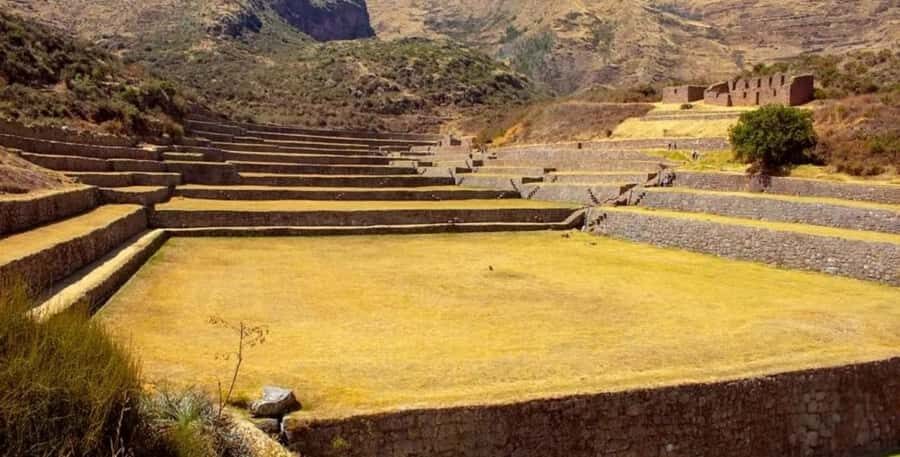
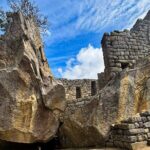
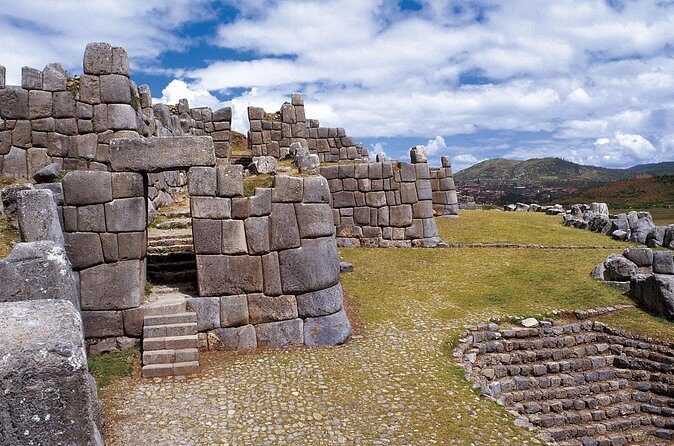
Sacsayhuaman sits above Cusco on a high hill, and even when only part of the original site remains, the scale hits hard. This is the place known for colossal stones—blocks so big they’re described as weighing hundreds of tons. The Inca builders cut and polished these stones and then arranged them into terraces with zigzagging walls that run for a long stretch.
On a time-crunched day, I like putting Sacsayhuaman first. The altitude and the elevation views start your day with momentum, and the guide context makes it easier to understand what you’re seeing. You’ll get about an hour on site for guided explanation plus time to wander at your own pace.
One thing to plan: admission is not included in the tour price. You’ll want your Boleto Turístico del Cusco lined up ahead of time so the day stays smooth.
Q’enqo and Puka Pucara: Caves, Symbolism, and Practical Stops

Next comes Q’enqo, a site with a name that points to labyrinth-like spaces. In the Andean worldview described here, Q’enqo connects to the idea of kaypacha (often linked with a serpent that helped create life). The reason the site draws people in is its underground tunnel-and-cave concept—places considered a link between the world of people and the world of the dead.
You’ll typically have around 30 minutes here. That’s enough to understand the layout, listen to how the site is interpreted, and still move around without feeling like you’re waiting for the group.
Then the route moves outward with Puka Pucara, described as an Inca site on the outskirts of Cusco. What I like about this stop is it’s less about one big photo moment and more about noticing the smaller systems: squares, water channels, terraces, and even an ancient Inca road network connection (qhapac ñan). The buildings are made with small to medium stones, which helps you compare it visually to the bigger stonework you saw at Sacsayhuaman.
Puka Pucara also fits well because it’s a short stop (about 30 minutes). It keeps the day from stacking only the major-name attractions back-to-back.
Tambomachay’s Water Engineering at High Altitude
Tambomachay is the kind of stop that can be easy to skim if you don’t know what you’re looking for. This one sits on a hill roughly 4 miles north of Cusco at about 12,150 feet (3,700 meters). The structure uses precise Inca stonework with three stepped terraces and trapezoidal niches in some retaining walls.
The key is water. The terraces are built over (or into) a natural spring that keeps feeding a system of aqueducts, canals, and waterfalls. So while you’re standing there, you’re not just viewing stone shapes—you’re seeing engineering tied to continuous flow.
Expect around 40 minutes. That’s a decent window to walk the terraces, read the guide’s explanation, and still take in the views and the feel of being above Cusco.
Again, admission is not included at this stop, and the ticket plan matters.
Pisac Ruins: The One Stop That Might Make You Want Extra Nights
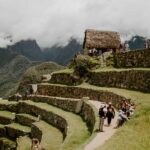
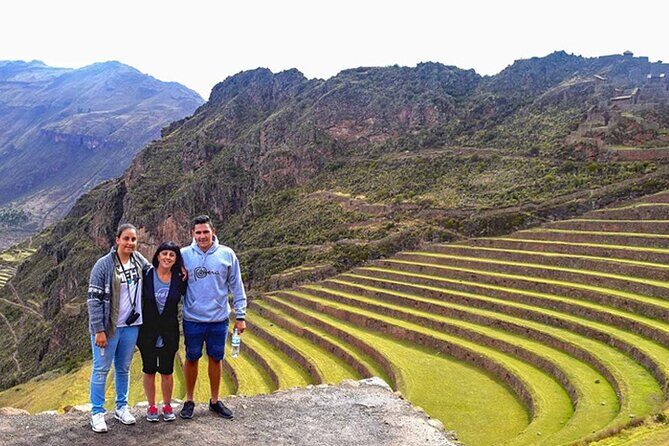
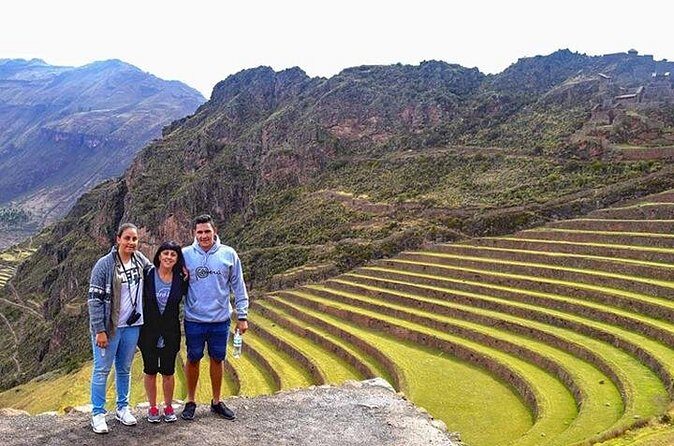
Pisac is where the day shifts into the Sacred Valley rhythm. The Pisac ruins are described as among the more intact ancient sites, with Inca architecture built on top of a mountain above the town. The views over the valley are part of why people fall for Pisac quickly—ruins plus panorama equals instant impact.
This stop also comes with about an hour of time. For me, that’s the right amount. You can focus on terrace structures and how the site fits the slopes, then step back and enjoy the scene without feeling rushed.
There’s a practical angle, too: Pisac is a town people enjoy lingering in. Even if you’re not adding days to your trip, it helps to know you’ll be surrounded by a place that can feel like a magnet for slow travel.
Admission here is listed as free on this itinerary, which is a nice relief after the ticket planning earlier in the day.




Ollantaytambo: More Than a Transit Stop
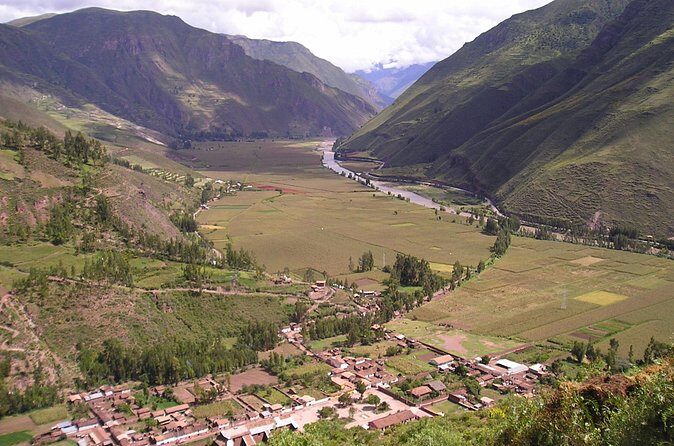
Ollantaytambo is often treated as a stepping-stone between Cusco and Machu Picchu, but the tour wisely slows down long enough to treat it as a destination. The stop here includes the archaeological park area (about 1 hour 30 minutes), which gives you time not only for ruins but also for understanding how the town sits in the modern day.
What makes this place feel different is how the daily life context adds meaning. You’re not just looking at a separated museum-like site. You’re in a town that still functions, so you start connecting Inca settlement design to how people live on these streets now.
One note: admission for Ollantaytambo is listed as not included, so keep that Boleto Turístico handy if it’s required for entry here on your ticket type.
Chinchero Weaving Co-op: A Cultural Stop With Real Skill
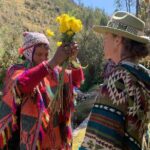
Chinchero is the kind of stop that’s not just a photo break. It’s centered on weaving, with a cooperative that runs demonstrations. In the format described, women of different ages dress in traditional clothing and show how yarn washing, dyeing ideas, knitting, and loom work connect to the finished textiles.
I like weaving stops when they’re practical, and this one is. You’re not just watching something happen—you’re getting a guided explanation of the process, which makes the final products feel like craft with layers of knowledge instead of souvenirs.
This is also the rare moment on a ruin-heavy day where you’re learning a living skill. Admission for the demonstration classes is described as free, and there may be optional excursions that include a drink, but the key point is the weaving demo itself doesn’t add cost.
The stop runs about 1 hour, which is a good rhythm change from stone sites.
Price and Tickets: What You Really Pay for a $180 Day
The tour price is listed at $180 per person, and that includes a professional guide, hotel pickup, and tourist transportation. That’s the value core: you’re paying for time-saving logistics plus someone to translate the site meanings while you’re actually there.
But admissions are the big variable. You’ll need the Boleto Turístico del Cusco, described as costing 130 soles for the full ticket. The ticket is said to cover entrance to multiple places on this route, including Sacsayhuaman, Q’enqo, Tambomachay, and others mentioned in the itinerary notes. Some stops are labeled free on this particular schedule (like Pisac and Chinchero demo), but don’t assume every entrance is free.
Then there’s food. Lunch is not included, and you’ll stop in Urubamba for lunch. In a long day, that matters: even if you’re not spending much on other extras, you’ll still want money set aside for lunch and drinks.
So the realistic budget is: $180 tour + the 130 soles ticket + lunch and beverages. Plan that math early, and this day becomes a good deal for what you pack in.
Timing and Logistics: 7 a.m. Pickup and a Long Walking Day
The tour starts at 7 a.m., and pickup happens from your hotel lobby. If you’re staying in Cusco, you’re likely used to early starts, but this is still a full-day commitment.
You should plan for:
- multiple sites across a wide area
- guided time plus extra personal exploration
- getting used to the altitude by the time you reach higher points like Tambomachay
Comfort matters. The suggested dress code is smart (no jeans, sportswear, joggers, or sneakers). That’s unusual for an active ruins day, so take it seriously: consider long pants that look more polished, a breathable top, and walking shoes you can actually stand in for hours.
Also, bring your patience. A 12-hour route with several stops means the day runs on a schedule. If you’re the type who loves to linger, the extra self-exploration minutes help, but you still need to keep moving with the group.
The Guide and Driver Factor: When It Feels Like a Real Day Trip
One reason this tour scores so well is the people running it. In one recent experience described, the guide Jorge and driver Freddy arrived on time and everything ran as planned. The guide was described as knowledgeable and the kind of person who encouraged questions and took time to explain.
That matters because archaeology can look like random stone piles if you don’t have context. Even when you love ruins, understanding the logic behind terraces, water systems, and cave spaces changes how you see them.
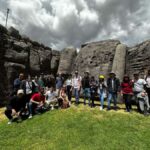
Small-group structure also helps. With a maximum of 12 travelers, you’re less likely to feel like a number. You can ask a question and get a straight answer without being drowned out.
Who Should Book This Tour (and Who Might Skip It)
This is a great match if:
- you want a highlight-focused day that covers Cusco outskirts and Sacred Valley in one go
- you’d rather have a guide handle timing and logistics
- you like learning the Inca story through a route, not just through one big site
It might be less ideal if:
- you want a slower, less packed itinerary with only one or two places
- you struggle with altitude and long walking windows
- you’re hoping for everything to be included cost-wise beyond the tour fee
If you’re doing Cusco for the first time and you only have one full day to spare, this tour format is a strong way to get your bearings fast.
Should You Book This Inti Sun Trek Day Tour?
If your goal is to see the Cusco and Sacred Valley highlights without spending time planning buses, this tour is a solid yes. The combination of Sacsayhuaman, Q’enqo, Pisac, Ollantaytambo, and Chinchero is exactly the kind of lineup first-timers tend to regret skipping later.
Just book it with eyes open:
- budget for the Boleto Turístico del Cusco (130 soles)
- accept that lunch is in Urubamba and not included
- dress smart and bring comfortable walking shoes
- be ready for a long day with multiple stops and time at altitude
Do that, and this becomes one of those rare trips where your day feels packed for the right reasons.
FAQ
What time does the tour start and where do I meet?
Pickup is at 7:00am, and you should wait for the team in your hotel lobby.
How long is the tour?
The duration is about 12 hours, finishing around 6:30/7 p.m.
What is the price of the tour?
The tour price is $180.00 per person.
Do I need tickets for the archaeological sites?
Yes. You need the full Boleto Turística del Cusco, which costs 130 soles. Some stops are marked free on this itinerary, but the tour indicates the full ticket is needed.
Is lunch included?
No. Lunch is not included. The tour stops for lunch in Urubamba.
Which places are included in the day?
The stops listed are Sacsayhuaman, Q’enqo, Puka Pucara, Tambomachay, Pisac, Ollantaytambo, and Chinchero.
How many people are on the tour?
The tour has a maximum of 12 travelers.
What should I wear?
The dress code is smart. Avoid jeans, sportswear, joggers, or sneakers. Comfortable walking shoes are recommended.