REVIEW · CUSCO
06 Day Andean Jewels of Cusco – Small Groups
Book on Viator →Operated by Inkayni Peru Tours · Bookable on Viator
Cusco hits different at altitude, fast. This small-group tour caps at eight people and keeps you moving with air-conditioned transportation plus guided Inca sights.
I like how the schedule builds in a real acclimatization day in Cusco, then layers in two early treks. One thing to consider: you’ll start very early (often 4:00–5:00 AM) and you’ll be at high elevations the whole time, so you’ll want a moderate fitness level.
In This Review
- Key Highlights at a Glance
- Cusco’s Andean Jewels: what this tour is really like
- Price and logistics: does $739 feel fair?
- Day 1 in Cusco: acclimatize, then explore on your own
- Sacred Valley day tour: Moray, Maras, Chinchero, then train to Aguas Calientes
- Moray’s terrace experiment (11,500 ft)
- Maras salt pools (10,892 ft)
- Chinchero: Inca walls plus colonial murals and weaving
- Ollantaytambo to Aguas Calientes by train
- Machu Picchu Day: guided temples, terraces, and optional mountain tickets
- Optional add-on: Huayna Picchu or Machu Picchu Mountain
- After the visit
- Humantay Lake at 13,800 ft: an early trek day you’ll feel
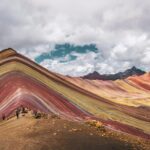
- Rainbow Mountain at 16,470 ft: colors first, crowds later
- Lodging and comfort: 3-star stays plus all-in transport
- Day 6 in Cusco: a breather and then off to your next stop
- Who should book this, and who should skip it?
- FAQ
- FAQ
- How many people are in the group?
- What’s included in the price?
- Is Machu Picchu admission included?
- Can I add Huayna Picchu or Machu Picchu Mountain?
- What time do pickups start?
- What fitness level do I need?
- Which days include trekking?
- Are meals fully covered?
- What about flights?
- What happens if weather is bad?
Key Highlights at a Glance
- Max 8 people for a calmer pace and more guide time
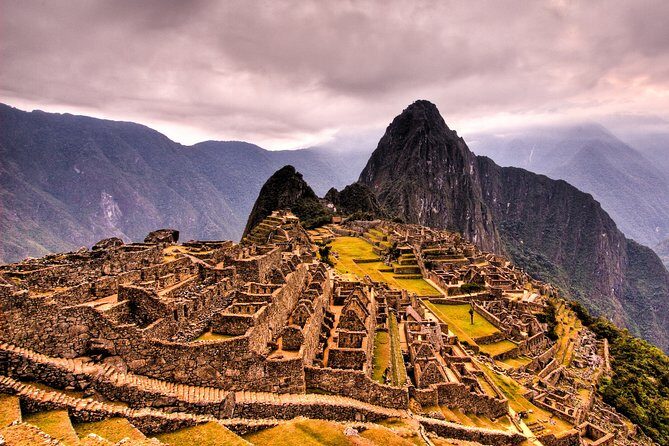
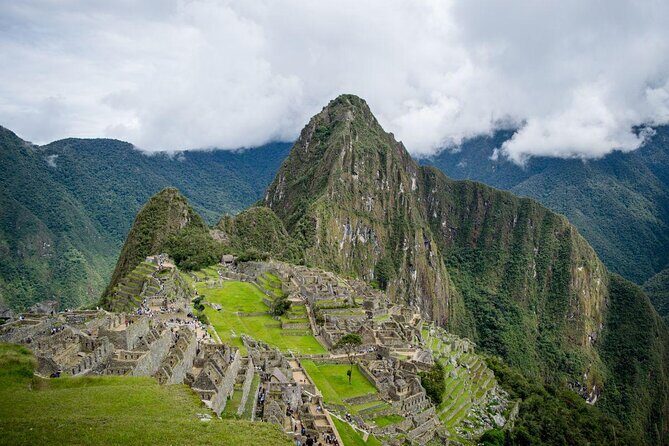
- Early, guided Machu Picchu with temples, terraces, and storage areas covered
- Sacred Valley hit list: Moray, Maras salt pools, Chinchero weaving and murals
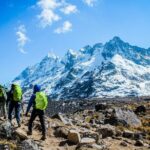
- Humantay Lake trek from Soraypampa to turquoise lagoon views (13,800 ft)
- Rainbow Mountain trek to the 16,470 ft summit for red-gold-turquoise ridges
- Comfort included with 3-star stays and roundtrip transport to the Machu Picchu area
Cusco’s Andean Jewels: what this tour is really like
This is a “big sights, tight planning” kind of trip. You’ll spend six days in Peru’s south highlands, with a mix of Sacred Valley touring, an expert Machu Picchu guided visit, and two high-altitude day hikes.
The best part is the way the tour removes the usual hassle. You’re not juggling multiple local tickets, train schedules, and separate transfers. The plan includes the Machu Picchu bus logistics and the train from the Sacred Valley area, plus a professional guide for the tours. That matters because once you’re in Cusco, time and energy disappear quickly at altitude.
From the guide side, the experience leans on strong interpretation. Saúl is named as an especially standout guide at Chinchero and Machu Picchu—friendly, kind, and serious about history and context, so you’re not just “walking around impressive rocks.”
The trade-off is effort. The itinerary is packed, with very early starts on the days that matter most (treks and Machu Picchu timing). If you want a relaxed vacation with late mornings every day, this isn’t that. But if you want the classic route and you can handle early alarms, the payoff is huge.
You can also read our reviews of more tours and experiences in Cusco.
Price and logistics: does $739 feel fair?
At $739 per person for about six days, you’re paying for the things that usually inflate costs in Peru: guided entry tours, transport to the key sites, a train ride to the Machu Picchu area, and a comfortable place to sleep.
Here’s what you’re getting that typically costs extra when booked separately:
- 5 nights in 3-star hotels (double room basis)
- All entrance fees and the roundtrip bus to Machu Picchu
- A professional guide for all included tours
- Train transport to Machu Picchu via Inca Rail (Voyager) or Peru Rail (Expedition)
- Breakfast (5) and Lunch (2)
So the value comes from the bundling. You’re not just buying transportation—you’re buying a sequence that’s timed for the best part of the day at Machu Picchu and for the early conditions on Humantay Lake and Rainbow Mountain.
What’s not included is also clear: flights (international and local), other meals not listed, and tips. That’s normal, but it’s worth budgeting so you don’t get surprised once you’re already in Peru.
Day 1 in Cusco: acclimatize, then explore on your own
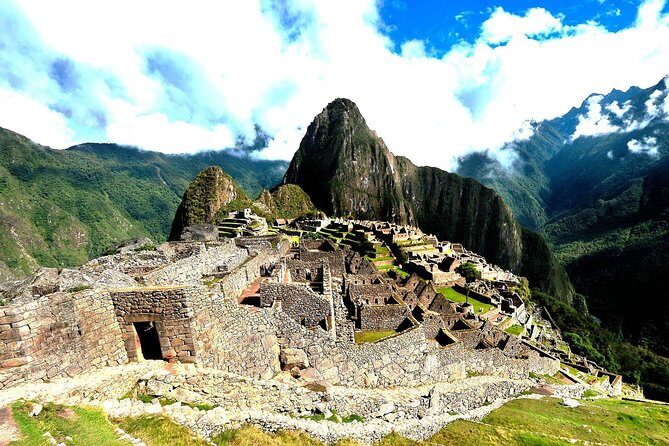
Day 1 is set up for altitude reality. One member of the Inkayni team meets you at the airport or bus terminal, then helps you get to your hotel. After that, you get a free day to acclimatize and explore downtown Cusco at your own pace.
I like this structure because Cusco is high enough that “power through it” usually backfires. Giving you time to rest, walk gently, and get your bearings helps you enjoy the later days instead of spending them stuck with headaches and fatigue.
Practical move: don’t treat this as a sightseeing marathon. Keep it light. Eat simple meals, drink water, and watch your energy. You’ll need that for the 8,000+ ft days later, and for the early starts that follow.
Sacred Valley day tour: Moray, Maras, Chinchero, then train to Aguas Calientes
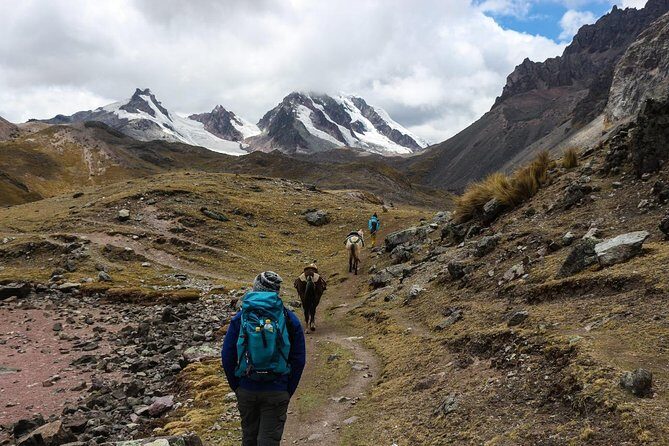
Day 2 is a long-but-satisfying travel day that hits the Sacred Valley “greatest hits” in an efficient route.
Moray’s terrace experiment (11,500 ft)
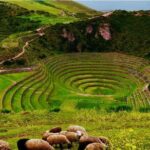
You start with a pickup around 8:00 AM, then drive through the Andes toward Moray at 11,500 ft. Moray is famous for its amphitheater-like terraces—Inca-built basins carved into the earth, used to test growing conditions. The value here isn’t only the wow factor; it’s understanding that the Inca engineered farming like a science.


Maras salt pools (10,892 ft)
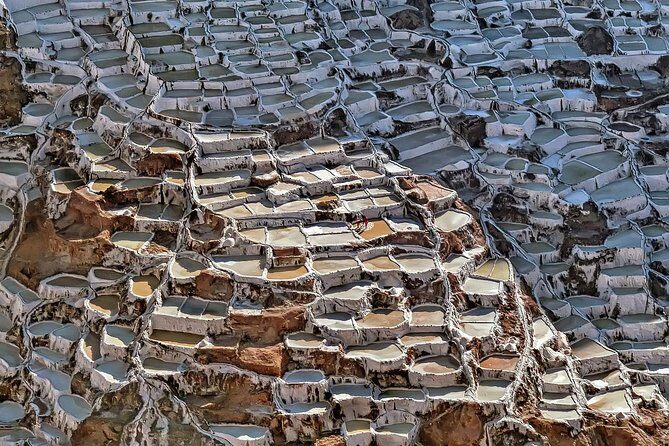
Next come the Maras salt-producing terraces, with over 3,000 pools fed daily by a trickling stream. The contrast is striking: white salt pans against red earth. This stop also gives you an “alive today” moment—something still used rather than only a ruin.
Chinchero: Inca walls plus colonial murals and weaving
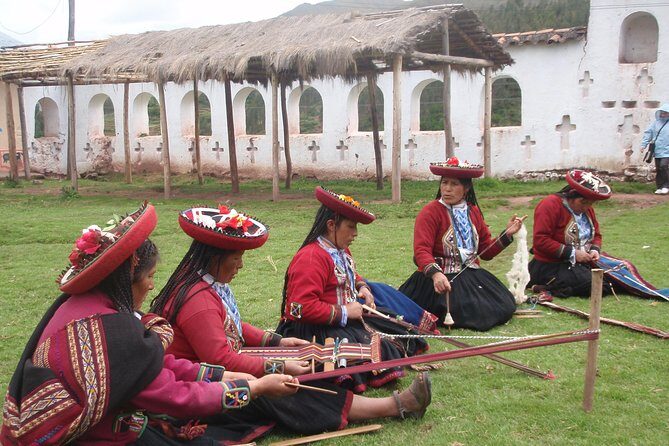
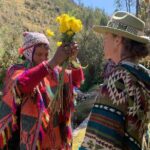
Then you reach Chinchero at about 12,342 ft, where you’ll see Inca walls and altars, plus a colonial church decorated with murals. The tour also points you toward the living tradition of Andean weaving—an art passed down since pre-Inca times.
Saúl is specifically highlighted as an excellent guide here, and that fits the theme: weaving, murals, and stonework all become easier to appreciate when you get the context, not just the photos.
Ollantaytambo to Aguas Calientes by train
Finally, you head to Ollantaytambo and board the train to Aguas Calientes (about 6,693 ft), the gateway town for Machu Picchu. The drive downhill through lush valleys is part of the mental reset after the high passes of the morning.
You’ll spend the night in Aguas Calientes so you can be ready for Machu Picchu Day 3 without rushing.
Machu Picchu Day: guided temples, terraces, and optional mountain tickets
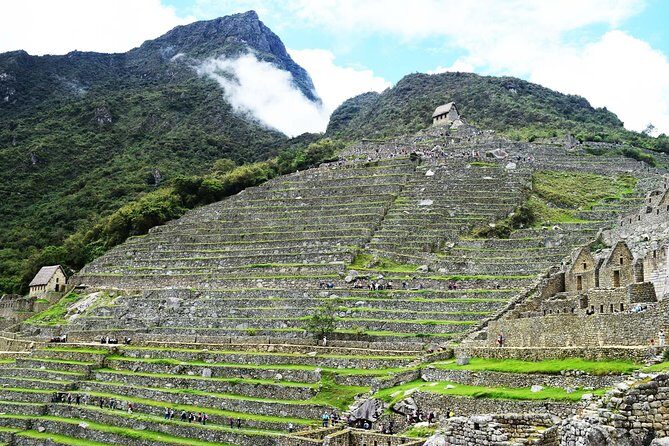
Day 3 is the big day, and it’s handled the way Machu Picchu should be handled: early start, guided entry, then a calmer return.
You begin with breakfast, then board one of the morning buses to Machu Picchu. After you enter the citadel, your guide leads an in-depth visit. The focus is on how the site works—temples, ceremonial areas, terraces, and storage structures.
This is where I’d want a guide who can connect the dots. The tour’s standout guide experience is Saúl at Machu Picchu, praised for friendliness and deep historical knowledge. That kind of guiding turns the visit from a checklist into something you can actually explain afterward.
Optional add-on: Huayna Picchu or Machu Picchu Mountain
If you secured an additional ticket in advance, you can explore either Huayna Picchu or Machu Picchu Mountain for big perspective views over the surrounding area.
Important practical note: this is optional and depends on ticket availability you arrange ahead. If you don’t have it, the main guided citadel tour is still the core experience.
After the visit
After the guided tour, the group returns to Aguas Calientes for rest and lunch. Then you take the train back to Ollantaytambo, and a private van takes you to Cusco.
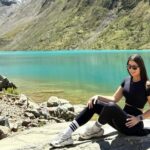
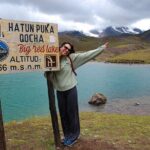
Humantay Lake at 13,800 ft: an early trek day you’ll feel
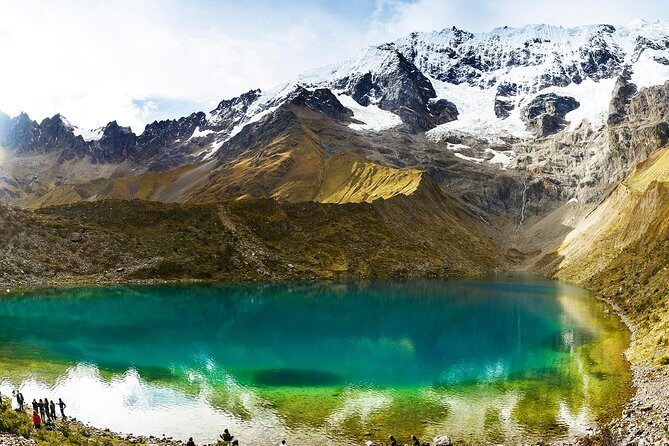
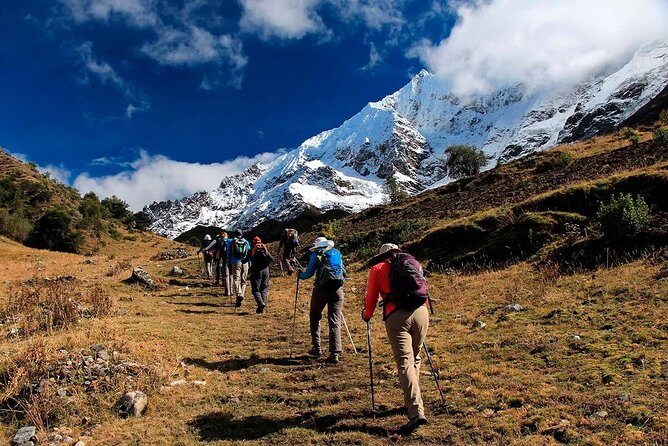
Day 4 is a sunrise trek to Humantay Lagoon at 13,800 ft. The morning pickup happens between 4:00 and 5:00 AM, followed by a 2.5-hour drive to Mollepata (around 9,200 ft) for breakfast.
From there, you travel onward to Soraypampa at about 12,700 ft—the trek starting point. The ascent is described as about 2.5 hours, with pauses for snacks while you admire the views toward the lagoon.
The hike is not just about walking. It’s also about the altitude feel and the mountain scenery your body has to adapt to. You’ll likely notice changes in breath and energy, so pacing matters.
After reaching the lagoon, you’ll have time to relax and take photos, then return via the same trail. Lunch comes before the ride back to Cusco in the afternoon.
Who this suits best: people with moderate fitness who can handle early wake-ups and steady climbing. If you’re sensitive to altitude, you’ll still be moving slower than you might on flatter ground.
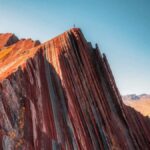
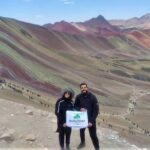
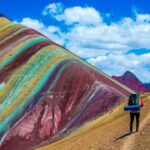
Rainbow Mountain at 16,470 ft: colors first, crowds later
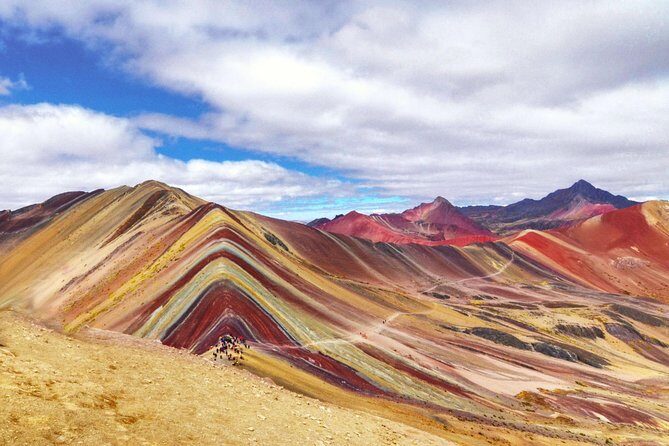
Day 5 starts the same way—between 4:00 and 5:00 AM—because Rainbow Mountain is at its best when you go early.
You travel south, and after about 2 hours you reach Cusipata (about 12,772 ft) for breakfast. Then you take a van to Phuluwasipata, and the trek begins.
- Trek ascent: about 2 hours
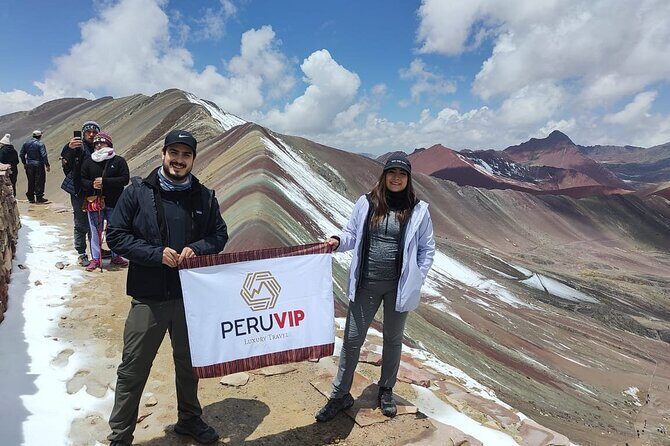
- Summit: 16,470 ft
- Views: red, gold, and turquoise tones across ridges and valleys with snow-capped peaks in the background
- Descent: about 1.5 hours
- Return: back to Cusipata for lunch, then drive back to Cusco arriving roughly 4:30–5:30 PM
What I like about this plan is that it structures the day around timing and recovery. You get fuel early, you get the summit moment, then you still have lunch and a predictable return to Cusco.
The big consideration is the effort. You’re gaining altitude quickly, and you’ll feel it. If you’ve managed Day 4 Humantay, you’ll be set up mentally for Day 5. If not, you’ll want to take your pace seriously and avoid sprinting just because others do.
Lodging and comfort: 3-star stays plus all-in transport
The tour includes five nights in 3-star hotels based on a double room. You’re not bouncing between constant new places; you’re sleeping in Cusco when you need to recover, and staying in the Machu Picchu gateway town when it makes timing easier.
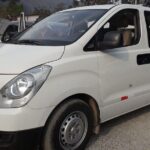
Transportation is also a big deal in this itinerary. The tour includes air-conditioned transportation, and you’ll use a mix of van and private vehicle transfers through the days. The Machu Picchu return includes train back to Ollantaytambo plus a private van waiting there.
For many people, this is where the tour feels worth it: you show up, you get moved, and you don’t spend your time negotiating connections after a long day at altitude.
Day 6 in Cusco: a breather and then off to your next stop
Day 6 is intentionally lighter. You get a free morning to relax or explore Cusco on your own pace.
Then you transfer to the airport based on your flight schedule—either heading to Lima or onward to your next destination.
If you’ve done the two treks, this free morning is your chance to keep it simple. Use it to breathe, pack, and reset your body before travel.
Who should book this, and who should skip it?
Book it if:
- You want the core Cusco-region hits: Sacred Valley, Machu Picchu, Humantay Lake, and Rainbow Mountain
- You prefer a small group (max eight) and guided explanation, not solo planning
- You can handle very early starts and want the best timing for sights
Skip it (or consider another option) if:
- You’re hoping for a relaxed schedule with minimal walking
- Early wake-ups and high-altitude trekking are not your thing
- You want lots of downtime between activities
If you’re choosing between “value” and “comfort,” this tour leans value-heavy while keeping transport smooth and lodging comfortable enough to recover.
FAQ
FAQ
How many people are in the group?
The tour has a maximum of 8 travelers, which keeps the experience in a small-group style.
What’s included in the price?
Included are 5 nights in 3-star hotels (double room basis), entrance fees, the bus to Machu Picchu (roundtrip), a professional guide, and the Machu Picchu train (Voyager with Inca Rail or Expedition with Peru Rail). It also includes breakfast (5) and lunch (2).
Is Machu Picchu admission included?
Yes. The itinerary lists admission to Machu Picchu as ticket free and includes the roundtrip bus and the train to the area.
Can I add Huayna Picchu or Machu Picchu Mountain?
Yes, if you secure an additional ticket in advance, you can explore either Huayna Picchu or Machu Picchu Mountain during the Machu Picchu day.
What time do pickups start?
The tour lists a start time of 5:00 am for the meeting point. On trek and Machu Picchu-related days, pickups are described as between 4:00 and 5:00 AM, while Sacred Valley Day 2 starts around 8:00 AM.
What fitness level do I need?
The tour says you should have moderate physical fitness, since there are treks and high-elevation conditions.
Which days include trekking?
Humantay Lake is a trek on Day 4 starting at Soraypampa (about 12,700 ft), and Rainbow Mountain is a trek on Day 5 with a summit at 16,470 ft.
Are meals fully covered?
Breakfast is included for 5 days, and lunch is included for 2 days. Other meals are not included.
What about flights?
Flights are not included, including both international and local flights.
What happens if weather is bad?
The experience requires good weather. If it’s canceled due to poor weather, you’ll be offered a different date or a full refund.
If you want, tell me your travel dates and your fitness comfort level with early starts, and I’ll help you sanity-check whether this schedule matches your pace.