REVIEW · CUSCO
Best of Cusco in 2-Days: Sacred Valley and Machu Picchu with Free Airport Pickup
Book on Viator →Operated by exploor · Bookable on Viator
Two days in Peru, and you’ll feel it. This Cusco experience strings together Chinchero textiles, Moray, and Maras, then gets you to Machu Picchu with a timed, low-stress flow. I like the door-to-door pickup and the max 8 small-group pace in the Sacred Valley.
I also love that Machu Picchu is run as a private guided visit, with train, bus, and entrance tickets taken care of after you book. A good guide makes a huge difference at Machu Picchu, and the plan is built around that.
One catch: Day 2 kicks off at 2:45 am, and Sacred Valley site entries cost about PEN 80 per person on the day.
In This Review
- Key highlights you can count on
- Day 1 in the Sacred Valley: start early, see more, and get your breath back
- Chinchero textiles: the alpaca-to-cloth story you actually remember
- Moray: the Inca climate experiment (and how to spot the clever idea)
- Salinas de Maras: the salt pools that still work
- Lunch at a colonial hacienda style restaurant: food plus a little animal time
- Ollantaytambo: Inca-built spaces, Spanish conflict, and a choice about Aguas Calientes
- Day 2: the 2:45 am start and a guided Machu Picchu morning
- Making Machu Picchu work for you: practical priorities
- Price and value: what $789 includes, and what costs extra
- Who this tour suits best (and who should think twice)
- Practical tips so your trip feels smooth
- Should you book Best of Cusco in 2-Days?
- FAQ
- What is the duration of this tour?
- Where does the tour take place?
- What time is pickup on the first day?
- What happens on Day 2 and what time does it start?
- Is Machu Picchu included with entrance tickets?
- Are Sacred Valley entrance fees included?
- What meals are included?
- Is the tour private?
- Are guides included, and what language do they speak?
- Can I cancel or change the booking?
Key highlights you can count on
- Women-led weaving lessons in Chinchero with hands-on textile process and alpaca/llama encounters
- Moray’s Inca circles explained as climatic experiments, with strong photo backdrops
- Salinas de Maras salt terraces still functioning, with views of the Urubamba range
- Machu Picchu at a guided pace after a coordinated train-to-bus morning connection
- Included lunch with vegetarian and vegan options, served in a colonial-style hacienda setting
- Fluent English guides plus airport pickup coordination so you’re not stuck figuring out details
Day 1 in the Sacred Valley: start early, see more, and get your breath back
Day 1 begins with a pickup from your Cusco hotel around 6:45 am. Then you’re on the road toward Chinchero, about an hour drive away. Cusco mornings can feel cool and crisp, and the early start is key here: it lets you hit multiple “wow” stops before the day gets too hot or busy.
What I like about this style of day is that it’s not just drive-by sightseeing. You stop often enough to actually learn something at each place, then you get back into the car before fatigue sets in. You’ll still walk at a few locations, but the breaks are built in.
Also, this is designed as a small group experience in the Sacred Valley (max 8). That matters because you get real conversation time with your guide, not just a rushed handoff from one photo spot to the next. Guides on this route have shared that they focus on making the science and symbolism of Inca sites understandable in plain language, like when Moray’s “why” is explained clearly instead of treated like a mystery.
You can also read our reviews of more tours and experiences in Cusco
Chinchero textiles: the alpaca-to-cloth story you actually remember
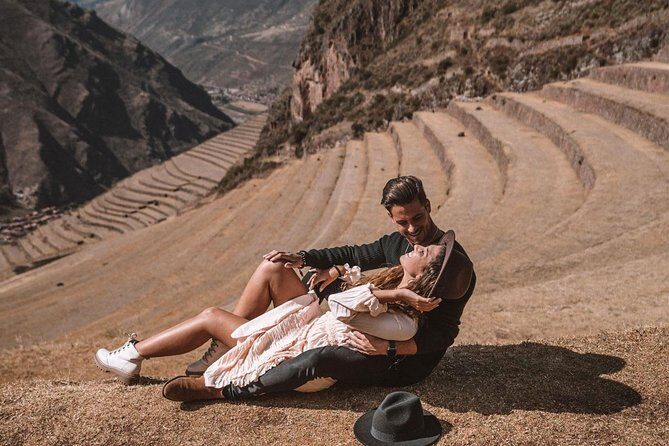
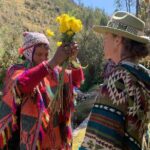
Chinchero is where the trip gets personal. You visit a local textile center led by women who explain traditional weaving methods and how alpaca and llama fiber becomes cloth. This is one of those stops that can easily turn into a showroom tour—so pay attention to how it’s framed: you’re not just looking at products, you’re learning the process.
You also get close to alpacas and llamas around the center. Feeding them isn’t a gimmick here. It fits the theme: these animals are part of the whole textile system, not a side decoration. The experience tends to stick with people because it gives you context for what you’ll see later—Inca agriculture, Andean daily life, and the way cultural knowledge travels through practical skills.
One practical note: the textile demo can involve some standing and light walking. Wear layers and comfy shoes; mornings in the Andes can swing from chilly to warm fast.
Admission for this stop is free, which is a nice bonus in a day where some entrances later cost extra.
Moray: the Inca climate experiment (and how to spot the clever idea)
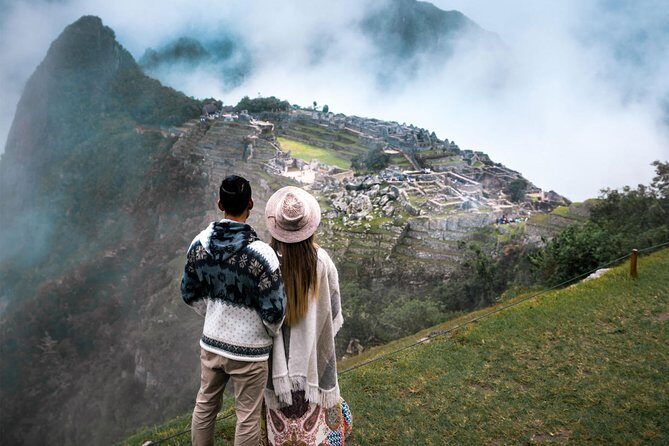
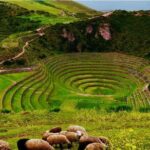
Next up is Moray, a complex of circular platforms that your guide walks you through. The key story here is that the Incas used Moray’s design like a natural lab. The circles relate to how different conditions can be tested across levels, tied to climatic variation to improve agricultural outcomes. Your guide’s job is to connect the dots between geometry, weather, and farming results—so you leave thinking, not just taking photos.
You’ll spend about an hour moving through the complex. And yes, the views in back of the circles can be excellent for pictures. Just don’t let photos steal your time. Ask your guide what to notice about the circles and how the place would have been used. It’s the kind of explanation that changes Moray from an interesting ruin into a thoughtful engineering lesson.
This stop is marked as not included for entry, so you’ll likely pay on the day. Plan a bit of cash.
Salinas de Maras: the salt pools that still work
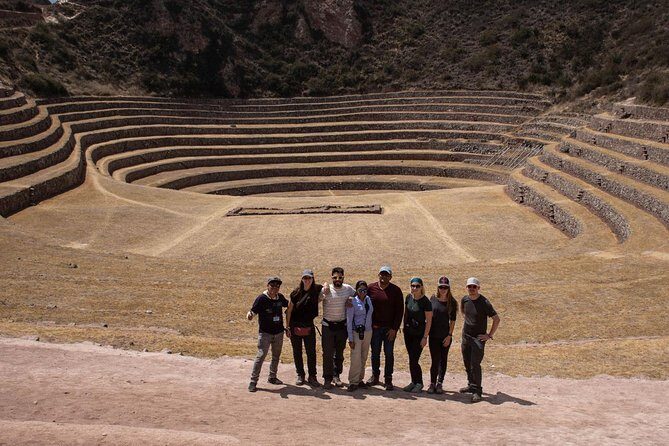
After Moray, you head to Salinas de Maras, the still-active salt mines. The salt pans are made of hundreds of small pools where salty water filters through. Your guide will explain how the operation works today and how the site connects back to older practices tied to daily agriculture.
This is one of those places where your brain goes quiet in the best way. The repetitive patterns of pools, plus the fact that it’s still an active system, makes it feel real. It’s not a theme park version of an old world. It’s working land.
You’ll also get views toward the snow-capped Urubamba mountain range from this area. If you enjoy landscape photography (literal one), this is where your camera will earn its keep.
Like Moray, Salinas de Maras is not included for entry, so budget for the on-the-day fee (and remember: you’re paying for multiple sites across the day).
Lunch at a colonial hacienda style restaurant: food plus a little animal time

Around midday you’ll reach Urubamba for lunch. Lunch is included and served as a buffet in a colonial-style hacienda restaurant for small groups. The best part for many people is that vegetarian and vegan options are available.
There’s also a garden where you can take pictures with alpacas and llamas. This turns lunch into more than just fuel. It’s a decompression moment in the middle of a long day of stops, which matters if you’re adjusting to altitude or just want your body to stop tightening up.
One thing to watch: lunch time is limited. Eat at a relaxed pace, but don’t plan to linger forever—your tour has to keep moving so Day 2 can start early.
You can also read our reviews of more tours and experiences in Cusco





Ollantaytambo: Inca-built spaces, Spanish conflict, and a choice about Aguas Calientes
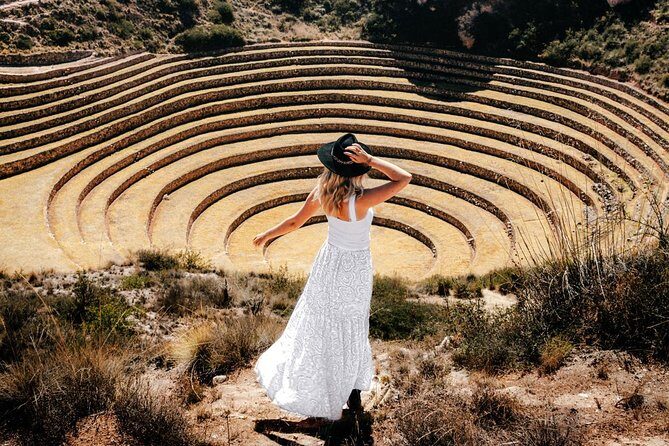
In the afternoon you reach the archaeological park at Ollantaytambo. This site is loaded with Inca structures and, importantly, has a story of conflict between Incas and Spanish invaders. Your guide points out features like the temple of the sun over and religious squares, plus what was happening in and around the village.
You’ll get about an hour here. That’s enough time to understand the main layout and why the stones matter, but not enough to slowly wander as if you’re on your own. If you’re the type who loves reading every plaque, you’ll want to lean on your guide’s explanations so the time feels worth it.
Then comes a real decision point: from Ollantaytambo, you can either:
- leave the group to take the train toward Aguas Calientes and stay the night there (this is recommended), or
- return to Cusco.
This choice matters more than it sounds. A night in Aguas Calientes generally means you avoid the hardest part of the next morning schedule. If you know you’re sensitive to altitude, fatigue, or early wake-ups, the overnight option is often the difference between a great day and a merely spectacular one you survive.
If you choose to return to Cusco, the following morning is going to come fast.
Day 2: the 2:45 am start and a guided Machu Picchu morning
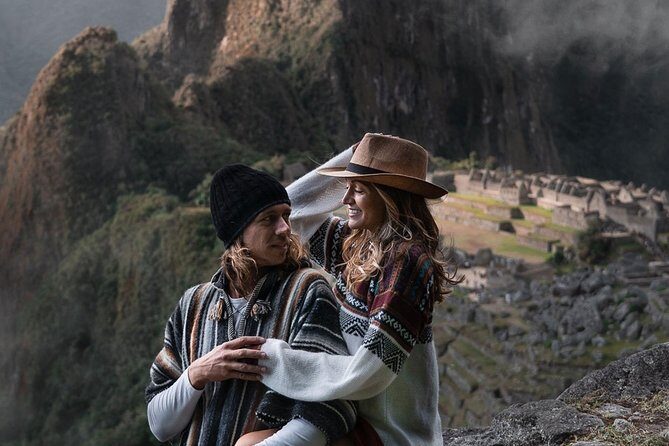
Day 2 starts with pickup from your hotel in Cusco at about 2:45 am. That’s early enough that you’ll want sleep in your plan the night before, not just coffee. From there you transfer to the train station.
You take the train from Ollantaytambo to Aguas Calientes, arriving around 6:35 am. After that, a team member greets you at the station and helps with the bus ride up to Machu Picchu’s entrance.
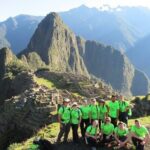
The guided Machu Picchu tour is scheduled for 8:00 am. This is one of the strongest parts of the package: you’re not trying to line up tickets and transport in a rush, and your guide can walk you through the site in a way that makes the architecture and layout feel intentional.
Your tour ends with time to leave Machu Picchu and head back down by bus. Lunch after is not included on Day 2, but you do have a coordinated route so you’re not stuck figuring out what comes next. Then you return by train to Ollantaytambo, where your private driver is waiting to take you back to your Cusco hotel.
Making Machu Picchu work for you: practical priorities
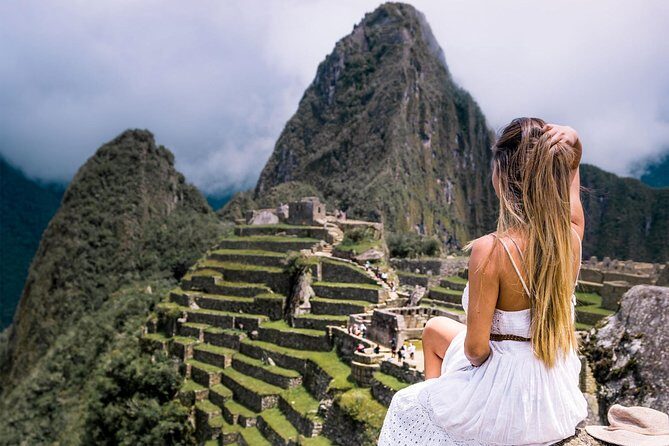
Machu Picchu is famous, sure. But the real question is whether you experience it with calm attention or frantic logistics.
Here’s why this plan helps:
- Your train, bus, and entrance timing are coordinated after your reservation, based on your preferences.
- You have a fluent English guide guiding the visit, not just someone letting you roam.
- You’re on a set schedule that covers the return smoothly, so you’re less likely to miss a connection.
One more practical thing: your comfort at Machu Picchu depends on your shoes and your pacing. Even with a guided tour, you’ll be moving on uneven surfaces. If your plan includes taking lots of photos, consider using the guide’s explanation beats as your “mental anchors,” so you don’t spend the whole morning chasing the perfect angle.
Also, if you care about morning light and fewer interruptions, tell the team when you reserve. They coordinate entry timing based on preferences, and that can matter.
Price and value: what $789 includes, and what costs extra
At $789 per person, this package covers more than just tickets. In general, you’re paying for:
- Private transportation (door-to-door pickup and transfers)
- Machu Picchu train, bus, and entrance tickets with coordinated timing
- Guides in fluent English for both the Sacred Valley portion (small group) and Machu Picchu (private)
- Lunch included during the Sacred Valley day
- Airport pickup and drop-off coordination (it can vary slightly from actual days, but the plan is arranged)
What costs extra:
- Sacred Valley site entrance fees, noted as PEN 80 per person
- Accommodation in Cusco or Aguas Calientes
- Meals beyond the included lunch on Day 1 (and lunch on Day 2 is not included)
So is $789 “worth it”? For most first-time visitors to Cusco, the answer is yes—mainly because Machu Picchu is the part that breaks most DIY trips. Coordinating the train, the bus up the mountain, and the timing of entry is where time gets eaten and mistakes happen.
This tour reduces that risk. Plus, you get guiding time on both sides of the trip, which is where the experience becomes meaningful instead of just scenic.
Who this tour suits best (and who should think twice)
This works especially well if you:
- Want door-to-door service in Cusco without spending hours on planning
- Have limited time and want Sacred Valley plus Machu Picchu in only 2 days
- Prefer a small group in the Sacred Valley (max 8) and a private guided Machu Picchu visit
- Appreciate guides who explain the why behind Moray and the mechanics behind salt at Salinas de Maras
Be careful if you:
- Struggle with very early starts. Day 2 pickup at 2:45 am is non-negotiable in the standard schedule.
- Want maximum breathing room. You’re seeing multiple locations in a short window, so it’s active travel, not slow travel.
If early-morning fatigue is your big concern, ask about the Aguas Calientes overnight option during the Day 1 transfer decision. It’s explicitly recommended for that reason.
Practical tips so your trip feels smooth
A few things that will help you enjoy the plan more:
- Bring cash for the Sacred Valley entrance fee (PEN 80 per person) since it’s paid on the day.
- Wear comfortable walking shoes. Moray, Salinas de Maras, and Ollantaytambo all involve walking on uneven ground.
- Dress in layers for the morning. Cusco early hours can be cold, then warm up fast.
- Plan your lunch appetite. Lunch is included and has vegetarian and vegan options, but it’s still a timed stop.
- If you have dietary needs, confirm them when you book so the included lunch matches your needs.
One more smoothness note from past experience with this team: communication tends to be organized and clear, and transfers are handled with care (including waiting when trains are delayed). That kind of operational calm is a big part of why people rate this so highly.
Should you book Best of Cusco in 2-Days?
If you want a high-confidence, logistics-light version of Sacred Valley plus Machu Picchu, this is a strong choice. The structure is practical: small-group Sacred Valley with meaningful stops, then a guided Machu Picchu visit with train-and-bus timing handled for you.
I’d book it if you’re ready for early mornings and you value having guides who explain what you’re seeing, not just where to stand for photos.
I’d think twice or at least consider the Aguas Calientes overnight option if you know you get worn down quickly by altitude or by intense schedules. The sites are incredible, but the calendar is tight.
FAQ
What is the duration of this tour?
The tour is listed as 2 days, approximately.
Where does the tour take place?
It runs in Cusco, Peru, including the Sacred Valley area and Machu Picchu.
What time is pickup on the first day?
Pickup in Cusco is around 6:45 am, with the start time shown as 6:30 am.
What happens on Day 2 and what time does it start?
On Day 2, there is hotel pickup in Cusco at about 2:45 am, followed by transfers to the train station.
Is Machu Picchu included with entrance tickets?
Yes. Machu Picchu train, bus, and entrance tickets are included, with timing coordinated after reservation.
Are Sacred Valley entrance fees included?
No. Sacred Valley site entrance fees are not included and are listed as PEN 80.00 per person, paid on the day of the tour.
What meals are included?
Lunch is included during the Sacred Valley portion. Meals other than lunch are not included.
Is the tour private?
Yes. It’s described as private, meaning only your group participates. Sacred Valley is a small group (max 8), and Machu Picchu is described as private.
Are guides included, and what language do they speak?
Yes. The tour includes fluent English-speaking guides for the Machu Picchu private tour and the Sacred Valley (small group of max 8).
Can I cancel or change the booking?
The experience is non-refundable and cannot be changed for any reason.