REVIEW · CUSCO
Ausangate Trek to Rainbow Mountain 3 Days
Book on Viator →Operated by Andean Path Travel · Bookable on Viator
High passes, big views, and real Andean culture. This 3-day Ausangate trek to Rainbow Mountain is built around altitude, long mountain walking, and early starts that help you see the scenery before it gets crowded. You’ll drive out from Cusco, hike over high passes, camp in the Ausangate region, and finish at Vinicunca with time for photos.
I especially like the way this route mixes tough hiking with practical care. The plan includes breakfast, lunch, dinner, and camping support like tents, so you’re not stuck figuring out essentials at altitude. It also has a strong organization feel, with pickup from your Cusco hotel and a private group format.
One thing to consider: this is serious altitude trekking with passes that reach 4,990 m and long walking days. If your fitness is only average, you may struggle, and you’ll want to plan for slower pacing and fewer big jumps in effort.
In This Review
- Key highlights
- Why Ausangate to Vinicunca makes sense in 3 days
- Day 1: Upis, Arapa Pass (4,640 m), and Hatun Pucacocha
- Day 2: Chillca Apacheta (4,990 m), mountain spirits ceremony, and Ananta Pata
- Day 3: Warmisaya Pass, early Rainbow Mountain photos at Vinicunca, return by 5 pm
- What you get for $650: food, tents, private transport, and entrance fees
- Food and sleeping setup: the quiet win people feel after day two
- Gearing up: what to bring when poles and a sleeping bag aren’t included
- Altitude reality check: how to make the passes feel manageable
- Who this private trek suits best (and who should think twice)
- Should you book Ausangate Trek to Rainbow Mountain?
- FAQ
- How long is the Ausangate Trek to Rainbow Mountain?
- What is the pickup time and where does it start?
- Is the tour private?
- What’s included in the price?
- What should I bring since it isn’t included?
- What language is the tour offered in?
- What fitness level do I need?
- What happens if weather is poor or I need to cancel?
Key highlights
- Early access to Rainbow Mountain so you can take photos before most groups show up
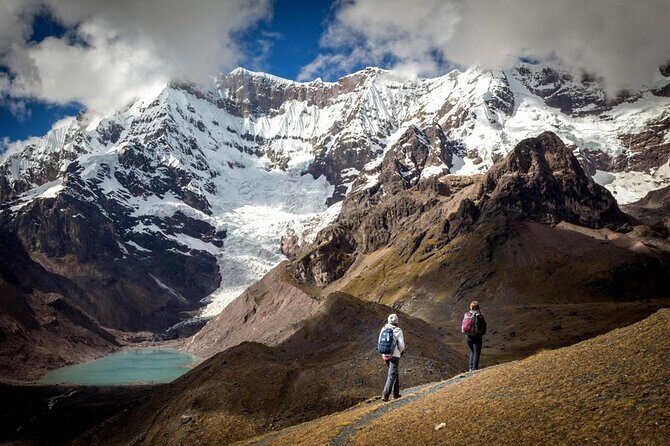
- High-pass route over Arapa (4,640 m), Chillca Apacheta (4,990 m), and Warmisaya
- Vicuña and lagoon country on the way, with wide views that keep changing as you climb
- Ceremony at the second pass for a cultural moment tied to mountain spirit beliefs
- Meals + tents included, which adds real value for a 3-day high trek
Why Ausangate to Vinicunca makes sense in 3 days
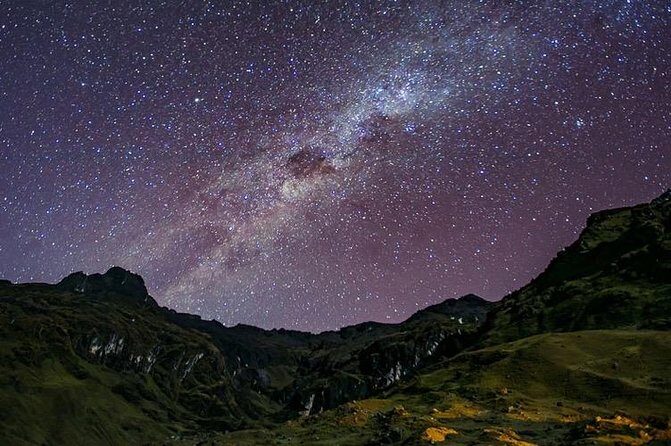
If you only have a short window from Cusco, this is a smart way to do the Ausangate region and finish at Vinicunca (Rainbow Mountain) without dragging it out. The core idea is simple: you spend two nights out in the high country, then you hike to Rainbow Mountain early on day three.
What makes this route feel more rewarding than a rushed day trip is the sequence. Day 1 gives you your first taste of Ausangate country and sacred-mountain closeness around Arapa Pass (4,640 m). Day 2 pushes higher to the second pass at 4,990 m, then you camp again. Then day 3 is the final climb and descent, with transportation waiting back down near Kayrawiri.
You can also read our reviews of more hiking tours in Cusco



Day 1: Upis, Arapa Pass (4,640 m), and Hatun Pucacocha
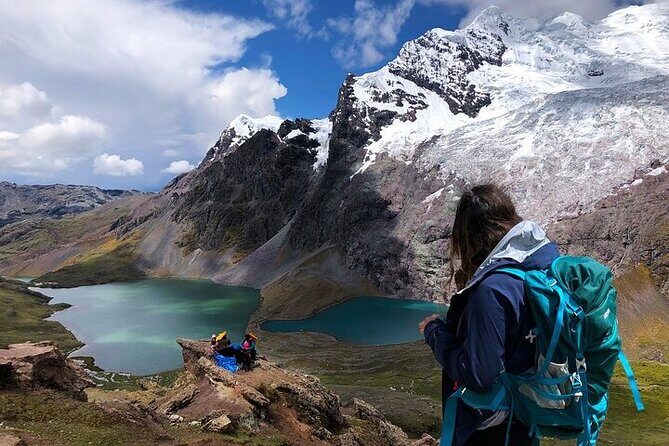
You’ll be picked up from your hotel at around 5:00 am, then it’s about 2.5 hours by van to Tinki, a small village stop where you can grab forgotten items and stretch your legs briefly. After that, the drive continues for about 30 minutes to Upis, where the hike begins with the Ausangate massif in view.
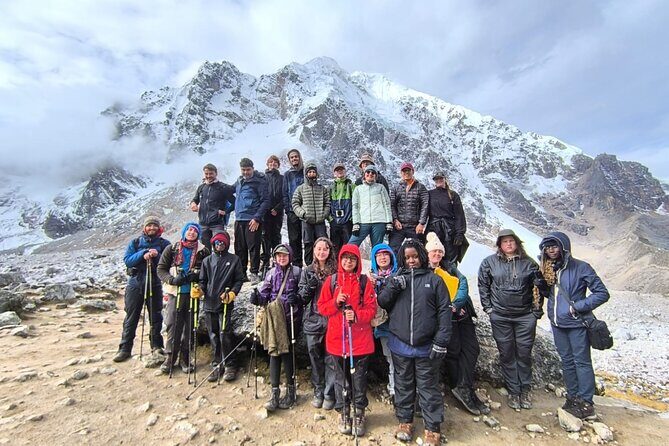
The hiking starts with a long uphill stretch: roughly 2 hours to Arapa Pass (4,640 m). This is a key moment. You’ll feel close to Ausangate, and the views tend to shift as you move from grassy slopes into thinner, higher air.
After the pass, you descend and your trail turns into lagoon-and-wildlife country. The route description includes stops where you might spot wild vicuñas, and you’ll also pass nice lagoons along the way. That mix helps break up the mental load of altitude walking: you’re not only climbing or only looking at rocks.
You hike about 3 more hours after the pass and then reach Hatun Pucacocha, where you rest for the first night. The “arrival” part matters here. When you camp at a site like Hatun Pucacocha, the day ends in a place built for sleeping and regrouping, not just dropping you somewhere and moving on.
Practical note: day 1 is often where people feel altitude most. Even though day 2 goes higher, starting early and taking the first pass steadily sets you up to handle Chillca Apacheta the next day.
Day 2: Chillca Apacheta (4,990 m), mountain spirits ceremony, and Ananta Pata
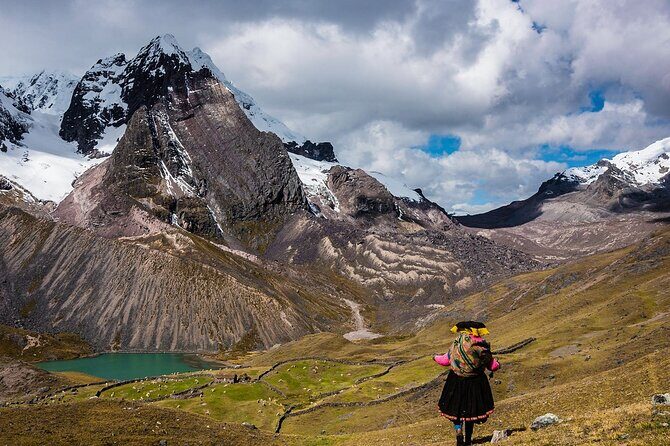
Day 2 begins after breakfast, and it’s your big altitude push. The goal is the second pass, Chillca Apacheta (4,990 m). The hike is described as taking about two hours uphill to reach the pass, and the working theme is: more elevation, less oxygen, and views that keep changing minute to minute.
This day is also where the route leans into the spiritual side of the Andes. Once you arrive at the pass, you’ll make a ceremony to the great spirits of the mountains before beginning the descent. Whether you’re into cultural traditions or just curious, it’s a meaningful pause, and it helps the day feel more than just a physical challenge.
After the ceremony, you start descending toward the second camping site: Ananta Pata. The itinerary suggests a long day overall (around 8 hours), so it’s not just a short pass-and-go. Plan for a full-body day with steady walking, breaks as needed, and the reality that altitude makes simple movement feel slower.
One drawback to be honest about: this is the kind of day where you can feel proud and still be exhausted. If you tend to sprint on hikes, this is a bad match. You’ll get more enjoyment by pacing early and letting your breathing settle rather than trying to “win” the mountain.
Day 3: Warmisaya Pass, early Rainbow Mountain photos at Vinicunca, return by 5 pm
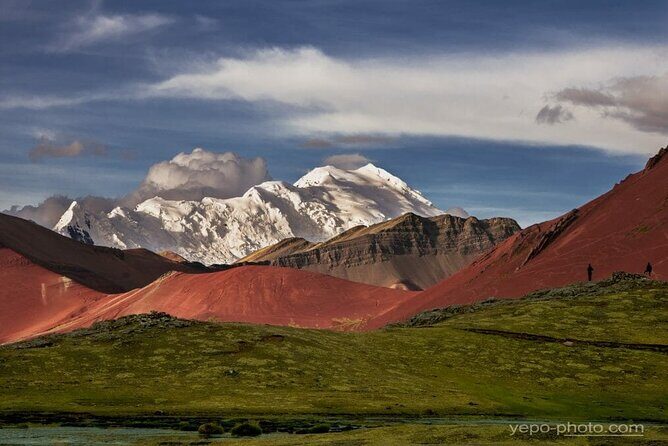
Very early on day 3, you continue the trek toward Vinicunca. The route climbs to the third pass, Warmisaya, in about 1.5 hours. As you reach that height, you’ll already see Rainbow Mountain as your last destination, which is great for motivation.
From Warmisaya, it’s about 1.5 hours more to arrive at Rainbow Mountain. Timing is a big part of this day’s value. You’re set up to reach the area early—before most groups arrive—so you get the best option to take photos with less crowd pressure.
Then the descent begins, and you’ll walk down toward Kayrawiri, where transportation meets you. The return back to Cusco is scheduled for about 5:00 pm. That’s useful if you want the rest of the day for a meal and a real shower rather than being stuck in transit until late night.
What you should expect on the Rainbow Mountain side is not just a big viewpoint. The big point is the early arrival. When you get there first, you have more freedom: you can take photos in calm light, you can rest without shoulder-to-shoulder rushing, and you can spend time looking at the detail of what makes Vinicunca famous without the frantic feeling.
What you get for $650: food, tents, private transport, and entrance fees
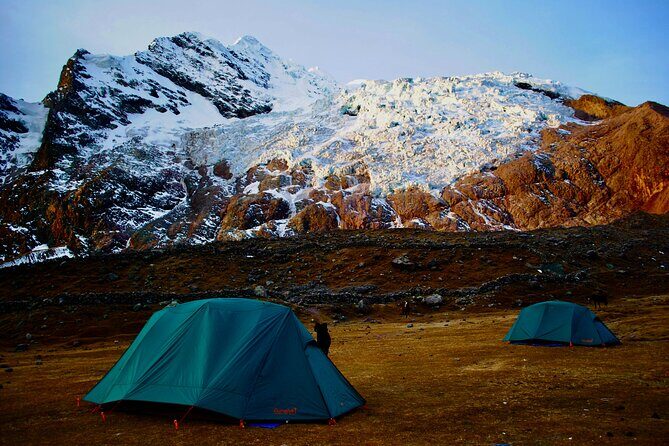
At $650 per person for a 3-day trek, value comes down to what’s included and how much hassle it removes. Here, you get a package that covers the essentials for a high-altitude camping experience.
Included items are:
- Breakfast, lunch, dinner
- Private transport
- Entrance fee
- Tents
That combination matters. Food removes one of the biggest worries on remote treks: you can focus on walking, not logistics. Tents also reduce the gear burden, which is huge if you’re traveling light or don’t want to haul bulky items from Cusco.
What’s not included is also important for judging value. You’ll need to bring or arrange a sleeping bag and walking poles, and you should plan travel insurance yourself. If you don’t already have poles and a sleeping bag, your total cost can rise fast. Still, many people find it easier to add these than to shop for everything after arriving in Cusco.
Private format is another factor. This is listed as private, meaning only your group participates. For altitude treks, that often translates into better pacing and fewer “we’re waiting for someone” moments than on big shared tours.
You can also read our reviews of more tours and experiences in Cusco
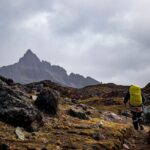
Food and sleeping setup: the quiet win people feel after day two
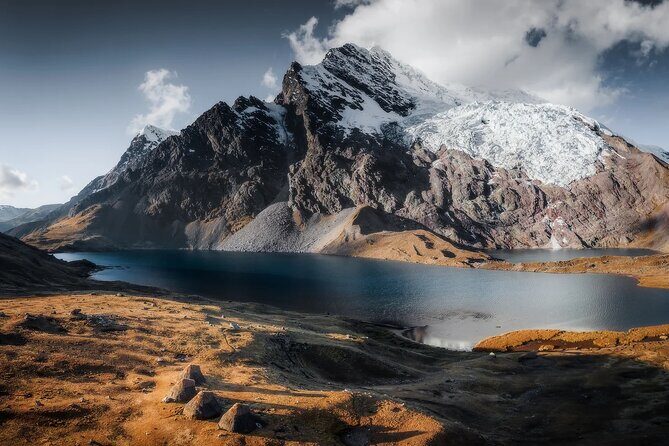
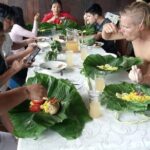
Even without listing every meal detail, the inclusion of meals and tents is usually where the best trip experiences start to show. On tough high treks, the difference between good and awful days often comes down to sleep quality and whether you get real food instead of snack-only survival.
Based on the tone of past feedback, the camping setup and meals tend to be a strong point. People highlighted strong food and sleeping arrangements and praised the overall care that keeps you motivated through the long days. That fits the structure of the plan: day 1 ends at Hatun Pucacocha, day 2 at Ananta Pata, and then day 3 is early and intense. If nights are comfortable enough to recover, you can actually enjoy the final morning instead of dragging yourself out of the tent.
Still, be realistic: you’re in high altitude conditions. Tents and meals help, but they don’t replace basic gear like a sleeping bag. If you show up without one, you may feel miserable even if the rest is well handled.
Gearing up: what to bring when poles and a sleeping bag aren’t included
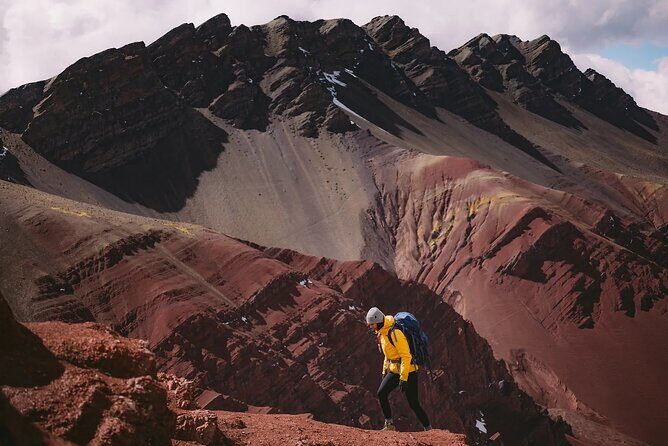
Because a sleeping bag and walking poles are not included, I’d treat packing as a checklist, not a last-minute decision. The trek hits steep stretches and long walking hours, so poles can help with balance on both climbs and descents.
At minimum, plan for:
- A sleeping bag suitable for cold conditions
- Walking poles to manage downhill stress
- Layers for big morning temperature swings, especially since you start around early pickup time
- A steady approach to pace and breathing (altitude makes planning equipment feel less important than correct effort)
Also note: the tour is marked as requiring strong physical fitness. That doesn’t mean you must be a mountain athlete, but it does mean you should be ready for uphill climbing at altitude and a full day on day 2.
Altitude reality check: how to make the passes feel manageable
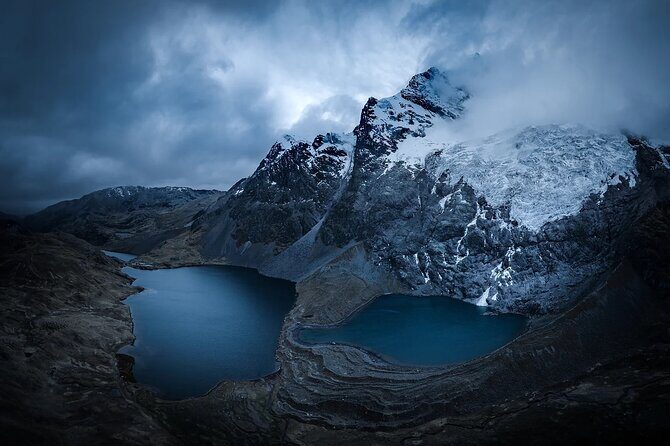
The route hits three major pass points: Arapa (4,640 m), Chillca Apacheta (4,990 m), and Warmisaya before Rainbow Mountain. That’s a lot of time spending higher than most people are used to.
The itinerary descriptions make it clear that as you climb on day 2, you’ll deal with less oxygen and slower effort. So your best strategy is to keep effort consistent and avoid sudden surges. If you feel good early, that’s the time to slow down, not speed up.
Here are practical ways to get more out of the trek:
- Start early and stick to your guide’s pacing rhythm
- Use breaks to catch breath, not just to check your phone
- Hydrate steadily through the day (altitude makes you feel “not thirsty” while still losing moisture)
- Focus on steady steps rather than long strides
If you handle altitude well, you’ll enjoy the views and the sense of achievement. If you don’t, you can still do it, but you’ll need patience. This route rewards the person who keeps control.
Who this private trek suits best (and who should think twice)
This is a private, English-language experience, and you’re picked up from your Cusco hotel. Service animals are allowed, which is a helpful detail if you need that for your situation. The big suitability factor is fitness and comfort with altitude.
You’ll likely love it if:
- You want a short but classic high-country trek rather than an easy day trip
- You enjoy early starts and don’t mind being active from morning into the afternoon
- You want a cultural moment like the ceremony at the pass
- You appreciate solid basics: meals + tents + transport handled for you
You might want a different option if:
- You’re not comfortable with steep uphill sections and high passes near 5,000 m
- You don’t have the gear (especially a sleeping bag) and don’t want to buy or rent it
- You need a low-effort itinerary. This isn’t it.
Should you book Ausangate Trek to Rainbow Mountain?
I’d book this trek if your priority is an authentic high-altitude experience that still feels organized and supported. The combination of high passes, lagoon-and-vicuña trail moments, and early Rainbow Mountain access is exactly the kind of plan that turns into a real memory rather than a checkbox.
Also, the practical value matters. Meals, tents, entrance fees, and private transport are included, which lowers the stress level once you’re already in the Andes. Past feedback also points to guides providing real motivation and care, which helps when the altitude makes everything feel harder.
But don’t ignore the tough side. If you’re unsure about altitude or your fitness level, be honest with yourself. This route asks you to show up ready to hike, especially day 2.
If you’re prepared, you’ll get the kind of early-morning, pass-crossing journey that makes Cusco feel far away—in the best way.
FAQ
How long is the Ausangate Trek to Rainbow Mountain?
It’s a 3-day trek, with a schedule that includes camping on two nights and a return to Cusco by around 5:00 pm on the final day.
What is the pickup time and where does it start?
You’re picked up from your Cusco hotel in the very early morning (the plan mentions around 5:00 am), and the start time is listed as 6:00 am.
Is the tour private?
Yes. It’s described as a private tour/activity, and only your group participates.
What’s included in the price?
The included items are breakfast, lunch, dinner, private transport, entrance fees, and tents.
What should I bring since it isn’t included?
Sleeping bag and walking poles are not included, and travel insurance is also not included.
What language is the tour offered in?
The tour is offered in English.
What fitness level do I need?
You should have a strong physical fitness level, since the trek includes high passes and long walking days.
What happens if weather is poor or I need to cancel?
You can cancel for a full refund if you cancel at least 24 hours in advance. The experience requires good weather, and if it’s canceled due to poor weather, you’ll be offered a different date or a full refund.