REVIEW · CUSCO
Cusco: Sacsayhuaman, Qenqo, Puca Pucara & Tambomachay Tour
Book on GetYourGuide →Operated by DonPeruTours · Bookable on GetYourGuide
Cusco ruins daydreams start here. This tour strings together Sacsayhuaman’s massive stone walls and Qenqo’s tight ceremonial passages in one smooth outing, so you get big Inca-and-pre-Inca energy without wasting half your day on transportation. I especially like how quickly the stops turn into stories you can visualize.
One thing to plan for: the main admission tickets for Sacsayhuaman, Q’enqo, Puca Pucara, and Tambomachay are not included in the $21 price, so budget a little extra before you go.
In This Review
- Key Points at a Glance
- Cusco Ruins in One Ride: Why This Itinerary Works
- Sacsayhuaman Fortress Walls: The Scale Test
- Q’enqo’s Labyrinth Passages and Ceremonial Altars
- Puca Pucara: When Defense Was the Plan
- Tambomachay and the Inca Engineering of Water Worship
- Qoricancha Bonus: Temple of the Sun on Certain Departures
- Pick-Up, Round-Trip Transport, and the Center-of-Cusco Drop-Off
- Price and Value: What $21 Covers (and What You Pay Extra For)
- Who Should Book This Tour (and Who Might Not)
- Practical Tips for Enjoying Every Stop
- Should You Book the Cusco Sacsayhuaman–Qenqo–Puca Pucara–Tambomachay Tour?
- FAQ
- How long is the Cusco Sacsayhuaman, Qenqo, Puca Pucara & Tambomachay tour?
- Where does this tour take place?
- What is the price per person?
- What is included in the tour?
- Which site entry tickets are not included?
- Is Qoricancha included, or only sometimes?
- What language is the guide?
- Where does the tour end?
- Who should not book this tour?
Key Points at a Glance

- Sacsayhuaman’s stone walls give you scale fast, the kind that makes you slow down without trying
- Qenqo’s ceremonial layout makes you feel the site was built for ritual and movement
- Puca Pucara is military-first, so you get a different side of Inca-era design
- Tambomachay focuses on water, with aqueducts and fountains that show serious engineering
- Qoricancha is a bonus on 9:00 AM and 1:00 PM departures, adding a major sacred stop
Cusco Ruins in One Ride: Why This Itinerary Works
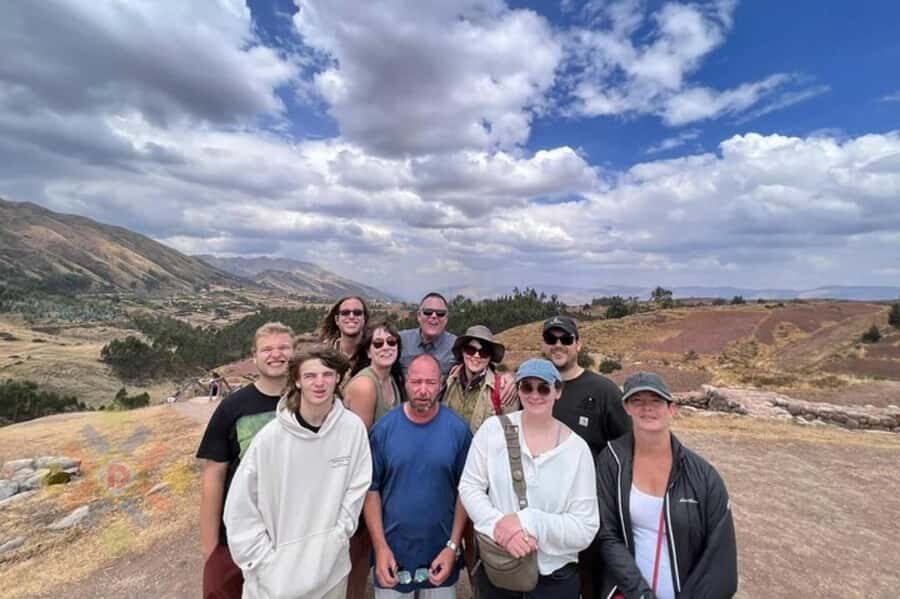
This is a practical Cusco tour for people who want the big-name ruins—without turning the day into a puzzle. The core experience is four archaeological stops: Sacsayhuaman, Q’enqo, Puca Pucara, and Tambomachay. Add the optional Temple of the Sun Qoricancha on the 9:00 AM or 1:00 PM schedules, and you’re suddenly dealing with five major sites instead of four.
What I like is the “system” feeling. You get pick-up, round-trip transportation, and a bilingual guide (and the guide is Spanish, per the tour info). That means you spend less time figuring out directions and more time looking at the sites. And with a total duration of about 270 minutes, the timing is tight enough to feel efficient, but not so rushed that you’re constantly sprinting between stops.
Also, the tour ends with a drop-off in the center of Cusco. That’s a big deal in a place where “back to town” can mean different things depending on where you’re staying. If your lodging is outside the most walkable spots, having the transport handled can save you time and stress.
You can also read our reviews of more tours and experiences in Cusco.



Sacsayhuaman Fortress Walls: The Scale Test
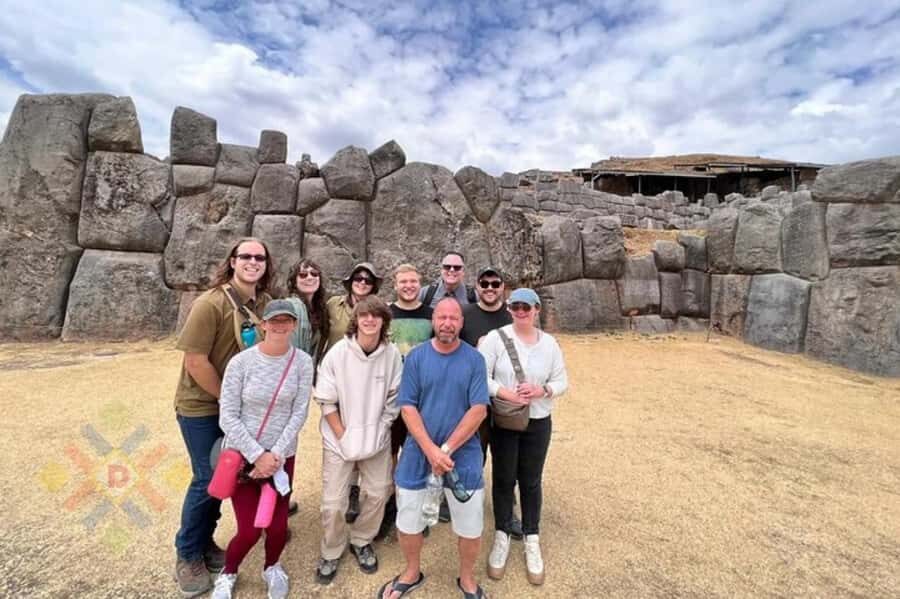
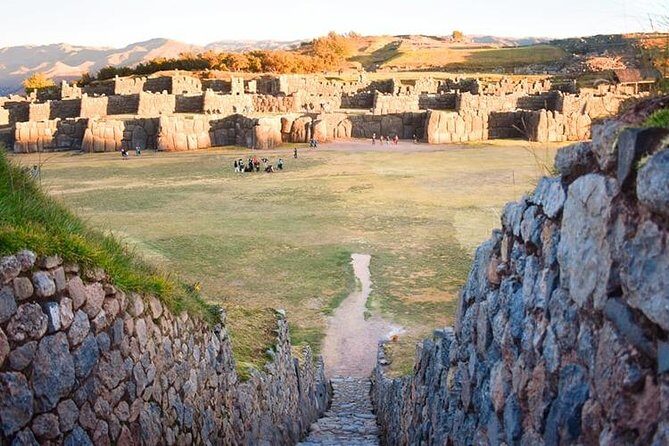
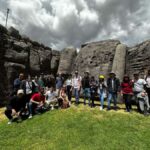
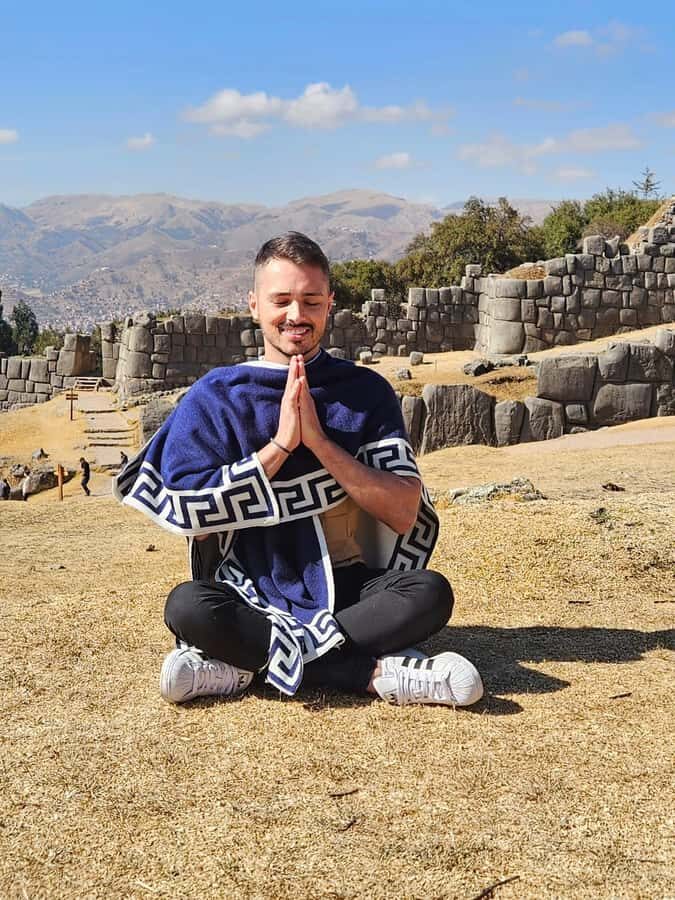
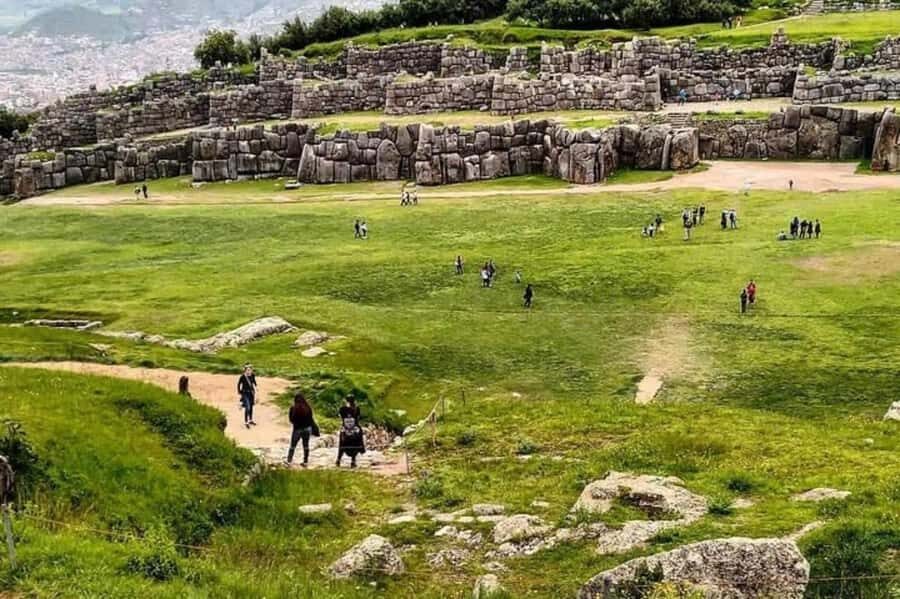
Sacsayhuaman is the kind of site that hits you before you even understand it. You’re walking around massive structures built with huge stone blocks, and your brain goes to work automatically: How did they move it? Why this shape? What did it mean?
This stop is all about the fortress feel. The tour’s focus is on the fortress of Sacsayhuaman and its significance in Incan history. Even if you don’t know the details yet, the design communicates power. Expect to spend time taking in the stone walls and the overall layout, then letting the guide connect what you see with what it was for.
Practical tip: wear shoes you trust. You’ll want your footing for uneven ground near ruins, especially when you’re pausing to look back at the walls from different angles. That’s how you get the real “wow” effect—by viewing from more than one spot, not just from the first viewpoint you reach.
Q’enqo’s Labyrinth Passages and Ceremonial Altars
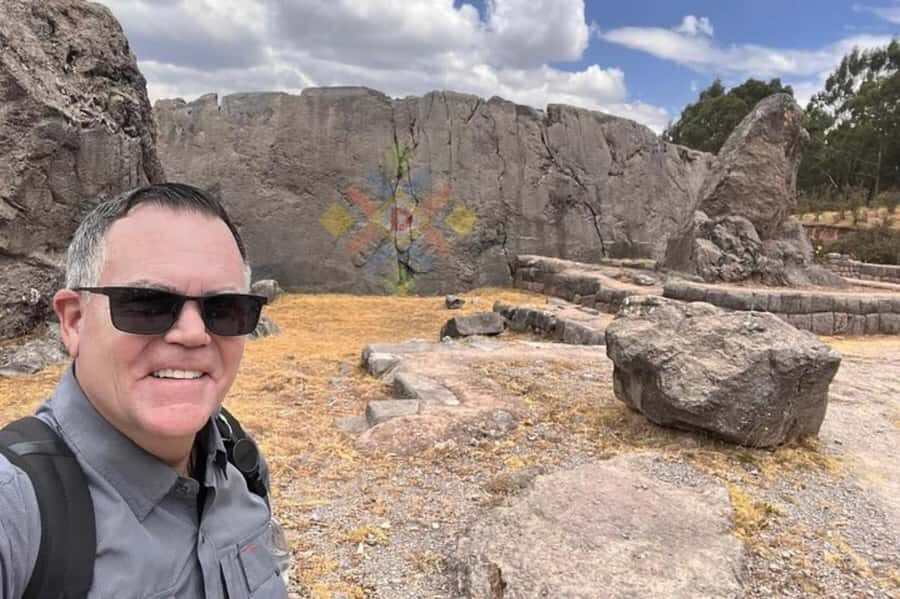
Next up is Q’enqo, and it’s a completely different vibe. Instead of walls and defense, you get labyrinthine passages and ceremonial altars. The name already suggests what the site feels like: narrow areas, changing sightlines, and spaces that guide your movement rather than letting you roam randomly.
What I find useful here is the contrast. If Sacsayhuaman gets you thinking about scale and authority, Q’enqo pushes you to think about ritual and space. A guide helps you connect the “maze feeling” to the idea that the site wasn’t just built to be seen—it was built to be used in ceremony.
If you’re the type who loves to understand what you’re looking at, this is a good stop. The guide can point out how the altars fit into the flow of the site, which makes your visit feel more coherent. And if you’re just in “I want to see cool ruins” mode, Q’enqo still delivers because the design is visually memorable on its own.
Puca Pucara: When Defense Was the Plan
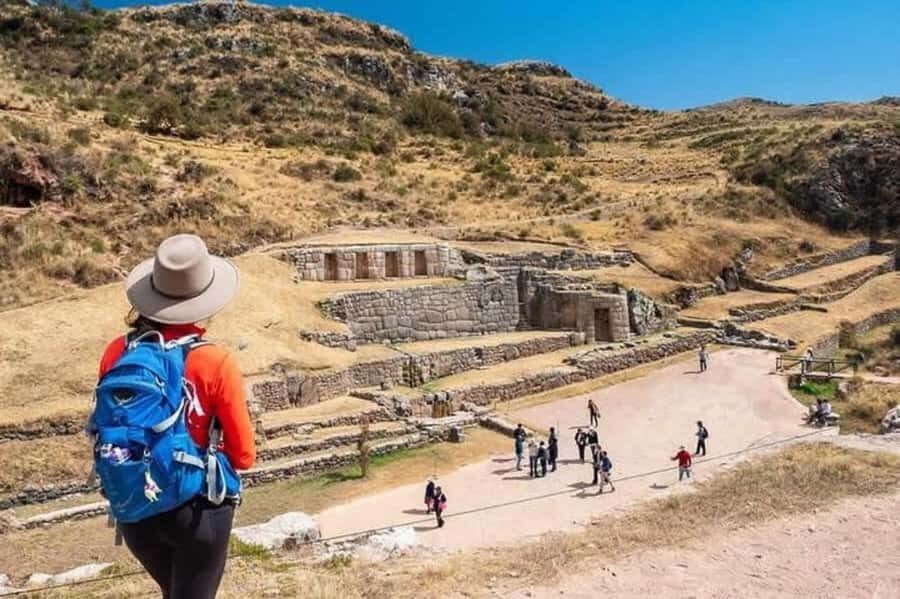
Puca Pucara shifts the theme again. This site is described as a military construction, and that matters. You’re not just scanning for pretty stones—you’re learning how the place played a strategic role in protecting the city.
Think of it as the “why it mattered” stop. Sacsayhuaman leans fortress, but Puca Pucara makes the defense angle more explicit. Expect the tour to explain the defensive purpose and what that suggests about how the area was used.
Practical consideration: this is still an outdoor archaeological visit, so you’ll want to manage your energy. Don’t overplan big extras for right after this portion of the day. You’ll likely want a calm reset before continuing through Cusco.
Tambomachay and the Inca Engineering of Water Worship
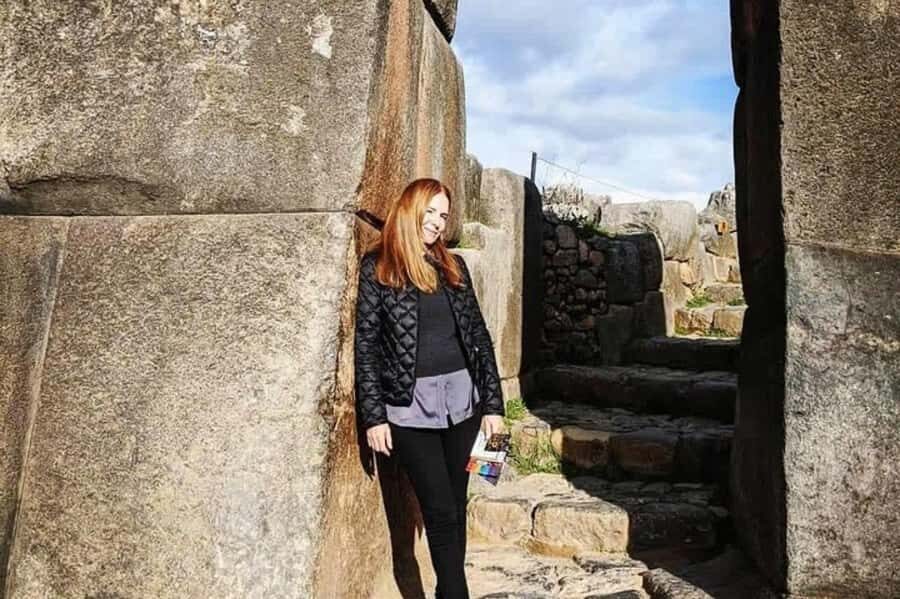
Tambomachay brings the mood down from stone-and-stare to water-and-engineering. This archaeological center is dedicated to the worship of water, and the highlight is the presence of intricate aqueducts and fountains.
What’s great here is that it’s not only about belief. Water systems are practical technology, and that practicality shows up in how the site is arranged. The tour experience frames Tambomachay as a place where the Incas used advanced engineering skills to support a spiritual purpose—so you’re not choosing between “science” and “culture.” You get both.
At this stop, slow down. Water features can be easy to glance at and move on, but this is the part where taking a few minutes to watch how the structures are laid out will pay off. You’ll come away with a better sense of why water mattered so much that it became part of sacred architecture.




Qoricancha Bonus: Temple of the Sun on Certain Departures
If you’re booked on the 9:00 AM or 1:00 PM schedule, you’ll get an extra stop at Qoricancha, also called the Temple of the Sun. The tour info describes it as a sacred site that once glittered with gold.
Even with no background knowledge, Qoricancha is worth adding because it ties directly to Incan spirituality at a major landmark in Cusco. The tour experience gives you the added context of why Qoricancha was important, and you can treat it as the “big sacred finale” (or near-finale), depending on how the route flows that day.
If you want a longer day with more iconic Cusco landmarks, choose one of those departure times. If your schedule is tight, stick with the core four-site loop.
Pick-Up, Round-Trip Transport, and the Center-of-Cusco Drop-Off
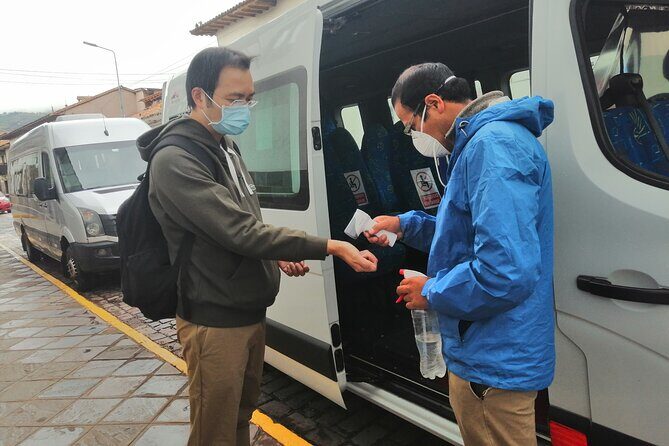
Logistics are often the difference between a good day and a stressful day. Here, you get pick up and round trip transportation, which is a big comfort in a city where you might not want to negotiate rides between ruins and return-to-town plans.
The transport piece is especially valuable if you’re staying a bit outside the center. The tour also finishes with drop-off in the center of Cusco, which makes it easier to keep your afternoon plans simple—dinner nearby, a walk, or additional exploring without paying for another round of transport.
And because this tour includes a live guide, you’ll have someone to coordinate the stops so you aren’t wandering off to check maps every few minutes. That alone can make your experience feel more relaxing.
Price and Value: What $21 Covers (and What You Pay Extra For)
The base price is $21 per person, and the tour includes pick up, round trip transportation, and a bilingual guide. That’s a strong starting value for a multi-stop half-day.
But here’s the part to budget correctly: entry/admission fees are not included for Sacsayhuaman, Q’enqo, Tambomachay, Puca Pucara, and Qoricancha (when the Qoricancha stop is part of your schedule). So the real cost of the day depends on the sites’ admission fees.
I recommend you think of the $21 as paying for the route, the guide, and the transport. Then you add admission tickets on top. If you plan to visit multiple major sites anyway, this format usually works out better than paying separately for individual guides or trying to piece together rides on your own.
Also note: the tour info lists Spanish as the language for the live guide. The “bilingual guide” detail means you should still expect extra language support, but don’t assume. If language matters for you, it’s worth double-checking in advance.
Who Should Book This Tour (and Who Might Not)
This experience is listed as not suitable for children under 5 and for people over 75. That’s a useful flag for choosing wisely, especially in an environment where walking on uneven surfaces can be part of the experience.
For me, this tour fits best if:
- you want a structured route through major Cusco ruins
- you prefer having transportation handled
- you like learning the meaning behind what you’re seeing (fortress, ceremony, defense, water worship)
It may be less ideal if you need long time at only one site or you’re hoping for a super slow museum-style pacing. This is a “see multiple highlights” format, so the value is in the sequence, not in lingering for hours at a single stop.
Practical Tips for Enjoying Every Stop
A few small moves can make the day feel much smoother:
- Bring cash or a payment method for admission tickets, since they’re not included.
- Wear comfortable, grippy shoes. Ruins are often uneven, and you’ll naturally move around for better angles.
- Have a light layer. Even if the weather looks fine at pickup, conditions can shift as you move through open-air areas.
- Use the guide time. Ask questions early, then watch for the explanations to “click” as you reach each site.
This is also the kind of tour where good photos are partly about timing. If you rush, you miss good sightlines. If you pause, the sites start telling their stories in a more personal way.
Should You Book the Cusco Sacsayhuaman–Qenqo–Puca Pucara–Tambomachay Tour?
I’d book it if you want a clean, high-value Cusco ruins day with four major stops (and a Qoricancha bonus on the right departure time). The biggest reasons to choose it are straightforward: you get guided context, the transport is handled, and the route hits different themes—fortress, ritual, defense, and water worship—so the day doesn’t feel repetitive.
I’d think twice if you dislike paying extra for site admissions or if you need a slower pace with long breaks. Also, if age or mobility is a concern, follow the tour’s suitability guidelines closely.
With a 4.8/5 rating from four verified bookings, the overall signal is clear: when the logistics line up (pickup, transport, guided stops), people tend to leave feeling like the day was worth the time.
FAQ
How long is the Cusco Sacsayhuaman, Qenqo, Puca Pucara & Tambomachay tour?
The tour duration is listed as 270 minutes.
Where does this tour take place?
It takes place in the Cusco Region, Peru.
What is the price per person?
The price is $21 per person.
What is included in the tour?
The tour includes pick up, round trip transportation, and a bilingual guide.
Which site entry tickets are not included?
Entry/admission is not included for Sacsayhuaman, Q’enqo, Tambomachay, Puca Pucara, and Qoricancha.
Is Qoricancha included, or only sometimes?
Qoricancha is included for the 9:00 AM and 1:00 PM schedules.
What language is the guide?
The live tour guide is Spanish.
Where does the tour end?
The tour ends with a drop-off in the center of Cusco.
Who should not book this tour?
It is not suitable for children under 5 and people over 75.