REVIEW · CUSCO
4-Hour City Tour of Cusco Including Four Ruins
Book on Viator →Operated by Heidi Travel EIRL · Bookable on Viator
Cusco ruins hit differently when the stories come alive. This tour is a smart, tight way to see four Inca sites in one go, with a bilingual guide who focuses on legends, engineering, and what life may have looked like before the Spanish arrived. I like that the route is designed to help you get used to the altitude as you move from stop to stop, instead of rushing straight from landmark to landmark.
Two things I also really like: the pacing leaves time for questions, and the small-group setup (private for your group) typically means your guide can slow down when you need a minute. Possible drawback: entrance fees are not included, so you’ll want to plan extra cash on top of the $98 price and make sure you have enough time budgeted for the last stop.
In This Review
- Key things to notice before you go
- Why this four-ruin Cusco route works at altitude
- Price and logistics: what $98 includes, and what to budget
- The pacing: how 1 hour per site feels in practice
- Stop 1: Sacsayhuamán and the stone puzzle that still stuns
- Stop 2: Q’enqo’s carved rock, labyrinth passages, and moonlight theory
- Stop 3: Tambomachay’s water worship and precise stonework
- Stop 4: Puka Pukara’s tambo role and fortress look
- What makes the guide matter in Cusco ruins
- Who this tour is best for
- Should you book this Cusco city tour of four ruins?
- FAQ
- How long is the tour?
- Which ruins are included?
- Is there a morning or afternoon option?
- Is the guide bilingual?
- Is this a private tour?
- Are entrance fees included?
- Is food included?
- Where do we meet, and does transport include pickup?
- Can I cancel for a full refund?
Key things to notice before you go
- Altitude-aware pacing: you’ll explore with breaks built into the flow between major ruins.
- Four sites, one loop: Sacsayhuamán, Q’enqo, Tambomachay, and Puka Pukara keep the story moving.
- Bilingual guide support: helpful for history and for translating the legends into plain language.
- Time at each stop: about 1 hour at the first three, then about 30 minutes at Puka Pukara.
- Tickets cost extra: transport is included, but entrance fees are not.
- Morning or afternoon option: choose the start time that fits your energy level.
Why this four-ruin Cusco route works at altitude
Cusco is high, and the ruins sit higher still in spots. The beauty of this tour is that it’s structured like a gentle ramp: you start at big, open Sacsayhuamán, then move into other carved-and-stone sites with varied terrain. The highlight is that it’s explicitly meant to help you climatize while you tour, so you’re not just sprinting across the map.
You’ll also get something many half-day tours miss: the guide doesn’t treat the sites like museum labels. You’ll hear Inca legends tied to each place, from the meaning behind Sacsayhuamán’s name to water worship at Tambomachay. If your guide is the type to answer follow-up questions, this format is especially good because the group stays small and you’re not constantly being swept along.
You can also read our reviews of more city tours in Cusco
Price and logistics: what $98 includes, and what to budget
At $98 per person, this is positioned as a full, guided half-day with transport and a bilingual guide. That price starts making sense fast once you price out the cost of getting around Cusco on your own and booking a guide for multiple sites.
Here’s what’s not included, so you can avoid the last-minute money scramble:
- Food and beverages: budget PEN 60 per person
- Entrance fees: budget PEN 70 per person
Also note the tour runs about 5 hours on average, even though it’s often described as a half-day. In real life, those extra minutes matter at altitude, and they also matter if you want to actually look at the details instead of speed-reading stones.
Transport is included, and the tour starts and ends back at HEIDI TRAVEL EIRLC., Plateros 324, Cusco. That’s convenient if you’re staying central and don’t want a long pickup maze.
The pacing: how 1 hour per site feels in practice

You get about:
- 1 hour at Sacsayhuamán
- 1 hour at Q’enqo
- 1 hour at Tambomachay
- 30 minutes at Puka Pukara
This timing is ideal for seeing the main features and hearing the main stories, especially if you’re not trying to hike for hours. The trade-off is that the last stop is shorter, so if you’re the type who wants to linger, you’ll want to pace yourself earlier in the day.
One practical tip: wear comfortable shoes and plan for cool-to-cold air. Even when the sun is bright, Cusco can feel sharper in the shade, and you’ll be outside through most of the tour.
Stop 1: Sacsayhuamán and the stone puzzle that still stuns
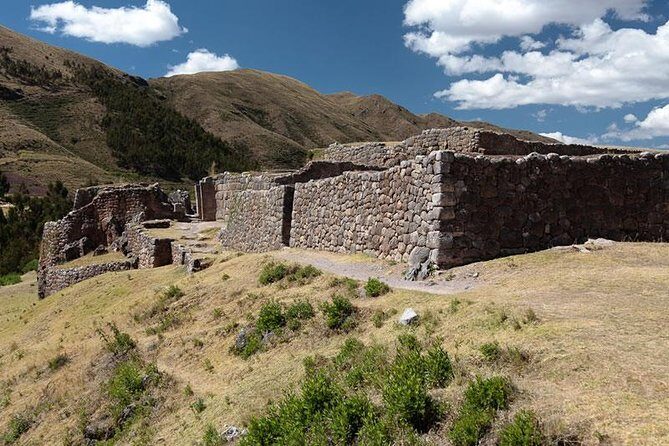
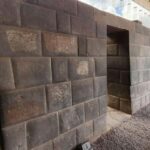
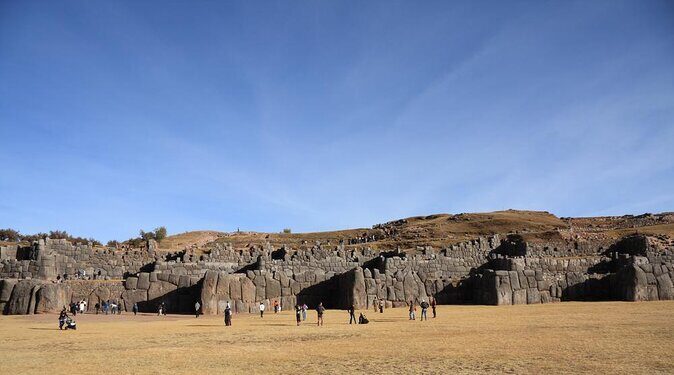
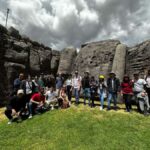
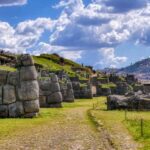
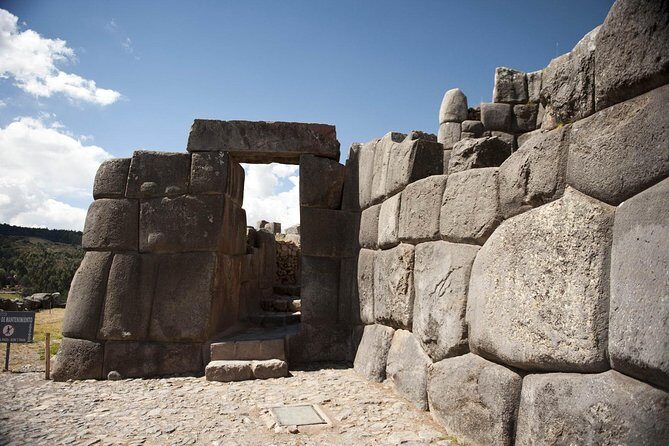
Sacsayhuamán is the kind of place where you stop thinking in modern terms. The walls are made of megalithic stones that can weigh from about 99 to 138 tons, cut into different sizes and fitted together with no mortar. You’re looking at careful geometry, not rough stacking.
The name is part of the intrigue too. It’s linked to Quechua words often explained as meaning satiate (eat your fill) and hawk (with the combined idea of eating your fill, hawk). That explanation doesn’t just sound poetic. It’s tied to the idea that birds were divine protectors of the Incas and part of the military battalions.
You’ll also hear how large stones were cut and transported from areas linked to Huaqoto and Rumiqolqa, and the story that about 20,000 men worked on the construction. Even if you treat the numbers carefully, the point lands: this was a massive coordinated project.
What to watch for while you’re there:
- The way stone edges meet at lots of angles
- The overall scale of the walls compared to your own body for scale
- Any interpretive points your guide emphasizes, since the engineering details can feel hard to “see” without direction
Stop 2: Q’enqo’s carved rock, labyrinth passages, and moonlight theory
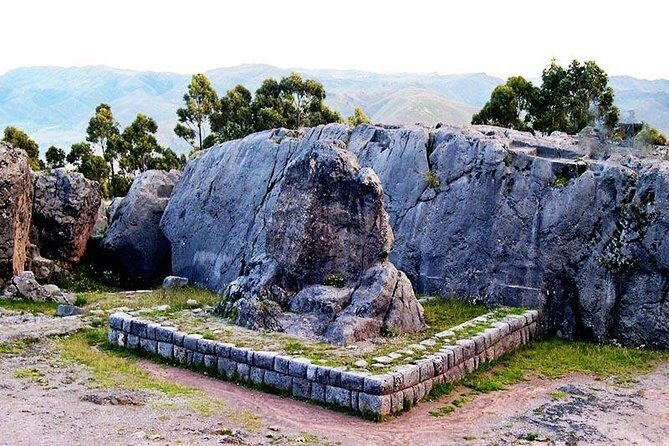
Q’enqo is all about form—carved rocks that, according to tradition, weren’t destroyed by the Spanish in the same way as other sites. Today, you won’t see a full map of paths and enclosures in perfect shape, but the key features are still there: carved rockwork, a sense of structured movement, and the big role played by gold and light in the legends.
The story here gets intense. Q’enqo is often described as a possible worship center, with passages that resemble a labyrinth. In the flanks are channels sometimes compared to Amarus, or snake forms, with the idea that animal-sacrifice blood ran through them. Some chroniclers wrote disturbing accounts, including claims of sacrifices beyond animals—stories that your guide may explain in a careful, historical way.
Another striking detail you may hear: there’s a sacrifice room inside an underground chamber. A large rock is said to have been covered in gold, and a hole above it lets moonlight shine down in a way described as illuminating the golden layer. Whether you take that as literal or symbolic, it’s a reminder that the Incas built for more than daylight viewing.
If your guide is strong—think names like Miguel or Vida—you’ll probably get extra context and time for questions, because Q’enqo is the kind of place where you’ll want to ask how and why it was used.




Stop 3: Tambomachay’s water worship and precise stonework
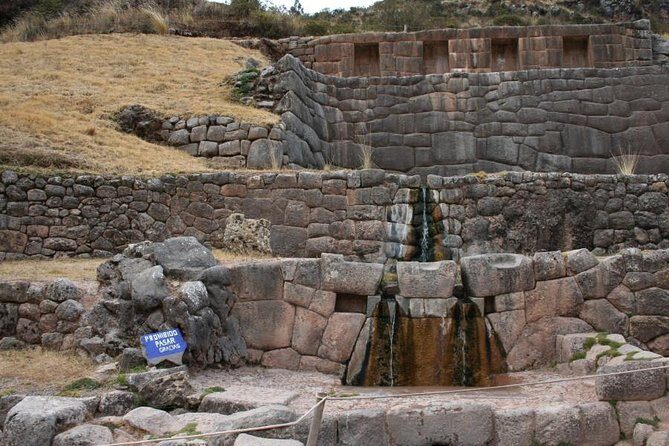
Tambomachay sits at about 12,350 feet and it feels different from the other stops. Instead of focusing on fortification walls or carved labyrinths, you’re looking at how the Incas handled water and movement.
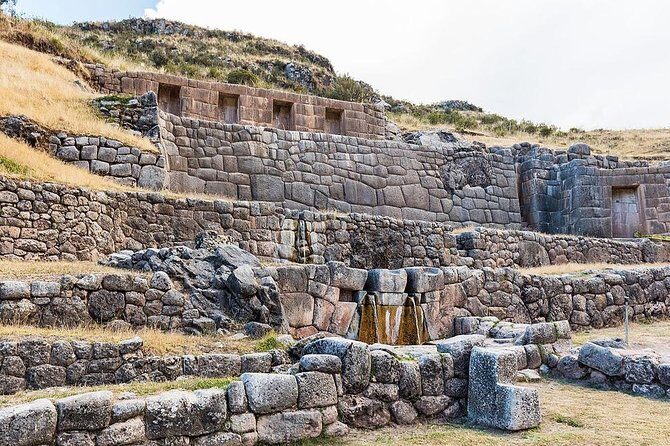
The site’s architecture uses precisely cut stones, and water from nearby streams runs through aqueducts and small cascades. The legends and interpretations connect it to Andean water veneration—water wasn’t just practical. It was sacred and important to worldview.
A key detail is that Tambomachay is described as having two aqueducts with artistic engravings in the rock, supplying a steady flow of clean water through the year. The name is often translated as place of rest, and that leads experts to believe people came here to rest and reset.
If you enjoy hiking or just want your eyes to have something to follow besides stone walls, this is often the most satisfying stop because the water features give you a natural focal point. Even if you’re not doing a long hike beyond the tour, it can feel like a break in the day.
Stop 4: Puka Pukara’s tambo role and fortress look
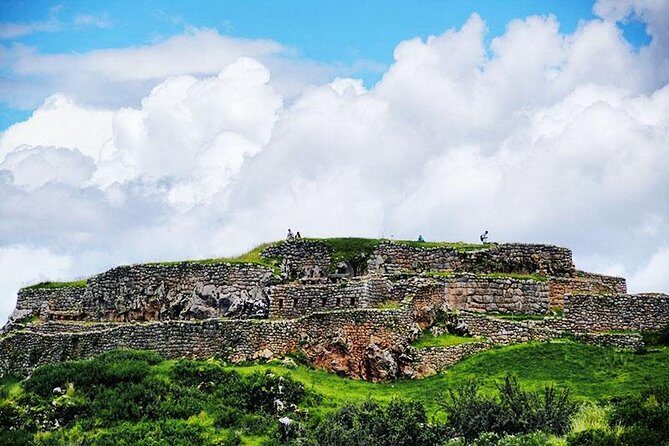
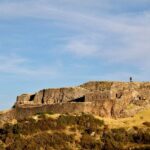
Puka Pukara is shorter on time, but it’s still packed. The complex includes halls, inner plazas, aqueducts, watchtowers, and paths. The big idea you’ll hear is that it likely functioned as a tambo, a place for rest and lodging.
There’s also a legend tied to Tambomachay: when the Inca visited the water site, he was accompanied by a large retinue, and the group staying nearby is linked to Puka Pukara. That story helps explain why a place like this would have had the infrastructure to host people, not just defend territory.
Its fortified appearance is part of why it’s sometimes called a fortress. In other words, it may have served everyday needs while still looking built for protection.
Because the stop is about 30 minutes, go in with a plan. Don’t try to see everything. Look for the aqueduct lines, the way the paths connect, and the defensive-feeling arrangement of the space.
What makes the guide matter in Cusco ruins
Guides are the difference between collecting photos and actually understanding what you’re seeing. This tour is built around legends and stories, and the guide’s job is to translate those stories into real “here’s what you’re looking at” moments.
That’s also why people often praise the experience when the guide has strong command and a friendly way of answering questions. Names that come up in the style of guiding include Miguel, Vida, and Norah. Even if your guide isn’t one of those names, you can still judge the tour by the same standard: clear explanations, good pacing, and answers that don’t dodge your questions.
A practical way to get more from the tour: ask one question at each stop that connects to the last one. For example, you might ask how water worship links to daily life, or how architecture served both function and meaning.
Who this tour is best for
This is a solid choice if:
- You’re short on time and want multiple Inca sites in one half-day loop
- You want a bilingual guide and stories, not just a driver dropping you at gates
- You’re dealing with altitude and want a route that’s designed to help you adjust
It’s also a good fit for couples and small groups who prefer not to join a giant bus crowd. Since it’s private for your group, you typically get more attention and fewer interruptions.
If you’re a hardcore ruins explorer who wants long, slow wandering and deep hiking routes, you may find the stop times a bit tight. In that case, pair this with one longer, separate excursion later.
Should you book this Cusco city tour of four ruins?
I’d book it if your goal is the fast, meaningful Cusco hits. The combination of four major sites, a bilingual guide, and an altitude-aware pacing makes this a strong value for the money, especially when you add in transport.
I’d be cautious if you hate budgeting for entrance fees or if you’re extremely tight on time at the end of the tour, since Puka Pukara is the shortest stop. A smooth day matters more than you think at altitude, so confirm your timing and keep your schedule flexible.
If you’re choosing between seeing one site or four, this tour gives you breadth without turning into a rushed blur.
FAQ
How long is the tour?
The tour runs about 5 hours on average.
Which ruins are included?
You’ll visit Sacsayhuamán, Q’enqo, Tambomachay, and Puka Pukara.
Is there a morning or afternoon option?
Yes, you can choose from a morning or afternoon tour.
Is the guide bilingual?
Yes, the tour includes a bilingual guide.
Is this a private tour?
This is a private tour/activity, so only your group participates.
Are entrance fees included?
No. Entrance fees are not included, and the listed entrance fee is PEN 70 per person.
Is food included?
No. Food and beverages are not included, and the listed budget is PEN 60 per person.
Where do we meet, and does transport include pickup?
You meet at HEIDI TRAVEL EIRLC., Plateros 324, Cusco 08000, Peru. Transport is included, and the activity ends back at the meeting point.
Can I cancel for a full refund?
Yes. You can cancel up to 24 hours in advance for a full refund. If you cancel less than 24 hours before the start time, the amount paid is not refunded.