REVIEW · CUSCO
4 Day – Inca Jungle to Machu Picchu
Book on Viator →Operated by Inca Path Tour Operator · Bookable on Viator
Bike, hike, and wake for Machu Picchu sunrise. What makes this route feel special is the mix of adrenaline biking and long jungle hikes, then the big finale: a guided Machu Picchu visit timed for sunrise. You also spend nights in the Andes towns, not just in transit.
I especially love the safety-first gear for the downhill bike days and the strong guiding through the Sacred Valley and the route itself. One possible drawback: pre-tour communication and organization can be a little messy, and you may find extra costs like hot springs running higher than the lowest estimate you’re given.
In This Review
- Key highlights you’ll actually feel
- Why This Inca Jungle Route Hits Better Than a Straight Machu Picchu Day Trip
- Cusco Pickup, Sacred Valley Drive, and the Jump to Malaga Pass
- The 55 km Bike Ride to Wamanmarca: Cold, Cloud Forest, and Real Downhill Fun
- Santa Maria Stops: Rest, Views, and Optional Vilcanota Rafting
- Day 2 Trek to Cocalmayo Hot Springs: Coca, Coffee, Cacao, and the Original Inca Trail
- Day 3 to Aguas Calientes: Hydro Plant Lunch, Railroad Track Walk, and Optional Zip-Line
- Machu Picchu at Sunrise: 4:20 a.m. Hike, Guided Ruins, and Huayna Picchu
- Value for $450: What You’re Getting vs. What Costs Extra
- How Hard Is It? Fitness, Altitude, and What to Expect
- What to Pack and How to Plan the Extras (Hot Springs, Zip-Line, Huayna Picchu)
- Should You Book the Inca Jungle to Machu Picchu Route?
- FAQ
- What is the duration of the Inca Jungle to Machu Picchu tour?
- How much does the tour cost?
- What does the tour include for Machu Picchu access and transport?
- Are hot springs and the bus to Machu Picchu included?
- Is zip-lining included?
- Is rafting included?
- What’s the fitness level required?
Key highlights you’ll actually feel
- Malaga Pass to Wamanmarca bike ride (about 55 km) with protective gear
- Cloud-forest trek with coca, coffee, cacao, and tropical fruit stops
- Crossing the original Inca trail plus a Vilcanota River monkey bridge
- Hydroelectric plant lunch and railroad-track hike into Aguas Calientes
- 4:20 a.m. sunrise hike up to Machu Picchu with a guided tour
- Small group size (max 15) and a bilingual Spanish-English guide
Why This Inca Jungle Route Hits Better Than a Straight Machu Picchu Day Trip
If you think of Machu Picchu as only a single “big day,” this tour changes the feel of the whole trip. You get biking through the Andes and cloud forest, then hiking alongside the Vilcanota River, and only then the sunrise citadel moment. The result is that Machu Picchu doesn’t arrive out of nowhere. It feels earned.
I like that the day-to-day rhythm is designed around movement: descend by bike, then earn your rest by hiking. I also like that Machu Picchu itself is handled with a guided two-hour visit and early timing for sunrise views.
The tradeoff is time and effort. This is not a sit-and-watch tour. You’ll be active, on foot and by bike, across multiple long days and early starts.
You can also read our reviews of more tours and experiences in Cusco
Cusco Pickup, Sacred Valley Drive, and the Jump to Malaga Pass
Your day begins with a 7:00 a.m. pickup from near the Plaza de Armas area in Cusco. From there, you ride about 90 minutes through the Sacred Valley, passing places like Chinchero, Urubamba, and Ollantaytambo. You’ll get a 30-minute break before continuing up toward altitude.
Then comes Malaga Pass at 4,350 meters. This is where the tour’s first “reality check” happens: you feel the cold and dry air early, and you need layers ready. Even if you’re used to Cusco, this is still a high start, so give yourself a little grace with pacing and hydration right away.
This opening transport matters because it sets the stage for the rest of the itinerary. You’re not rushing straight into Machu Picchu. You’re transitioning into the terrain you’ll ride and hike for the next few days.
The 55 km Bike Ride to Wamanmarca: Cold, Cloud Forest, and Real Downhill Fun
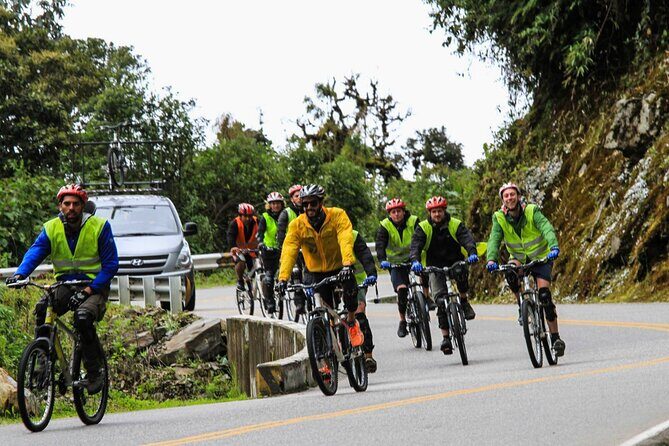
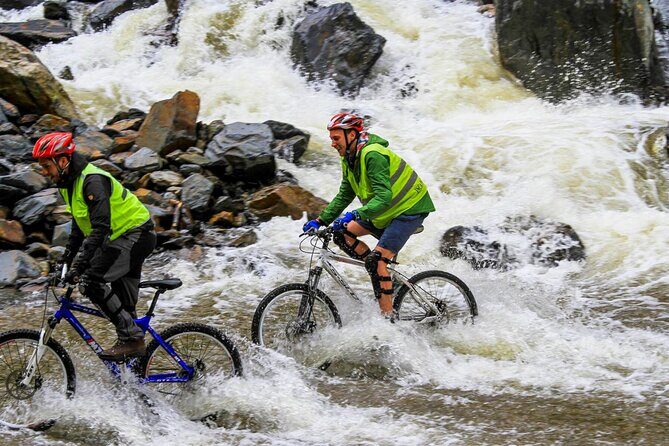
After arriving at Malaga Pass, you start the bike segment with a downhill ride to Wamanmarca. The ride is about 3 hours and roughly 55 km, and it’s designed to change with the altitude as you go. You’ll likely feel the climate shift fast—from cold and dry to hot and humid—as you drop into warmer zones.
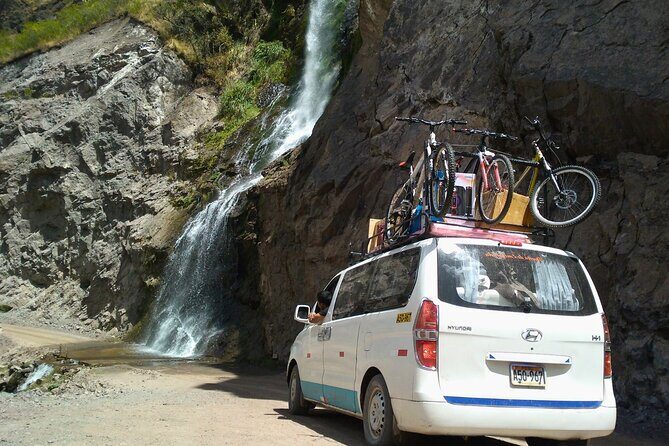
What makes this section stand out is the attention to safety. You’re provided with helmets, knee pads, gloves, and body armor, which is a big deal on a rougher route. On top of that, people have noted they supply extra items like water shoes and even a towel, which helps when conditions get messy.
The practical takeaway: if you ride bikes at home, you’ll probably be comfortable. If you don’t, don’t panic, but treat this like real sport, not casual cruising. You’ll want to pay attention to guide instructions and pace yourself through the first part so you don’t gas out too early.
Santa Maria Stops: Rest, Views, and Optional Vilcanota Rafting
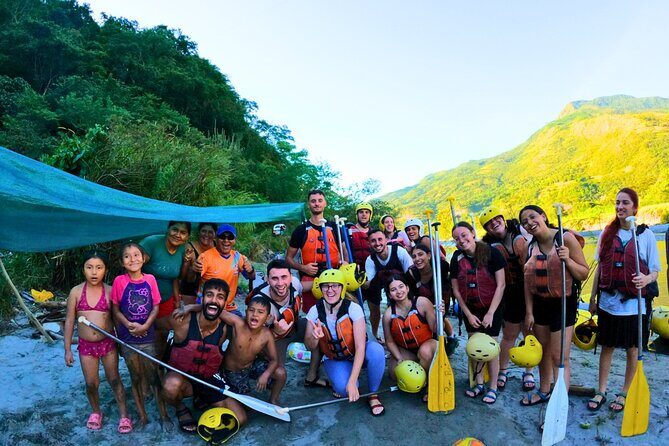
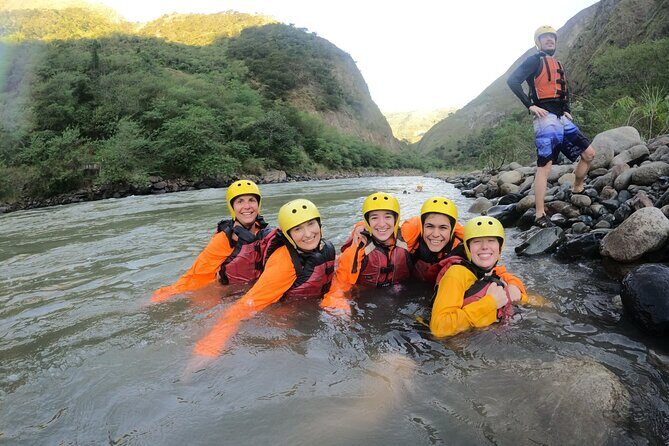
Once you finish the bike ride, you transfer to Santa Maria. This is where you cool down, eat, and let your legs recover a bit. It’s also where the tour offers an extra adrenaline option: you can add rafting on the Vilcanota River for an additional fee.
Even if you don’t raft, this downtime is useful. The tour stacks effort across Day 2 and Day 3, and Santa Maria gives you a buffer before the longer hiking day. Think of it as the “reset button” before you move deeper into the jungle-side scenery.
If you do choose rafting, keep in mind it’s not included, so plan cash or payment in advance.
Day 2 Trek to Cocalmayo Hot Springs: Coca, Coffee, Cacao, and the Original Inca Trail
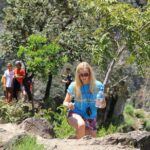
Day 2 starts early at 6:30 a.m. after breakfast, and it’s your first long hike into cloud forest. The effort builds in stages: about 1 hour flat, then 2 hours uphill. This is a classic “start easy, then work” structure that helps you settle into the day.
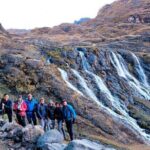
You’ll pass plantation areas where you can see crops like coca, coffee, cacao, and tropical fruits. One of the more memorable moments is a stop at the house of the Pispitayoq family for around 20 minutes of rest. That break keeps the hike from feeling like a nonstop grind.
Then you cross the original Inca trail, which adds a special sense of place. After that crossing, the walking becomes easier, and you’ll reach Qellomayu after about 90 minutes for lunch.
In the afternoon, the hike continues along the Vilcanota River for about 3 hours, and then you cross via a monkey bridge. After roughly 7 to 8 hours total of hiking, you arrive at the Cocalmayo hot springs and continue onward to Santa Teresa (around 1,540 meters).
A key note: hot springs admission is not included. The listed fee may be lower than what you end up paying on the day, so I’d budget a little extra just in case.
Day 3 to Aguas Calientes: Hydro Plant Lunch, Railroad Track Walk, and Optional Zip-Line
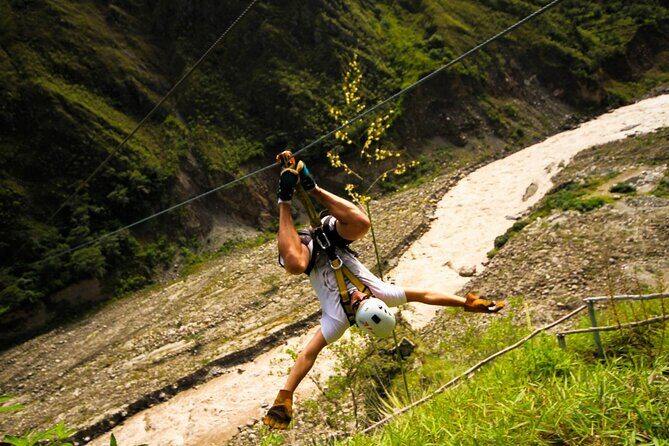
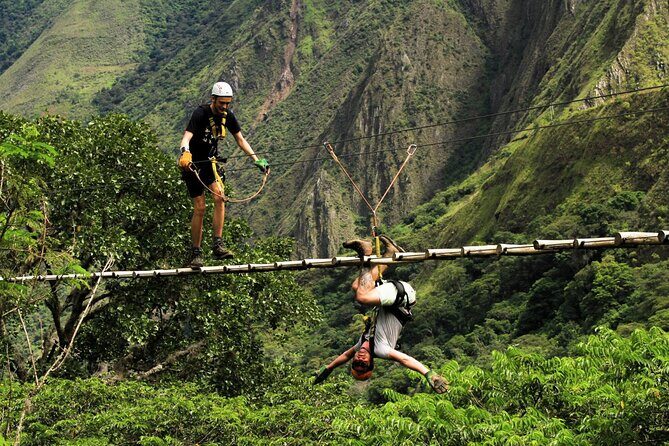
You start Day 3 with breakfast at 7:00 a.m. Before hiking, there’s an optional zip-line add-on (not included). If you do zip-lining, the schedule notes you’ll skip part of the walking so that you still reach Aguas Calientes on a shorter hike.
If you don’t zip-line, the day is split into two walking segments:
- About 3 hours on a dirt trail to a hydroelectric plant, where you have lunch
- About 3 more hours along the railroad track, with views of flora and fauna along the way
Machu Picchu ruins can appear in the distance during this section, which is a great psychological push. You’re not just walking toward the town. You’re getting glimpses of what’s next.
You arrive in Aguas Calientes around 5:00 p.m., where you stay overnight at a hostel with private bathrooms and hot water. That matters because Aguas Calientes can be cold at night, and having real comfort makes a difference before your sunrise hike.
Also, this is your free time window. You can use it for shopping, snacks, or just getting off your feet and preparing for the next morning.
Machu Picchu at Sunrise: 4:20 a.m. Hike, Guided Ruins, and Huayna Picchu
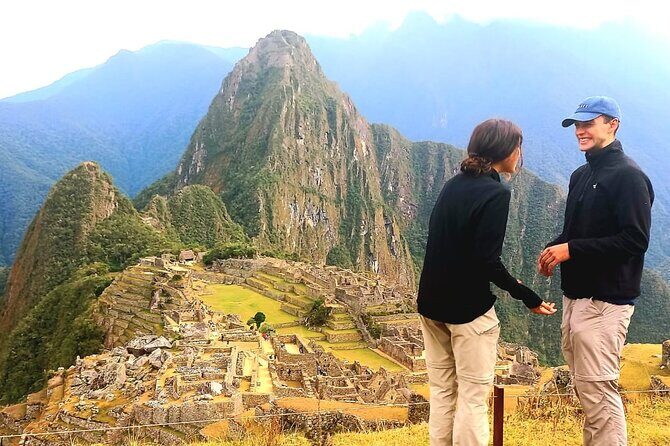
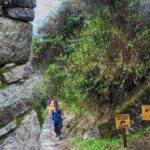
Day 4 is the big one. At 4:20 a.m., you start a 90-minute hike up to Machu Picchu, timed so you have a shot at sunrise over the ruins. That early departure is one reason this tour feels like more than a checklist. You arrive when the site is fresh and the mood is calm.
Once you’re there, you get a two-hour guided tour. After that, you have free time to explore on your own and/or climb Huayna Picchu. Climbing Huayna Picchu has an additional fee.
Now, there’s also a mention that the bus to Machu Picchu costs extra (not included). This route includes a hike up to the citadel, so the bus fee is more relevant if you change your plan or need an alternative. In any case, I’d keep that extra cost in mind so you don’t get surprised.
After the visit, you catch the train back to Ollantaytambo, then ride about 2 hours by bus back to Cusco. That end-to-end structure is a big value point: you’re not hunting schedules on your own.
Value for $450: What You’re Getting vs. What Costs Extra
At $450 per person, this tour can feel like a steal or a stretch depending on what you’d otherwise pay separately. The real value is that several expensive pieces are handled for you.
Included highlights:
- Machu Picchu entrance fees
- Train from Aguas Calientes to Ollantaytambo
- Bus from Ollantaytambo to Cusco
- 3 nights accommodation
- Breakfast (3), lunch (3), dinner (3)
- Bikes and protective gear for the downhill ride
- A bilingual Spanish-English guide
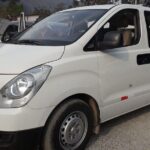
- Transport segments like private transfer from Cusco to the Malaga Pass/Santa Maria area
- A briefing the night before
Not included (so you should budget ahead):
- Hot springs entrance fee
- Bus to Machu Picchu (not included)
- Rafting add-on
- Zip-line add-on
- Breakfast on the first day
- Lunch at Machu Picchu
My practical advice: this is a good deal if you want Machu Picchu without cobbling together tickets, train timing, and guides yourself. It’s also a good deal if you’ll actually use the adrenaline extras. If you skip rafting and zip-line, you’re still paying for a structured hiking-and-bike experience plus the Machu Picchu access and transport.
How Hard Is It? Fitness, Altitude, and What to Expect
This tour is listed for travelers with moderate physical fitness. In real terms, you should be prepared for:
- A 55 km bike ride over about 3 hours
- A long hike on Day 2, roughly 7 to 8 hours total
- Another hiking day on Day 3 around 6 hours if you skip zip-line
- A 90-minute early hike up to Machu Picchu at 4:20 a.m.
Also, you start at altitude early with Malaga Pass (4,350 m). Even if you’re acclimated to Cusco, it’s still a cold start for many people. If you get tired easily at altitude, build in extra caution with breathing and hydration right away.
The good news is that safety is taken seriously on the bike segment with protective gear, and you’re not going it alone. Small group size (max 15) helps because the guide can keep an eye on the pace and route conditions.
What to Pack and How to Plan the Extras (Hot Springs, Zip-Line, Huayna Picchu)
Pack for fast-changing conditions. You’ll go from cold, high-altitude air to warm, humid jungle zones. Bring layers you can actually adjust, and plan for wet or muddy sections during hikes.
For costs, keep a simple budget in mind:
- Hot springs admission (not included, and you may pay more than a low estimate)
- Zip-line if you want it
- Rafting if you want it
- Huayna Picchu if you want the extra climb
- Any optional bus use related to Machu Picchu
If you like adrenaline, the extras feel like they fit the route. If you prefer to conserve energy for the Machu Picchu morning, skip the optional activities that increase physical load (or choose the zip-line option if it shortens the hike to Aguas Calientes).
Should You Book the Inca Jungle to Machu Picchu Route?
I’d book this if you want a Machu Picchu trip that includes real variety: bike downhill, cloud-forest hiking, river scenery, hot springs time, and an early sunrise approach to the ruins. It’s also a strong pick if you want value—entrance fees and key transport are built in.
I’d think twice if you dislike long hikes, you hate early mornings, or you’re looking for a more relaxed schedule. Also, do a little homework on your side. One caution from past experiences is that communication before the tour can be uneven, so confirm what’s included versus optional and ask how the extras like zip-line and rafting will work for your exact days.
If you’re active and flexible, this itinerary is a smart way to turn 4 days into a full Peru story—before you even get to the Machu Picchu sunrise.
FAQ
What is the duration of the Inca Jungle to Machu Picchu tour?
It runs about 4 days.
How much does the tour cost?
The price is $450.00 per person.
What does the tour include for Machu Picchu access and transport?
It includes Machu Picchu entrance fees, the train from Aguas Calientes to Ollantaytambo, and the bus from Ollantaytambo to Cusco. The itinerary also includes a hike up to the citadel in the early morning.
Are hot springs and the bus to Machu Picchu included?
Hot springs entrance is not included. The bus to Machu Picchu is also not included.
Is zip-lining included?
No. Zip-lining is optional and not included (listed as USD 25.00). There’s also an option that changes how much hiking you do depending on whether you zip-line.
Is rafting included?
No. Rafting on the Vilcanota River is optional and not included (listed as USD 25.00).
What’s the fitness level required?
The tour is for travelers with moderate physical fitness, including a long hike day and a downhill bike segment.