REVIEW · SACRED VALLEY
Inca Jungle 4 Days and 3 Nights premium
Book on Viator →Operated by Southern Peru Explorers · Bookable on Viator
Early starts, big views, zero fluff. This premium Inca Jungle 4 days and 3 nights route in Peru blends Sacred Valley adventure with Machu Picchu day-lighting at sunrise. You’ll move fast, sleep in comfortable lodges/hostels, and spend less time figuring out logistics and more time doing the fun parts.
What I like most is the mix of action and timing. Your day is packed—downhill biking into the jungle, rafting on the Urubamba River, zip-lines, hot springs, and then Machu Picchu—yet it still feels organized. Second, the trip runs on real human support: guides like Joel (who coordinates the moving parts) and on-the-ground leaders such as Andy, Jhimmy, and Gustavo showed up with clear explanations, quick adjustments when needed, and good energy.
The main thing to consider is the early-morning schedule. You’ll be up before dawn (5:00 a.m. pickup on Day 1, and a 4:30 a.m. start on the Machu Picchu day). Also, not every adrenaline activity is included in the price—zip-line and rafting have extra fees—so budget for that up front.
In This Review
- Key things that make this Inca Jungle Premium run worth it
- Cusco to the Sacred Valley: the rhythm of the trip
- Day 1: Santa Maria—downhill biking into the jungle, then Urubamba rafting
- The bike descent segment
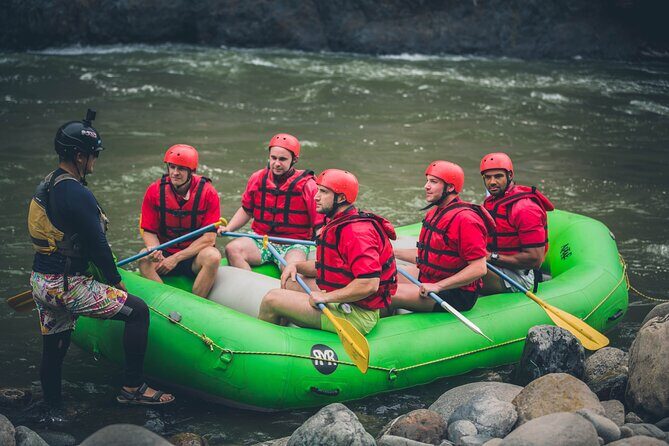
- Lunch and then rafting on the Urubamba River
- Day 2: Zip-lines, Hidroeléctrica lunch, and the walk into Aguas Calientes
- Zip-line details: high, fast, and set up for safety
- Lunch at Hidroeléctrica, then into Machu Picchu territory
- Day 3: Machu Picchu options—5 zip-lines or hiking, plus the final approach
- Morning adventure: zip-lines 150 meters above ground (optional)
- Lunch at Hidroeléctrica, then walking to Aguas Calientes
- Day 4: Machu Picchu sunrise, 2.5-hour guided tour, and the Huayna Picchu add-on
- Your guided walk through Machu Picchu
- Free time, then optional mountain climb
- Price and value: what’s included, what costs extra
- Guides, safety, and comfort: what you’ll actually feel day to day
- Who this Inca Jungle trip is best for (and who should look elsewhere)
- Should you book Inca Jungle 4 Days and 3 Nights premium?
- FAQ
- Where does the tour start and what’s the meeting point?
- What time is pickup on Day 1?
- Is this tour private?
- What language is the tour offered in?
- Are zip-lines and rafting included in the $600 price?
- Are Machu Picchu tickets included?
- How do you get back from Machu Picchu to Cusco?
- What’s the timing for the Machu Picchu sunrise day?
- Can I cancel for a full refund?
Key things that make this Inca Jungle Premium run worth it
- Private group setup so your pacing stays yours (only your group participates).
- Big-adrenaline days: downhill bike descent, Urubamba rafting, and zip-lines with speeds up to 70 km/h.
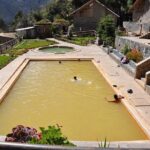
- Hot springs stop at Banos Termales de Cocalmayo after the zip-line day.
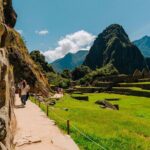
- Machu Picchu at sunrise with an early hike and a guided tour once you arrive.
- Included core logistics: Machu Picchu tickets, a return train to Cusco, and hotel/hostel stays for 3 nights.
Cusco to the Sacred Valley: the rhythm of the trip
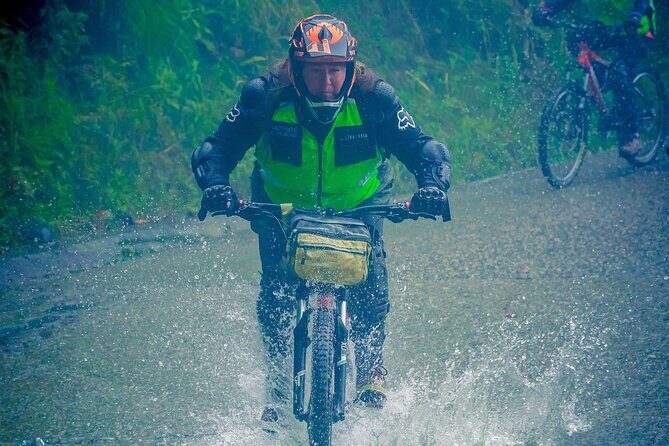
This is an action-packed route built around the fact that the best Machu Picchu experience usually starts before the crowds do. You begin in Cusco, with pickup offered and a very early start time on Day 1. The schedule is tight on purpose: you’ll ride, hike, and transfer between zones so you can fit the jungle portion and Machu Picchu into just four days.
On the logistics side, the tour is designed to remove guesswork. You get a briefing day before your tour, plus a professional guide to handle the chain of transport, meals, and activity timing. In real-world terms, that matters because trains and transfers in this region can be stressful when you’re doing it alone.
One more practical note: you’re not just “sightseeing.” You’re doing moving-adventure travel. If you like active trips but don’t want a punishing multi-day march, this is a good middle ground.
You can also read our reviews of more tours and experiences in Sacred Valley
Day 1: Santa Maria—downhill biking into the jungle, then Urubamba rafting
Your Day 1 starts with pickup from your Cusco hotel at 5:00 a.m., then a drive into the Sacred Valley. Along the way, you stop in Ollantaytambo briefly, then continue toward Abra Malaga, which is the start point for the big downhill segment.
The bike descent segment
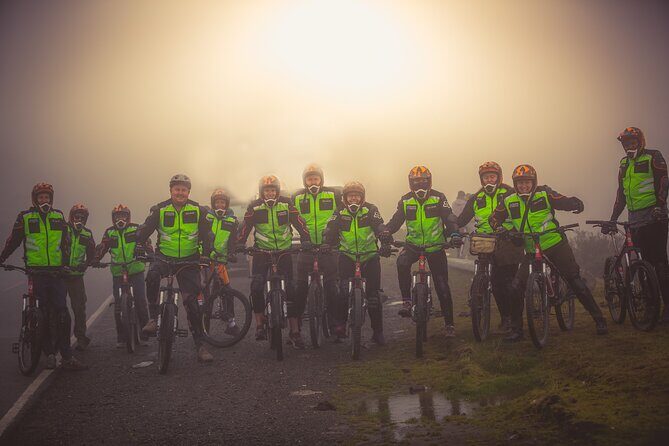
At Abra Malaga, you begin a three-hour bike descent. The route passes through small villages, rivers, and streams, with a couple of quick stops along the way—Huamanmarca is specifically called out. This is the kind of activity that feels scenic but is also genuinely physical: you’re alert, braking at the right moments, and paying attention to the road conditions.
A nice bonus here is that you’re not just racing down a trail. The villages and water features give the descent a sense of place and make it more than a single “adrenaline moment.”
Lunch and then rafting on the Urubamba River
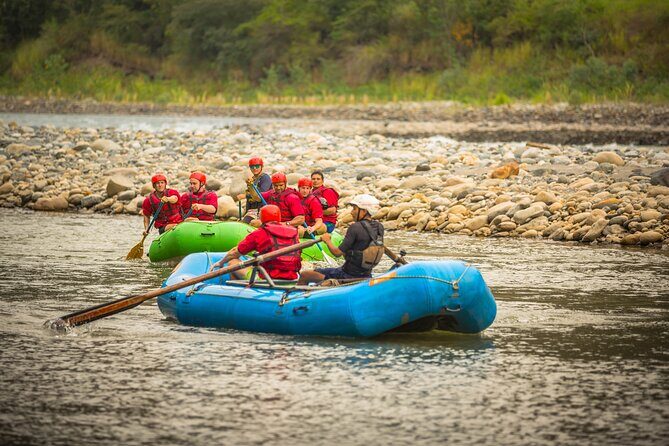
After biking, you continue to Santa Maria for lunch. Then the afternoon shifts from wheels to water: rafting on the Urubamba River with adrenaline levels 3 and 4.
Rafting at those difficulty levels isn’t just a float. You’ll feel the push of faster sections and the excitement of navigating rapids, while still being on a managed route with a guide team. You also get a clean transition into the evening: after rafting, you take a minivan to Santa Teresa, check in at the lodge, then settle in with dinner and sleep.
Value angle: Day 1 is doing two “wow” activities back to back without wasting time on extra transfers. That saves energy for Day 2 and makes the trip feel efficient.
Day 2: Zip-lines, Hidroeléctrica lunch, and the walk into Aguas Calientes
Day 2 is where the trip really leans into fast variety. After breakfast, you head to Banos Termales de Cocalmayo for a zip-line circuit.
Zip-line details: high, fast, and set up for safety
The zip-line experience is described as a set of five ziplines. You’re secured with a harness attached to a double cable anchored across mountains and canyons. The cable spans five sections, with the longest section 600 meters and the highest point 180 meters. Speeds can reach up to 70 km/h.
This isn’t the slow “zip and wave” style. It’s designed to feel like flight, and you’re strapped in for a reason—so treat the safety briefing as part of the experience, not paperwork.
Lunch at Hidroeléctrica, then into Machu Picchu territory
After the zip-line, you drive to Hidroeléctrica for lunch. Then you continue toward Machupicchu (Aguas Calientes) by walking near the train tracks.
That walk is a classic transition moment. You’re moving from the jungle-adventure zone into the area that feels tied to Machu Picchu. The scenery changes, the pace slows a notch, and you start feeling the build-up for the next day.
Dinner follows, then a final night in a lodge at the foot of Machu Picchu.
Practical consideration: Day 2 includes several “active minutes” in a row—zip-line, travel, then the walk. It’s doable, but it helps if you pack for comfort and keep your energy steady.
Day 3: Machu Picchu options—5 zip-lines or hiking, plus the final approach
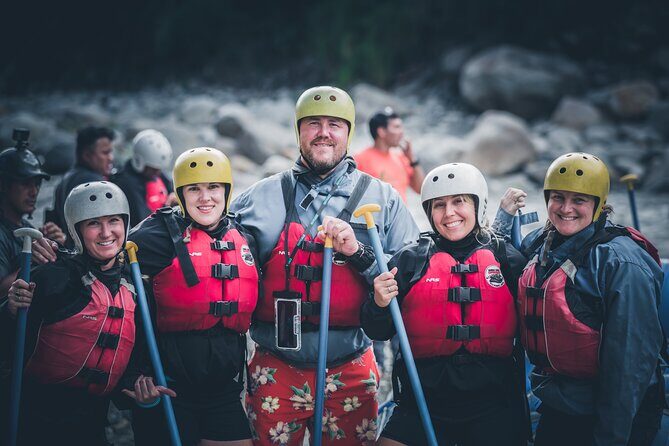
Day 3 starts with a Machu Picchu day plan, but the trip gives you a fork in the road.
Morning adventure: zip-lines 150 meters above ground (optional)
You’ll have a thrilling zip-line experience described as flying 150 meters above the ground, with five zip-lines. The setup again uses harnesses attached by pulley to the double cable anchored between two mountains and canyons. The longest section is 600 meters, the highest is 180 meters, and you can reach up to 70 km/h.
This adventure is labeled optional but highly recommended. If you’d rather hike, you can choose hiking instead of the zip-line experience.
That choice is a big deal if you want control over your energy levels. You can go all-in on adrenaline or keep it lower-key and save your legs for Machu Picchu Day 4.
Lunch at Hidroeléctrica, then walking to Aguas Calientes
After the morning activity, you drive to Hydroelectric for lunch. In the afternoon, you walk to Machupicchu town (Aguas Calientes). Then you have dinner and you stay the last night in a hostel at the foot of Machu Picchu.
What to watch: This day can feel like a repeat of Day 2’s “move around + adrenaline,” just in a different format. If you’re doing the zip-lines both Day 2 and the optional zip-line Day 3, it’s a lot of high-speed time. Choosing hiking on Day 3 can make the whole trip feel less intense without reducing the Machu Picchu payoff.
Day 4: Machu Picchu sunrise, 2.5-hour guided tour, and the Huayna Picchu add-on
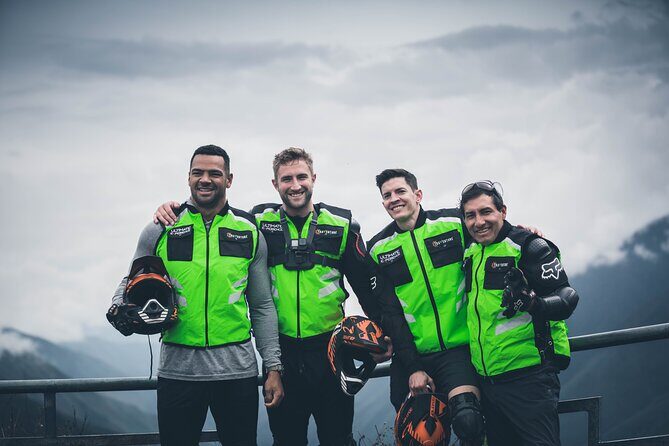
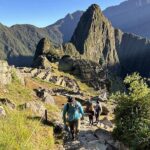
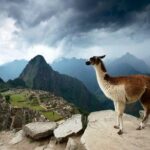
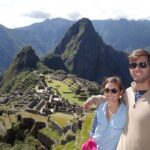
Day 4 is the payoff day. You leave at 4:30 a.m. to hike about one and a half hours to reach Machu Picchu for the sunrise. The goal here is not just seeing the site—it’s arriving while the light and mood are still soft and calm.
Your guided walk through Machu Picchu
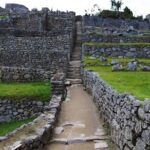
Once you arrive, your guide leads a two-and-a-half-hour walking tour. The emphasis is on how the city was designed and how families lived there—housing and daily-life details are part of the explanation.
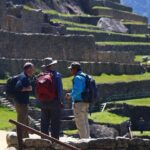
This is where a good guide changes everything. And in the reviews, guides named Andy, Jhimmy, and Gustavo were highlighted for knowledge and for keeping the tone fun, not stiff.
Free time, then optional mountain climb
After the guided portion, you get free time to explore. You can also choose to climb Huayna Picchu or Machu Picchu Mountain for an additional USD 50. That involves an extra 45-minute walk, and availability is limited. The trip suggests arranging this in advance with staff when you book.
After exploring, you return by foot to Aguas Calientes. Then you take the train to Ollantaytambo, and you’re picked up and bussed back to Cusco.
Why this ending works: You get the sunrise and the guided context early, then you’re not rushed into another huge activity before going back to civilization.
Price and value: what’s included, what costs extra
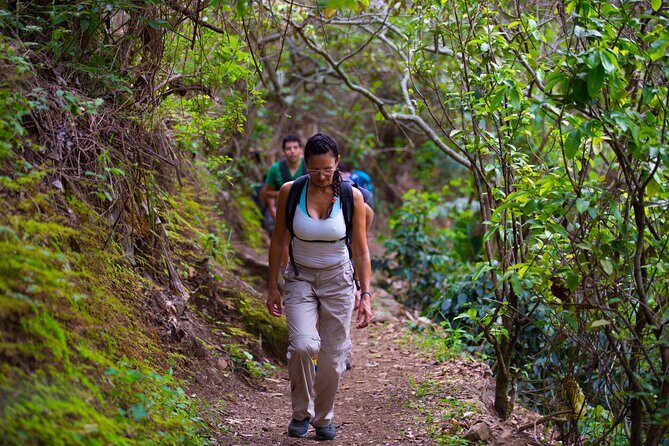
The price is $600.00 per person. For a four-day route that includes Machu Picchu tickets, multiple transfers, a return train, and 3 nights of lodging, that price is easier to justify than many “jungle-adventure only” packages.
Here’s the included backbone:
- Professional tour guide and a briefing day before your tour
- Machu Picchu tickets
- Return train to Cusco (and the train step described as to Ollantaytambo, then bus to Cusco)
- 3 nights accommodation (with lodge nights and the final night in a hostel at the foot of Machu Picchu)
- Use of bicycle
- Meals listed as 2 lunches, 2 dinners, and 2 breakfasts
- Pickup and from-hotel transport in Cusco (the itinerary calls out pickup on Day 1 at 5:00 a.m.)
What costs extra:
- Zip-line: $30.00 per person
- Rafting: $30.00 per person
- Huayna Picchu or Machu Picchu Mountain: additional USD 50 (if you choose to climb)
Tips for staff and tour guides are not included.
Value tip: Since zip-line and rafting aren’t included, you’ll want to treat that $600 as the base for the full structure, then add your preferred adrenaline level. If you know you want both zip-line days plus rafting, factor those fees before you compare to other trips.
Guides, safety, and comfort: what you’ll actually feel day to day
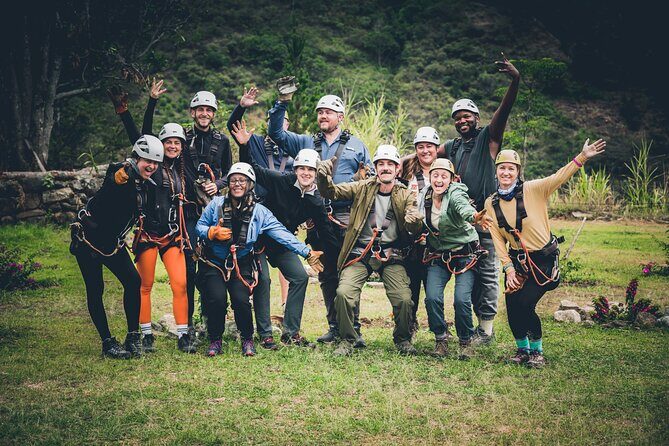
The trip leans hard on execution. That comes through in the way the route is described: early departures, precise activity start points, and transport lined up so you don’t sit around waiting.
The people matter too. In the feedback, Joel shows up repeatedly as a coordinator who stays in touch, explains details clearly, and even adjusts the plan when Machu Picchu ticket timing needs to be handled at the right moment. On the activity side, guides like Andy, Jhimmy, and Gustavo are described as friendly, attentive, and strong on history and culture—not just “lead the line.”
On safety, the zip-line setup is explained clearly: harnessing and attachment to a double cable across mountains and canyons, plus specific measures like cable span length and maximum speed. For rafting, the difficulty level (3 and 4) signals that you should expect real rapids, but the tour is structured as a guided activity rather than a DIY paddle.
Comfort-wise, accommodations are repeatedly described as clean and well-run, with good meals. That matters more than people expect on active trips: a comfortable bed and decent food help you wake up ready for the next early morning.
Who this Inca Jungle trip is best for (and who should look elsewhere)
This works best if you want the thrill of the jungle route without the kind of multi-day hiking grind where you’re suffering for hours every day. The trip includes enough walking and hiking to feel like a real adventure, but it mixes in adrenaline activities and planned stops to break up the effort.
It’s also a good fit for mixed groups. One family described bringing teens alongside adults, and the guide helped keep the experience challenging but workable. That suggests the guide team is used to adjusting energy levels and keeping everyone engaged.
You might want to choose a different style if:
- early mornings will be a deal-breaker for your body
- you want zero extra fees beyond the headline price (zip-line, rafting, and the mountain climb are add-ons)
- you strongly dislike rides that go near fast water or high-speed cables
Should you book Inca Jungle 4 Days and 3 Nights premium?
If you want a trip that feels like Peru has a pulse—bike downhill, zip fast, raft rapids, soak in hot springs, then arrive at Machu Picchu at sunrise—this is a strong option. The included Machu Picchu tickets and return train, plus the private-group feel, make it simpler to plan than doing it piece by piece.
I’d book it if:
- you like active travel and can handle a schedule with 4:30 a.m. starts
- you want professional guidance and smooth logistics
- you’re okay paying extra for the zip-line/rafting level you want
I’d think twice if you’re budget-tight for add-ons or if a sunrise hike doesn’t fit your idea of a relaxing vacation.
FAQ
Where does the tour start and what’s the meeting point?
The meeting point is Calle Garcilaso C. Garcilaso, Cusco 08002, Peru.
What time is pickup on Day 1?
Pickup is offered from your Cusco hotel at 5:00 a.m. on Day 1.
Is this tour private?
Yes. It’s described as a private tour/activity, so only your group participates.
What language is the tour offered in?
The tour is offered in English.
Are zip-lines and rafting included in the $600 price?
No. Zip-line costs $30.00 per person, and rafting costs $30.00 per person.
Are Machu Picchu tickets included?
Yes. Machu Picchu tickets are included.
How do you get back from Machu Picchu to Cusco?
After the Machu Picchu day, you return by foot to Aguas Calientes, then take the train to Ollantaytambo and are picked up for the bus back to Cusco.
What’s the timing for the Machu Picchu sunrise day?
You leave at 4:30 a.m. to hike about 1.5 hours to Machu Picchu to see the sunrise, then you have a 2.5-hour guided walking tour.
Can I cancel for a full refund?
You can cancel up to 3 days in advance of the experience for a full refund.