REVIEW · CUSCO
Essential Peru 9 Days of Magic and Culture
Book on Viator →Operated by Rap Travel Peru · Bookable on Viator
One early morning and you’re already high above the clouds. This 9-day Cusco and Peru classic mix packs in Lima, Paracas, Huacachina, the Sacred Valley, Machu Picchu, and Lake Titicaca—with guides and key tickets handled for you. It’s a lot, but it’s also the kind of itinerary that makes the country click fast.
I like that the pacing is realistic for first-timers: you get real orientation in Lima on Day 1, then you move into big-ticket days like Ballestas Islands and Huacachina, before Cusco and Machu Picchu. I also like the small group size (max 15) and the way the service keeps logistics from turning into a side quest, based on what you’ll experience with RAP Travel Peru and the human support in the background. In reviews, names like Carlos Vizcarra and Sarai show up as key people who kept things running smoothly.
One consideration: this plan includes very early starts and a few long travel days, including the Cusco-to-Puno drive (with multiple stops) and the Machu Picchu shuttle-to-site routine. If you’re sensitive to altitude, go slow on arrival in Cusco and keep an eye on how you feel after you land.
In This Review
- Quick hits before you go
- Lima’s Three Faces: Huaca Pucllana, Plaza Mayor, and Miraflores views
- Paracas, Ballestas Islands, and Huacachina: sand, sea, and pisco country
- Flying to Cusco and the Cusco City Tour that makes later ruins click
- Sacred Valley day: Pisac market, terraces, and the train to Aguas Calientes
- Machu Picchu: bus up, guided 2.5 hours, and free time to wander
- Cusco to Puno via the Route of the Sun: chapels, ruins, and the high pass
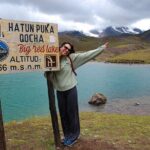
- Lake Titicaca day: Uros Floating Islands and Taquile Island with local lunch
- Departure from Juliaca: fly out smoothly without last-minute stress
- Price and logistics: does $1,456 feel worth it?
- Who this tour suits best (and who should think twice)
- Should you book this Peru 9-day magic and culture plan?
- FAQ
- What cities and major regions are included?
- Is pickup offered?
- How long is the tour?
- What language is the tour in?
- What’s included in the price?
- Are domestic flights included?
- How big is the group?
- Is there a start time and meeting point?
- What physical fitness level is needed?
- What kind of cancellation options do you have?
Quick hits before you go
- Machu Picchu with a guided 2.5-hour tour, then time to roam and take photos on your own.
- Train ticket included between Ollantaytambo and Aguas Calientes, plus transfers that reduce stress.
- Lake Titicaca day trips to the Uros Floating Islands and Taquile Island, with local lunch on the route.
- Sacred Valley stops that mix viewpoints, markets, and major Inca ruins before you reach Aguas Calientes.
- Guided Lima in three layers: ancient Huaca Pucllana, colonial center, and modern Miraflores ocean views.
- Small group and professional guides, with in-the-background support that reviewers praised by name.
Lima’s Three Faces: Huaca Pucllana, Plaza Mayor, and Miraflores views
Lima can feel like two cities unless someone explains it. This itinerary starts you with a proper landing day that focuses on getting your bearings fast. After you arrive at Jorge Chávez International Airport, a welcome team meets you and takes you on a private transfer to your hotel, which is exactly how you want Day 1 to work—no hunting, no guesswork.
On Day 1 you also get permission to be human. The schedule is built for rest and acclimatization, but it still suggests a simple self-guided walk if you want one: Malecón de Miraflores and the seafront along Costa Verde, plus time at Larcomar if you want ocean views with dining and shopping.
Then Day 2 turns Lima into a history lesson you can actually handle. The morning starts early, and the tour is split into Ancient Lima, Colonial Lima, and Modern Lima.
- Ancient Lima means a visit to Huaca Pucllana, a pre-Inca ceremonial center dating to around 500 AD. It’s not just a random ruin; it helps you understand that Lima has layers far older than the colonial streets you’ll see later.
- Colonial Lima focuses on the Historic Center and major landmarks like Plaza Mayor and the Cathedral of Lima, plus stops such as La Merced Church and the Chocolate Museum and central reserve bank museum. Even if you skip one museum later, the architecture stops are the payoff.
- Modern Lima ends in Miraflores, with Parque del Amor and Villena Bridge for Pacific Ocean views.
Practical note: lunch is suggested at Mangos Larcomar, but it’s not included. If you’re trying to keep costs down, this is still a helpful option because it keeps you close to where the tour ends.
You can also read our reviews of more tours and experiences in Cusco.


Paracas, Ballestas Islands, and Huacachina: sand, sea, and pisco country
After Lima, the itinerary goes south in a way that makes sense: you move from city history to dramatic scenery. Day 3 starts with an early departure, and you stop for breakfast en route. You’ll arrive in Paracas, where you take a sea excursion to the Ballestas Islands. This is where you’ll likely see the famous Candelabro geoglyph—one of those shapes you can’t believe is real until you’re looking at it from the water.
From Paracas it’s on to Ica for a winery visit: El Catador. The plan includes tastings of artisanal wines and piscos, which is a fun way to understand how Peru does drinking culture—usually strong flavors, not subtle sips. Lunch is part of the day, then you’re sent to Huacachina, the oasis that makes desert feel possible.
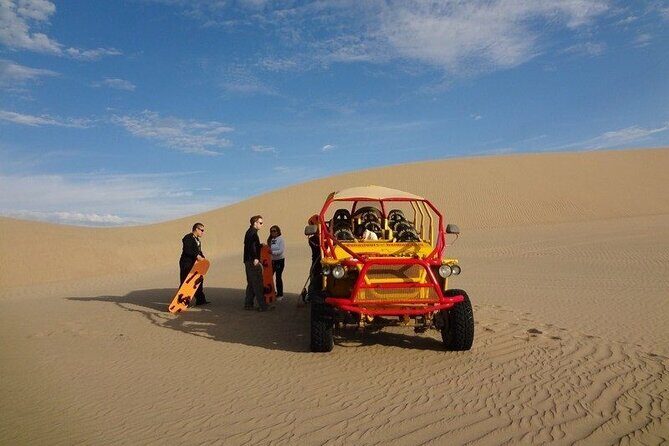
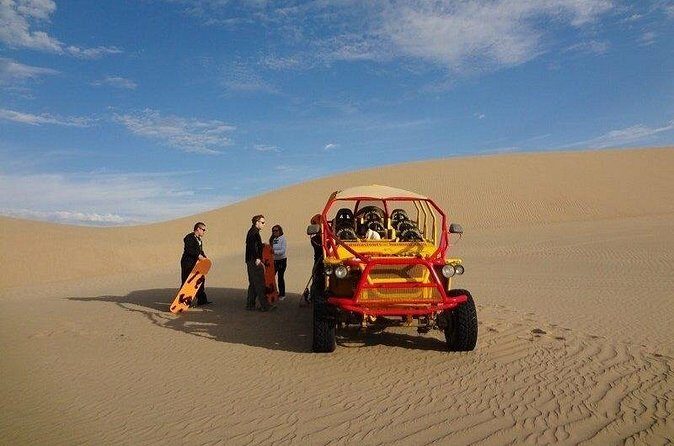
Huacachina is the action day. You get an in-custody desert adventure: a dune buggy ride plus sandboarding. The point isn’t “extreme sports.” The point is that Huacachina is a memorable break from ruins and museum walls, and the sand play helps you blow off steam before Cusco and altitude start doing their thing.
Flying to Cusco and the Cusco City Tour that makes later ruins click
On Day 4, you fly from Jorge Chávez Airport to Cusco. You’re greeted and transferred to your hotel to rest and adjust to altitude, and the plan recommends a light meal for the first hours. That’s not a random rule; in Cusco, heavy food plus altitude can make your first day feel harder than it needs to be.
In the afternoon, you start a guided Cusco City Tour beginning at 2:00 p.m. It’s a smart time slot because you’re not forced into full-day altitude stress right after arrival.
The route is classic and effective:
- Cusco Cathedral: a colonial gem with major artworks.
- Qoricancha: an Inca temple dedicated to the Sun, one of those places that helps you see continuity between Inca sacred space and later colonial structures.
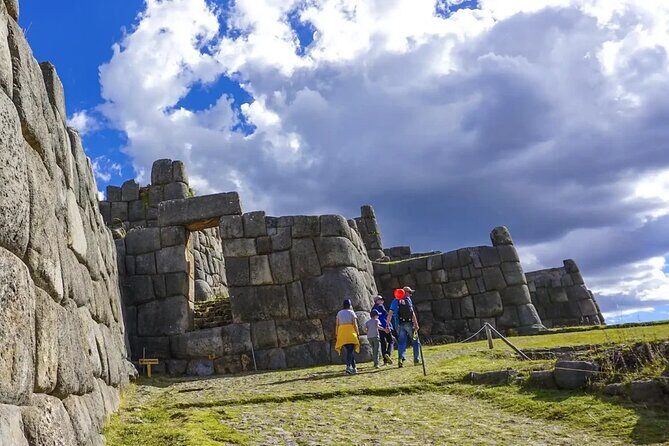
- Then out to nearby archaeological sites: Sacsayhuamán (huge stone walls), Qenqo (ceremonial center), and the water-and-territory themed sites Tambomachay and Puka Pucara.
You finish back in Cusco near the Plaza de Armas, which is the right spot to unwind and eat in the historic center without being rushed. If you’re going to walk yourself into trouble (restaurants are everywhere here), start from there.
Sacred Valley day: Pisac market, terraces, and the train to Aguas Calientes
Day 5 is the Sacred Valley day that sets up Machu Picchu like a sequel you’ll enjoy. You start around 8:00 a.m. with hotel pickup and a drive into the valley. There’s a stop at Taray Viewpoint to take in the region from above—use it to mentally connect the valley roads you’ll travel later to what you’ll see on terraces.
Then you hit two different Pisac experiences back-to-back:
- Pisaq Market: a busy, local place to browse for products and chat with vendors. This is where you get souvenirs the honest way: you’re seeing daily life first.
- Pisaq Archaeological Park: Inca agricultural terraces and ceremonial structures. In practical terms, terraces are the visual proof of why people could farm on mountainsides.
After that, you head toward Urubamba for a buffet lunch, which is useful fuel because the rest of the day involves walking and waiting for transport connections.
Next is Ollantaytambo Archaeological Center, known for terraces and its Inca importance. Then you travel to the Ollantaytambo train station and board the train to Aguas Calientes. The train ride is about 1 hour 40 minutes, and then hotel staff transfer you to your accommodation.
Big picture: train day is where this itinerary earns its value. You avoid the most annoying part—trying to manage schedules and tickets yourself while also thinking about what time Machu Picchu buses run.
Machu Picchu: bus up, guided 2.5 hours, and free time to wander
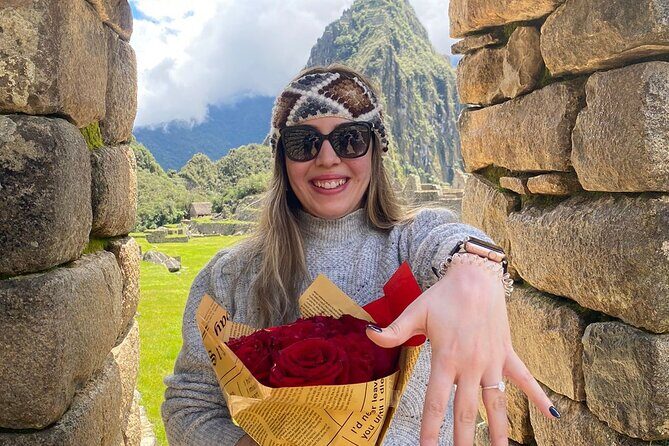
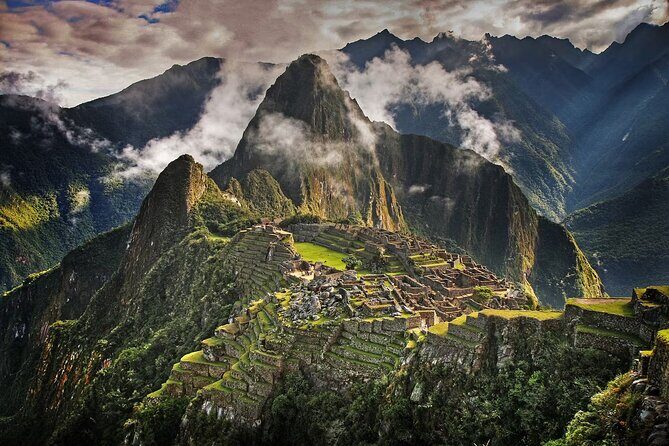
Day 6 is the headline, and the structure is built to work. Breakfast happens in Aguas Calientes, then you walk to the bus stop and ride up to the sanctuary (about 30 minutes). You’ll get views on the way, which matters because Machu Picchu feels different when you arrive already impressed.
At the site, you get a 2.5-hour guided tour covering iconic spots while your guide explains history and secrets in a way that’s meant to stick. Then you’re given free time to take photos and explore more on your own.
Afterward, you ride back to Aguas Calientes by bus, eat lunch at a local restaurant, then take the train back to Ollantaytambo. A driver transfers you back to Cusco, dropping you at your hotel or near the city center.
One thing to know: this is a day with a lot of moving pieces, but the key advantage is that you’re not coordinating it. In the reviews, people praised how professionals handled trains, transport, and timing—exactly what you need on a day where missing one connection can turn into a long, expensive delay.




Cusco to Puno via the Route of the Sun: chapels, ruins, and the high pass
Day 7 is a long travel day, but it’s planned with enough stops to avoid the dreaded sit-on-a-bus-and-stare feeling. You’re picked up at 6:00 a.m. from your Cusco hotel and head to Puno along the Route of the Sun.
The included cultural stops are the reason this day works:
- Andahuaylillas Chapel, nicknamed the Sistine Chapel of the Andes.
- Raqchi, a complex connected to the god Wiracocha.
- Buffet lunch at a local restaurant.
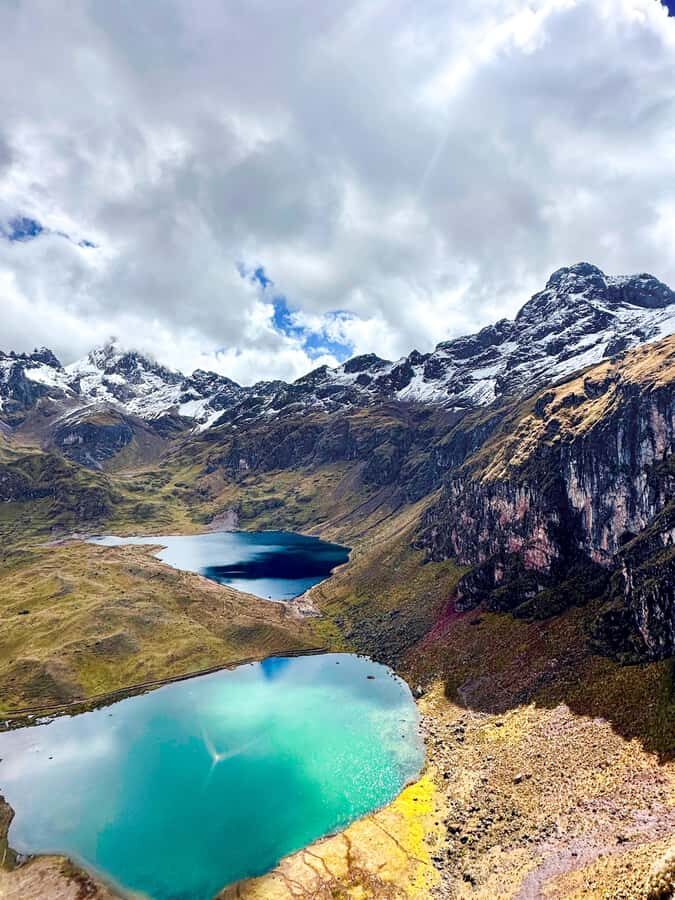
- Paso de la Raya, the highest point on the route, with views of snow-capped mountains.
- Pucará Lithic Museum, with pre-Inca artifacts.
You arrive in Puno around 5:00 p.m., then get transferred to your hotel. That late arrival matters: don’t plan extra activities afterward. Let your body and your altitude-adjusted brain reset.
Lake Titicaca day: Uros Floating Islands and Taquile Island with local lunch
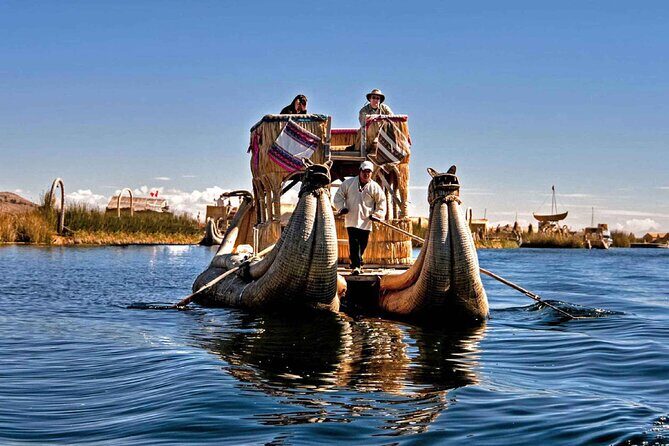
Day 8 is the calm, cultural counterweight to Machu Picchu intensity. Pickup is between 7:10 and 7:25 a.m. at your hotel, then you go to the port of Puno.
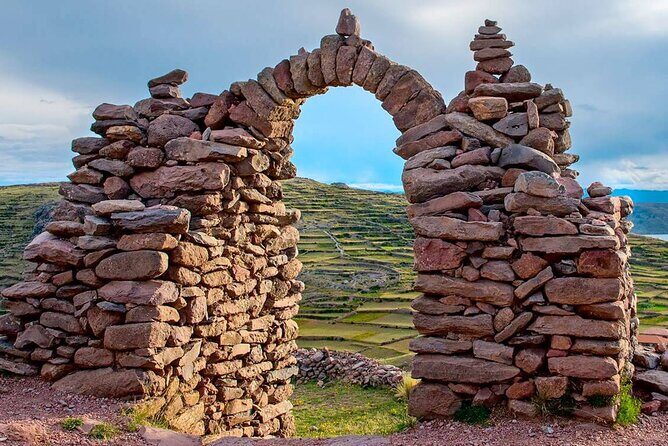
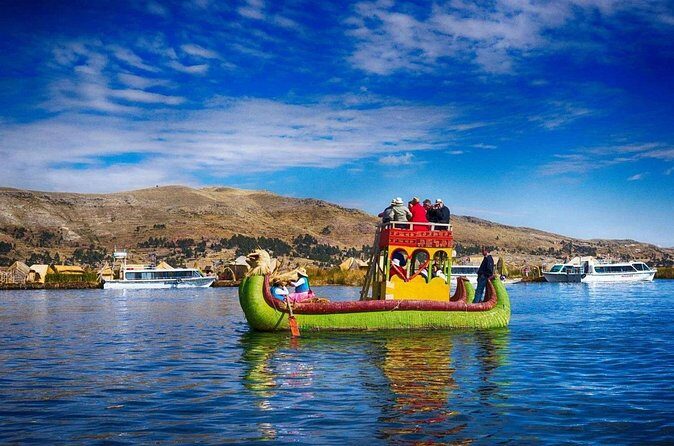
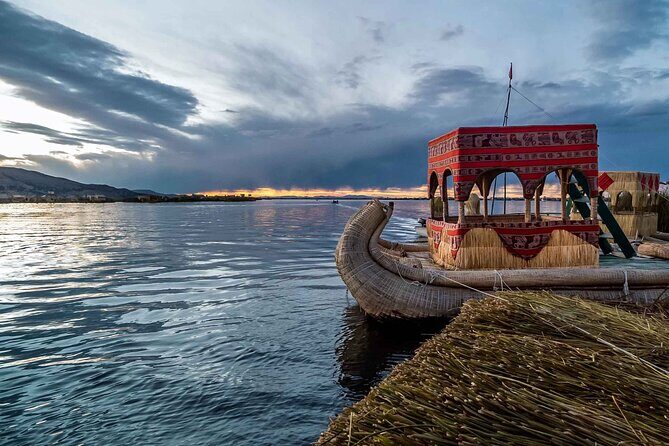
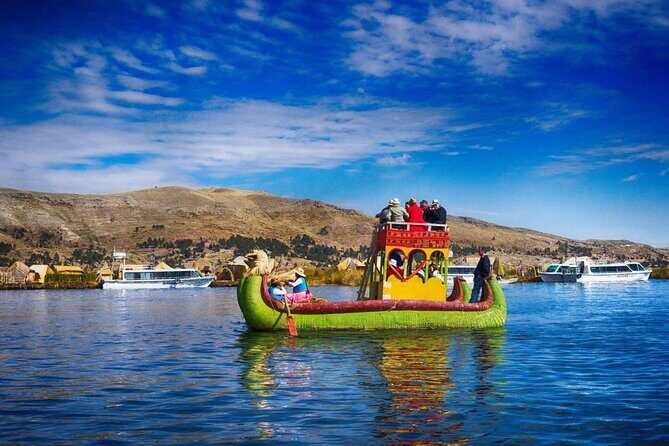
You sail across Lake Titicaca to the Uros Floating Islands, where you learn about the Uros people and their way of life, including the idea that islands and boats are built from totora reeds. This is one of those experiences where your guide’s explanations shape the meaning, so pay attention to the history and living details rather than treating it like a photo stop.
Next you continue to Taquile Island (about two hours by boat). There’s a guided walk to learn about local culture, and you’ll hear about the famous handicrafts recognized by UNESCO. Lunch is traditional and prepared by locals: quinoa soup, trout or tortilla, potatoes, rice, and muña mate.
Then you head back to Puno and get transferred to your hotel. If you love travel that’s about people and daily practice—not just stones—this is the day you’ll remember.
Departure from Juliaca: fly out smoothly without last-minute stress
Day 9 keeps it simple. After breakfast, you go to the airport in Juliaca (about 1 hour from Puno) at the scheduled time. The plan includes assistance with check-in and boarding for your flight to Lima or another destination. Then the service ends.
This last-day structure helps because it avoids the common mistake of trying to squeeze in extra sightseeing the morning you need to leave.
Price and logistics: does $1,456 feel worth it?
At $1,456 per person for roughly 9 days, this tour isn’t cheap, but it’s not random pricing either. You’re paying for three things that add up fast if you DIY:
- Protected timing across big-ticket days (Machu Picchu and the train connection).
- Included entries and key tickets like archaeological site admission and the train.
- A real guide through most of the itinerary, not just a driver and a map.
Also, the group size is capped at 15, which tends to keep the experience more attentive than big-bus chaos. And from the reviews you have names to go with the service—Carlos Vizcarra, plus people like Fabiola and Gonzalo, and guides Henry and Roberto—the common theme is that logistics were handled so you could focus on the places.
So if you want maximum Peru with minimal hassle, this price starts to make sense. If you’re the type who loves planning every connection yourself, you might find cheaper routes—but you’ll spend time managing tickets, timing, and site entry.
Who this tour suits best (and who should think twice)
This itinerary is a great fit if you:
- want a full Peru highlights run without building the puzzle yourself,
- like guided context for major sites (Cusco, Sacsayhuamán, Machu Picchu),
- don’t mind early mornings and long travel days.
It’s less ideal if you:
- have low stamina for repeated bus rides and altitude days,
- need lots of free, unscheduled time in each city (this plan has structured pacing).
Should you book this Peru 9-day magic and culture plan?
I’d book it if your goal is to see the big icons—Lima, Sacred Valley, Machu Picchu, and Lake Titicaca—while relying on professionals for the ticket and transport-heavy parts. It’s especially appealing if you want someone to handle the train and keep you on track so you can spend your energy taking in Peru instead of managing it.
I’d think twice if you’re very altitude-sensitive or you hate early starts. In that case, you can still enjoy Peru—but you’d probably want a shorter route with fewer long crossings.
If you’re comfortable with a structured adventure, this is one of those plans that delivers more meaning than a checklist because the guide stops are where the history connects.
FAQ
What cities and major regions are included?
The route covers Lima, Paracas and Ballestas Islands, Huacachina, Cusco, the Sacred Valley (including Ollantaytambo and Pisac), Aguas Calientes, Puno, and Lake Titicaca (Uros Floating Islands and Taquile Island).
Is pickup offered?
Yes. Pickup is offered, including private transfer support at arrival in Lima and scheduled hotel pickups on tour days.
How long is the tour?
It runs for approximately 9 days.
What language is the tour in?
The tour is offered in English.
What’s included in the price?
Included items are an air-conditioned vehicle, entrance ticket to archaeological sites, train ticket, professional guide, and breakfast (3) plus lunch (4).
Are domestic flights included?
No. Domestic flights are not included.
How big is the group?
The maximum group size is 15 travelers.
Is there a start time and meeting point?
The meeting point is Plaza de Armas in Cusco, and the listed start time is 4:30 am. The itinerary also includes early pickups on specific days, so confirm your exact pickup time when booking.
What physical fitness level is needed?
The tour notes a moderate physical fitness level.
What kind of cancellation options do you have?
Free cancellation is available up to 24 hours in advance for a full refund, based on the experience’s local time.