REVIEW · CUSCO
3 Days Trekking in Ausangate and Rainbow Mountain
Book on Viator →Operated by Apu Ausangate Trek · Bookable on Viator
If you want Rainbow Mountain with breathing room, this is it. This 3-day hike pairs the colorful Vinicunca area with the huge, sacred presence of Nevado Ausangate, plus remote camps and Upis hot springs. I love the way the route keeps you above the tree line with glacial views most of the way, and I also like that the trek runs with an organized crew and English support; one drawback is the altitude jumps fast, so you need steady pacing and a moderate fitness base.
You start early in Cusco, and the whole setup is designed around real trekking logistics: a professional guide, a porter for your overnight gear (up to 8 kg), and camp staff plus kitchen help. In reviews, I saw names like guide Ruben, chef Braulio, horseman Hilario, and Miss Maritza showing up as part of the calm, attentive feel—useful if you like your mountain day to be planned. Just note the tour caps at 8 travelers, so it is small-group style, not a big bus-crowd experience.
In This Review
- Key things I’d bank on before you go
- Why Ausangate and Vinicunca feels different from the usual Rainbow Mountain day trip
- The trek schedule: day-by-day pace and what the numbers mean
- Cusco pickup at 5:00am and the first push toward Upis
- Day 2 over Arapa Pass: the longest day and the altitude test
- Day 3 to Rainbow Mountain (Vinicunca) and Hanchipata
- Camps and sleep at 4,250m+: what’s included, what you must bring
- Food on the trail: breakfasts, lunches, dinners, and Chef Braulio’s role
- Guide and crew: the value of English support and a calm mountain team
- Price and value: what $445 covers and where you should budget extra
- Who should book this trek, and who should think twice
- Should you book this 3-day Ausangate + Rainbow Mountain trek?
- FAQ
- How long is the Ausangate and Rainbow Mountain trek?
- What time does the trek start and how do I get to the trailhead?
- How many people are in the group?
- What language is the guide?
- What are the daily walking distances and walking times?
- How high does the trek go?
- What meals are included?
- What camping comforts are included?
- What should I pack or pay for that is not included?
- Is the trek dependent on weather?
Key things I’d bank on before you go
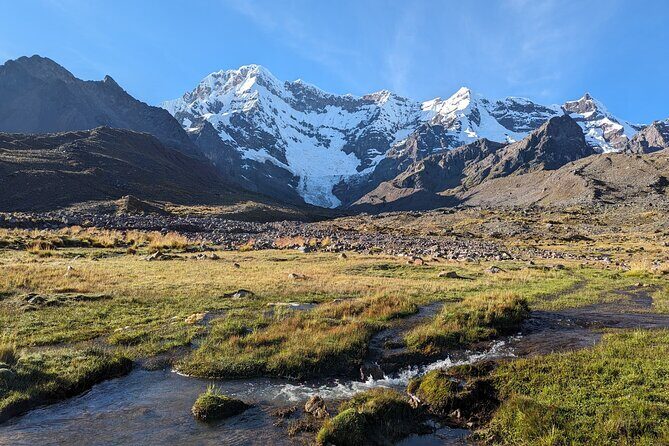
- Ausangate context, not just a photo stop: you hike in the shadow of a 6,300m sacred peak.
- Big altitude, managed with structure: clear day-by-day elevations and walking times.
- Camp comfort at altitude: extra-thick foam mattress, plus emergency horse and kitchen tent support.
- Hot springs included after Day 1: a real reward when your legs feel cooked.
- Meal plan built for trekking: breakfasts, lunches, and dinners included, chef-supported.
- Small group size (max 8): more space to move, ask questions, and settle in.
Why Ausangate and Vinicunca feels different from the usual Rainbow Mountain day trip
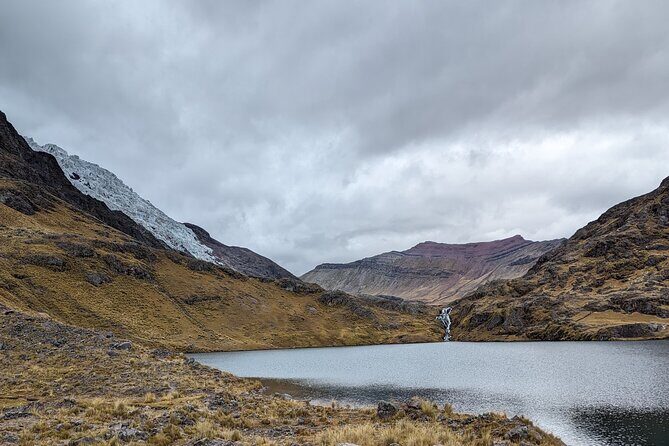
A lot of Rainbow Mountain experiences are basically rush-hour tourism. This one is different because it treats Vinicunca (also called Rainbow Mountain and Vinicunca/Vinicunca) as part of a longer high-Andes trek, not the whole point. You move through the Vilcanota range from day to day, with glacial peaks always in the picture.
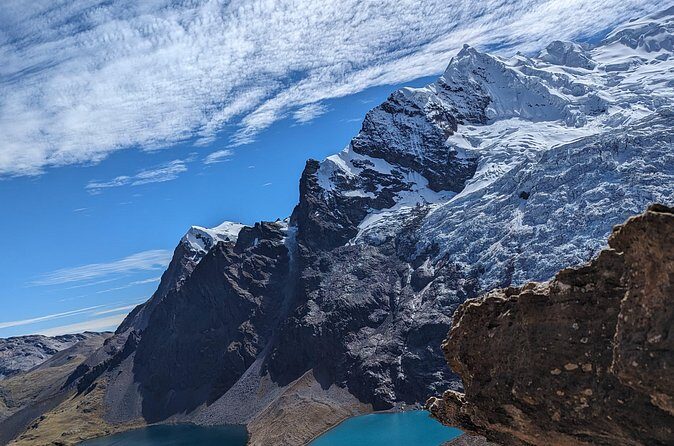
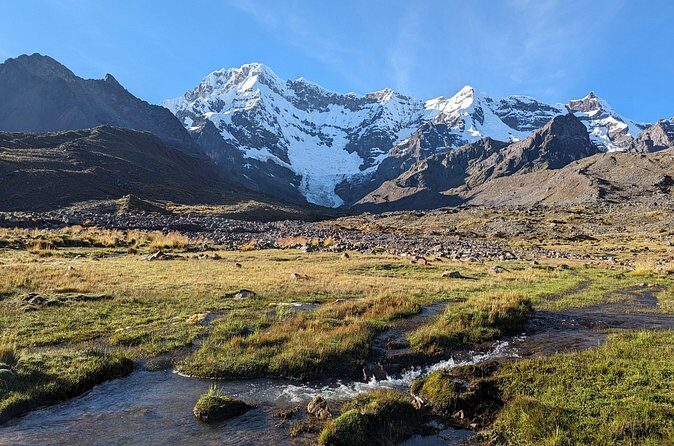
You’ll spend time in an area that feels properly remote: above the tree line, surrounded by steep high country, and far from the crowd-energy. And because the route is in the shadow of Ausangate (6,300m), you get that sacred-mountain feeling that Andean communities have held for centuries. Even if you’re not chasing spiritual meaning, it changes the mood. The views feel huge in a way a single-day slog can’t match.
The best part for me is that the trek mixes the dramatic (high passes and big elevations) with practical comfort (organized camps, a porter, and hot springs). You’re not left to guess.
You can also read our reviews of more hiking tours in Cusco



The trek schedule: day-by-day pace and what the numbers mean
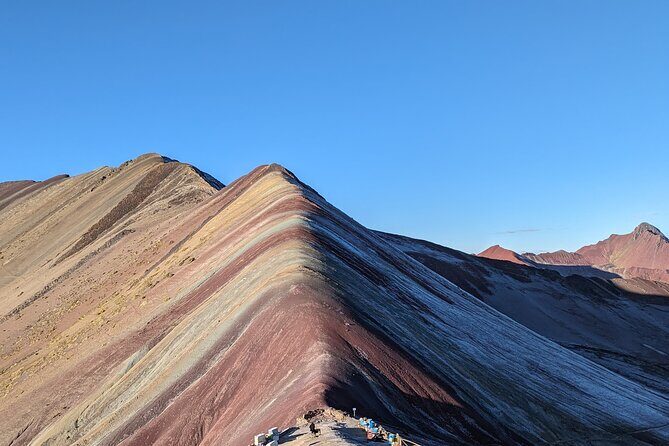
This is a 3-day trek with three very specific blocks: Day 1 sets the rhythm, Day 2 brings the hardest sustained effort, and Day 3 is about reaching the summit moment at Rainbow Mountain and getting back down.
Here’s the practical read on the walking math:
- Day 1 (Cusco → Upis Community → Upis campsite → Upis Lake → hot springs)
10 km, about 5 hours, highest point 4,480m, campsite around 4,250m.
- Day 2 (Upis → Arapa Pass → Pukaqocha → Ananta)
14 km, about 8 hours, highest around 4,800m, campsite around 4,700m.
- Day 3 (Ananta → Rainbow Mountain → Hanchipata → Cusco)
13 km, about 6 hours, highest around 5,030m.
That Day 2 and Day 3 altitude climb matters. Even if you’re a strong hiker, the air gets thin fast here, and the route keeps you at serious elevation for the whole stretch. So what looks like just “a few extra hours” on paper can feel much more demanding once you’re above 4,500m.
Cusco pickup at 5:00am and the first push toward Upis
The start is early: pick-up from your hotel with a 5:00am start time. If you’re tempted to roll out half-awake, don’t. In the Andes, the early bus rides are part of the plan, and the faster you’re moving well, the better your trekking day feels.
Day 1 moves you from Cusco up toward Upis, with the route passing through the Upis community and making time for Upis Lake before you land at the campsite. The day is shorter than the next two (10 km and about 5 hours), and the highest point is 4,480m. That makes it your best day to find your pace, learn how your breathing responds, and get your legs used to the rhythm.
The highlight at the end of Day 1 is the hot springs. The entrance to Upis Hot Springs is included, so you’re not scrambling to find a place after a long day. This is the kind of recovery you’ll appreciate more than you expect, because Day 2 ramps up fast.
Possible consideration: hot springs don’t erase altitude fatigue, so still drink water, eat, and get warm. The mountains cool fast at night.
Day 2 over Arapa Pass: the longest day and the altitude test
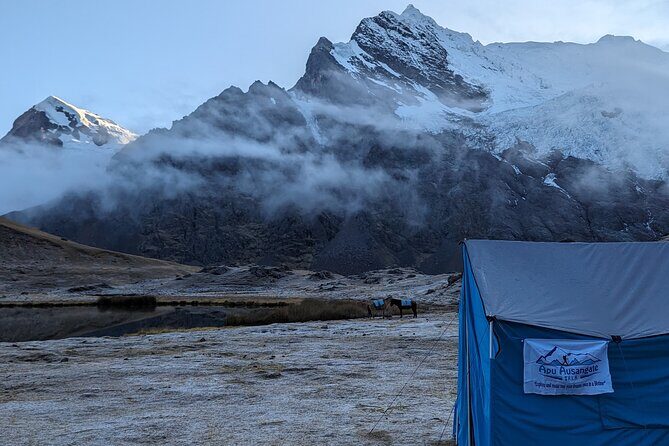
Day 2 is the workday. You’ll hike from the Upis campsite up toward Arapa Pass, then continue via Pukaqocha and onward to Ananta for your next camp.
Walking distance is 14 km and the day runs about 8 hours, with the highest elevation around 4,800m and a campsite around 4,700m. This is where you’ll feel the difference between “I can hike” and “I can hike at altitude all day.” The good news is the trek is built with a supported camp system—there’s a kitchen setup, cooking gear, and an emergency horse included as part of the plan.
Arapa Pass is the name you’ll remember. Passing a high point tends to create that slow, careful effort where you conserve energy and keep your steps steady. You’re not in a sprint. If you pace smart on this day, Day 3 feels much more doable.
Also, Day 2 is where the route’s remote feel really shows: longer hours, fewer distractions, and constant high-country scenery. If you like a trek that feels real and not like a checklist, this is it.
Day 3 to Rainbow Mountain (Vinicunca) and Hanchipata
Day 3 is shorter in walking time (about 6 hours) but reaches the highest point listed for the trek: around 5,030m. That means the day’s difficulty is more about oxygen than distance.
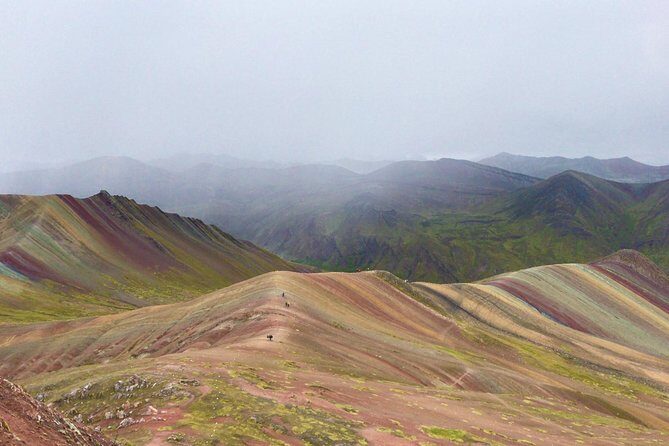
You start from Ananta, hike to Rainbow Mountain (Vinicunca), and then continue to Hanchipata before returning to Cusco. The walking distance is 13 km. It’s enough to keep you moving steadily, but it’s also paced so you can focus on the big moment: reaching Vinicunca and taking in the color bands that make this place famous.
One practical thing: you’ll likely be cold during the climb and then warmer as you descend. Dress for layers, and keep your hat and gloves ready. The trekking plan includes access to the main areas, and you’ll be off the mountain and back toward Cusco by the end of the day.
If the idea of a high point at 5,000m scares you, don’t ignore that. This trek is designed for people with moderate fitness and the ability to handle altitude.
You can also read our reviews of more tours and experiences in Cusco
Camps and sleep at 4,250m+: what’s included, what you must bring
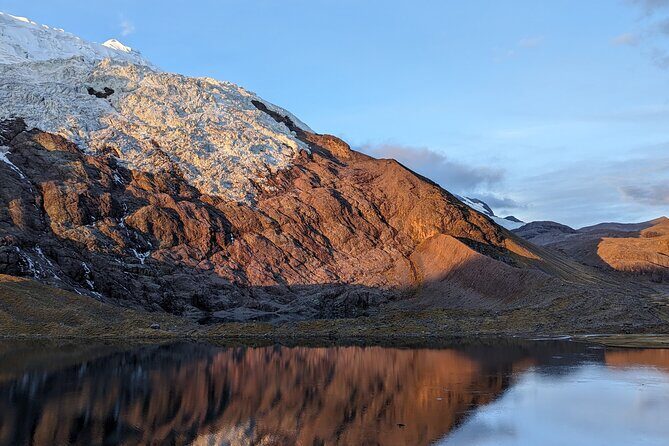
This is camping trekking, so your body needs real rest. The tour includes an extra-thick foam mattress, which helps a lot because cold ground is a sleep thief at altitude.
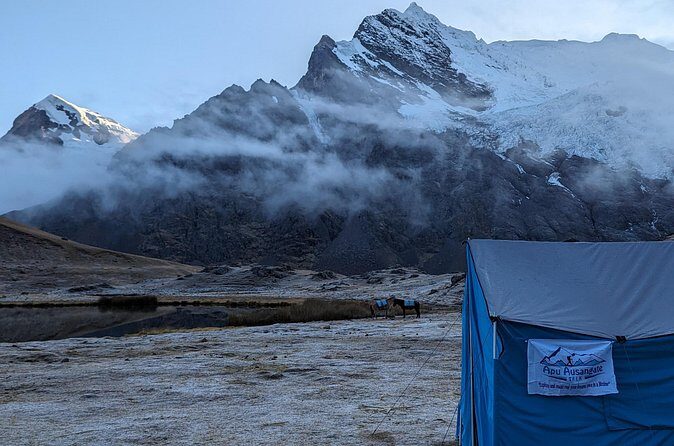
You’ll also have support on camp setup: there’s a kitchen tent and cooking equipment, plus emergency horse support and a chef. That’s not just comfort fluff. At high elevation, warm food and reliable camp cooking reduce the stress of figuring things out after a long hike.
What you need to plan for: sleeping bags are not included. The tour lists sleeping bags at 20 USD, and walking poles at 15 USD. If you run cold easily, sorting your sleeping bag early matters. Also pack for wind and temperature drops at night, because these elevations get chilly fast.
Included porter help is a big deal here. You get a personal porter to carry your overnight gear up to 8 kg. That means you can hike with less weight and save your energy for the climbs.
Food on the trail: breakfasts, lunches, dinners, and Chef Braulio’s role
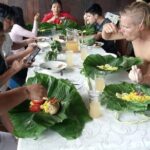
Food is part of trekking performance. This plan includes 2 breakfasts, 3 lunches, and 2 dinners, so you’re not guessing meal logistics while your body is working hard at altitude.
In reviews, the chef Braulio gets real praise for the quality and taste of the food from day one through the end. That matters because at high elevation you tend to eat when food feels good and predictable. You don’t want bland, stressful meals after an 8-hour hike.
The lunch plan also matters because it keeps you from running out of fuel mid-route. Proper fuel helps you keep your pace controlled on the harder days.
One small note: the tour includes meal components, but it doesn’t list bottled water. So assume you’ll need to manage hydration like a pro: drink regularly, avoid letting yourself get behind early, and watch how you feel as you climb.
Guide and crew: the value of English support and a calm mountain team
This trek runs with an English-speaking professional guide, and the reviews point to a crew that stays engaged and helpful. I saw guide Ruben described as friendly and informative, with a focus on showing people beautiful places. That kind of guidance can turn a cold, tiring day into a meaningful one because you know what you’re seeing and why it’s worth stopping.
I also saw the horseman Hilario mentioned as smiling all the time, which hints at an environment that’s organized and less chaotic than some treks. Then there’s Miss Maritza, described as providing excellent explanation and staying attentive. A good team helps with the little emotional things—staying on schedule, checking in, and keeping you comfortable in the cold.
With a maximum group size of 8 travelers, you’re more likely to get personal attention, not just be one more person in the line.
Price and value: what $445 covers and where you should budget extra
At $445 per person, this trek is priced for a supported, multi-day high-altitude experience—not a budget hike. The value comes from what’s included:
- Private transport to the starting point and back to your hotel in Cusco
- English-speaking guide
- Camps with an extra-thick foam mattress
- Personal porter for overnight gear up to 8 kg
- Emergency horse, plus chef and cooking equipment and a kitchen tent
- Entrance to Ausangate, Rainbow Mountain, and Upis Hot Springs
- 2 breakfasts, 2 dinners, and 3 lunches
The extras that are not included are worth planning for:
- Sleeping bag (20 USD)
- Walking poles (15 USD)
- Entrance to Red Valley (20 soles)
- Travel interruption and medical coverage
One consideration: the trek is priced to include the core elements, so if you already own a warm sleeping bag and poles, you can reduce your total cost on the extras. If you don’t have them, buying or renting matters because cold sleep can ruin your next day.
Who should book this trek, and who should think twice
This one fits best if you:
- Have moderate physical fitness
- Can handle long days at altitude and steady, careful climbing
- Want a small group trek rather than a rushed day trip
- Appreciate a supported camp experience with hot springs and real meals
Think twice if you’re worried about high-altitude exertion. The listed high points are serious: up to about 5,030m on Day 3. That doesn’t automatically mean you shouldn’t go, but it means you should be honest about your stamina and how you respond to altitude.
Also, be prepared for early mornings. The 5:00am start is non-negotiable if you want the day to make sense.
Should you book this 3-day Ausangate + Rainbow Mountain trek?
I’d recommend it if you want Rainbow Mountain with context, not just a photo. The mix of Ausangate-area trekking, remote high-Andes camping, and the included hot springs makes the days feel earned. The small group size (up to 8), English guidance, and porter support for up to 8 kg are also the kind of details that make the trek more enjoyable instead of stressful.
I would not book it if you’re hoping for a gentle, low-altitude walk. This is high-country trekking above the tree line with real altitude pressure and long hours, especially on Day 2.
If you’re the type who likes your travel practical—good timing, clear pacing, warm food, and views that don’t feel staged—this is the kind of trek that tends to stick with you.
FAQ
How long is the Ausangate and Rainbow Mountain trek?
It runs for 3 days (approximately).
What time does the trek start and how do I get to the trailhead?
The start time is 5:00am, with pickup from your hotel in Cusco. Private transport to the starting point is included.
How many people are in the group?
The maximum group size is 8 travelers.
What language is the guide?
The tour includes an English-speaking professional guide.
What are the daily walking distances and walking times?
Day 1 is about 10 km and around 5 hours. Day 2 is about 14 km and around 8 hours. Day 3 is about 13 km and around 6 hours.
How high does the trek go?
The highest elevations listed are about 4,480m on Day 1, 4,800m on Day 2, and 5,030m on Day 3.
What meals are included?
You get 2 breakfasts, 3 lunches, and 2 dinners.
What camping comforts are included?
The tour includes an extra-thick foam mattress. It also includes a kitchen tent, cooking equipment, and a chef for camp meals.
What should I pack or pay for that is not included?
Sleeping bags are not included (20 USD), and walking poles are not included (15 USD). Red Valley entrance is also not included (20 soles).
Is the trek dependent on weather?
Yes. It requires good weather, and if it’s canceled due to poor weather, you’ll be offered a different date or a full refund.