REVIEW · CUSCO
3 Days All Inclusive Ausangate to Rainbow Mountain Trek
Book on Viator →Operated by Peru Hike · Bookable on Viator
A 4,800–5,100m trek sounds intense. It is, but this 3-day Ausangate to Rainbow Mountain trip is also very well set up for first-time high-altitude hikers. You start in the Cusco area with a morning pickup, then spend two nights camping under big skies before the big Vinicunca view.
I really like how they build acclimatization into the schedule with wake-up tea, coca leaf tea, and pass timing that gives your body some support. I also love the fact that this feels truly all-inclusive: chef-led vegetarian and vegan meals, camp bedding and tents, warm drinks, trail water, and even extra oxygen are part of the deal.
One thing to consider: you’re moving at altitude from the start—passes climb to around 5,100m—so you’ll want solid basic fitness and you should take the cold and thin air seriously, even with the oxygen and medical kit.
In This Review
- Key highlights at a glance
- First Morning From Cusco: 4:30am Meet, Hotel Pickup, and the Ride to Upis
- Day 1: Up to Ausangate’s World and Camp at Hatun Pucacocha
- Night Two Comfort: Tents, Sleeping Pad, and Warm-Drink Rhythm
- Day 2: Coca Tea Sunrise, Puca Pass Lagoons, and the Rainbow Mountain Build-Up
- Day 3: Vinicunca at 5,100m and the Mineral-Color Explanation
- What Makes This Trip Feel Truly All-Inclusive (Not Just Marketing)
- Price and Value: Is $550 a Fair Deal?
- Pace, Fitness, and the Altitude Reality Check
- My Booking Advice: Who Should Go (and Who Might Reconsider)
- Should You Book the 3-Day Ausangate to Rainbow Mountain Trek?
- FAQ
- What time do we meet in Cusco?
- Is hotel pickup included?
- How long is the trek?
- What level of fitness do I need?
- Are meals included, and are they vegetarian or vegan?
- What elevations do we reach?
- What gear is provided for sleeping and camping?
- Is oxygen and medical support included?
Key highlights at a glance
- Small group size (max 12): easier pace and less chaos at camps and passes
- Extra oxygen + medical kit: real safety support at high elevations
- Chef-run food: vegetarian and vegan meals planned for hiking days
- Camping comfort included: 4-season tents, sleeping pad, polar sheets, pillows, and sleeping bag
- Early morning starts: time your trek for clearer views and less midday fatigue
- Emergency horse option: included if you need a ride on tough sections
First Morning From Cusco: 4:30am Meet, Hotel Pickup, and the Ride to Upis
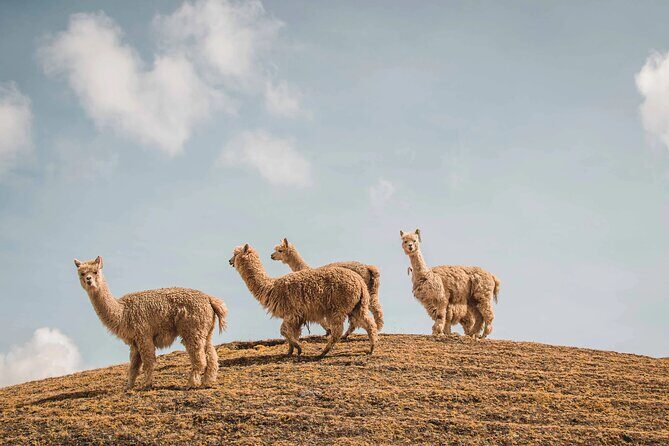
This trek starts early, with a 4:30am meeting at Plaza de Armas in Cusco. Pickup is offered, and you’ll send your exact hotel or Airbnb address so they can grab you and get you moving by morning.
From Cusco you’ll transfer by private transport for about 3 hours to the starting area near the small town of Upis. Early starts matter here. Less time sitting around in cold air and more time hiking while the day is stable helps you feel steadier at altitude.
You can also read our reviews of more hiking tours in Cusco



Day 1: Up to Ausangate’s World and Camp at Hatun Pucacocha
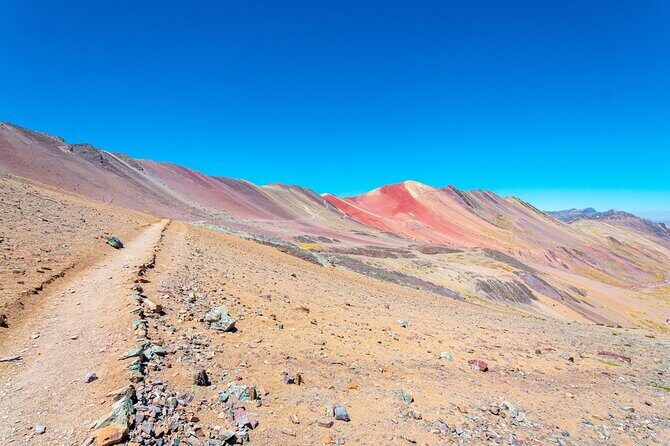
Day 1 begins around 5:00am with that first pickup transfer, then breakfast prepared by a chef at the trail start. It’s a smart setup: a real meal before the first climb, not an afterthought.
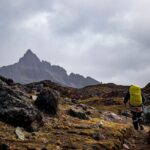
You’ll gradually ascend for about 3 hours, with the massive Ausangate Mountain visible in the distance as you go. On the way, you get a hot herbal tea at a first stop before lunch. This is the kind of small detail that makes high-altitude hiking feel manageable—warm drinks keep your energy up and your hands functional.
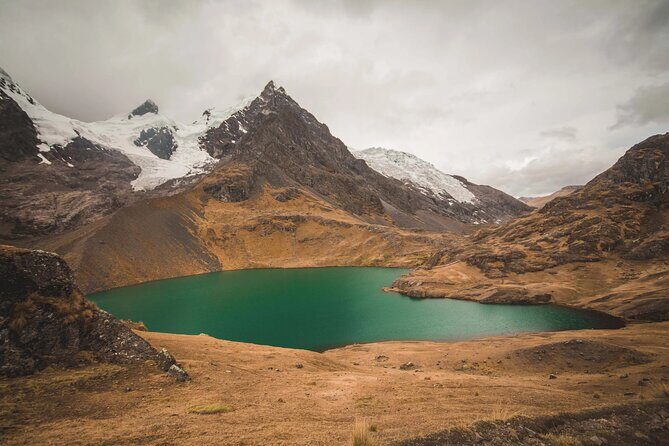
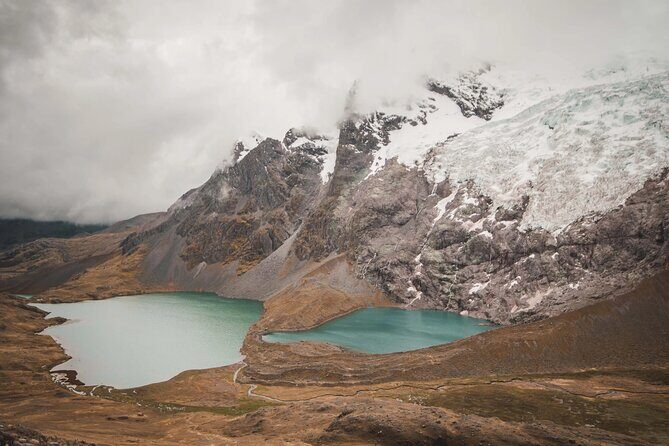
After lunch, you switch to a two-hour uphill hike toward the Arapa Pass (about 4,800m). Then you descend for roughly 3.5 hours toward Hatun Pucacocha lake, where camp is set. You pass Yanacocha Lake on the way, and being down in the water-and-glacier zone usually means those views feel extra dramatic.
Once you reach camp, you’ll have hot chocolate or coffee, then dinner served by the chef and assistant. After that, it’s sleep time—because Day 2 starts again with altitude work and longer pass sections.
Practical note: the schedule is physical, but the rhythm is thoughtful. You climb, rest, drink something hot, eat, then you hike again. That’s how you keep a group together without breaking people too early.
Night Two Comfort: Tents, Sleeping Pad, and Warm-Drink Rhythm
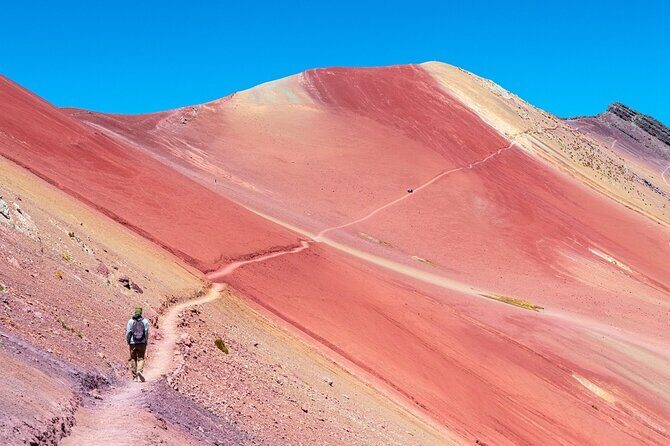
This is one of the reasons I like this trek’s value. You’re not just paying for scenery. You’re paying for camp comfort at altitude, which changes how you experience cold nights.
They provide 4-season tents (including a specific setup with two people per tent), plus a Therma-Rest sleeping pad and a sleeping bag. You also get polar sheets, pillows, rubber warmers for the night, and there’s a medical kit and extra oxygen as part of the broader safety package.
Add to that the routine of wake-up tea and afternoon tea time or happy hour. In the Andes, those warm breaks do more than feel nice. They help you dry out, warm up your core, and keep morale up when you’re operating at thin air.
Day 2: Coca Tea Sunrise, Puca Pass Lagoons, and the Rainbow Mountain Build-Up
Day 2 starts with coca leaf tea to help you acclimatize. They also have a wake-up tea each morning, and this one is specifically meant for the start of the day. If you’re new to altitude trekking, that matters. You can’t cheat physics, but you can give your body a hand.
Then you move into breakfast and a dawn view from camp. The description is all about light on glaciers in the morning. Even if cloud coverage changes the exact look, early light at these elevations is usually stunning, and it sets the mood for a long trekking day.
You’ll walk uphill for about 2 hours toward the Puca Pass (about 4,870m). On the way you can look for an eroded mountain and high Andean valleys. There’s also a chance to spot condors if you’re lucky—high points often make wildlife sightings more likely.
As you hike, you’ll pass glacial lagoons, including Huchuy Pucacocha and Hatun Pucacocha. These water stops make the day feel less like one long grind and more like a connected chain of view points.
Next, you descend about 1.5 hours to Anantapata, where lunch is served. After lunch you climb again for around 2 hours to the Warmisaya Pass (about 4,985m). From here you get a key angle: Ausangate from a new direction, plus the Rainbow Mountain area and the Vilcanota mountain range.
Then it’s descent again for about 1 hour to Surinecocha (around 4,800m) for camp. You’ll arrive to a hot drink, then dinner, then rest—another night where that included bedding and warm drink routine pays off.
Day 3: Vinicunca at 5,100m and the Mineral-Color Explanation
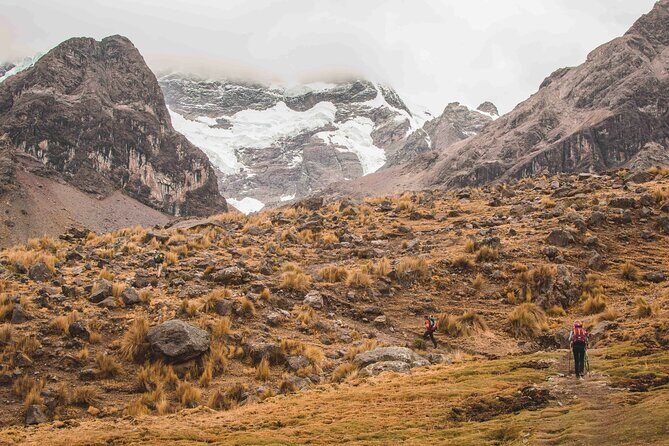
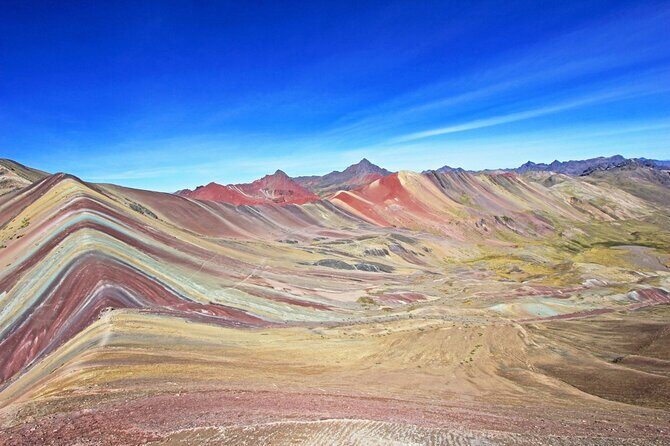
Day 3 is the big finish: Rainbow Mountain, also called Vinicunca. You’ll start early again after breakfast and head out to climb for about 2 hours to the pass around 5,100m (about 16,732 ft).
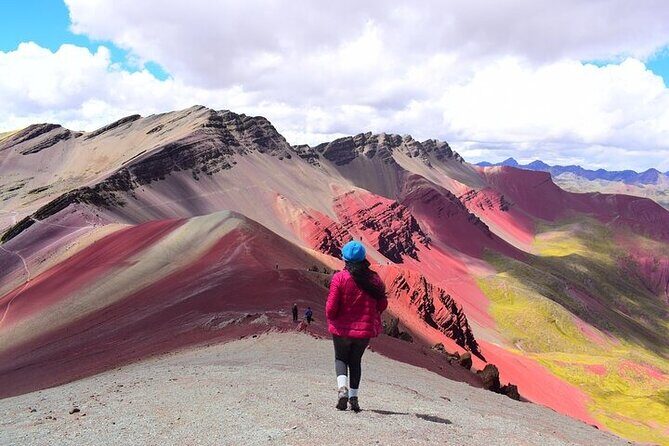
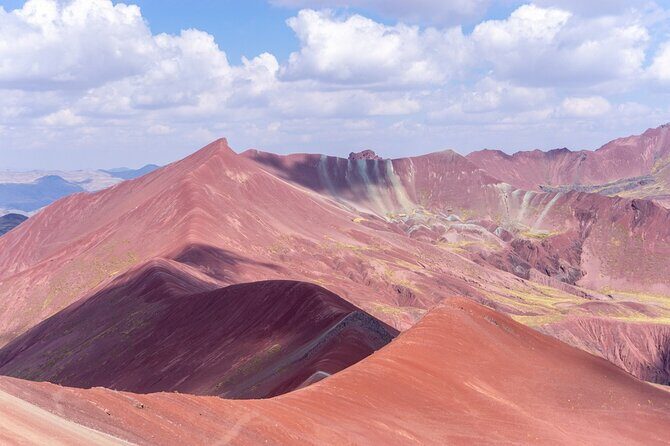
From the top, you get the famous view of Vinicunca’s colored bands. The guide also explains why the colors show up—sedimentary mineral layers that were exposed by erosion. You’ll also hear that this phenomenon is seen in a limited number of places around the world, with Peru and China called out specifically.
That explanation is useful, because it stops the view from being just pretty photos. It turns it into something you can actually understand while you’re standing there.
After spending time at the view, you walk about 1 hour to Llacto for lunch. Then you wrap up with a 3-hour private transport ride back to Cusco, dropping you at your accommodation door.
You can also read our reviews of more tours and experiences in Cusco
What Makes This Trip Feel Truly All-Inclusive (Not Just Marketing)
Plenty of trekking tours say all-inclusive. This one backs it up with actual gear and actual food, which is the difference between comfort and suffering.
Here’s what’s included that you’ll feel on the trail:
- Breakfasts, lunches, dinners: meal plan supports the hiking days, and they’re vegetarian and vegan
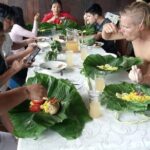
- Chef-led group meals: including dinner in camp, so you’re not cooking or improvising
- Trail support: snacks daily, water to drink every day, plus warm drinks each morning and tea time or happy hour in the afternoon
- Safety and comfort: medical kit, extra oxygen, emergency horse to ride if needed
- Sleeping system: tents, Therma-Rest-style sleeping pads, polar sheets, pillows, and sleeping bags
You also get a trekking stick and rubber warmers at night. Those small items add up. At high altitude, the wrong footwear setup and cold feet can ruin your day faster than a tough climb.
One more helpful detail: they include admission ticket access for Ausangate Trek and for Rainbow Mountain. That reduces what you’d otherwise scramble to arrange on your own.
Price and Value: Is $550 a Fair Deal?
At $550 per person for a ~3-day high-altitude camping trek, the real question is what you’re not paying separately. In this case, you’re covering:
- transport from Cusco into the trek area and back in private vehicle
- camp gear (tents, sleeping pad, sleeping bag, bedding items)
- daily meals and trail water/snacks
- safety items like extra oxygen and a medical kit
- entrance tickets for the main trekking areas
If you’ve priced high-altitude trips before, you know gear rental, guide support, and ticket costs can quietly pile up. This tour tries to keep the total experience bundled so you can budget without surprises.
The value also comes from the group size. With a maximum of 12 travelers, you’re more likely to get a calmer pace and better support at camp and when the trail steepens.
Pace, Fitness, and the Altitude Reality Check
This is listed as moderate physical fitness, but that word can be misleading if you’ve only hiked at sea level. You’ll hit elevations like:
- 4,800m at Arapa Pass
- 4,870m at Puca Pass
- 4,985m at Warmisaya Pass
- 5,100m at the Rainbow Mountain pass
So even if the hiking is paced as a group plan, the altitude is the hard part. That’s why the included coca leaf tea, extra oxygen, and medical kit matter.
A smart way to set yourself up: keep your effort steady, drink water even when you don’t feel thirsty, and don’t sprint up passes. The itinerary gives plenty of time for rest stops and warm drinks, but your own hiking pace still drives how you feel at altitude.
My Booking Advice: Who Should Go (and Who Might Reconsider)
This trek is a great fit if you:
- want a short, organized multi-day Andes experience
- like having camp setup handled for you
- want vegetarian and vegan meals without cooking
- are interested in the full route from Ausangate region to Vinicunca Rainbow Mountain
You might think twice if you:
- struggle with early starts and long walking days
- are very sensitive to altitude and want extra flexibility beyond what the route offers
- prefer a low-cold camping experience (nights here will be cold by default, even with gear included)
If you’re unsure, pick the version of yourself that shows up rested and ready. This trek works best when you treat it like a climbing day, not a sightseeing stroll.
Should You Book the 3-Day Ausangate to Rainbow Mountain Trek?
Yes—if you want a well-structured, high-altitude camping trip where most of the hard logistics are handled for you. The biggest wins for me are the food quality promise (chef team), the included sleeping setup, and the built-in altitude support like extra oxygen and morning coca leaf tea.
If you’re choosing between a cheaper option and this one, ask yourself what you’d rather deal with: organizing gear and tickets, or letting a team handle it all. For $550, you’re paying for a full package that keeps your focus on the trail and the views.
If you want a clean decision: book it when you can commit to early mornings and steady effort at passes near 5,100m. That’s when this trek feels like a confident, rewarding plan instead of a battle.
FAQ
What time do we meet in Cusco?
You’ll meet at Plaza de Armas in Cusco at 4:30am for the start of the experience.
Is hotel pickup included?
Pickup is offered. You send your exact hotel or Airbnb address so the team can arrange collection.
How long is the trek?
It’s listed as about 3 days.
What level of fitness do I need?
The tour recommends a moderate physical fitness level.
Are meals included, and are they vegetarian or vegan?
Yes. Meals are included with breakfasts and lunches and dinners, and they are vegetarian and vegan.
What elevations do we reach?
The route includes passes around 4,800m, 4,870m, 4,985m, and up to about 5,100m on the Rainbow Mountain day.
What gear is provided for sleeping and camping?
You get a sleeping setup including tents, sleeping pad, polar sheets, pillows, and a sleeping bag, plus rubber warmers for the night.
Is oxygen and medical support included?
Yes. Extra oxygen is included, and there is a medical kit with first aid support.