REVIEW · CUSCO
Sacred Valley Vip Cusco
Book on GetYourGuide →Operated by Uyuni Experience EIRL · Bookable on GetYourGuide
A full-day Sacred Valley circuit feels like speed-reading the Inca world. This 7:00 am to around 7:00 pm tour strings together Chinchero, Moray, Maras Salt Mines, Ollantaytambo, and Pisac in one smooth day, with a live guide in Spanish or English. I love the variety: Inca stonework and a colonial church in Chinchero, plus the striking engineering at Moray and Maras. I also like the practical pacing, including a buffet lunch in Urubamba and time to shop in Pisac. One thing to watch: pickup and small timing details can be a headache if your tour operator doesn’t line things up well, so confirm expectations ahead of time.
Because this is a small group limited to 10 people, you’ll likely get more back-and-forth with your guide than on big bus tours. You’ll also hit a lot of ground while still feeling like each stop gets explained rather than just photographed and rushed. The main drawback I’d flag is the Maras Salt Mines cost can be different from what some apps imply, so it’s smart to verify the on-the-day fee so you don’t end up digging for extra soles.
In This Review
- Key Highlights You’ll Actually Feel
- Sacred Valley in One Long Day: How This Route Works
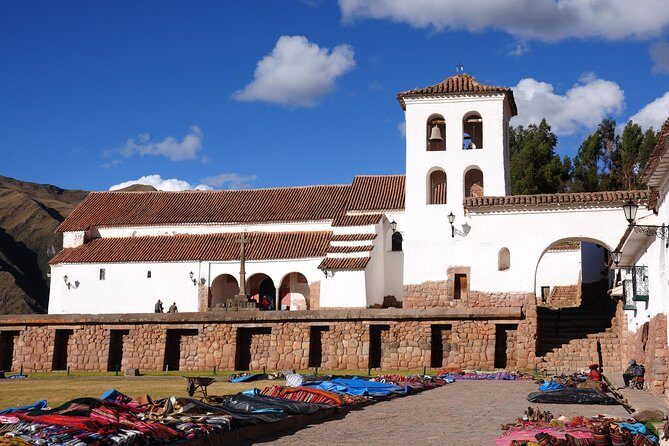
- Chinchero Inca Walls, Colonial Church, and Textile Center
- Moray’s Circular Terraces: Why This Agricultural Site Feels So Unique
- Maras Salt Mines with 3,000+ Salt Wells: Views and a Key Reality Check
- Urubamba Buffet Lunch: A Real Breather Before the Afternoon Sites
- Ollantaytambo, The Last Living Inca City: What to Focus On
- Pisac on Intihuatana Hill: Indigenous Market Finds and Inca Stonework
- Group Size, Timing, and Pickup: How to Avoid a Rushed Day
- Price and Value: What You’re Paying For (and What Can Change)
- What to Bring for a Comfortable Day
- Should You Book Sacred Valley Vip Cusco?
Key Highlights You’ll Actually Feel
- Chinchero mix of Inca walls and a colonial church plus a textile center you can browse
- Moray’s circular terraces, an agricultural site that shows serious Inca experimentation
- Maras Salt Mines with 3,000+ salt wells, a dramatic place to slow down and look
- Urubamba buffet lunch gives you real food time before the afternoon sites
- Ollantaytambo’s role as a living Inca city, not just ruins on a map
- Pisac market on Intihuatana hill slopes, great for handicrafts before the archaeological park
Sacred Valley in One Long Day: How This Route Works
This tour is built for people who want a lot of Sacred Valley highlights without doing multiple days of planning. You start in Cusco at 7:00 am and return around 7:00 pm, covering five major stops: Chinchero, Moray, Maras, Ollantaytambo, and Pisac. That long day is the whole point: you get the big hits in one go, with a live guide to connect the dots.
The value here is not just that you see famous names. It’s that each place teaches a different side of how the region worked for the Incas. One stop is construction and religion (Chinchero), another is agriculture and climate control (Moray), another is production and labor (Maras), then you shift to civic life and settlement (Ollantaytambo and Pisac). If you like structure, this kind of day trip works well.
Because it’s a small group (max 10), you’re less likely to feel like you’re part of a cattle line. Still, it’s a full schedule. Keep expectations realistic: you’ll get meaningful time at each stop, but you won’t have weeks to wander every corner.
You can also read our reviews of more tours and experiences in Cusco

Chinchero Inca Walls, Colonial Church, and Textile Center
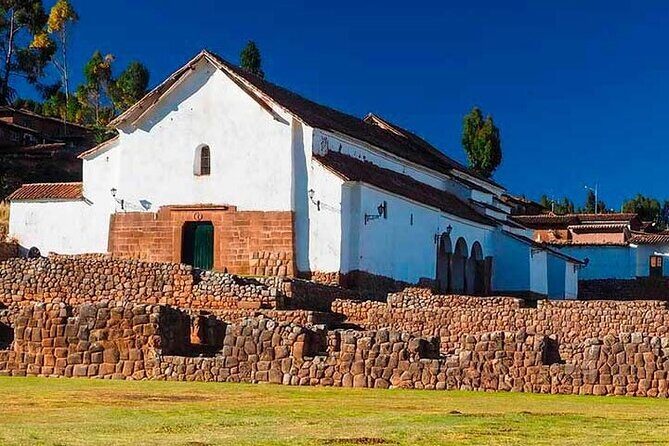
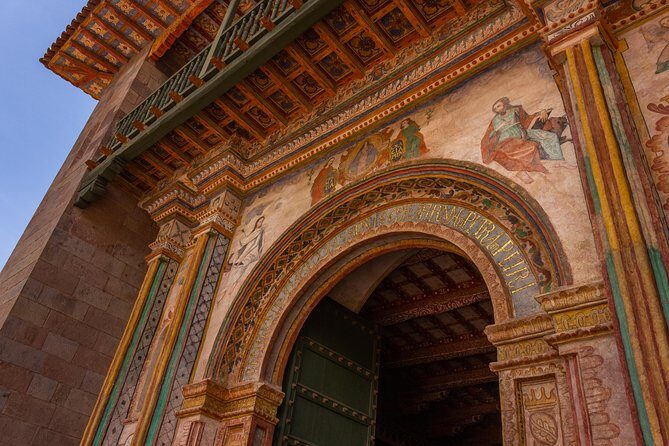
Chinchero is usually the kind of place that rewards slow looking. You’ll see Inca wall constructions and a historic colonial church, which gives you a clear visual of how cultures layered over time in the region. Even if you’re not a stonework expert, the combination makes it easier to understand what you’re seeing: the older foundations and the later religious presence.
You’ll also visit a textile center. This matters because the Sacred Valley isn’t just about archaeology; it’s also about everyday crafts and local traditions. If you’re trying to buy something you’ll actually use, this is a decent moment to learn what materials and techniques you’re looking for before you head into the market later.
Time in Chinchero also helps you calibrate for the day. It’s early, you’re fresh, and the site is the most “close-up” of the morning. If you hate feeling rushed in the first hour of a tour, ask your guide where the best photo viewpoints are and stick with the plan rather than roaming off on your own.
Moray’s Circular Terraces: Why This Agricultural Site Feels So Unique
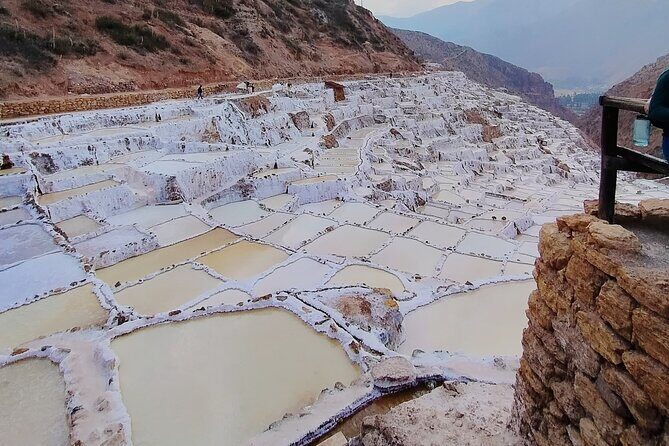
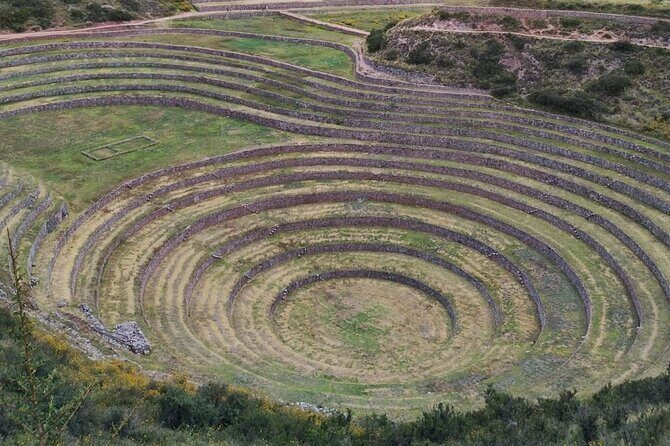
Moray is one of those places that makes you pause, because the site looks almost too intentional. The circular terraces are an Inca agricultural site, and that design is the clue. Your guide will explain the idea that the Incas used different levels to create varying growing conditions—turning a landscape into a kind of outdoor experiment.
What I like about Moray as a stop is that it’s a break from the heavy stone-and-worship vibe. Instead of thinking about cities and temples, you’re thinking about farming systems and practical problem-solving. Even if you’re not deep into agronomy, the terraces help you visualize how the Incas treated the environment like something they could work with.
The watch-out? Moray is visual, but it’s also spread out. Wear shoes that handle uneven ground and don’t plan to keep moving nonstop. The best experience comes from stepping back and taking in the terraces as a whole, not only walking from point to point.
Maras Salt Mines with 3,000+ Salt Wells: Views and a Key Reality Check
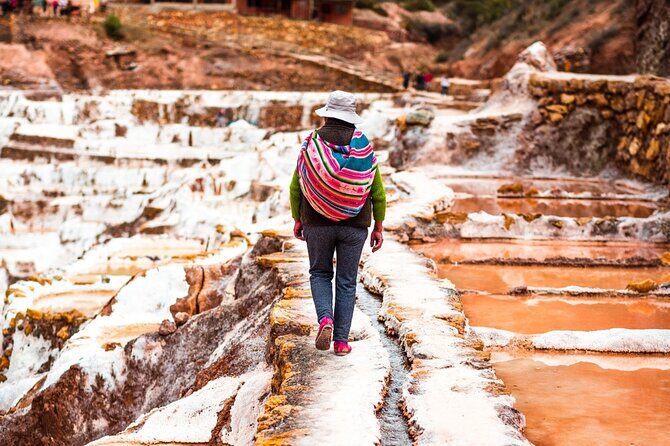
Maras is the stop where the scale surprises you. You’ll head down to the Maras Salt Mines, known for over 3,000 salt wells. It’s a working production area, so what you’re seeing isn’t a museum display. It’s active and practical—rows of small pools carved into the hillside—plus the views that come with that setting.
Here’s the reality check I’d bring to your planning: one confirmed review noted that the salt mines cost was 20 soles rather than 10 as shown in an app. That’s exactly the kind of detail that can ruin your day if you come unprepared. Ask your guide or operator ahead of time what the fee will be on the day, and carry a bit extra just in case.
Also, don’t treat Maras like a five-minute photo stop. The appeal is in the pattern and repetition. If you rush it, you miss the main thing: the sense of scale created by thousands of small, consistent units.
Urubamba Buffet Lunch: A Real Breather Before the Afternoon Sites
After the morning sites, you’ll enjoy a buffet lunch in Urubamba. This is more than a “food stop.” It’s your reset moment so the rest of the day feels manageable. You’ll be able to fill up before continuing to Ollantaytambo, which means fewer mid-afternoon energy crashes and fewer rushed snacks.
A buffet also helps you travel-friendly. You can choose what you need rather than being stuck with one dish you’re unsure about. If you’re picky, this is a good setup. If you’re hungry, you’ll likely find enough variety to get a solid meal.
Keep lunch simple and practical. Eat enough that you won’t feel drained on the walk around Ollantaytambo and Pisac, but don’t go overboard right before you’re back on your feet.



Ollantaytambo, The Last Living Inca City: What to Focus On
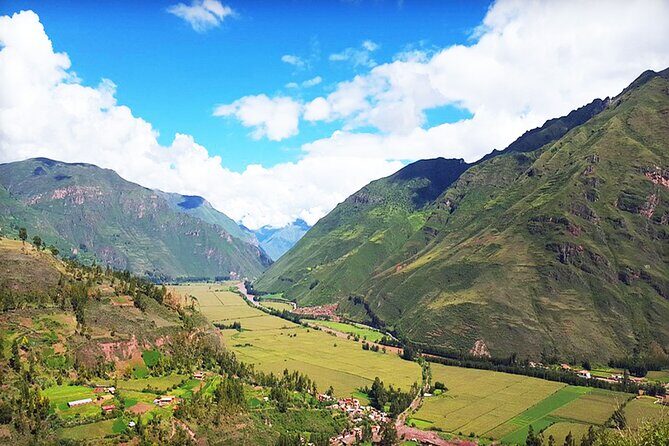
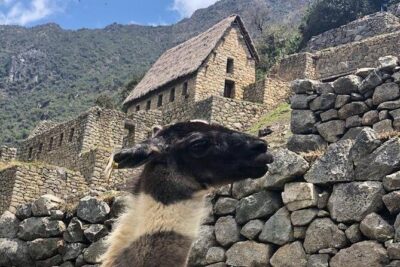
Ollantaytambo is a high point of the Sacred Valley for a reason. The tour calls it the last living Inca city, and that phrase matters because it changes how you should look at the place. You’re not just viewing stones from a distance—you’re in a town that still carries that historical footprint.
Your guide will walk you through the area and explain why Ollantaytambo became so important. Even if you’ve seen plenty of ruins elsewhere, this one can feel different because it’s tied to settlement and continuity rather than being solely a distant archaeological site.
Practical advice: give yourself permission to slow down here. If you try to sprint through Ollantaytambo like a checklist, you’ll miss the chance to understand how the city layout and the dramatic terrain shaped daily life. Take a few quiet moments, then let your guide point out what most people overlook.
Pisac on Intihuatana Hill: Indigenous Market Finds and Inca Stonework
Pisac is doing two jobs in this tour, and that’s why it works so well. First, you’ll explore the indigenous market, where it’s a good time to shop for handicrafts. Then you’ll visit the Archaeological Park of Pisac, featuring finely crafted Inca stone buildings.
The market on the slopes of Intihuatana hill is where you’ll likely do most of your souvenir shopping. This is also the moment to buy with context: you’ve seen textile-related craft at Chinchero, so you can compare what you find in the market. If you’re looking for items you’ll actually keep, aim for pieces that show technique rather than generic decoration.
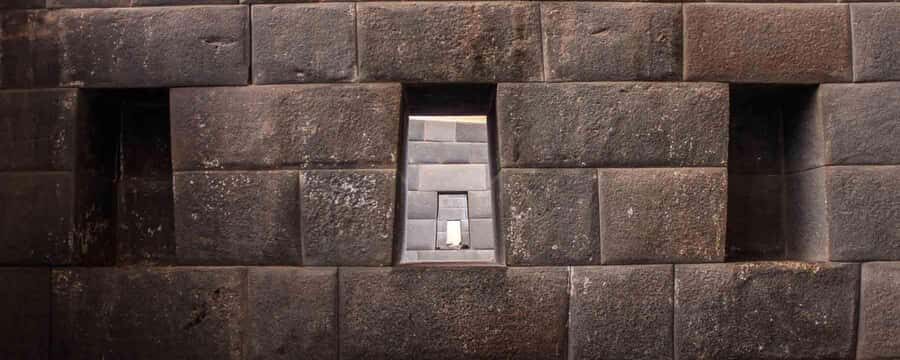
Then the archaeological park brings you back to stone and structure. Pisac’s Inca buildings are finely made, and the setting adds to the feeling of intentional design—structures that follow the contours of the hill. Don’t just take photos. Let your guide show you how the stonework fits into the terrain and what it would have meant in its original setting.
If you only have limited shopping time, prioritize what you care about most at the market. Once you start touring the archaeological park, it’s not the best moment to hunt for last-minute deals.
Group Size, Timing, and Pickup: How to Avoid a Rushed Day
This is a 12-hour day tour with a small group capped at 10. That’s a sweet spot for people who want a more personal experience without spending private-tour money. With fewer people, it’s easier for your guide to manage explanations and check in on questions.
The timing is tight by necessity. You start early, and by mid-afternoon you’re already moving between sites. That means you’ll benefit from being ready when your guide asks the group to board. Keep your water accessible and your camera charged; the day will move.
One caution comes from an actual complaint: pickup coordination can be an issue if the operator and agency don’t line things up. My advice is simple—confirm pickup timing the day before, and be clear about the meeting point. If anything feels vague, ask for specifics. That one step can prevent a lot of stress later.
Price and Value: What You’re Paying For (and What Can Change)
There isn’t a price listed here, so I can’t tell you whether it’s the cheapest option. But I can tell you what you’re buying in value terms.
You’re paying for a packed route with five major stops, a live guide in English or Spanish, and a buffet lunch. You’re also paying for efficiency: you’re not figuring out transport between Chinchero, Moray, Maras, Ollantaytambo, and Pisac on your own. If your biggest goal is to maximize a single day in the Sacred Valley, this format usually makes sense.
Two cost/value risks to keep in mind:
- The Maras Salt Mines fee may be 20 soles, even if a lower number is shown somewhere. Verify before you get there.
- Because the schedule is full, you want to make sure the tour’s timing works for your energy level. If you prefer slower travel, you might feel the pace.
If you’re coming to the region with limited time, a single-day circuit like this is often the best use of your days—especially when you want both archaeology and market culture.
What to Bring for a Comfortable Day
The tour details don’t list a packing checklist, so I’ll keep this practical and general—based on the reality of walking at multiple stops.
Bring:
- Comfortable shoes for uneven outdoor ground
- A refillable water bottle
- Sun protection (cap/sunglasses)
- Cash or small bills for places where a fee may apply, especially at Maras
And one small strategy: plan to wear layers. Even on clear days, conditions can shift between valley areas and higher viewpoints, and you’ll be out for many hours.
Should You Book Sacred Valley Vip Cusco?
Book this tour if you want a high-coverage Sacred Valley day with a small group, a live guide, and time at both markets and major sites. It’s a strong fit for first-time visitors who want Chinchero’s Inca-and-colonial mix, Moray’s unusual terrace design, Maras’ salt production scale, and Pisac’s market + archaeological park in one trip.
Skip it (or at least rethink it) if you hate long days and tight timing. Also, if you’re the type who gets stressed by uncertain logistics, do the one thing that fixes most problems: confirm pickup details in advance, and verify the Maras Salt Mines fee so you’re not surprised mid-day.
If you get those two points right, Sacred Valley Vip Cusco is a solid way to experience the region’s highlights without wasting time.