REVIEW · CUSCO
Cusco : Half-Day Explore Inca Ruins qoricancha sacsayhuaman
Book on GetYourGuide →Operated by tour machupicchu best E.i.r.l · Bookable on GetYourGuide
In five hours, Cusco shows its Inca cards. This morning tour strings together major sites—Qoricancha and Sacsaywaman—so you get big, memorable views without losing your whole day. It’s a smart way to connect the dots between Cusco’s sacred spaces and the surrounding ruins.
Two things I really like: you have a professional bilingual guide (Spanish/English) who explains what you’re seeing, and the schedule includes time to enjoy authentic local cuisine as part of the experience. The pace is tight, but it’s built for learning and seeing more than one standout location.
One drawback to plan around: altitude. If you haven’t acclimated yet, Cusco can hit hard. One of the clearest cautions I’d listen to is that this kind of half-day outing can be too much when you’re still adjusting.
In This Review
- Key points to know before you go
- Meeting at Plaza de Armas: the part that makes the morning feel easy
- Qoricancha: your first taste of Cusco’s sacred energy
- Sacsaywaman: panoramic views and a reason to wear comfy shoes
- Qenqo and Puca Pucara: how the morning shifts from iconic to intimate
- Tambomachay: a calm closer before you return to the center
- How the timing really works in a 5-hour plan
- The guide and language mix: helpful in practice, but plan for Spanish dominance
- Price value: what $15 buys you—and what it doesn’t
- The cash ticket detail: don’t get stuck mid-morning
- Local food during the tour: a welcome break, but check what’s covered
- A note on shopping stops: expect selling, not just sightseeing
- Altitude reality check: when to rethink the plan
- Should you book this Cusco half-day ruins tour?
- FAQ
- What time is pickup for this tour?
- Where is the meeting point?
- How long is the tour?
- What’s the price per person?
- Are entry tickets included?
- Which languages will the guide speak?
- Does the tour include transportation?
- Is there free cancellation?
Key points to know before you go
- Pickup at Plaza de Armas at 8:45 am makes it easy to start without hunting for a meeting point
- Qoricancha (Temple of the Sun) gives you a first, sacred stop close to Cusco’s center
- Sacsaywaman viewpoints are a major highlight for wide panoramic sightlines
- Four extra Inca ruins stops (Qenqo, Puca Pucara, Tambomachay, plus more time around sites) keep the morning moving
- Cash entry tickets required (90 soles) means you’ll want that money ready
- Ends near central Cusco so you can continue your day without complicated logistics
Meeting at Plaza de Armas: the part that makes the morning feel easy
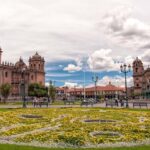
You start right in the heart of Cusco at the Plaza de Armas. Pickup is scheduled for 8:45 am at the water fountain in the center, and the group meets there by name. That detail matters. Cusco can be busy and confusing early on, so having a specific “go here, wait at this fountain” meeting point lowers stress fast.
The tour is about 5 hours total and uses tourist transport between sites. You’re not driving yourself, and you’re not stuck figuring out local buses while you’re still waking up. Short transport hops also help keep the day focused on the ruins, not the route.
When the tour finishes, it ends one block from Plaza de Armas (the finishing point is listed as Plaza Kusipata). I like this setup because you can go straight to lunch, a café, or a slow walk after you get back. No long “get back from the middle of nowhere” hassle.
You can also read our reviews of more tours and experiences in Cusco
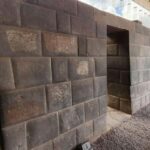
Qoricancha: your first taste of Cusco’s sacred energy
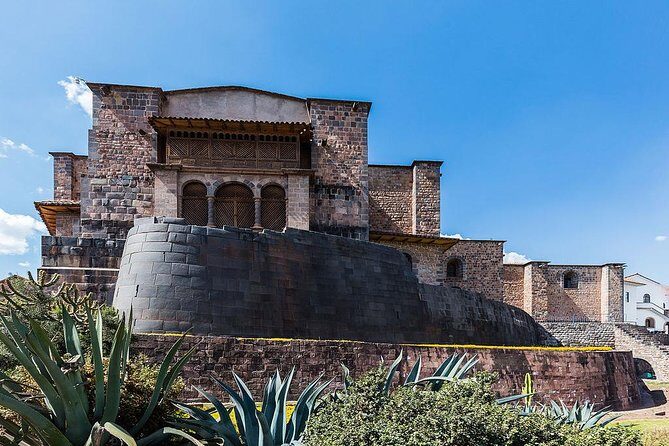
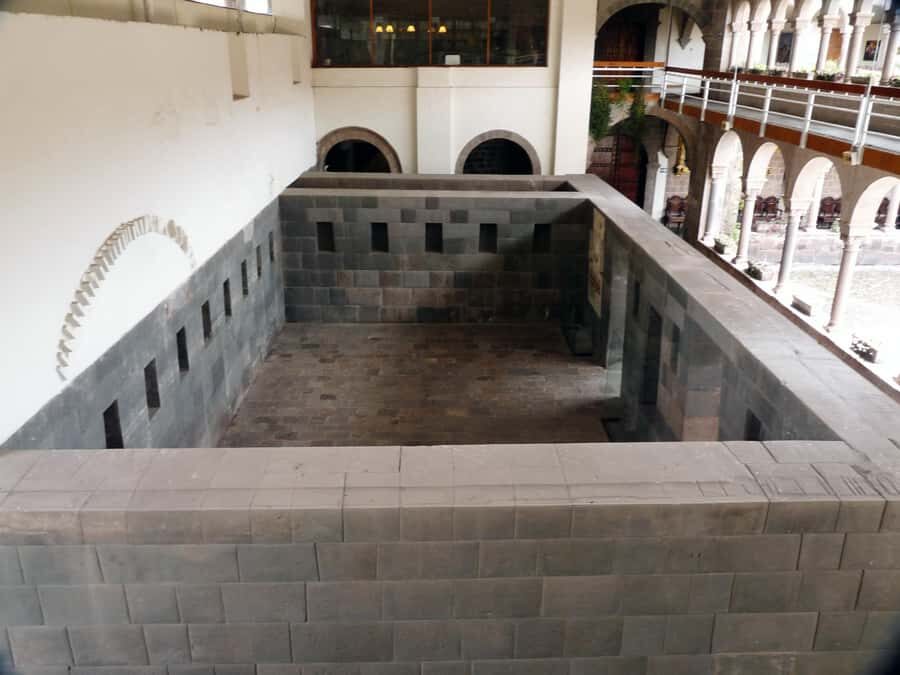
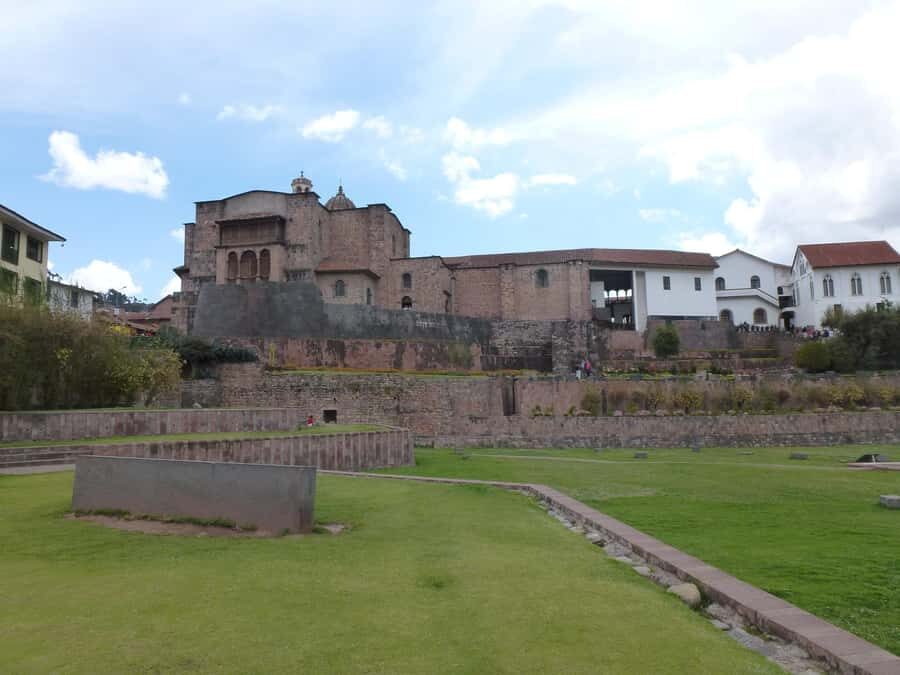
The morning begins with Qoricancha, the Temple of the Sun. You’ll spend about 40 minutes here, enough time to take in the setting, listen to the guide’s explanations, and get those early photos before the crowds build.
Qoricancha is a strong opener because it frames everything else you’ll see later. When the guide talks through the site, you’re not just looking at stone—you’re learning how the Inca used sacred space. Even if you only absorb a few key points, it changes the way you notice the rest of the day. The tour’s theme is “secrets of the Inca civilization,” and Qoricancha is a natural place for that story to start.
A practical tip: go into this first stop with a little patience for time. You’re coming from central Cusco, so you might want to slow your pace and let your lungs catch up. Starting at Qoricancha first also helps you build confidence early—if the morning feels manageable, you’re more likely to enjoy the later viewpoints.
Sacsaywaman: panoramic views and a reason to wear comfy shoes
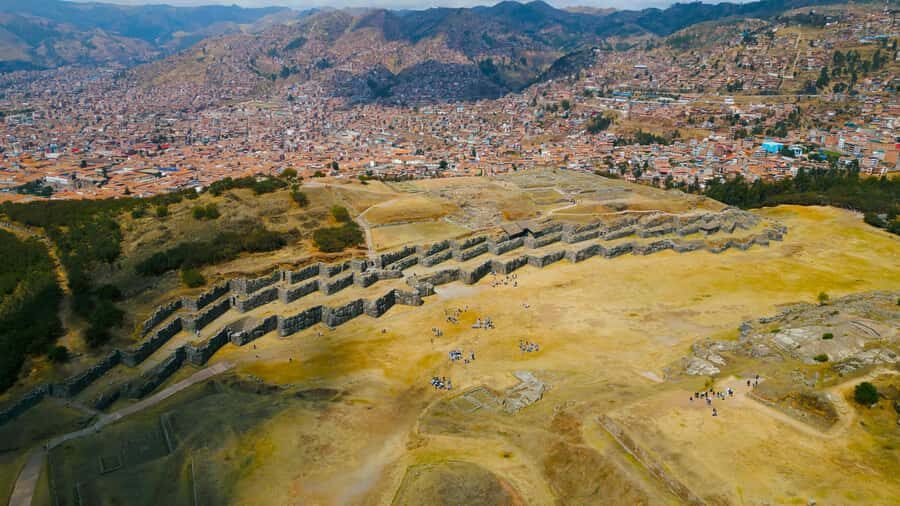
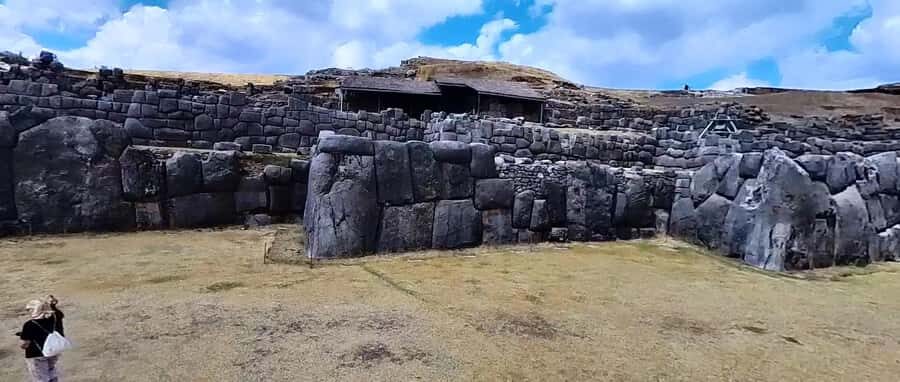
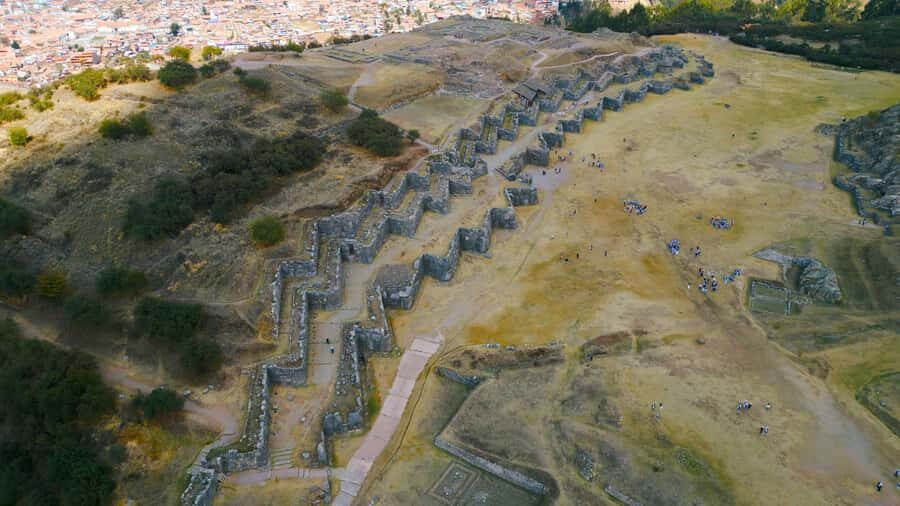
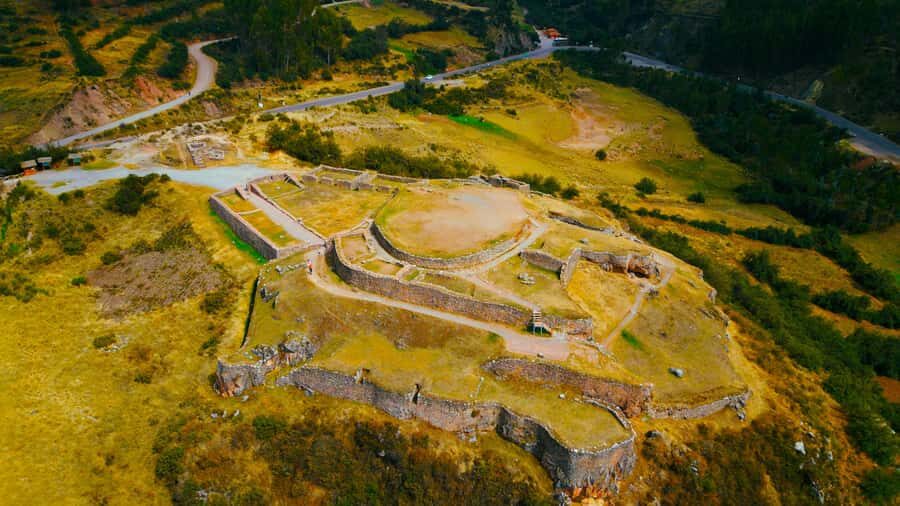
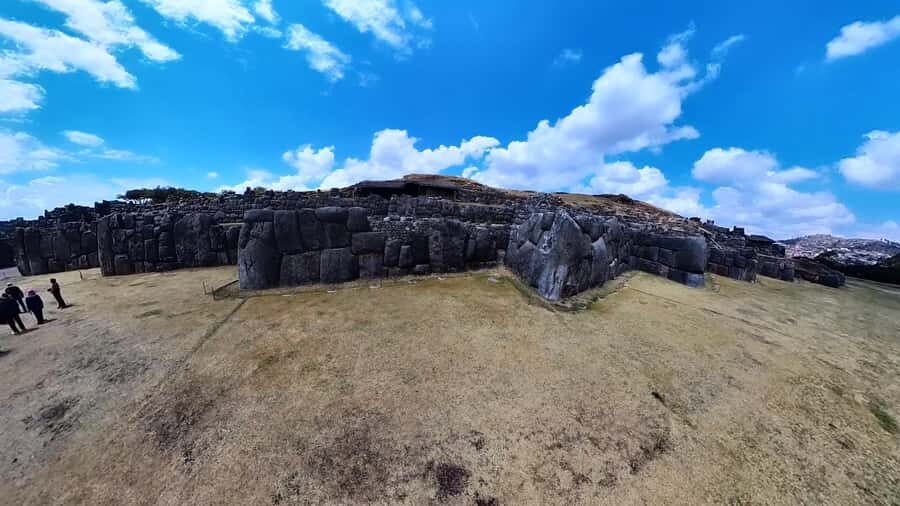
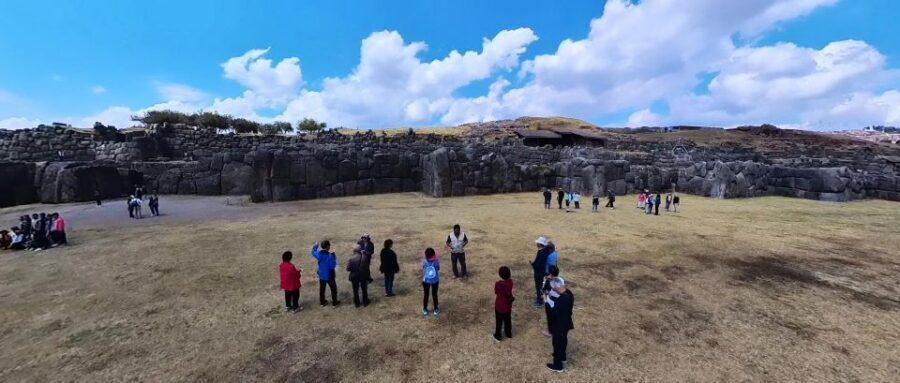
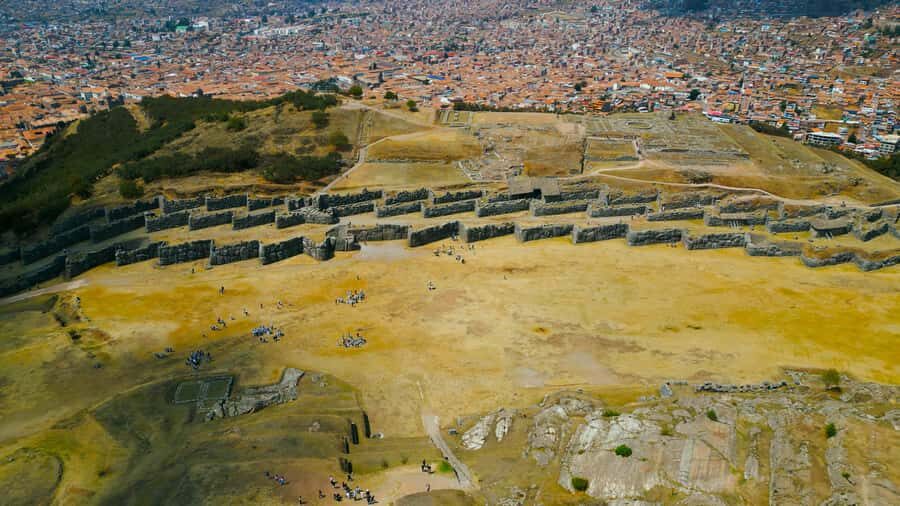
After Qoricancha, the group transfers by coach for around 20 minutes, then you’re at Sacsaywaman for another 40 minutes. This is one of the tour’s headline moments. The experience is designed around breathtaking panoramic views from historic sites, and Sacsaywaman is exactly the kind of place where those views do the heavy lifting.
I like Sacsaywaman on a guided half-day because it’s a “payoff stop.” By the time you arrive, you’ve heard the guide’s framing about sacred Inca spaces. Then the terrain and sightlines make the setting feel bigger than a single building. You’re not only learning; you’re also visually connecting Cusco to the wider region.
One small consideration: Sacsaywaman can take more effort than it looks like from a distance. Plan to move at your pace. If you feel the altitude, pause for water, take breaks, and don’t force speed just because the group is moving on. The goal is to enjoy the views, not white-knuckle your way through them.
Qenqo and Puca Pucara: how the morning shifts from iconic to intimate
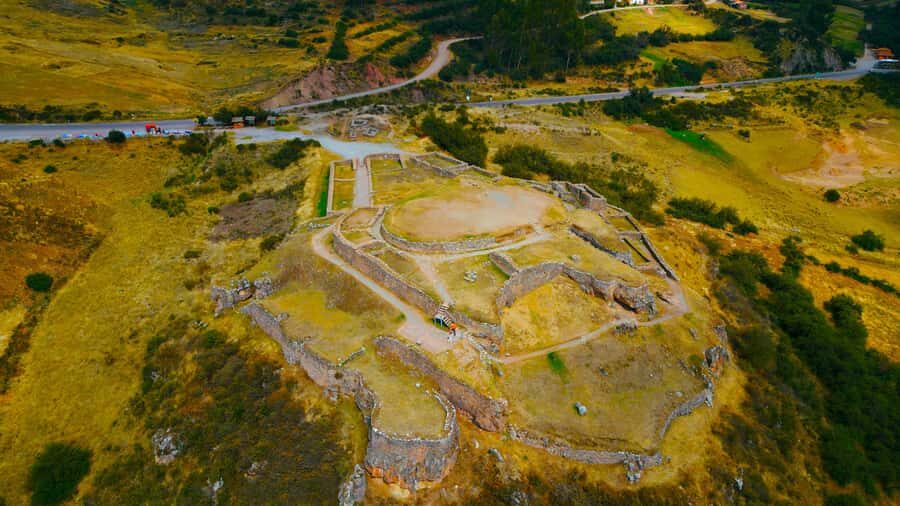
Next comes Q’enco (Qenqo), listed as an archaeological complex stop with about 30 minutes. Then you move to Puca Pucara, with about 20 minutes at that point (the tour keeps shifting via short coach legs).
This is where the tour becomes more than “two big landmarks.” Qenqo and Puca Pucara help you feel variety—different Inca sites, different moods, different visual angles—without turning the day into a marathon. The guided explanations are the glue. If you only glance at stones, you’ll still get good photos. If you listen, you’ll understand why this chain of sites matters as a system, not a checklist.
I also like this mid-morning rhythm. After Sacsaywaman’s wide views, these stops tend to feel a bit more focused. That can be great if you want to keep your brain engaged while you catch your breath.
Tambomachay: a calm closer before you return to the center
The final major ruins stop is Tambomachay, with about 30 minutes on site. After that, transport brings you back to central Cusco, ending near Plaza de Armas.
Tambomachay works as a closer because it gives you one last structured chance to learn, look around, and slow down before the day’s energy ramps up elsewhere. If you’re thinking about pacing for the whole morning, ending with a longer visit (30 minutes) is helpful. It gives you room to ask questions and re-orient without feeling rushed at the end.
A good strategy: save a couple of questions for this last stop. Ask the guide about how each site fits into the larger Cusco story, or ask what to notice when you return later on your own. This is where a good guide pays off the most—helping you carry the meaning beyond the group photo.

How the timing really works in a 5-hour plan
This is a half-day morning experience with a full schedule, but not a “constant walking” situation. You get a mix of time-on-site and time-on-coach:
- Qoricancha: 40 minutes
- Sacsaywaman: 40 minutes
- Qenqo: 30 minutes
- Puca Pucara: 20 minutes
- Tambomachay: 30 minutes
- plus transfer time between stops
If you’re used to slower travel, it can feel like a lot. But that’s the point of paying for a guided format: you spend time where it counts and let transport do the busywork. The key is knowing what to expect from a 5-hour window. You’re not doing one ruin deeply. You’re seeing multiple major points and letting the guide connect them.
For me, that’s the best value use case: if you only have a morning (or you’re limiting early activity because of altitude), a timed half-day keeps your options open for the afternoon.
The guide and language mix: helpful in practice, but plan for Spanish dominance
The tour includes a bilingual guide in Spanish and English. That said, one real-world detail shows up in the experience: when the group has more Spanish speakers, the guide may naturally lean toward Spanish for flow and group balance.
So here’s the practical way to handle it: if you want strong English narration, it’s worth arriving confident in your ability to follow along with some interpretation if needed. The good news is that the guide is meant to support both languages, and the tour is set up around guided storytelling—not just drop-off sightseeing.
Also, since this is a guided ruins route, I recommend listening for “big picture” phrases. Even if you miss a sentence, you can catch the structure: sacred stop first, panoramic stop next, archaeological complexes after.
Price value: what $15 buys you—and what it doesn’t
The price is listed at $15 per person, and it includes tourist transport plus a professional bilingual guide. That combination is often where you actually save money and time in Cusco. If you were to arrange separate transport and figure out guided interpretation on your own, the cost can climb quickly.
What’s not included is important: entry ticket fees to the archaeological centers. You’ll need 90 soles in cash for tickets.
So yes, $15 is a strong entry price, but the real cost check is the ticket add-on. I’d budget for that immediately so you don’t end up scrambling for cash when you’re standing at a ticket point.
The cash ticket detail: don’t get stuck mid-morning
Because entry tickets are not included, you’ll want 90 soles in cash ready before you reach the ticketing moment. This is one of those logistics details that can ruin the vibe if it catches you unprepared.
The tour runs in the morning. That means you might be less flexible later if you need to withdraw money or exchange currency. I recommend handling the cash part the day before, or as your first stop after arriving in Cusco, so the tour stays smooth.
Local food during the tour: a welcome break, but check what’s covered
One of the tour highlights is authentic local cuisine during the tour. In other words, it’s not just ruins and transport. There’s a plan element that gives you a food moment.
However, the exact way food is handled (whether it’s included in price or you pay separately) isn’t spelled out in the core inclusions list. So I’d treat food as something you should be ready to purchase or top up, even if the experience is designed around giving you that local taste.
This matters because Cusco mornings can be cool and dry. A little steady fuel helps you enjoy the later stops and makes the altitude feel more manageable.
A note on shopping stops: expect selling, not just sightseeing
One clear caution from experience is that you’ll likely be taken to places where sales happen—both on transport and at some points during the stops. That doesn’t automatically mean the tour isn’t good. The key is to go in with eyes open.
If you don’t want shopping pressure, set your boundaries mentally before you start. You can still enjoy the guide’s explanations and the ruins without engaging with sales pitches.
Altitude reality check: when to rethink the plan
Cusco is high. If you haven’t acclimated, you can feel it even if you’re otherwise healthy. One of the strongest cautions tied to this particular tour is that it’s not ideal if you haven’t adapted yet—and that Cusco altitude can be harder than Machu Picchu for some people.
So use a simple filter:
- If you arrived recently and your breathing feels off, consider resting more before a structured morning like this.
- If you feel okay but get winded quickly, pace yourself and take breaks without guilt.
- If you’re unsure, pick a slower day instead. Your trip isn’t a race.
Your best plan is to match the tour intensity to how your body feels that morning. That will make the difference between “amazing ruins” and “why did I book this.”
Should you book this Cusco half-day ruins tour?
Book it if you want a tight, guided introduction to Cusco’s Inca sites, and you like the idea of seeing Qoricancha, Sacsaywaman, Qenqo, Puca Pucara, and Tambomachay in one morning with transport and a bilingual guide included.
Skip or reschedule it if altitude is still a problem for you. This isn’t an all-day trek, but it is a morning with multiple archaeological stops, and Cusco can be demanding when you first arrive. Also consider your comfort with sales stops during the day.
If you do book, you’ll get a good return on your time. Start at 8:45 am, bring 90 soles cash for entry tickets, go in expecting panoramic views and guided context, and you’ll leave with a stronger sense of how these sites connect.
FAQ
What time is pickup for this tour?
Pickup is at 8:45 am at the water fountain in the center of the Cusco main square (Plaza de Armas).
Where is the meeting point?
You meet at the water fountain in the center of Plaza de Armas. The coordinates provided are -13.516772, -71.9787231.
How long is the tour?
The duration is about 5 hours.
What’s the price per person?
The price is $15 per person.
Are entry tickets included?
No. Entry tickets to the archaeological centers are not included. You need 90 soles in cash for the ticket.
Which languages will the guide speak?
The guide is bilingual in Spanish and English.
Does the tour include transportation?
Yes. Tourist transport is included, and you travel between stops by coach.
Is there free cancellation?
Yes. Free cancellation is offered up to 24 hours in advance for a full refund.