REVIEW · CUSCO
Lares Trek To Machupicchu With Thermal Baths 4Days
Book on Viator →Operated by Ali Peru Treks - Travel Agency · Bookable on Viator
Four days, two passes, and Machu Picchu. This Lares Trek to Machu Picchu with thermal baths mixes high-Andes walking, community visits, and a long soak in Lares Hot Springs before you finish by train and bus at the Machu Picchu citadel. You also get those early-morning starts and altitude days that make this feel like a real trek, not a bus tour with stops.
I really like two things here. First, the trek is paced to include camp changes and time to look around, with stops like Cancha Cancha and Quishuarani instead of rushing you through. Second, the food setup is a big deal: chefs such as Balero and Valerio have been praised for tasty meals, including solid options for vegetarians, plus extra care when someone’s stomach didn’t feel great.
One drawback to plan for: the climbs are intense. You’ll go up to major passes like Pachacutec Pass at about 15,420 ft / 4,700 m and Willcaccasa Pass around 14,399 ft, so you need moderate fitness and you should expect slow, steady work up high.
In This Review
- Key highlights you’ll actually feel on this trek
- Why the Lares Route feels different once you’re on the trail
- Day 1: Sacred Valley drive, cloud forest walking, and Cancha Cancha starry camp
- Day 2: Pachacutec Pass views, Qoyalayccocha Lagoon lunch, and Quishuarani culture
- Day 3: Willcaccasa Pass, the Lares Hot Springs payoff, and the switch to train country
- Day 4: Machu Picchu guided tour plus bus timing, and how Huayna Picchu fits in
- Huayna Picchu add-on: steep and not included
- Price and what you get for about $600 per person
- Guides, food, and the small-team feel that makes this work
- Comfort level on the trek: camping that doesn’t feel like punishment
- Who this trek suits best (and who should look elsewhere)
- Should you book the Lares Trek to Machu Picchu with thermal baths?
- FAQ
- What time does the tour start?
- Where do you get picked up?
- How long is the Lares Trek to Machu Picchu with thermal baths?
- Are meals included?
- Do I camp on the trek?
- Are the hot springs included?
- Is the Machu Picchu tour included?
- Is Huayna Picchu included?
- What’s the maximum group size?
- What is the cancellation policy?
Key highlights you’ll actually feel on this trek
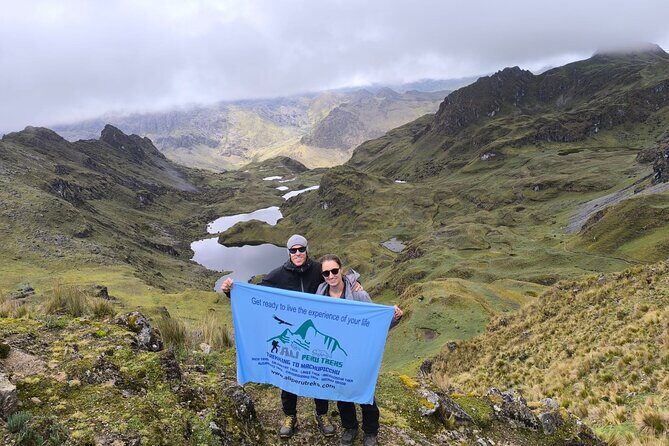
- Less-crowded mountain route with rare moments on trails, plus camp time that lets you explore a bit on your own
- Hot springs included as part of Day 3 recovery, with thermo-medicinal baths entrance covered
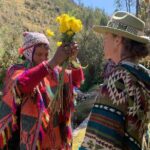
- Community stops such as visiting a local school and learning agricultural traditions with families
- A real pass-day feel on Day 2 (Pachacutec) and Day 3 (Willcaccasa), with sweeping views from the summits
- Guided Machu Picchu tour (about 2 hours) plus time to wander before your train back
- Small group cap (max 16) which usually means less waiting around on the trail
Why the Lares Route feels different once you’re on the trail
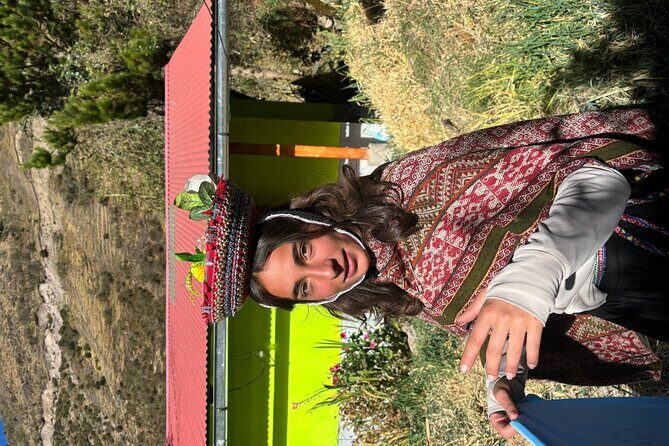
If you’re choosing a trek that ends at Machu Picchu, the biggest question is what kind of day-to-day experience you want. The Lares route leans toward steady hiking through quieter high-Andes valleys, with plenty of time for views, culture visits, and recovery breaks like the hot springs.
What I like most is how the itinerary builds in meaning. You’re not just climbing passes; you’re also getting guided moments like an offering ceremony at the top (with the Apus), and you get to see real village life during scheduled stops. That makes the hike feel less like a checklist and more like a path with people along it.
There’s also a practical side: the trek is structured with camps and meals that keep you fueled. Llamas handle luggage, so you’re carrying only your personal backpack, which is a huge help when your legs are already dealing with altitude and long days.
You can also read our reviews of more hiking tours in Cusco
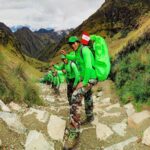
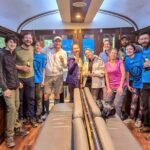
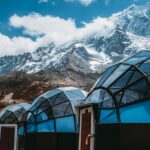
Day 1: Sacred Valley drive, cloud forest walking, and Cancha Cancha starry camp
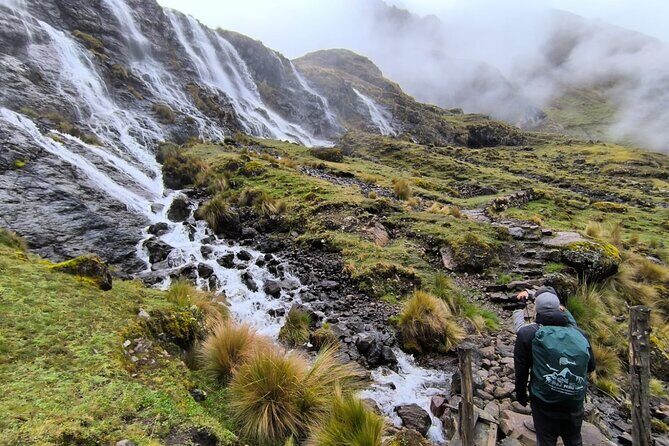
Day 1 starts early, with pick-up from your hotel. The drive is about two hours through the Sacred Valley, then you get breakfast at Huaran around 9,514 ft / 2,900 m. The rhythm is intentional: you’re moving from lower altitude to the trekking zone without feeling like you jumped straight into the deep end.
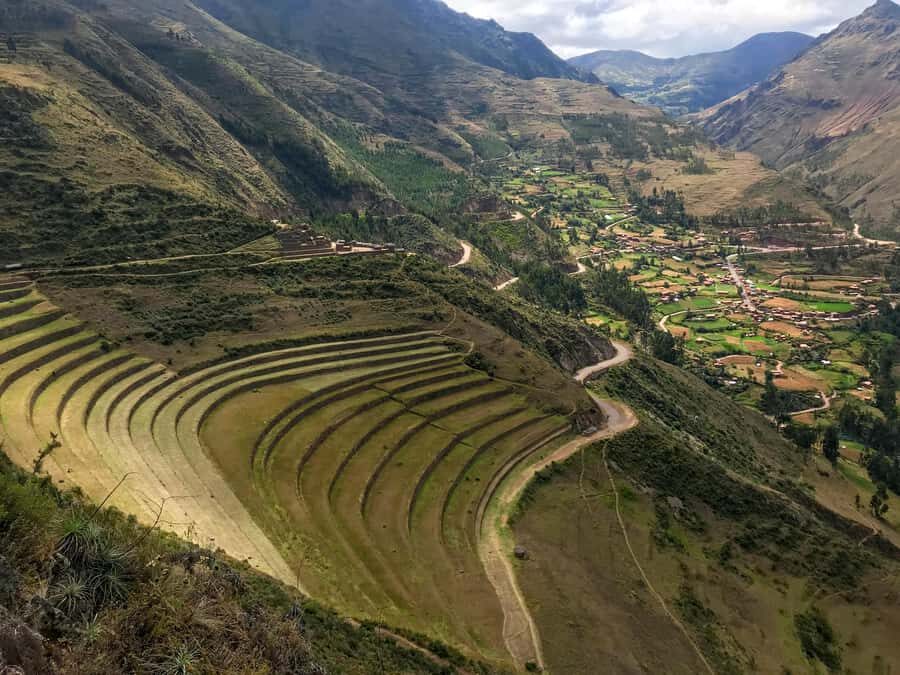
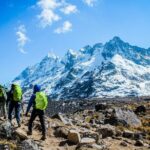
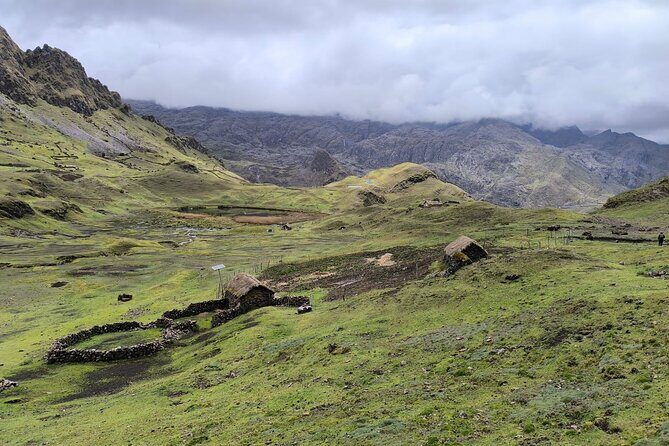
Then comes the easy-to-moderate part of the hiking: a gentle ascent through ancient cloud forests for about three hours. This is the stretch where you can focus on bird watching and the cooler, mistier feel of the higher valleys (not just your watch and your breath). If you like slowing down to look at details, Day 1 is your friendly warm-up.
At lunch, you’re near the high-Andean Cancha Cancha community. This is where the cultural element is more than a quick photo stop: you visit the local school and learn about families’ agricultural traditions. It’s a grounded moment, especially after the drive and before you climb again.
The day ends with a final gradual climb for about two more hours to the campsite at Cancha Cancha, around 12,631 ft / 3,850 m. Hot tea on arrival and a proper dinner set the tone for a trek you’ll remember. You’re camping for two nights total on this route, and Day 1 is your first step into that.
What to watch out for on Day 1: you’re sleeping and eating at altitude fast. Even if Day 1 is described as gentle, take your time, keep water handy, and don’t race the pace just because the trail feels manageable.
Day 2: Pachacutec Pass views, Qoyalayccocha Lagoon lunch, and Quishuarani culture
Day 2 is the big altitude push. After breakfast at Accopata camp (12,631 ft), you take on a strenuous three-hour ascent to Pachacutec Pass at about 15,420 ft / 4,700 m. This is one of those days where the summit isn’t about speed—it’s about steady effort. The guide performs a spiritual offering ceremony at the top, centered on the Apus, which adds a pause that feels meaningful after the climb.
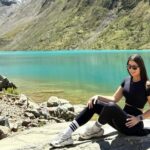
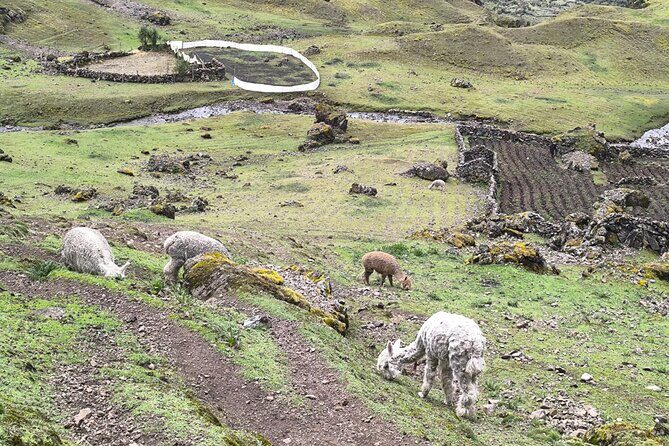
Once you’ve gotten to the pass, you shift into a long descent to Qoyalayccocha Lagoon (around 12,795 ft), with lunch at that point. This is a great contrast moment: after hours of effort, the pace changes and you get a calmer stretch to look around and recover your breathing.
In the afternoon, it’s another two hours of hiking to Quishuarani camp (about 12,103 ft). Day 2 finishes with another human connection stop: you visit a local family to learn about their agricultural traditions, then you eat dinner.
There’s also a small extra bonus here—potential Andean constellation viewing. It’s weather-dependent, but even the idea of ending the day like that helps make this feel less like a grind and more like a shared night in the high Andes.
Possible snag on Day 2: if altitude affects you, this is the day you’ll notice it most. You’re doing the highest pass on the route, so pace yourself before you reach the top. Your guide and the group’s slow-and-steady rhythm matter here.
Day 3: Willcaccasa Pass, the Lares Hot Springs payoff, and the switch to train country
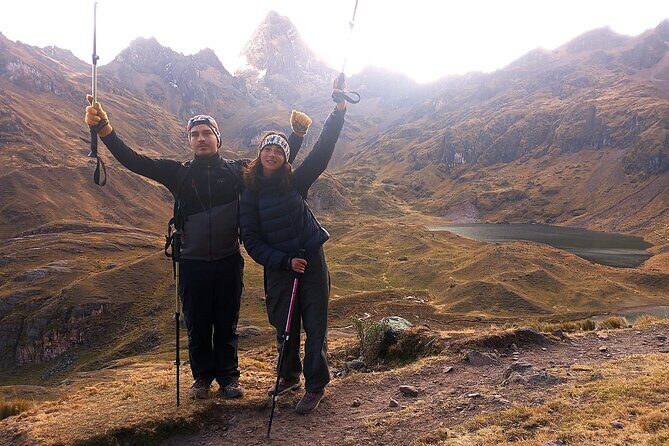
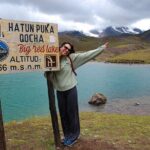
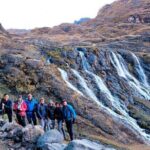
Day 3 starts at Quishuarani camp around 12,103 ft. After breakfast, you hike up for about two hours to Willcaccasa Pass at 14,399 ft / 4,390 m. The reward is described as spectacular: you get Andes views plus turquoise lagoons from higher ground, which is exactly what you want after two prior altitude days.
After the pass, you begin a long descent. There’s a brief stop in the village of Cuncani at around 11,811 ft, then you continue for about three hours to Lares Hot Springs. This is the point of the thermal baths in a practical sense: your legs have done the work, and now you get the recovery. The hot springs entrance ticket is included, and soaking is typically the best way to reset your muscles before you sit on transportation and then board a train.
After soaking, you have lunch, then there’s a farewell moment with your trek team—horsemen, chef, and porters. This is one of those quiet touches that makes the trek feel human. When you’ve been together for days, saying goodbye at the transition to the next stage lands.
Then the itinerary shifts gears. You take a three-hour private van to Ollantaytambo at about 9,160 ft. Dinner is served in Ollantaytambo, often described as the Last Living Inca City, and then you board the train to Aguas Calientes around 6,692 ft.
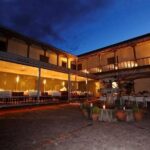
At Aguas Calientes, you check into your hotel and rest before the final Machu Picchu day. This hotel night is included and helps you avoid the most exhausting option: camping the final night right before Machu Picchu.
What’s worth planning for on Day 3: after the hot springs, you’ll likely feel looser but also tired. Keep your backpack simple for the next day, and make sure you’re ready to move quickly at Machu Picchu time.
Day 4: Machu Picchu guided tour plus bus timing, and how Huayna Picchu fits in
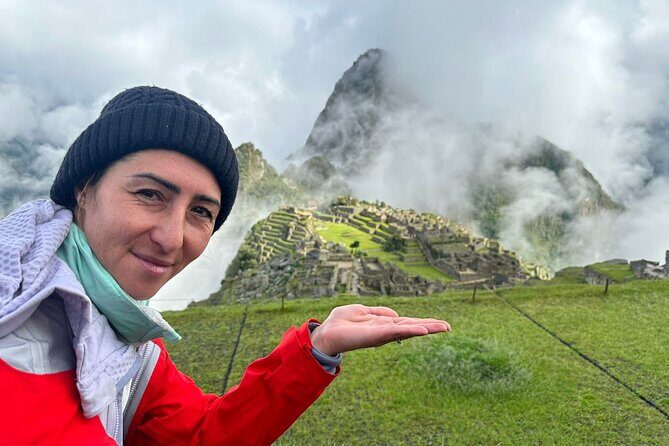
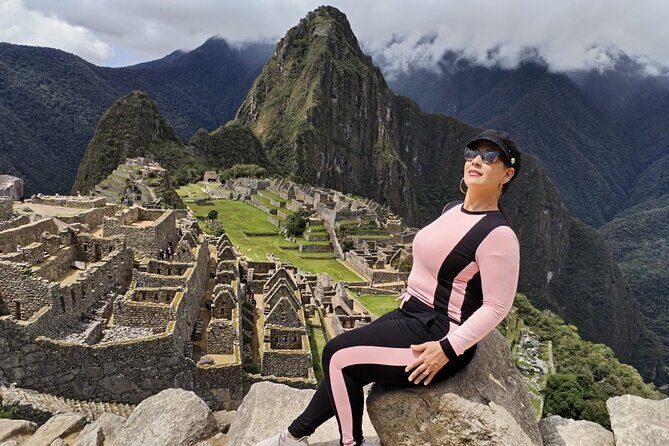
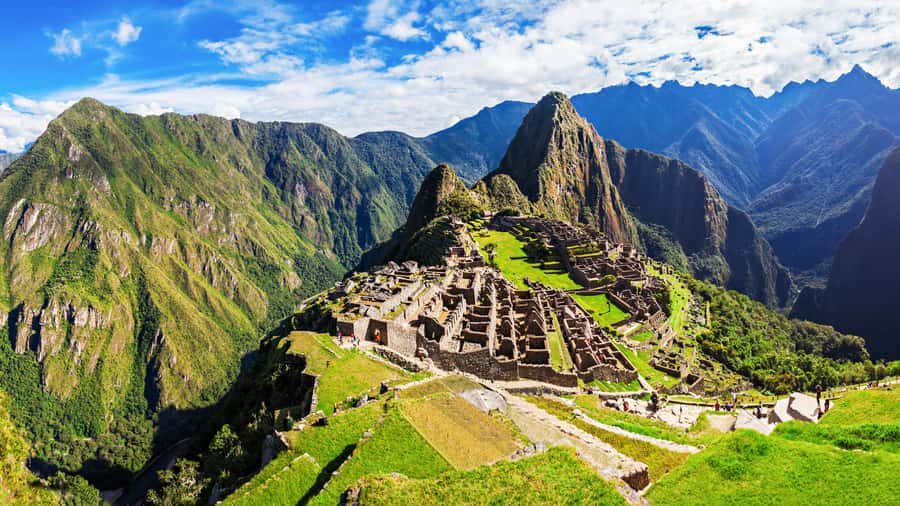
Day 4 is the payoff day. After early breakfast at your Aguas Calientes hotel, you focus on what you’ll carry—your hotel stores your luggage while you’re at Machu Picchu. The bus ride from Aguas Calientes to Machu Picchu takes about 25 minutes, then your guide leads a tour of about two hours.
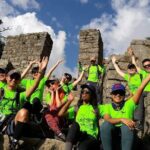
This part matters more than people think. A guided route helps you understand what you’re seeing at Machu Picchu: Inca history and cultural context, plus the layout of the citadel. And you still get time to explore on your own after the guided portion, so you can take photos, pause at viewpoints, and follow your own curiosity.
You’ll want to manage timing for your train. The guidance here is clear: return to Aguas Calientes no later than about two hours before your train departure. Then the return train ride from Aguas Calientes back to Ollantaytambo takes around two hours. Staff meet you in Ollantaytambo to take you back to Cusco and drop you at your hotel.
You can also read our reviews of more tours and experiences in Cusco
Huayna Picchu add-on: steep and not included
Huayna Picchu is a separate ticket and not included. It’s a steep, narrow path on the Machu Picchu side at about 2,660 m / 8,724 ft. The climb takes roughly 45 minutes and the descent another 45 minutes.
If you’re considering it, be honest about your comfort level with stairs cut into living rock near a vertical drop. This is not the section to “test courage.” If you’re already tired from the trek, choose the option that keeps your day enjoyable, not scary.
Price and what you get for about $600 per person
At around $600, this trek is priced like a full-service experience: you’re paying for guides, chef and porter support, camping equipment, meals, transport, and the Machu Picchu stage logistics.
Here’s the value in plain terms:
- Guides and first-aid support: trained mountain tourism guides, plus a first aid kit and portable emergency oxygen tank
- Real food and multiple meals: breakfasts and lunches plus dinners during the trekking days, using local natural ingredients
- Camping built into the cost: two nights camping with comfortable equipment, so you don’t have to bring sleeping bags or air mattresses
- Thermal baths included: entrance ticket to the thermo-medicinal hot springs
- Machupicchu transport covered: buses up and down to the citadel
- Rail included for the final transition: you take the train stage as part of the itinerary, finishing with returns toward Cusco
What’s not included (and you should budget mentally):
- Trekking poles and some bedding items can be rented, but they’re not included by default
- Lunch on the last day
- Huayna Picchu tickets
For many people, the biggest “value” isn’t the total price. It’s the fact that you don’t have to manage tents, porters, and route timing yourself on an altitude trek plus a Machu Picchu day.
Guides, food, and the small-team feel that makes this work
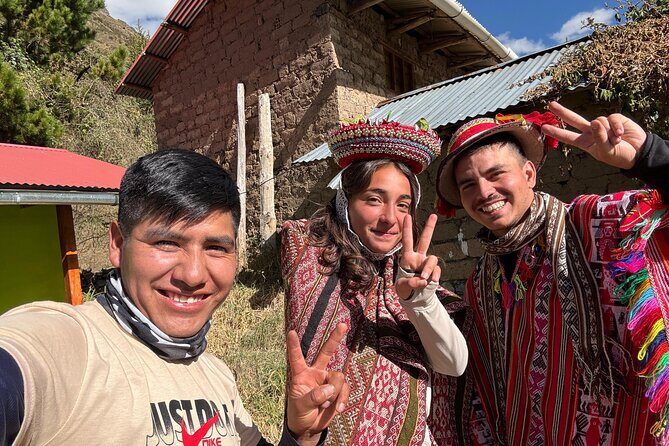
A trek lives or dies on the human team behind it. In the stories tied to this experience, names like Mesaias stand out for patient explanations and for making sure questions get answered. Other guides such as Ali and Alex have been described as helpful, friendly, and focused on sharing history in a way that keeps you calm and oriented.
Chef support is another big theme. Balero is praised for making meals that feel special after long hiking days, including adjusting care when someone felt unwell. Valerio is also noted for doing well with vegetarian food, which matters because meal quality can make or break how “good” the trek feels day to day.
And then there’s the horseman support, like Segundo, who helps with camp set-up so you get more time to actually enjoy the surroundings instead of watching camp chores eat the afternoon. This is the difference between a trek that feels smooth and one that feels chaotic.
Group size also helps. With a max of 16 travelers, you usually get a better rhythm on trail, and it’s easier for the guide to keep an eye on how everyone is doing.
Comfort level on the trek: camping that doesn’t feel like punishment
This isn’t a luxury hotel hike, but it’s not roughing it in the worst way either. You camp for two nights with comfortable equipment included. Sleeping bags and air mattresses aren’t included, so plan to either bring your own (if you prefer) or rent them.
Llamas are provided to load your luggage, so you don’t spend the trek carrying everything you own. Your main job is your backpack with the day essentials. That changes your whole experience: the hike feels like work, not like hauling a moving van uphill.
There’s also a clear structure to how your days move. You’re not stuck guessing meal times or camp locations. That predictability is what lets you enjoy the scenery and the community stops instead of worrying about logistics.
Who this trek suits best (and who should look elsewhere)
This tour is best if you want:
- A structured 4-day itinerary that builds to Machu Picchu with less stress on details
- A trekking experience that includes community visits, not just hiking
- A realistic challenge with high passes, but with guide support and team backup
You’ll be a strong match if you have moderate physical fitness and you’re comfortable hiking at altitude. The route includes strenuous sections, but it’s planned with gradual ascents and day-by-day breaks.
If you’re looking for a gentle walking holiday with minimal elevation, this probably isn’t the one. Between Pachacutec and Willcaccasa passes, this demands effort.
Should you book the Lares Trek to Machu Picchu with thermal baths?
If your goal is Machu Picchu plus a genuine high-Andes trek that also touches real community life, I think this is a smart pick. The combination of hot springs included, two nights of camping support, and a guided Machu Picchu tour makes it feel complete.
Book this if you want that mix of challenge and comfort, and you like having a team that handles the hard parts. Skip it only if you already know you can’t handle serious altitude climbs or if Huayna Picchu is a must for you and you want it included in the price.
In short: this is the kind of itinerary that turns Machu Picchu into a finish line you earned, not a first stop you rushed through.
FAQ
What time does the tour start?
The experience lists a 5:00 am start time, and the trek begins with a morning hotel pick-up at 6:00 am.
Where do you get picked up?
You’re picked up from your hotel in Cusco, Urubamba, or Pisaq.
How long is the Lares Trek to Machu Picchu with thermal baths?
It’s about 4 days.
Are meals included?
Yes. All meals during the trek are included, including 4 breakfasts, 3 lunches, and 3 dinners.
Do I camp on the trek?
Yes. You camp for two nights in the mountains with comfortable equipment, and you stay one night in a 3-star hotel in Aguas Calientes.
Are the hot springs included?
Yes. Entrance to the thermo-medicinal baths is included.
Is the Machu Picchu tour included?
Yes. You’ll take buses up to Machu Picchu and get a guided tour of about two hours, with time to explore on your own.
Is Huayna Picchu included?
No. Huayna Picchu tickets are not included, but you can add it if you have the ticket.
What’s the maximum group size?
The maximum group size is 16 travelers.
What is the cancellation policy?
Free cancellation is available up to 24 hours in advance for a full refund. If you cancel less than 24 hours before the experience starts, the amount paid is not refunded.