REVIEW · CUSCO
2-Day Tour:Sacred Valley and Machupicchu from Cuzco
Book on Viator →Operated by Machupicchu cusco · Bookable on Viator
Machu Picchu is the headline, but the route matters. This 2-day plan strings together the Sacred Valley towns and Inca sites, then gets you to Machu Picchu with guided time plus your own exploring time. You’ll also pause at places tied to daily life, from craft work to agriculture and the famous salt pans.
I especially like the mix of stops that teach you how people live, not just what they built. In Chinchero, you get a short local-style experience, plus the market and the colonial church, and you’ll hear how alpaca-fur work and community traditions connect to the valley economy. In the salt-and-terraces area, Moray and Maras show Inca experimentation and a living industry side by side.
One thing to consider: the schedule is full. Day 2 starts very early, and while admission tickets and transport are handled for you, lunch isn’t included (it’s optional at $20 USD per person), so you’ll want a game plan for meals and timing.
In This Review
- Key highlights that make this tour tick
- Getting from Cusco to Machu Picchu without playing logistics roulette
- Day 1 in the Sacred Valley: Chinchero to Ollantaytambo
- Chinchero market and colonial temple: a morning with real community texture
- Moray agricultural terraces: Inca experimentation you can actually see
- Maras salt mines: when an ancient resource turns into a daily job
- Urubamba lunch: a buffer before you head to the train
- Ollantaytambo: the living Inca town and the fortress setting the pace for Machu Picchu
- Overnight in Aguas Calientes: why this night protects your day 2
- Day 2 Machu Picchu: bus up, guided highlights, then your own route
- Guides and group size: what the best days usually feel like
- Meals, pacing, and the small choices that change your comfort
- Price and value: is $590 reasonable for this kind of trip?
- Who this Sacred Valley and Machu Picchu tour suits best
- Should you book this 2-day Cusco-to-Machu Picchu experience?
- FAQ
- How long is the tour?
- Where does the tour start in Cusco?
- What does the itinerary include on Day 1?
- What happens on Day 2 at Machu Picchu?
- Are train and bus tickets included?
- Is lunch included?
- Are admission tickets included?
- How many people are in the group?
- What is the cancellation policy?
Key highlights that make this tour tick
- Small group size (max 12 people) for a more manageable pace across long travel days
- Train + bus connections built in, so you’re not piecing together schedules on your own
- Chinchero market and community visit, where you learn daily crafts and local livelihoods
- Moray terraces and Maras salt mines, Inca agriculture and working salt pans in one sweep
- Guided Machu Picchu for about 2 hours, then free time to wander your own route
Getting from Cusco to Machu Picchu without playing logistics roulette
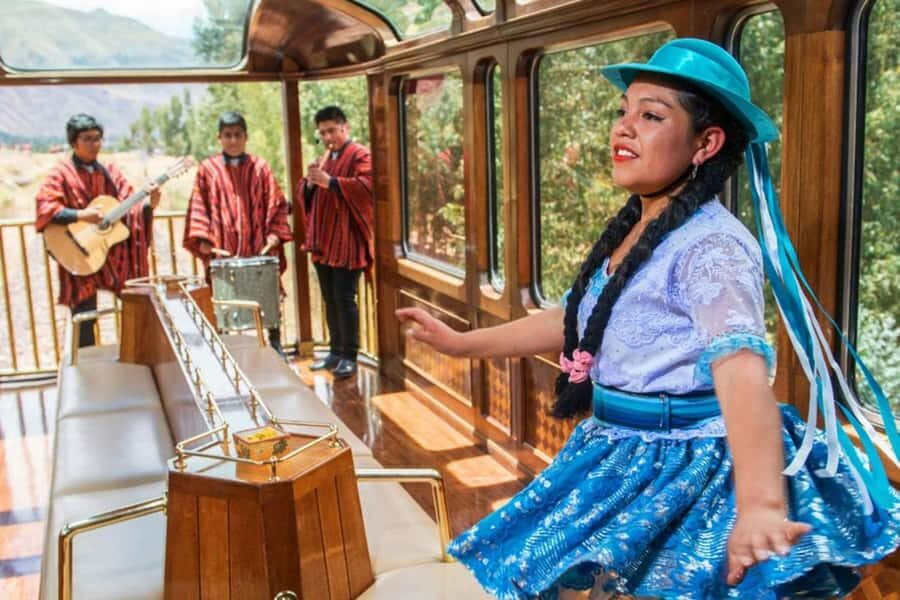
This is a classic “Cusco base → Sacred Valley → train to Aguas Calientes → Machu Picchu next morning” structure. The big win is that transport is handled in a coordinated way: a morning hotel pickup in Cusco, daylong valley driving, then a set train departure from Ollantaytambo toward Aguas Calientes.
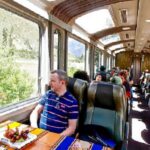
On day 1, the timeline is built around a specific train. After visiting Ollantaytambo, you board the train that leaves at 3:37 p.m. (arriving around 5:00 p.m.), giving you an overnight in Aguas Calientes before Machu Picchu on day 2.
Day 2 keeps the same logic: early bus up to the citadel, guided highlights, then the trip back down afterward. After your Machu Picchu time, you take the bus down to Aguas Calientes for the return train and car back to Cusco, with arrival around 6:30 p.m. That’s helpful if you’re trying to protect your last evening in Cusco.
You can also read our reviews of more tours and experiences in Cusco
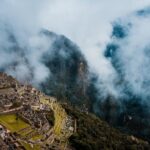
Day 1 in the Sacred Valley: Chinchero to Ollantaytambo
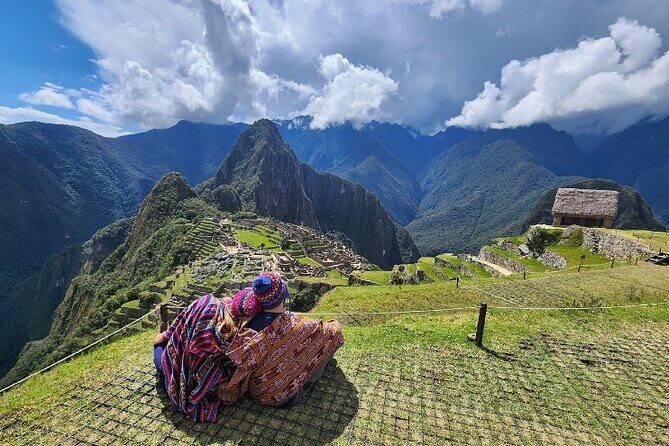
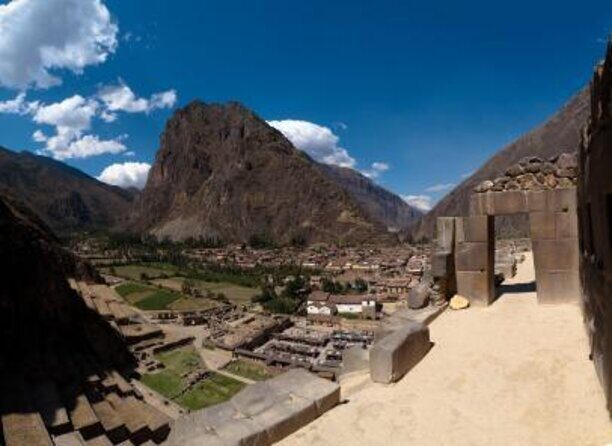
Day 1 is where the tour earns its value. You’re not just passing through scenic spots; you’re stopping at places with a clear purpose: culture and crafts in Chinchero, Inca agriculture at Moray, salt production in Maras, and then the Inca living-town feel at Ollantaytambo.
The day starts at 7:30 a.m. with transfer from your Cusco hotel. From there you head to the upper part of the Sacred Valley, where the first major stop is Chinchero, a community area known for both its market scene and its church heritage.
The schedule then flows in a practical order: Moray and the salt mines are tackled before lunch in Urubamba, and Ollantaytambo is saved for late afternoon because you need to reach the train station on time.
Chinchero market and colonial temple: a morning with real community texture
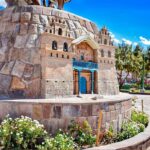
Chinchero is a strong first stop because it sets a human tempo for the rest of the day. You’ll see the typical market and the Colonial Temple, and you’ll get a short local-style visit in the Chinchero community.
What I like about this approach is that it frames Inca-era setting through modern work. In practical terms, it helps you understand what survives and adapts: the crafts, the agriculture, and the way people use the valley’s resources today.
A small timing note: Chinchero is listed as a 3-hour stop. That’s enough time to browse without feeling rushed, but it’s still part of a packed day, so keep your energy for later stops too.
Moray agricultural terraces: Inca experimentation you can actually see
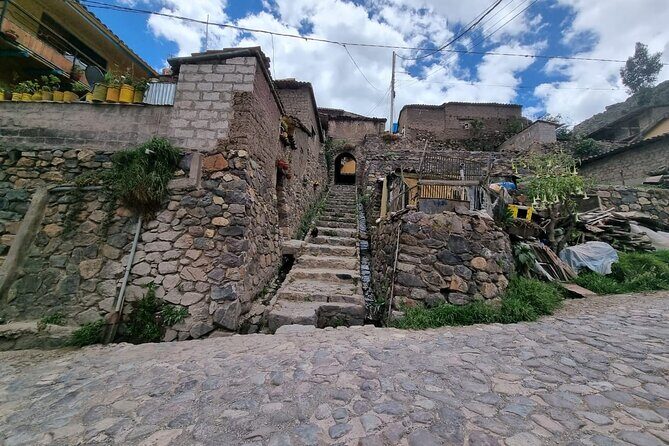
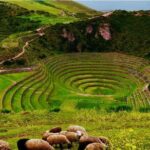
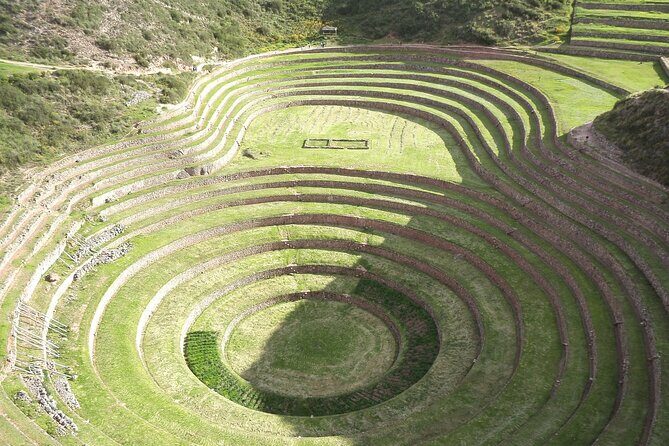
Moray is one of those places that makes “Inca engineering” feel less like a slogan and more like something you can picture. The tour describes it as an important agricultural and experimental center for the Inca empire, which is exactly the right context to carry with you as you look around.
Even better, it’s not staged as a single photo moment. The way the tour groups it together with Maras salt mines means you’re watching two different systems: planned agricultural experimentation at Moray, then a resource-based industry at Maras.
Moray is scheduled for about 2 hours. If you’re the type who likes to take your time, this window should feel workable, especially because the next stop is physically different and keeps the day from becoming one long sameness.
Maras salt mines: when an ancient resource turns into a daily job
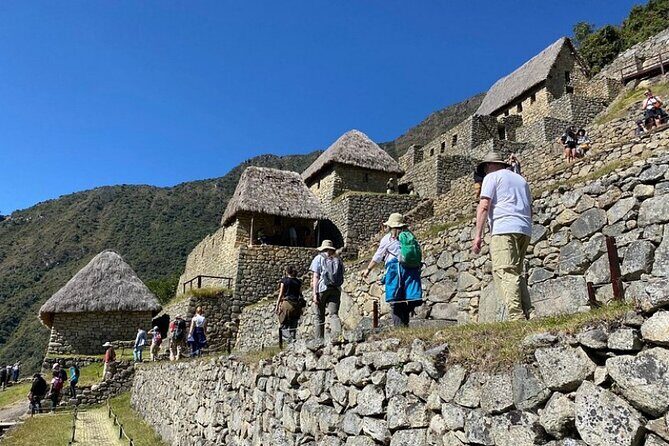
Right after Moray, you head to the salt mines of Maras, still exploited by people from Maras. This is one of the most interesting shifts in the day: the tour moves from Inca-era planning to a resource that’s still in use.
The payoff is that you see the connection between place and livelihood. A lot of Machu Picchu tours stop at ruins; this one is more interested in how the valley’s economy works, even when the source is an old Inca landscape.
The tour gives you time rather than a fly-by. Combined with Moray, this whole segment is built to last, and that matters because these areas reward slow looking.





Urubamba lunch: a buffer before you head to the train
After Moray and Maras, you’ll go to Urubamba for lunch. The tour notes that restaurants there usually offer a buffet lunch style option, but lunch itself is not included in the base price (it’s an optional extra at $20 USD per person).
This is the one moment where you get to reset. Since you have the train departure later, lunch is also part of keeping your day on schedule rather than just a meal stop.
My practical advice: treat lunch as a planning decision. If you know you’ll want a real sit-down meal, budget the extra cost now so there’s no last-minute scramble.
Ollantaytambo: the living Inca town and the fortress setting the pace for Machu Picchu
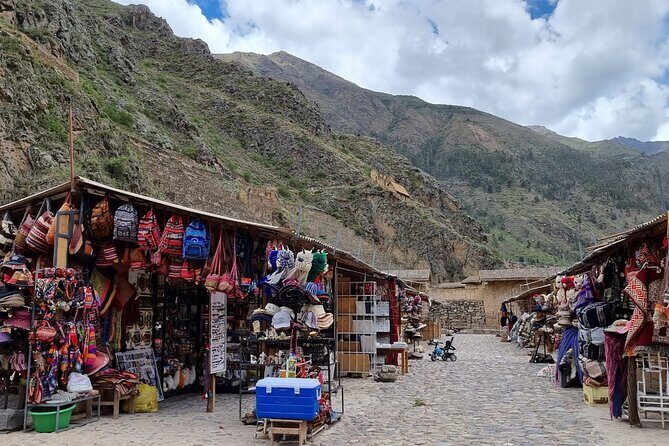
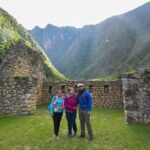
Ollantaytambo is where the day changes gear. You’ll visit the Ollantaytambo fortress and also learn about it as a place where descendants of the Incas still live in houses connected to Inca architecture—often described as the living Inka city.
This matters for Machu Picchu because Ollantaytambo isn’t just a stop on the way. It feels like a threshold between valley life and the high citadel experience coming next.
The timing is tight in a good way. After the fortress visit, you go to the train station and board the 3:37 p.m. departure toward Aguas Calientes. That timing also explains why the day ends relatively quickly once you’re on the rails.
Overnight in Aguas Calientes: why this night protects your day 2
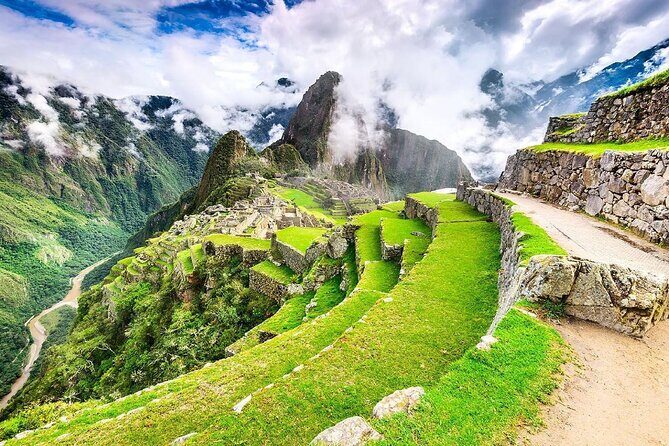
Staying overnight in Aguas Calientes is the move that makes a smooth Machu Picchu day possible. The train arrives around 5:00 p.m., so you’re not trying to run from the last minutes of daylight straight into the next morning’s citadel experience.
The tour includes breakfast, so your Machu Picchu morning starts with fuel. And because the Machu Picchu portion is organized (bus up, guided tour, then time to roam), your overnight helps you avoid the usual stress of trying to line up schedules at the last minute.
In real terms: you can sleep, eat, and be ready instead of chaining together half a dozen transport steps with uncertain timing.
Day 2 Machu Picchu: bus up, guided highlights, then your own route
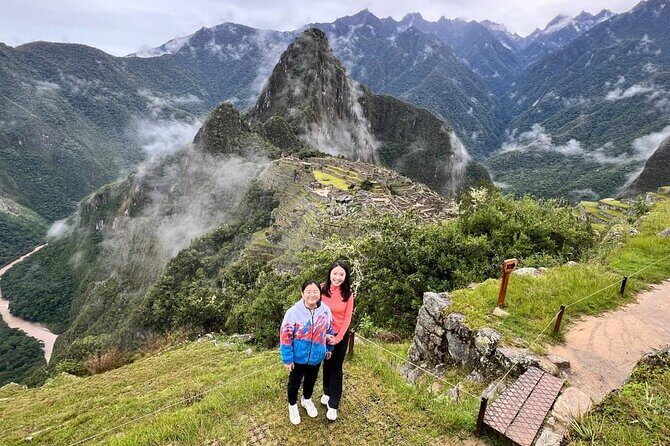
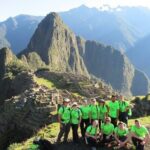
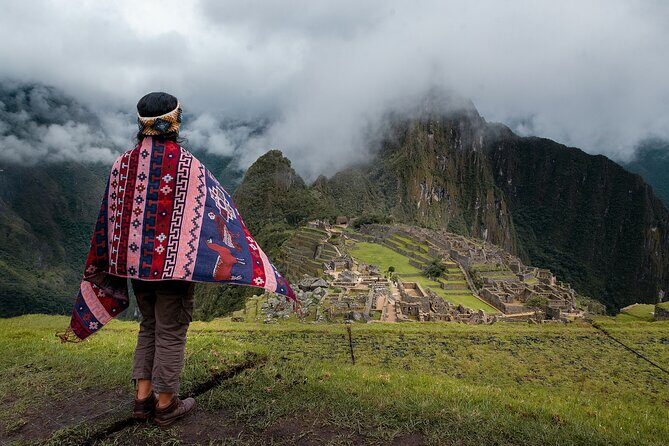
Day 2 starts early. After breakfast, you board the bus for about 30 minutes to reach Machu Picchu, then you get a guided tour for 2 hours focused on the most important places.
The guided piece is the heart of the value. A good guide doesn’t just point things out; they help you connect structures to the logic of the site, so when you get free time, you’re not looking at random stones—you’re looking with direction.
After the guided section, you receive free time to visit on your own. That’s a smart balance. You get the organized overview first, then you can slow down for the views, the photos, or the parts of the site that call you back.
The return flow is also clear and scheduled. You take the bus down to Aguas Calientes, then the train back to Ollantaytambo, then car service to Cusco arriving around 6:30 p.m. That keeps your last day from turning into a transport puzzle.
Guides and group size: what the best days usually feel like
This tour runs with a professional English-speaking guide, and the group size is capped at 12 people. A smaller group helps because Machu Picchu and Sacred Valley driving days have enough moving parts already. Less crowd means fewer bottlenecks and a smoother pace at stops.
You’ll also benefit from guides who can explain what you’re seeing. In past tour experiences associated with this route, people have highlighted guides like Humberto in the Sacred Valley and Roy at Machu Picchu as knowledgeable and engaging. Another person also mentioned Ulises as a guide and Rony as a key point of contact for check-ins and keeping things on track.
That kind of human support matters most on days like this, where the schedule is packed and you want to feel calm rather than confused.
Meals, pacing, and the small choices that change your comfort
Your included meal is breakfast. Lunch on day 1 is not included, and you can add it as an optional stop for $20 USD per person.
That’s not a deal breaker. It just means you should plan for it as part of the overall cost and energy level. Since you’re moving all day, skipping lunch could mean you’ll pay later in fatigue—or you’ll end up paying more for whatever you grab on the fly.
Pacing-wise, expect a long day on day 1 and an early day on day 2. The upside is that you’re trading flexibility for structure. If you like clear schedules and want the logistics handled, this format fits.
If you prefer total freedom and slower travel, you might find the rhythm a bit tight. In that case, consider whether you want one or more days to explore Cusco or the valley at your own pace.
Price and value: is $590 reasonable for this kind of trip?
At $590 per person, you’re paying for a full package: breakfast, Sacred Valley transportation and guidance, admission tickets for the Sacred Valley and Machu Picchu park, plus the train round trip from Ollantaytambo and bus round trip up and down from Aguas Calientes.
This is where value comes from. If you try to assemble train tickets, Machu Picchu access, transport timing, and guide interpretation separately, the cost often creeps up—and the hassle can erase the savings.
You also get a capped group experience and an English-speaking guide through the main parts of the trip. For many people, that’s the difference between seeing Machu Picchu and really understanding what you’re looking at.
So yes, it’s not cheap. But it’s priced like a true guided circuit that handles the big moving parts for you.
Who this Sacred Valley and Machu Picchu tour suits best
This works especially well if you want:
- A guided, efficient way to cover major Sacred Valley sites in one day
- A Machu Picchu visit that includes both guided structure and free time
- Built-in transport connections that reduce guesswork
It’s also a good pick if you like meeting a small group and getting help with timing. With a max of 12 people, you’re not stuck in a sea of strangers.
If your dream is maximum independence—choosing your own sequence of stops, your own pace, and your own transport—this kind of structured tour may feel limiting.
Should you book this 2-day Cusco-to-Machu Picchu experience?
If you want a straightforward, high-impact route with tickets and transport handled, I’d say this is a strong option. You get the main Inca context in the Sacred Valley—Chinchero, Moray, Maras, and Ollantaytambo—then you transfer into Machu Picchu with a guided core and time to wander.
Book it if you value clarity. You’ll know what you’re doing each day, and you won’t be stuck figuring out train timing or how to fit Machu Picchu into a busy Cusco stay.
Skip it only if you’re chasing total flexibility or you dislike early starts. Otherwise, this is a very practical way to do Machu Picchu without turning your trip into a logistics project.
FAQ
How long is the tour?
The tour is listed as 2 days (approx.).
Where does the tour start in Cusco?
Day 1 begins at 7:30 a.m. with transfer from your hotel in Cusco.
What does the itinerary include on Day 1?
Day 1 includes Sacred Valley stops such as Chinchero (market and colonial temple), Moray, the salt mines of Maras, lunch in Urubamba, and Ollantaytambo (fortress), followed by the train to Aguas Calientes.
What happens on Day 2 at Machu Picchu?
You take the bus up to Machu Picchu, have a guided tour of about 2 hours, then you get free time to visit Machu Picchu on your own.
Are train and bus tickets included?
Yes. Train tickets are included for Ollantaytambo–Machupicchu–Ollantaytambo, and bus tickets from Aguas Calientes to Machu Picchu round trip are also included.
Is lunch included?
Lunch is not included. It’s optional and costs $20 USD per person.
Are admission tickets included?
Yes. Admission tickets to the Sacred Valley and Machu Picchu archaeological park are included.
How many people are in the group?
The maximum group size is 12 people.
What is the cancellation policy?
Free cancellation is available. You can cancel up to 24 hours in advance of the experience start time for a full refund.