REVIEW · CUSCO
2-Day Sacred Valley of the Incas and Machu Picchu Tour
Book on Viator →Operated by Conde Travel · Bookable on Viator
Two days. One sacred morning. This small-group Sacred Valley + Machu Picchu route is built around the big payoff: a guided sunrise entry at the citadel. I like that you’re not stuck with a huge crowd, and you get real context for sites like Moray and Ollantaytambo. The only catch is the clock: you’re up very early, with plenty of walking and climbing.
In practice, this itinerary strings together the major Inca and colonial-era highlights, then gets you onto the train to Aguas Calientes with time to breathe before the next morning. It also includes key costs you’d otherwise juggle—train round-trip, entrances, and the bus up and down to Machu Picchu—so the $500 price is easier to evaluate.
In This Review
- Key Things I’d Pay Attention To
- Cusco Pickup at 6:30 am: Ready for a Full Two Days
- Chinchero Stop: Church and Plaza in a Working Town
- Moray and Maras: Terraces and Salt Mines You Can Understand
- Urubamba Valley Lunch: The Break Between Ruins
- Ollantaytambo Fortress and the Train to Aguas Calientes
- Machu Picchu Sunrise Entry: Bus at 05:30, Guide at the Gate
- Huayna Picchu Choice and Your Own Time on the Citadel
- Aguas Calientes Free Time: Village Moments and Thermal Water Time
- Price and Inclusions: What $500 Really Covers
- Guide Quality and the Small-Group Advantage
- Who This Tour Fits Best (and Who Should Look Elsewhere)
- Should You Book This Tour?
- FAQ
- What time does pickup happen in Cusco?
- Is the Machu Picchu entrance included?
- Do I need to pay extra for Huayna Picchu or the Old Mountain?
- How long is the Machu Picchu guided tour?
- What’s included for meals?
- Is train transportation included?
- When is the bus to Machu Picchu?
- Where does the tour end in Cusco?
Key Things I’d Pay Attention To
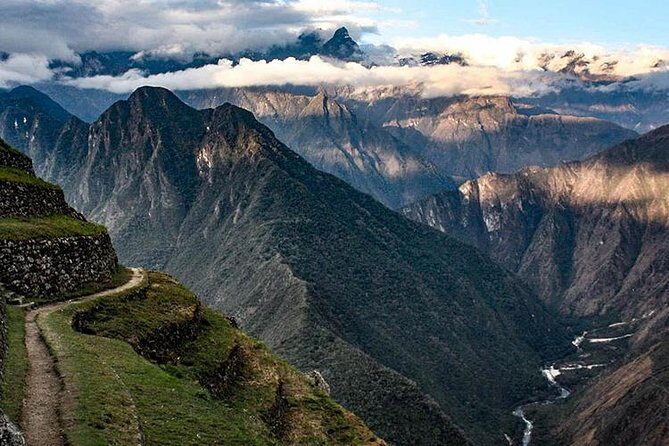
- Small group size (15 or less) helps you move at a human pace and ask questions.
- Sunrise timing means you’re inside the citadel early, not just arriving late and rushing.
- Moray + Maras give you two signature “Inca brain” stops: the terraced “mystery” and the salt-mining system.
- Train + Aguas Calientes setup reduces stress the night before Machu Picchu.
- Huayna Picchu isn’t included, so factor in extra reservations if you want that climb.
- Lunch service can be more limited than a free-for-all buffet, so eat earlier when you can.
Cusco Pickup at 6:30 am: Ready for a Full Two Days
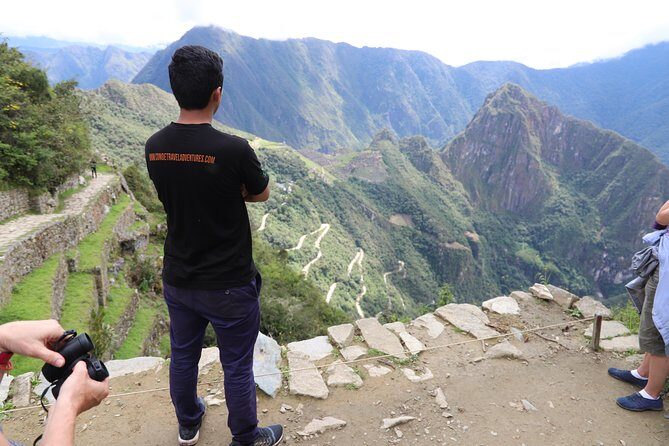
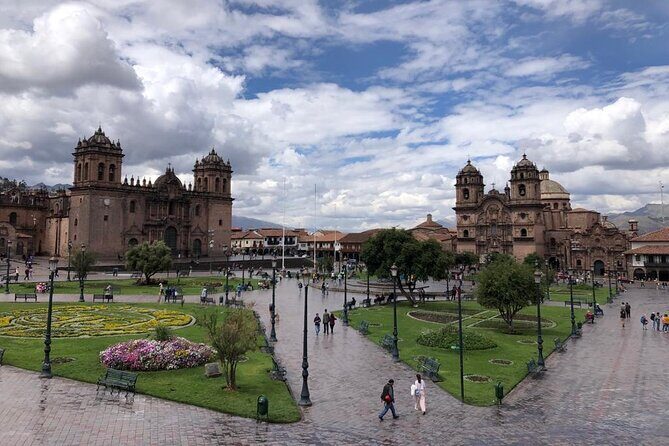
The tour is timed like a pro: you start early in Cusco, with pickup happening around 6:30 am. The meeting point listed is Portal de Comercio 145, and pickup is said to be near the main square area. If you’re arriving from another city, this is one of those days where you’ll want sleep tonight, not just good intentions.
Once you’re in the group, the day is all about momentum. You’re transferred to the Sacred Valley area for multiple stops, then you finish Day 1 by heading back toward the Machu Picchu circuit via train. It’s not a slow scenic drive with stops whenever you feel like it; it’s a structured route designed to fit a lot into two days.
A small practical note: the tour provides a first aid kit, and it’s described as run by an English/Spanish-speaking guide. That matters here because the early mornings and dense schedule leave less room for confusion if you need clarification on timing.
You can also read our reviews of more tours and experiences in Cusco
Chinchero Stop: Church and Plaza in a Working Town
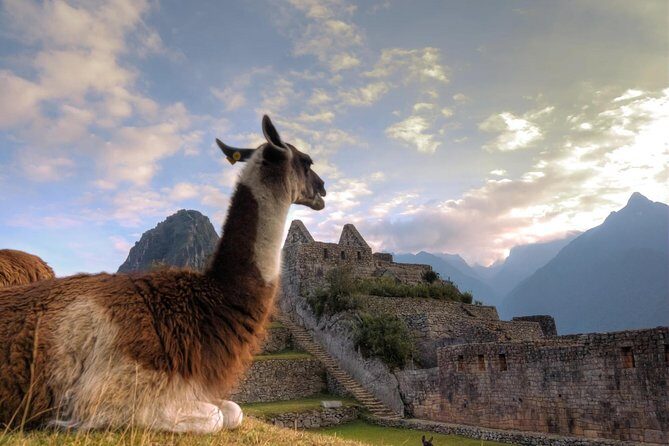
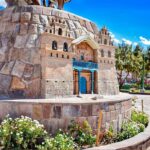
Day 1 starts with a Sacred Valley “taste” stop: Chinchero, described as a tourist center and a colonial city area. The plan includes time at the church and plaza—about 20 minutes. That short window is typical for multi-stop days, but it’s long enough to see the town rhythm and orient yourself before you jump into the bigger Inca sites.
Why this stop is worth it: Chinchero isn’t just ruins on a hill. It’s a place where you can connect the archaeology to local life. Even with limited time, a quick walk through the plaza area helps you understand what you’re looking at later in the day when you see Inca engineering and agricultural patterns.
If you like photography, aim to use your quick window well: head out with your exact photo goals before you arrive, because you won’t have an hour to wander.
Moray and Maras: Terraces and Salt Mines You Can Understand
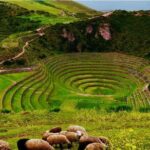
Then you get to the heart of the Sacred Valley’s “wow, wait—how did they do that?” sites: Moray and Maras (salineras). You’ll spend about 1 hour in this zone, including time at Moray’s terraced depressions and then the salt mines at Maras.
Moray is framed as a set of huge natural holes shaped into terraces. The result is an instantly memorable site: you can literally see the engineering shape of the place, which makes it easier to understand the logic behind Inca experimentation and agriculture. If you enjoy sites where you can read the structure with your eyes (not just your imagination), Moray is a strong match.
Maras adds a different kind of energy. The salt mines are described as being used by the Incas for commerce and prosperity. Again, you’re not just passively looking—you’re connecting the landscape to how a society traded, fed people, and built wealth.
One practical consideration: this is a stop that can involve uneven ground and some steps. Wear shoes that handle walking well, because you’re stacking this onto other movement across the two days.
Urubamba Valley Lunch: The Break Between Ruins
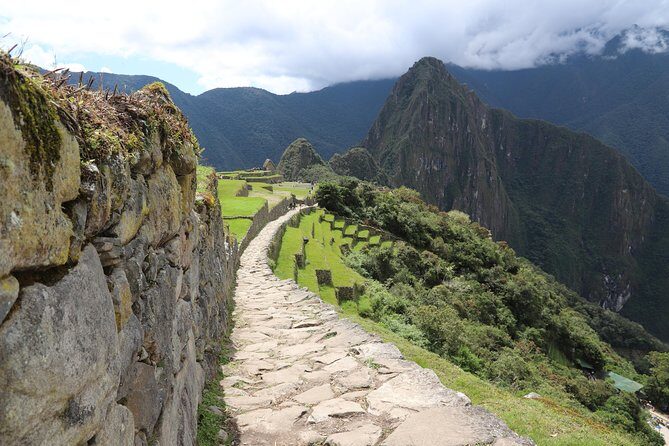
After Maras and Moray, the tour heads to the Urubamba Valley for lunch, described as an exquisite lunch buffet. Lunch time matters a lot on this route because it’s the main “recovery buffer” before the train-side logistics tomorrow.
Here’s the detail I think you should plan for: lunch is described as a buffet, but one account from a past passenger notes the service may be portioned rather than a full self-serve spread. So don’t assume you’ll sample everything like a big restaurant buffet back home. Eat what you can, and if you have dietary needs, flag them at booking since vegetarian option is available.
If you’re the type who likes to pace yourself, Urubamba lunch is your cue to do it. You’ll still have energy for Ollantaytambo and the transition to Aguas Calientes—but you don’t want to arrive there hungry and tired.
Ollantaytambo Fortress and the Train to Aguas Calientes
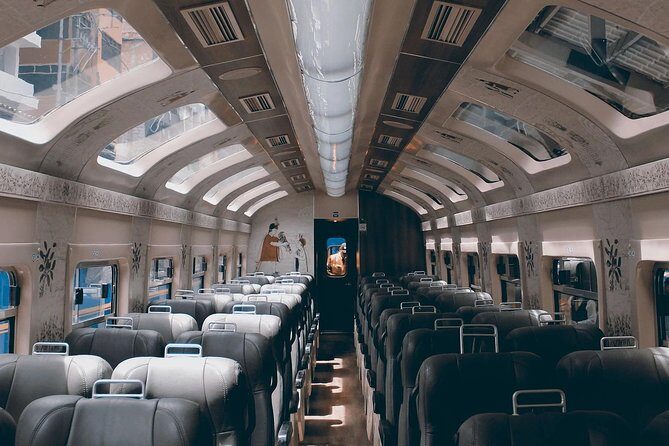
Next up is Ollantaytambo Fortress, including the Temple of the Sun. The itinerary gives you around 40 minutes here. The temple and fortress are framed through defense history, including use during the Inca civil war, and you’ll see a structure measuring about 12 feet (3.5 meters).
This is where the tour starts shifting from archaeology explanations to “Machu Picchu logistics.” Ollantaytambo is the jump-off point for the train, and the way the day is timed helps: you tour the fortress, then you’re on rails soon after.
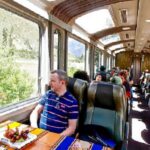
From Ollantaytambo, you take the train to Aguas Calientes. Once you arrive, your assistant is waiting for the group to direct you to accommodation. You also get a briefing for your Machu Picchu visit.
Two helpful bits for sanity:
- There’s free time in the afternoon in Aguas Calientes (Machu Picchu Village).
- You’re encouraged to rest early because the next morning starts with a very early climb.
If you want thermal waters, this is the window to fit it in. Just remember: “fun” here still has to work with sleep timing, or sunrise will feel like punishment.

Machu Picchu Sunrise Entry: Bus at 05:30, Guide at the Gate
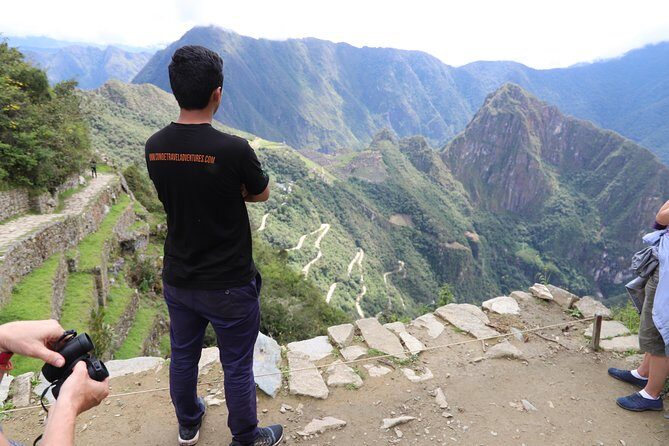
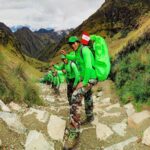
Day 2 is a classic: you get ready around 4:30 am, take the bus at 5:30 am, and aim to be there about 30 minutes early. The bus takes you up to the citadel so you can enter around 6:00 am after control access.
Why this timing is the big deal: it puts you inside while the citadel is still in its morning rhythm. You’re not doing Machu Picchu as a late-day sprint. You’re there early enough to get the first glow views and to settle into the guided flow.
Once inside, your group gets a private guided tour for 2 hours. This is where you’ll understand the layout beyond what your eyes can guess. Machu Picchu can look like a postcard until someone connects it to how the Inca built space into the mountain’s geometry and routes.
The guide is waiting at the entrance just in time for sunrise. If your English guide happens to be Samuel (one past tour account mentions a guide named Samuel in Cusco), you’ll likely get the kind of explanation that makes stones feel logical instead of random.
Huayna Picchu Choice and Your Own Time on the Citadel
After the main guided portion, you can choose to climb Huayna Picchu or the Machu Picchu Mountain option, depending on your reservation. The key detail: those mountain tickets are not listed as included. So you either need to add them through your booking process or make sure your reservation is already in place.
Then you get time to enjoy Machu Picchu on your own. The itinerary frames it as roaming time that matches your train schedule later that day. That freedom is important: not everyone wants the same pace at the same viewpoint. With a guide for the structure, your personal time can be for photos, slow walking, or just staring for a few minutes.
Here’s a practical truth: if you’re climbing Huayna Picchu, don’t underestimate how much that impacts your energy and timing. Your plan has to connect smoothly to the rest of the day, especially because you’ll descend and return toward Aguas Calientes by train.
Aguas Calientes Free Time: Village Moments and Thermal Water Time
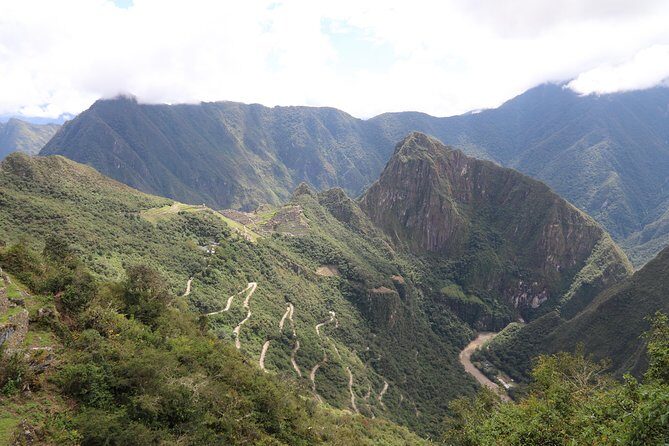
After your Machu Picchu day, the tour describes descending to Aguas Calientes to take the train back to Ollantaytambo. Before you travel, there’s a strong reminder: you must be at the Aguas Calientes train station at least 30 minutes before departure.
That requirement is worth taking seriously, because train timing is unforgiving. In a place like this, small delays can ripple into missed connections. If you’re the type who likes to wander, set a meeting point in your head and stick to it.
In the afternoon of Day 1, you also get free time in Aguas Calientes, often used to explore the village and its vibe. It’s also where thermal waters are suggested. If you’re tired from the day’s driving and walking, this is your moment to trade “tour energy” for “recovery energy.”
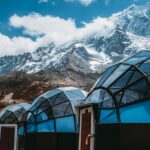
One day in a hostel can be great or rough, depending on expectations. The tour includes 1 night in a hostel, so plan for shared spaces and keep your expectations matched to that reality.
Price and Inclusions: What $500 Really Covers
At $500 per person, the value here is mostly about what’s already included. The tour lists coverage for:
- Hotel pickup in Cusco
- 1 night in a hostel
- Breakfast and lunch
- Professional English/Spanish guide
- Ground transportation Cusco to Ollantaytambo round trip
- Train round trip Ollantaytambo to Aguas Calientes
- Machu Picchu entrance
- Sacred Valley site entrances
- Bus up and down between Aguas Calientes and Machu Picchu
- Mobile ticket and first aid kit
That’s a lot of line items, and that’s why the price can make sense: you’re not trying to build the trip from scratch while also dealing with Machu Picchu entry timing.
Where you should expect extra costs:
- Huayna Picchu or the Old Mountain are not included
- Mineral water/snacks aren’t included
- Dinner isn’t included (available for purchase)
- Any upgrades are not included
Also, a scheduling reality: the trip is non-refundable and can’t be changed. If your dates are flexible, you’ll want to be extra sure before you lock it in. The upside is that one prior passenger described how the company worked with them when a flight was canceled, reorganizing the next day for a small extra fee. Still, don’t count on flexibility; treat that as a best-case scenario.
Guide Quality and the Small-Group Advantage
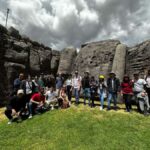
This tour is designed around the “small group” idea: 15 or less guests. In a place with major timing constraints, that’s not just a comfort upgrade. It affects how fast you move, how easy questions are to ask, and how smoothly your group can regroup after photos.
The tour credits professional guides speaking English/Spanish. Past accounts also name specific guides, including Samuel for an excursion in Cusco and Stiff and Stive for different parts of the experience. When guides are strong with language, Machu Picchu becomes way more than a view.
One more detail that matters: the operator is described as staying in contact during the trip to make sure you aren’t missing anything. On a schedule this early, that kind of coordination reduces the chance of “oops, we left” stress.
Who This Tour Fits Best (and Who Should Look Elsewhere)
This is a great fit if you want:
- A tightly organized two-day plan that hits Sacred Valley highlights and Machu Picchu
- A sunrise entry with guided structure
- A smaller group feel rather than a mass tour
- Pickup and transport so you’re not stitching together multiple vendors on your own
It may feel like too much if you:
- Hate early mornings. Day 2 starts preparing around 4:30 am.
- Prefer long unstructured days with slow meals and lazy wandering.
- Plan to spend lots of time on optional climbs without caring about timing.
If you’re traveling solo and want a managed plan, the small-group model is especially helpful. If you’re traveling as a couple or friends, it can still feel personal, even with a hostel night and lots of shared movement.
Should You Book This Tour?
I’d book it if you value convenience and timing. The price only feels fair because it bundles the big costs: entrances, train, and the Machu Picchu bus. The sunrise schedule plus guided time is also a strong reason to choose a packaged plan instead of trying to DIY every step.
I would think twice if you’re not comfortable with very early starts or if you want Huayna Picchu but haven’t planned reservations. In this itinerary, optional mountain access is a separate decision, and you’ll want everything lined up before you arrive.
If you’re ready to work with the clock and you want a smooth, organized route through the Sacred Valley and Machu Picchu, this is a practical way to do it without turning your trip into logistics homework.
FAQ
What time does pickup happen in Cusco?
Pickup is described as happening close to the main square area, with the tour beginning around 6:30 am for travel to the Sacred Valley.
Is the Machu Picchu entrance included?
Yes. Entrance to Machu Picchu is listed as included.
Do I need to pay extra for Huayna Picchu or the Old Mountain?
Yes. Huayna Picchu or the Old Mountain are listed as not included.
How long is the Machu Picchu guided tour?
After you enter around 6:00 am, you get a private guided tour for 2 hours.
What’s included for meals?
Breakfast and lunch are included. Dinner is not included and can be purchased.
Is train transportation included?
Yes. Round-trip train transportation from Ollantaytambo to Aguas Calientes is included.
When is the bus to Machu Picchu?
The bus is scheduled for 05:30 am, and you should be there about 30 minutes before.
Where does the tour end in Cusco?
The activity ends back at the meeting point in Cusco (Portal de Comercio area), with the itinerary also noting return to San Francisco Plaza.