REVIEW · CUSCO
Wonders of the Sacred Valley VIP! Tour Full day with Food
Book on Viator →Operated by ParaViajantes Tours · Bookable on Viator
One day, and you get the Sacred Valley’s main highlights with a tight plan. I love the VIP add-ons that take you to Moray and the working salineras at Maras, and I also love that lunch is built into the day so you’re not hunting for food between sites. It’s an easy choice if you want big history and real local rhythm without the chaos of DIY.
The one possible drawback is cost creep: Moray’s entrance isn’t included (listed at 70 soles for the VIP stop), and you should still budget for a separate tourist ticket of about $25 USD. Add in a 7:00am start and a 10–11 hour day, and plan to wear shoes you trust on rocky paths. For guide quality, this tour has an English and Spanish crew; in past days I’ve seen guides like Gregory and Javier praised for clear explanations.
In This Review
- Key things to know before you go
- VIP vs Classic: what your $90 buys in real life
- Starting in Cusco at 7:00am: why the morning matters
- Chinchero’s Church of 1607 and the rainbow textile market
- Moray’s circular terraces in the VIP route (and the fee you must plan for)
- Maras salineras: watching working salt mines instead of a museum
- Urubamba buffet lunch: your fuel for the afternoon ruins
- Ollantaytambo: big stone blocks, terraces, and strategic thinking
- Pisac market and ruins: where views meet crafts
- What to pack so the day feels easy (not sweaty and frantic)
- Who this Sacred Valley VIP tour is best for
- Should you book the Wonders of the Sacred Valley VIP Tour?
- FAQ
- What time does the Sacred Valley VIP tour start?
- How long is the tour?
- How much does it cost?
- Is lunch included?
- What is included in the tour price?
- What is not included?
- What does VIP include compared to Classic?
- How big is the group?
- What should I bring for the day?
- Does the tour depend on weather?
Key things to know before you go
- VIP route includes Moray + Maras salineras for a more complete Sacred Valley day
- Small-group size (max 15) means you’ll actually hear your guide and move at a human pace
- A real buffet lunch in Urubamba keeps energy steady for the afternoon sites
- Some entrances aren’t included (Moray in particular), so bring a mix of cash
- Early start with hotel pickup is the difference between smooth mornings and crowded later visits
- Good walking shoes matter because the ruins and terraces are not flat pavement
VIP vs Classic: what your $90 buys in real life
This tour is priced at $90 per person, and that sounds simple until you translate it into what you’re really getting: a full-day, round-trip ride, a guide working in English and Spanish, and lunch. For many people, that’s the value—someone handles the timing and routing across Cusco and the Sacred Valley so you can focus on the sites and the views.
The VIP version is worth paying attention to because it includes the two stops that many Sacred Valley itineraries skip or swap. In VIP, you visit Moray (those circular agricultural terraces) and the salt mines at Maras, where local workers still do the day’s work. If you choose the Classic option, you’re looking at the core ruins and markets like Chinchero, Ollantaytambo, and Pisac.
So the decision is really about your priorities. If you want a Sacred Valley day that includes both a science-of-agriculture site and a living salt industry, VIP is the clean fit.
You can also read our reviews of more food & drink experiences in Cusco



Starting in Cusco at 7:00am: why the morning matters
You’ll start at 7:00am with pick-up from your Cusco hotel. Then you head out into the Andes scenery toward the Sacred Valley. This early timing matters because most of the day’s best moments are tied to the rhythm of travel and site entry windows. When you leave early, you reduce stress—and you’re more likely to get a calmer experience before the day stacks up.
The tour duration runs about 10 to 11 hours. That’s long enough that you should treat this like a full hike-day in terms of prep: water, layers (mornings can feel cooler), and a snack mindset even with lunch included. The plus: a guided day keeps you from wasting time guessing which route is quickest or what’s actually worth your camera time.
Also, the group size is kept small—up to 15 travelers—so it’s not a bus-and-pray situation. You’ll still get the cultural stops, but you’re less likely to spend your day blocked in a crowd.
Chinchero’s Church of 1607 and the rainbow textile market
Chinchero is where the day adds color in more ways than one. You visit the village often called the city of the rainbow, and you’ll see the Church of Our Lady of Monserrat, built in 1607 on the earlier palace grounds associated with Tupac Yupanqui. It’s a quick stop, but the point is clear: sacred sites here layer time—Inca rule, then Spanish-era construction, all within one village setting.
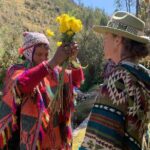
After the church, you’ll browse an artisan market and see Andean weaving and textile craft traditions in action. This is one of the stops where you can slow down without feeling like you’re “missing” something. If you’re shopping, look closely at textile patterns and ask about what you’re seeing. Small details are the whole game with Andean crafts, and the best purchases usually come after you’ve watched and asked a couple of questions.
One practical drawback: this market stop can be very tempting. If you’re prone to impulse buying on vacations, set a budget before you get there—then enjoy the browsing instead of rushing decisions.
Moray’s circular terraces in the VIP route (and the fee you must plan for)
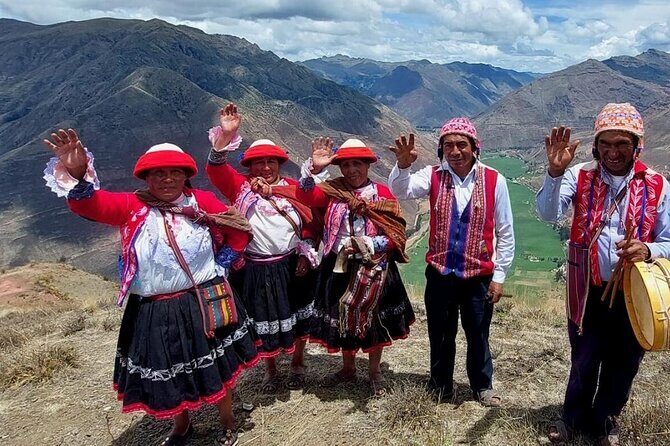
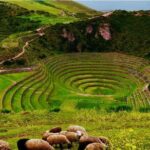
Moray is the Sacred Valley stop that feels different from the usual stone ruins. It’s made of circular terraces of different sizes, and the whole idea is agricultural experimentation—terraces shaped to test conditions. The tour also frames Moray as a power spot tied to feminine energy and Pachamama. You don’t need to buy into the spiritual story to enjoy the site; the terraces themselves are such a visual concept that they stick in your memory.
Important: Moray’s entrance is listed as not included, at 70 soles for the VIP stop. That’s the clearest “extra cost” on the day besides your general tourist ticket budget. If you show up without cash, you’ll hate your day. Bring small bills and coins in soles or dollars, and try not to rely on last-minute money changing.
Time-wise, expect about an hour at Moray. The place is more about observing and imagining than sprinting for photos. Wear shoes with grip and take your time on the terrace edges.
Maras salineras: watching working salt mines instead of a museum
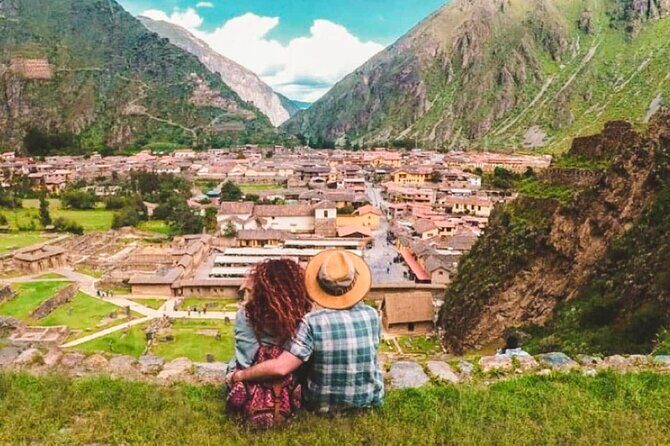
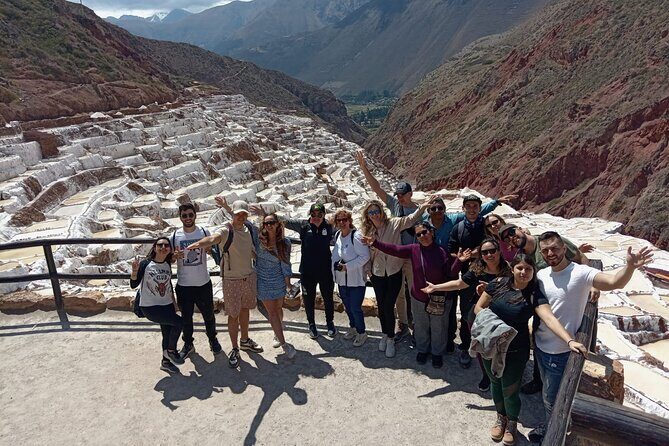
After Moray, you continue on to Maras, where you’ll get the other VIP signature stop: the salineras, the salt mines located just below the town. These mines are still operating, and the peasants work in them during the day. That matters. You’re not just looking at a replica or a staged interpretation—you’re seeing a production system that’s been adapted and continued over time.
The micro-climate idea is part of the explanation. The area is believed to have been used to adapt plants and products across different parts of the Inca empire. Then the salt mines bring the day down to an everyday product: simple, necessary, and still in use.
From a logistics standpoint, Maras is listed as included for the VIP tour. So while Moray can add that 70-soles entrance cost, this stop is one less thing to worry about.
If you love “in the moment” travel—seeing how locals actually live—this is where the tour turns from sightseeing into something more grounded.
You can also read our reviews of more tours and experiences in Cusco




Urubamba buffet lunch: your fuel for the afternoon ruins
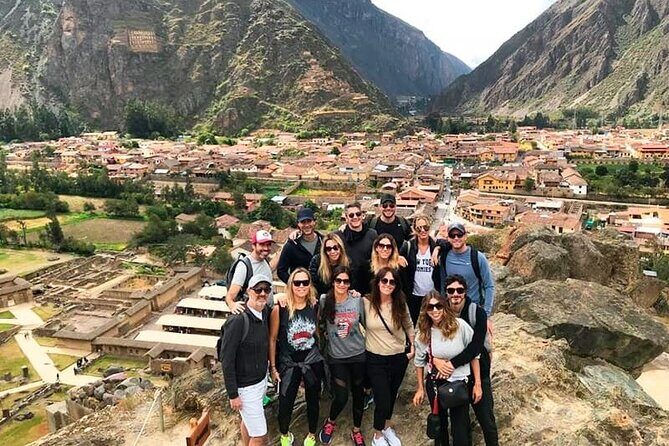
Urubamba is where you refill your energy with a buffet lunch. This stop is described as a great area for Inca productions, especially corn, and it’s also framed as a countryside with fruit trees and local agriculture. Even if you don’t care about the theory, you’ll care about the meal timing: it’s what keeps the afternoon sites enjoyable instead of exhausting.
The lunch is included. That’s a meaningful value point because the Sacred Valley day has multiple movement-heavy segments. A buffet also makes it easy to eat what you can tolerate at altitude—something light for some people, more filling for others.
One tip: pace yourself. If you eat like it’s your last meal for the week, you’ll regret it on uneven stone paths later. Choose a couple of items, drink water, and save room for a snack if you feel hungry after the ruins.
Ollantaytambo: big stone blocks, terraces, and strategic thinking
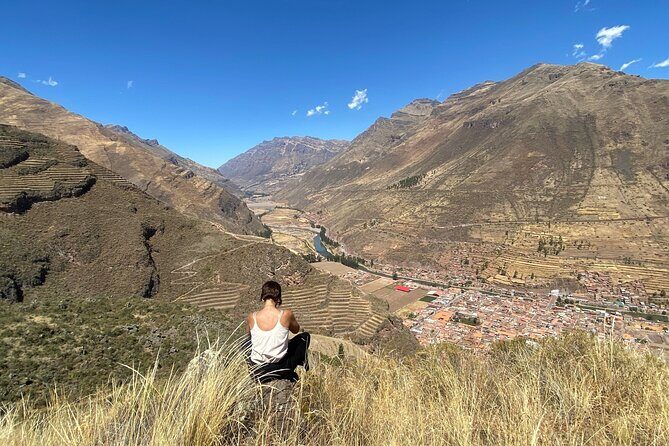
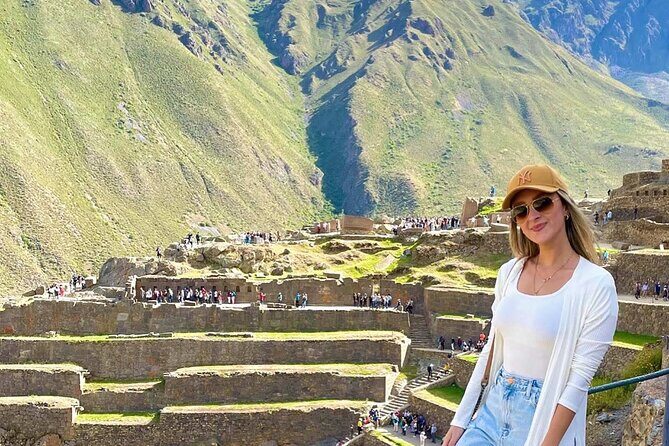
Ollantaytambo is the afternoon anchor. You’ll visit the Fortress of Ollantaytambo, described as a strategic military, agricultural, and religious center. The explanation focuses on how the constructions likely served multiple purposes—walls and watchtowers for defense, plus deposits and terrace systems for farming needs, possibly tied to protecting the region from jungle groups.
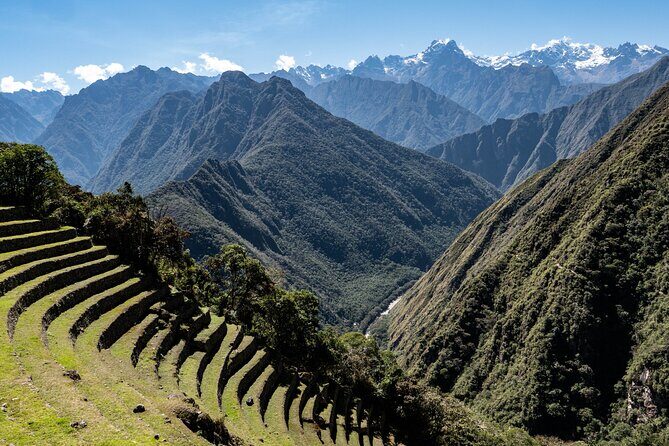
What makes Ollantaytambo worth the time is the combination of scale and texture. The site includes superimposed terraces and impressive large blocks of finely carved stone. It’s one of those places where you can see craftsmanship and planning at the same time.
Expect about an hour here. You’ll get the key overview from your guide, but don’t feel pressured to keep moving nonstop. Stand, look, and imagine the flow of daily life in a place built for practical survival as much as symbolism.
Pisac market and ruins: where views meet crafts
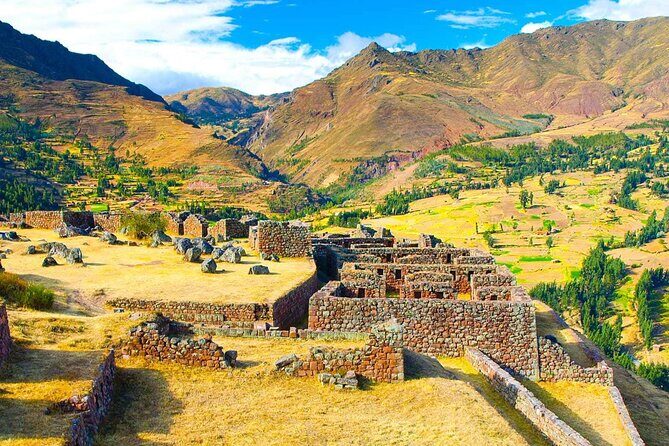
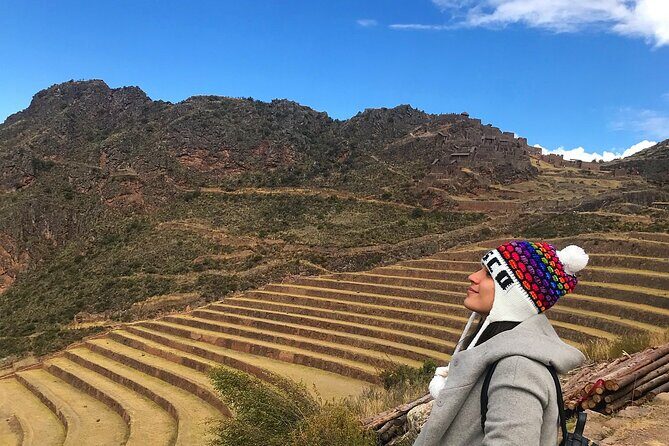
Pisac comes next. It’s known for its handicraft market and its impressive archaeological site. You’ll have time to stroll through the market area—one more chance to pick up textiles, small crafts, and gifts—but this stop also includes ruins with agricultural terraces and panoramic valley views.
Pisac is about 33 km from Cusco by paved road, which helps explain why it slots neatly into the day after Ollantaytambo. Time-wise, it’s about an hour, so it’s not a deep museum visit. Instead, it’s a good mix: a market where you can actually browse, plus ruins where you can see the valley’s shape and how agriculture was built into the terrain.
Practical advice: if you plan to buy textiles, compare prices and materials here and at Chinchero before committing. And bring your best bargaining voice after you’ve watched sellers for a few minutes.
What to pack so the day feels easy (not sweaty and frantic)
This tour is doable for most people, but the prep list is smart. Here’s what you’ll want on hand:
- Sneakers or light shoes with good grip
- Sunscreen and a wide-brimmed hat
- A water canteen (you’ll be out most of the day)
- Small denominations of soles or dollars for purchases
- Your original passport with an expiration date not less than 7 months
Also, good weather is required. If poor weather disrupts the day, you’ll be offered another date or a full refund. That’s the kind of detail you can’t ignore because clouds and rain can affect both visibility and walking conditions.
And if you’re traveling with a payment method that involves foreign currency conversions, keep extra costs in mind when paying online. The tour notes that some payments in pesos can trigger extra charges due to taxes when processed through foreign booking platforms.
Who this Sacred Valley VIP tour is best for
This is a strong match for you if:
- You want a one-day, high-value overview of the Sacred Valley
- You care about agriculture and “how it worked” sites like Moray
- You like cultural stops that include actual craft markets, not only ruins
- You prefer a guided day with small-group control over DIY confusion
It may be less perfect if you hate long days. Starting at 7:00am and returning in the afternoon means you’ll be in motion for most of the day. And if you’re budgeting tightly, remember that Moray has an extra entrance fee listed at 70 soles, plus a general tourist ticket of about $25 USD.
Should you book the Wonders of the Sacred Valley VIP Tour?
I’d book it if you want a smooth, well-paced day that includes the two VIP highlights—Moray and the working Maras salineras—and you value having lunch handled for you. The small group size also helps a lot. You’re not just ticking boxes; you’re hearing explanations, seeing crafts, and watching a real production site.
Skip or reconsider VIP if Moray doesn’t interest you and you’d rather focus only on the most famous ruins. In that case, the Classic route may match your style better.
If you do book VIP, plan for extra cash for Moray, wear reliable shoes, and bring sun protection. Do that, and this $90 day becomes one of the simplest ways to understand why the Sacred Valley still feels so technical, spiritual, and practical all at once.
FAQ
What time does the Sacred Valley VIP tour start?
The tour starts at 7:00am with pick-up from your hotel in Cusco.
How long is the tour?
It lasts about 10 to 11 hours.
How much does it cost?
The price is $90.00 per person.
Is lunch included?
Yes. Lunch is included (a buffet lunch in Urubamba).
What is included in the tour price?
You get round trip transportation, a professional guide service in English and Spanish, and lunch.
What is not included?
You’ll need to budget for a tourist ticket of approximately $25 USD. Also, Moray entrance is not included for the VIP stop (listed at 70 soles).
What does VIP include compared to Classic?
VIP includes Moray and the Salineras (salt mines at Maras). Classic includes Chinchero, Ollantaytambo, and Pisac.
How big is the group?
The tour has a maximum of 15 travelers.
What should I bring for the day?
Wear sneakers/light shoes and bring sunscreen, a wide-brimmed hat, a water canteen, and small cash/coins in soles or dollars. You’ll also need your original passport with at least 7 months before expiration.
Does the tour depend on weather?
Yes, it requires good weather. If it’s canceled due to poor weather, you’ll be offered a different date or a full refund.