REVIEW · CUSCO
From Cusco: Lake Titicaca – Full-Day Tour
Book on GetYourGuide →Operated by TRIP TOUR · Bookable on GetYourGuide
The lake makes time feel different. One night bus later, you’re gliding across Lake Titicaca on a speedboat and meeting the people who live on it. I like this tour because it packs real cultural time into a single run—Uros island life in the morning, Taquile in the afternoon, plus an easy return to Cusco.
Two things I really like: first, the Uros stop isn’t just a photo op. You’re greeted by a local Uros family and you hear about traditions and daily life tied to the totora reed islands. Second, Taquile feels hands-on: you get time at a traditional market for colorful produce and artisanal souvenirs, then you share lunch with a local family and taste regional flavors.
One drawback to think about: the schedule is long and logistically strict, with hotel pickup in Cusco at night, early-morning timing in Puno, and an overnight ride back. If your pickup doesn’t go smoothly, it can turn stressful fast—so I strongly recommend you confirm details before you leave and keep your phone/WhatsApp ready.
In This Review
- Key Things That Make This Tour Worth It
- Cusco at 9:00 p.m.: Why This Starts Late (and That’s the Point)
- The Sleeper Bus Ride: Comfort, Expectations, and How to Prepare
- Uros Islands: Totora Reeds, Artificial Islands, and a Living Interview
- Speedboat Views You Actually Remember
- Taquile Island: Terraced Hills, Markets, and Lunch That Isn’t a Setup Meal
- Puno’s Historic Center: Your Afternoon to Reset
- Price and Value: Is $150 a Fair Deal for 36 Hours?
- Logistics Reality Check: Pickup, Timing, and Communication
- Who This Tour Suits Best (and Who Should Skip)
- Should You Book This Lake Titicaca Tour?
- FAQ
- How long is the Cusco to Lake Titicaca tour?
- What time is pickup in Cusco?
- Do I get to shower in Puno?
- What meals are included?
- Is the tour guided, and what languages are offered?
- Do I need cash?
- What do I need to bring for identification?
- Is there free cancellation?
Key Things That Make This Tour Worth It
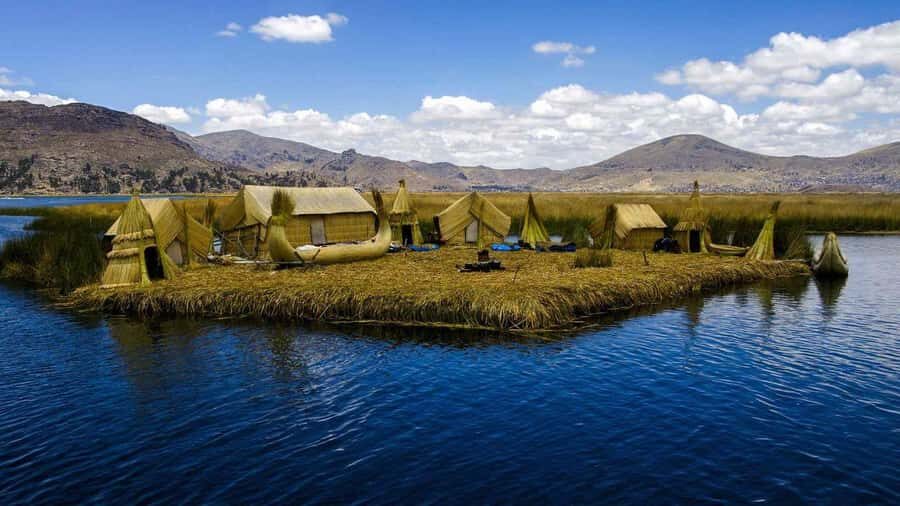
- Uros totora island greeting with real explanations of customs and way of life
- Speedboat crossings with big views of the lake and surrounding high plateaus
- Taquile market time to photograph produce and shop for handmade souvenirs
- Lunch with a local family featuring regional flavors (not just a generic meal)
- Overnight sleeper bus with 160-degree reclining seats for the long transfer
- An afternoon in Puno’s historic center when you’re done with island stops
Cusco at 9:00 p.m.: Why This Starts Late (and That’s the Point)

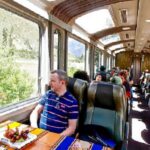
This tour begins with pickup from your accommodation in Cusco’s historic center at 9:00 p.m. You then ride a tourist sleeper bus to Puno overnight. The seats recline up to 160 degrees, which matters because you’re spending a lot of time sitting—so better recline means better sleep (or at least a better attempt at it).
You arrive in Puno early the next morning. Breakfast is included (continental breakfast), and you also get a chance to shower before heading to the port. That shower window is a small detail, but it changes the whole day. Without it, you’d be starting the lake portion feeling noticeably rough.
The return part is similar: you board the sleeper bus back to Cusco at 9:00 p.m., then arrive early in the morning and transfer from the terminal to your hotel. So yes, it’s 36 hours—but it’s structured so you’re not wasting daylight on long road time.
What to watch for: with tours that run on tight pickup times, communication is everything. Make sure your contact number is correct with your country code and that you have WhatsApp working. One missed pickup is enough to ruin the vibe.
You can also read our reviews of more tours and experiences in Cusco


The Sleeper Bus Ride: Comfort, Expectations, and How to Prepare
The bus is one of the main “value” pieces here because it does two long transfers (Cusco → Puno and Puno → Cusco) and includes the port/terminal connection pieces. For many people, that’s the tradeoff: you’re paying not just for the islands, but for a full travel package.
Still, it’s smart to calibrate expectations. Reclining seats help, but they can’t replace real sleep. Bring what you need to make the ride easier—things like layers (Puno nights and mornings can feel chilly), and a way to block out light. Also, keep your passport or ID and some cash where you can reach it without unpacking your whole bag.
A practical note: in one of the reported experiences, the traveler had pickup trouble and later struggled to find the correct bus station meeting point. That’s not how the tour is supposed to work, but it’s a good reminder that you should arrive with your phone ready and double-check your exact meeting location the day of pickup.
Uros Islands: Totora Reeds, Artificial Islands, and a Living Interview
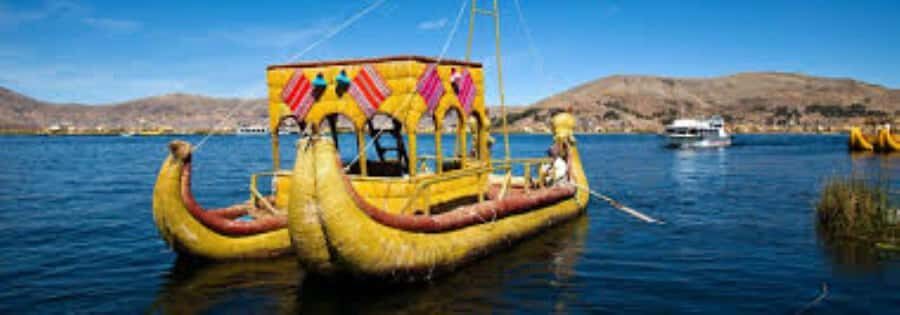
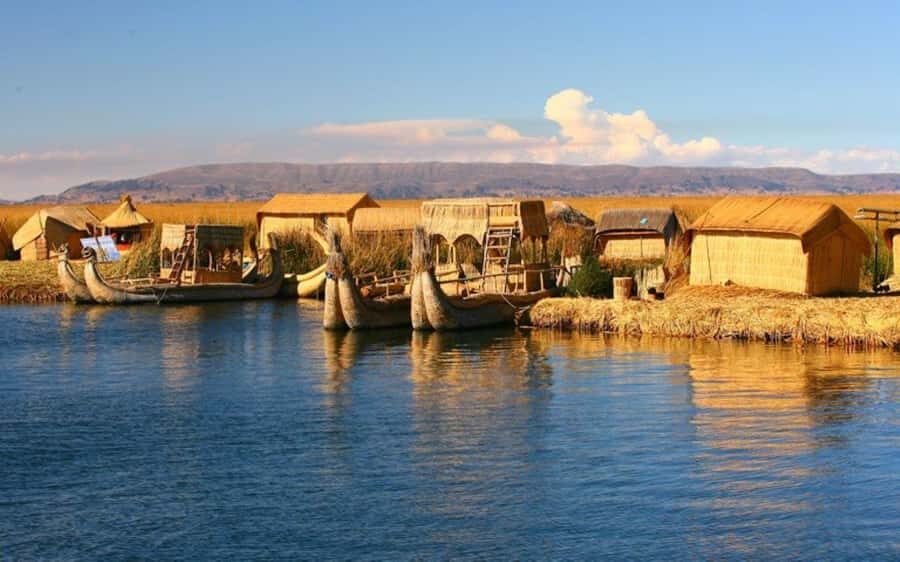
After the morning breakfast and the port transfer, the tour moves by speedboat to the Uros area. The crossing is short, but it’s also the moment where the day starts to feel like a true Lake Titicaca experience—rugged mountain ranges and high plateaus frame the lake, and the water reflects that wide, high-altitude sky.
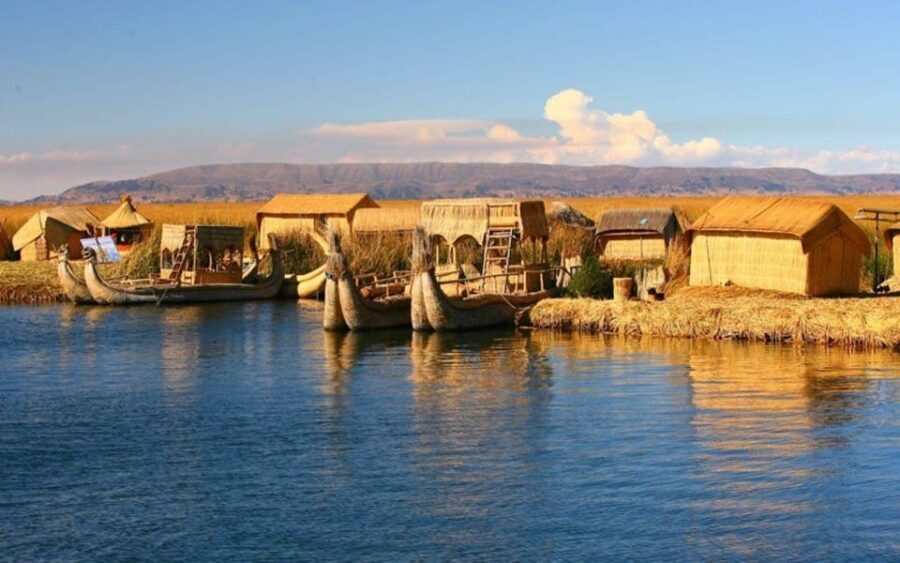
On the islands, you’ll be greeted by a local Uros family. This is one of the tour’s strongest points because you’re not only walking around; you’re hearing about traditions, customs, and how their way of life works on an artificial island made with totora reeds.
Why this matters: Uros life is often reduced to “floating islands” in travel marketing. Here, the format is closer to a conversation. You get a chance to ask questions and learn how the reed materials relate to survival and community life. Even if you’ve seen pictures before, being there in person changes how you understand the scale and the effort behind maintaining these structures.
Small caution: island visits typically involve walking on uneven surfaces. If you’re sensitive to altitude, start slow and take breaks. And if you’re hoping for long free time, keep expectations realistic—this portion is educational and guided, not a DIY wandering day.
Speedboat Views You Actually Remember
The speedboat rides are short, but they’re not filler. You get those quick “wow” moments when the lake opens up and the surrounding terrain looks dramatic—like the mountains and plateaus are built into the horizon.
I like speedboat travel on Lake Titicaca because it gives you movement and perspective. You’re not just standing on a dock. You feel like you’re part of the geography. Even when the schedule is tight, those few minutes of crossing help you reset your eyes from land-station pacing to open-water reality.
One more practical thought: the included transfer pieces matter here. You’re not juggling the timing between port, boat, and island groups. That’s especially helpful if you’re traveling solo or you’re short on time in Puno.
Taquile Island: Terraced Hills, Markets, and Lunch That Isn’t a Setup Meal
Then comes Taquile Island. The tour gives you time to appreciate the island’s rolling hills, terraced fields, and sheer cliffs dropping toward the lake. It’s a big shift from the Uros reed world—more agriculture, more stone-and-slope views, and a different kind of community rhythm.
You’ll stop at traditional markets, and this is a highlight if you like souvenirs that don’t feel mass-produced. You can photograph colorful produce and purchase artisanal items. The market time is one of the reasons this tour feels more authentic than a “check the box” schedule.
After the market, lunch is included with a local family on Taquile. The meal comes with regional flavors, and this is another key quality point: it’s not a restaurant meal where everyone orders the same set dish and moves on. You’re hosted, and the food ties directly to place.
What to watch for: since drinks aren’t included, plan to budget for water or other beverages once you’re on the islands. Also bring cash—this tour explicitly asks you to have cash, and markets are exactly where that matters.





Puno’s Historic Center: Your Afternoon to Reset
Once the Taquile portion wraps, you get the afternoon free to explore Puno’s historic center. This is valuable because it gives you breathing space after a long day by boat and on uneven ground.
I like this setup because it prevents the day from feeling like one long sprint. You can choose a slower pace: wander, snack, or just take time to regroup before your 9:00 p.m. bus back to Cusco.
Just remember: you’re at high altitude and you’ve already been on a full day of travel. Your afternoon is the time to slow down and hydrate. If you’re tempted to cram in too much, you’ll feel it later on the bus ride.
Price and Value: Is $150 a Fair Deal for 36 Hours?
At $150 per person, this tour sits in the “not cheap, but not outrageous” category for a Cusco-to-lake package. Here’s why the math can work in your favor:
You’re getting:
- hotel pickup in Cusco and terminal-to-hotel transfer on the Cusco side
- an overnight sleeper bus both directions
- port connections in Puno
- speedboat transfers for the lake legs
- a guide who speaks English and Spanish
- entry/visits to Uros and Taquile
- continental breakfast and lunch with a local family
The big “not included” items are drinks and dinner. If you’re the kind of traveler who buys sodas and snacks all day, that adds up. But if you’re happy to treat drinks and dinner as separate line items, you’ll likely feel the $150 is fair for everything bundled in.
The real question isn’t only what’s included. It’s whether the schedule fits your tolerance for overnight travel. If you don’t handle late pickups and long bus time well, the value won’t feel as good—even if the islands are great.
Logistics Reality Check: Pickup, Timing, and Communication
This is the part I take seriously, because it affects your enjoyment more than people expect.
The tour relies on precise timing: a Cusco pickup at 9:00 p.m., an overnight bus, then early morning timing in Puno. One reported experience described a missed pickup, unclear station drop-off, and no one waiting to help. Another described confusion after a time change (pickup shifted to 9:20 p.m. expectations) and a driver who didn’t speak English, leaving the traveler to figure out where to go next.
That doesn’t mean your trip will go wrong. But it does mean you should set yourself up to avoid problems:
- Put your contact number correctly with your country code and make sure WhatsApp works.
- Have the pickup details saved on your phone (and not only in email).
- Arrive at the pickup area a little early, not right on time.
- Keep cash accessible for markets and any extras.
If you hate last-minute uncertainty, consider doing an extra confirmation message the day of pickup.
Who This Tour Suits Best (and Who Should Skip)
This one fits travelers who want a strong “Lake Titicaca hits” package with guided explanation and built-in transport. I’d put it in the sweet spot for:
- you want both Uros and Taquile in one go
- you like guided cultural context instead of wandering alone
- you don’t mind an overnight bus to save time
- you prefer a structured schedule when time is short
It’s not ideal if:
- you need lots of flexibility on timing
- you’re very sensitive to late pickups and long night travel
- you want fully independent planning for every leg
Also, if your main goal is a long, slow stay on the water with minimal movement, you might find the 36-hour format intense.
Should You Book This Lake Titicaca Tour?
I’d book it if you want an efficient, guided intro to Lake Titicaca that includes real cultural time—Uros totora island greetings, Taquile market browsing for artisanal finds, and lunch with a local family. The speedboat crossings and the mix of morning and afternoon island experiences make the trip feel like more than a checkbox.
I wouldn’t book it blindly if you’re the type who gets stressed by pickup uncertainty. The itinerary depends on meeting points working exactly as planned. If you’re comfortable handling communication (WhatsApp, correct phone number, keeping details handy), you’ll likely enjoy it a lot.
If you’d like, tell me your travel dates and whether you’re starting from Cusco alone or with friends. I can help you think through timing, what to pack for the bus and altitude, and how to plan your Puno afternoon so it feels like a treat, not a rush.
FAQ
How long is the Cusco to Lake Titicaca tour?
The total duration is 36 hours.
What time is pickup in Cusco?
Pickup from your accommodation in Cusco’s historic center is at 9:00 p.m.
Do I get to shower in Puno?
Yes. After arriving in Puno early in the morning, you have the chance to shower before heading to the port.
What meals are included?
The tour includes a continental breakfast and lunch with a local family in Taquile. Drinks and dinner are not included.
Is the tour guided, and what languages are offered?
Yes. The guide speaks English and Spanish.
Do I need cash?
Yes. You should bring cash.
What do I need to bring for identification?
Bring a passport or an ID card.
Is there free cancellation?
You can cancel up to 24 hours in advance for a full refund.