REVIEW · CUSCO
Cusco 7 days Tour in Machu Picchu, Humantay Lake and Vinicunca
Book on Viator →Operated by Magic Experiences Perú · Bookable on Viator
Machu Picchu hits hard. This 7-day Cusco package strings together Inca sites, a private Machu Picchu guide, and two high-altitude day trips—Humantay Lake and Vinicunca—so you get more than just one big wow moment. I also like how it’s built around real transport links: train to Aguas Calientes and the CONSETUR bus up to Machu Picchu.
What I like most is the way the logistics are handled with a small group (up to 15). You’re met, picked up, and reconnected at each step, and the included guide support—names like Kilma for coordination and Andy or Flor for on-the-ground help show up often in their service reputation—makes the whole thing feel organized rather than chaotic.
The one consideration is the altitude and early wake-ups. You’ll be at 4200 meters for Humantay and up to about 5020 meters for Vinicunca, with long days starting at 4:30 or 5:00 a.m., so plan for a moderate fitness level and consider altitude precautions if you have health risks.
In This Review
- Key takeaways before you go
- Cusco orientation: Qorikancha, Sacsayhuamán, Q’enqo, and water worship
- Sacred Valley day: Pisac markets, Ollantaytambo streets, and the rail to Aguas Calientes
- Machu Picchu day: CONSETUR bus, private sectors tour, then train back with timing buffers
- Humantay Lake at 4200m: early departure, low-moderate hike, and a horse option
- Moray and Maras: Inca agriculture lab meets salt flats in one half-day
- Vinicunca (Rainbow Mountain): 4000m start, climb to 5020m photos, and a buffet lunch
- Value and included tickets: what the $945 actually buys you
- Comfort, timing, and who this itinerary fits best
- Should you book this Cusco 7-day Machu Picchu, Humantay, Vinicunca tour?
- FAQ
- How long is the Cusco 7-day tour?
- What is the price per person?
- Where does the tour start and what time?
- Is Machu Picchu included, and is there a guide?
- What train service is included for the trip to Aguas Calientes?
- Are Humantay Lake and Vinicunca hikes difficult?
- Can I avoid hiking at Humantay Lake?
- What’s included for meals?
- Does the price include hotel and airport transfers?
- Are tips included?
Key takeaways before you go
- Private guided Machu Picchu time (about 2 hours) so you’re not wandering with a head full of questions.
- Small group size (max 15) which usually means easier pacing and fewer waiting games.
- Early starts built in: Humantay and Vinicunca start in the dark for maximum daylight on the trail.
- Train + CONSETUR bus tickets included so you’re not piecing together major transport on your own.
- Switchable effort at Humantay Lake (hike or horse option) if your legs need a different plan.
- Moray + Maras pair together perfectly: Inca agricultural science plus salt-flat industry in one half-day.
Cusco orientation: Qorikancha, Sacsayhuamán, Q’enqo, and water worship
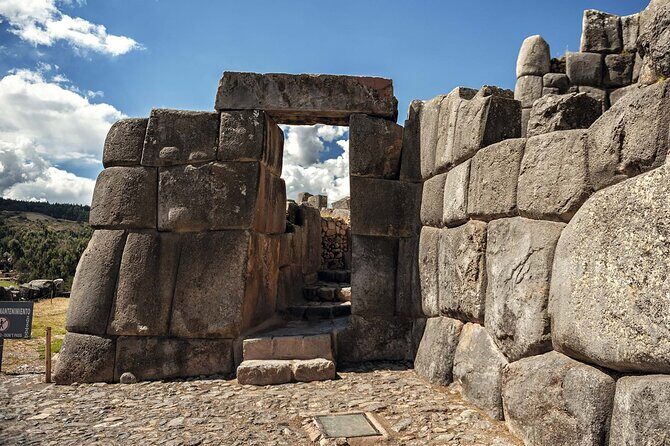
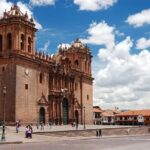
Your trip starts in Cusco after an arrival transfer that’s timed to get you to your hotel with minimal hassle. Then the city tour kicks off around 2 p.m., which is a smart way to let your body get used to altitude before you start climbing ancient steps.
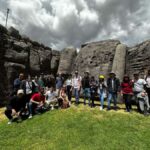
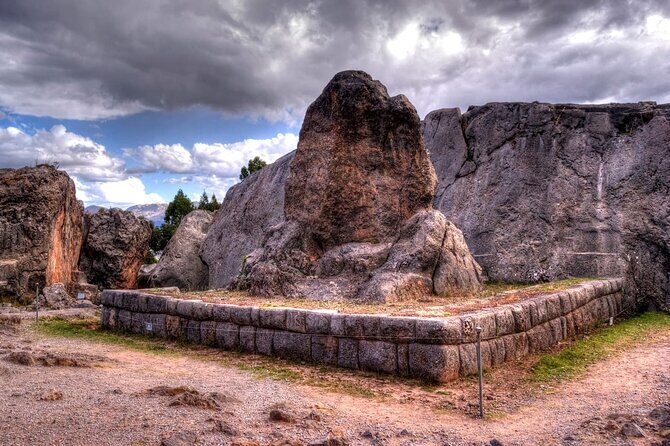
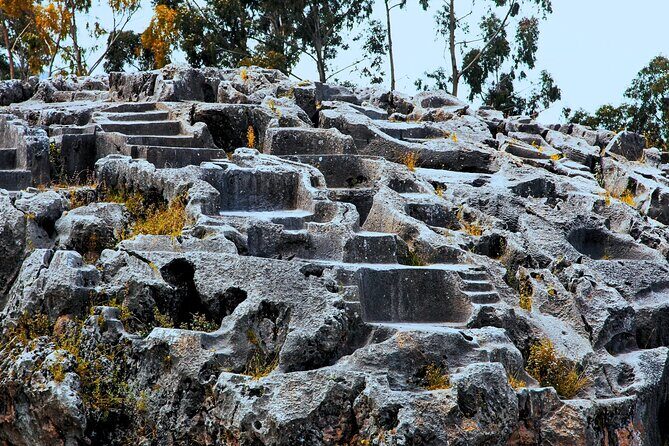
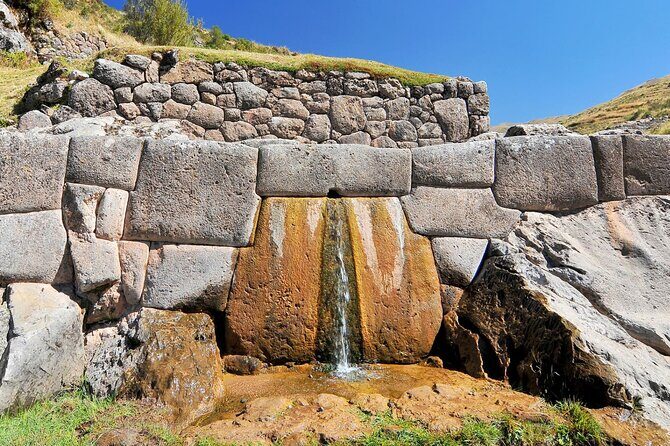
I like the focus on Inca Cusco beyond the postcard spots. You’ll visit Qorikancha (Temple of the Sun), then move to Sacsayhuamán, which is described as an impressive complex that may have served ceremonial roles as research evolves. After that, Q’enqo brings you to a ritual center with underground passages, followed by PukaPukara and Tambomachay—where water worship was part of the story.
For practical planning: this is not a “museum-only” day. It’s ruins and ritual spaces, which means good walking shoes matter, and you should expect some uneven ground.
You can also read our reviews of more tours and experiences in Cusco
Sacred Valley day: Pisac markets, Ollantaytambo streets, and the rail to Aguas Calientes
Day 2 begins with an early pickup (about 7:50 a.m.) and a trip through the Sacred Valley of the Incas. Pisac is your first stop: you’ll hit the handicraft market and the Inca cemetery, with about two hours scheduled here. Even if you’re not shopping, it’s a solid immersion into how today’s local economy lives alongside Inca remains.
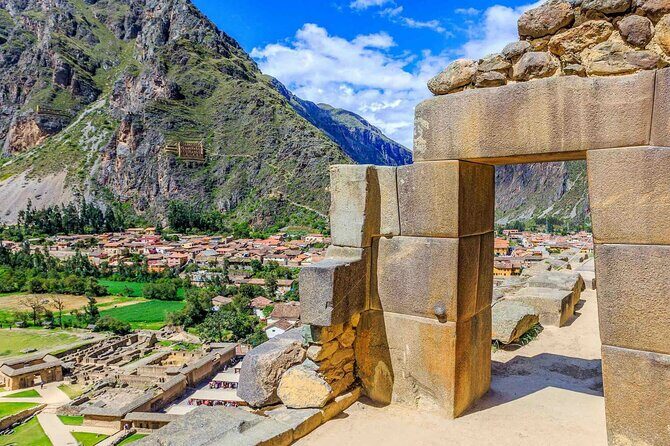
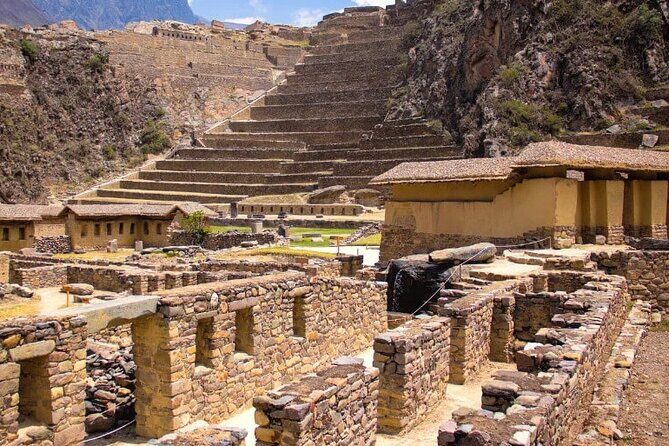
Then it’s lunch in Urubamba (buffet), and the afternoon shifts to Ollantaytambo. You’ll see the fortress/town complex in about three hours, and the big value here is that Ollantaytambo still preserves parts of its ancient layout—Inca streets plus people living their daily lives. That blend helps Machu Picchu feel less like a standalone “thing” and more like part of a bigger Inca system.
The evening plan is key: around 4 p.m., you separate from the group and head to the train station for the ride to Aguas Calientes. You get staff assistance to reach your hotel and your guide checks in later with instructions for the next day. This handoff matters because Machu Picchu timing is unforgiving, and the tour clearly accounts for that.
Machu Picchu day: CONSETUR bus, private sectors tour, then train back with timing buffers
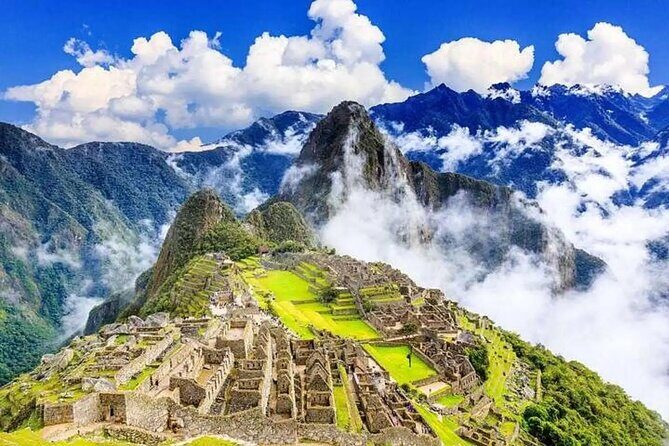
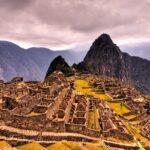
Machu Picchu is where this whole itinerary earns its keep. The tour includes CONSETUR bus transport to the site (about 30 minutes up), a private guided tour for roughly 2 hours covering the main sectors and temples, and then the return back to Aguas Calientes.
This is a good setup because you’re not spending your precious morning hunting down viewpoints and trying to interpret the layout alone. A private guide also helps you understand why people built and moved through these spaces the way they did—without turning the day into a lecture marathon.
Lunch in Aguas Calientes is mentioned as not included, which is actually useful. It gives you flexibility to choose something that fits your appetite and altitude energy needs.
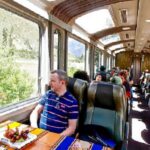
Then comes the part that can make or break the day: the train back to Cusco. The tour advises arriving at the train station at least 30 minutes before departure. That buffer is not optional if you want a calm experience.
You’ll land at Ollantaytambo Train Station and then get a private transfer to Cusco (about 1 hour 30 minutes by car). If you’re the type who hates rushing at the end of a big day, this sequence feels smoother than “train, then figure it out.”
Humantay Lake at 4200m: early departure, low-moderate hike, and a horse option
Day 4 is a long one, and it starts early: a 5:00 a.m. start. You’ll take transport about 2 hours 40 minutes to Mollepata, where breakfast comes first. Then it’s another hour to Soraypampa at about 3850 meters.
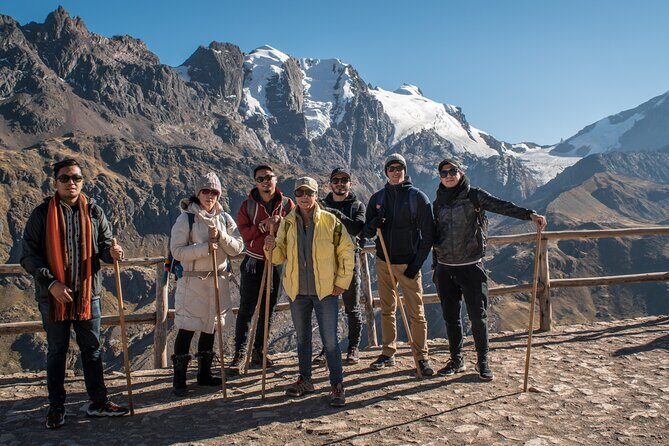
From Soraypampa, the hike to Humantay Lake takes about 1.5 hours and is described as low to moderate difficulty. You’ll gain elevation as you go and walk in a higher-altitude setting around 4200 meters, with views of the Salkantay and Humantay mountains (called Apus). You also get time at the lake for photos, which is important because it often takes a few minutes just to breathe, stabilize your legs, and appreciate the view.
One practical plus: instead of hiking the whole way, you can rent a horse. That doesn’t change the altitude reality, but it can make the exertion more manageable if your fitness is fine but your knees are not.
Then you descend back to Soraypampa (about 1.5 hours, easier than going up), return to Mollepata for lunch and rest, and finally head back to Cusco around 6 p.m. Expect 12 hours total and a day that asks for patience.
Altitude note you should take seriously: one of the most practical pieces of advice that shows up in the service feedback is to talk to your doctor if you have hypertension or cardiovascular conditions, and consider portable oxygen tubes. Even if you feel okay in Cusco, Humantay is a different level of effort.
Moray and Maras: Inca agriculture lab meets salt flats in one half-day
This is one of those pairings that feels efficient because it connects two very different Inca ideas in the same morning. Day 5 starts around 8:00 a.m. with pickup from your hotel and comfortable tourist transport.
You’ll spend time at Salinas de Maras (the natural salt flats), and you also visit Moray, described as an agricultural laboratory where seeds were acclimatized across different altitudinal climates. The salt production at Maras is presented as a valuable Inca resource for commerce, so the story is not only “cool ruins,” it’s how Inca engineering and economics worked together.
Then Chinchero rounds out the day with an artisanal textile production center. If you want a cultural stop that isn’t just looking, this one tends to land well because weaving and dye traditions are still part of local life.
You’re scheduled to return to Cusco around 2:30 p.m., which gives you time to relax, eat well, and avoid the classic “I booked a tour but then spent the afternoon recovering” problem.






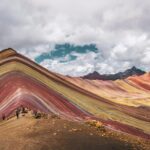
Vinicunca (Rainbow Mountain): 4000m start, climb to 5020m photos, and a buffet lunch
Day 6 begins super early again: pickup around 4:30 a.m. You travel about 2 hours from Cusco to Cusipata, arriving for breakfast. Then there’s another hour by car to a drop-off point at about 4000 meters, where the trek begins.
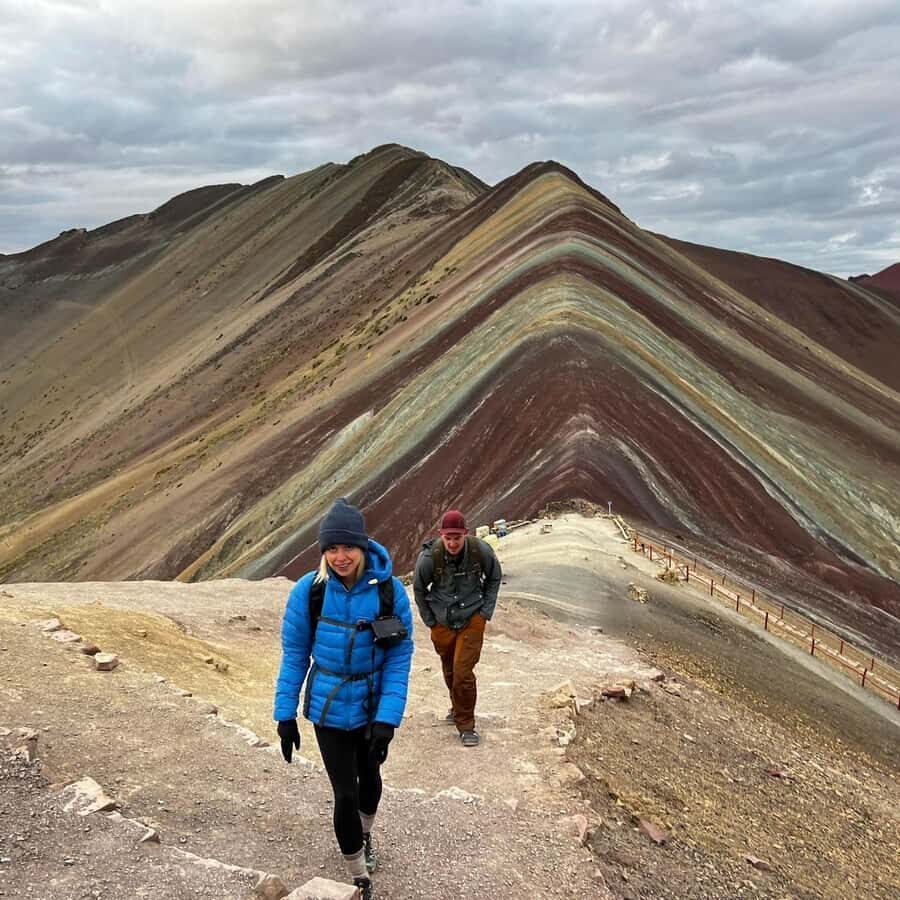
The trek itself is scheduled as about 1 hour 40 minutes, and you’ll be given trekking poles before you start. That matters because at high altitude, balance can be more challenging than raw strength. Along the way you’ll pass streams and see alpacas and llamas, and the views are the whole point of the early start.
To get the classic photo angle, you need to go up to around 5020 meters. After the climb and photo time, the plan shifts to descent, then a buffet lunch at the end, and return to Cusco around 5:00 p.m.
This day is worth doing, but it’s also worth respecting. If you felt fine at Cusco, that doesn’t automatically mean you’ll feel fine at 5000m. Bring water, move slowly, and treat the pace like you’re being filmed by a curious mountain.
Value and included tickets: what the $945 actually buys you
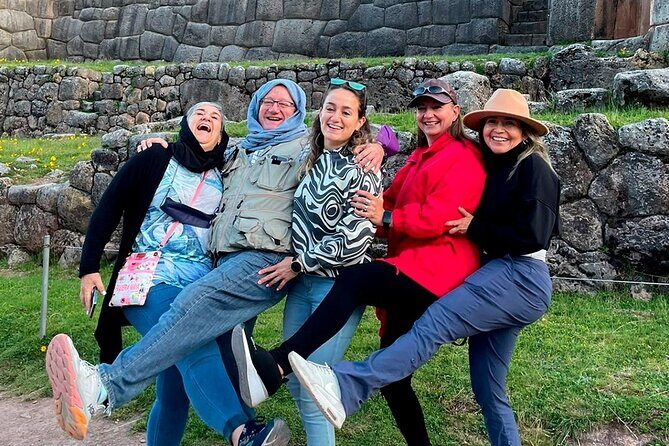
At $945 per person for roughly 7 days, the value is mostly in what’s packaged and prepaid. This tour includes:
- 3-star hotel (plus an overnight in Aguas Calientes)
- Airport pickups and transfers in Cusco
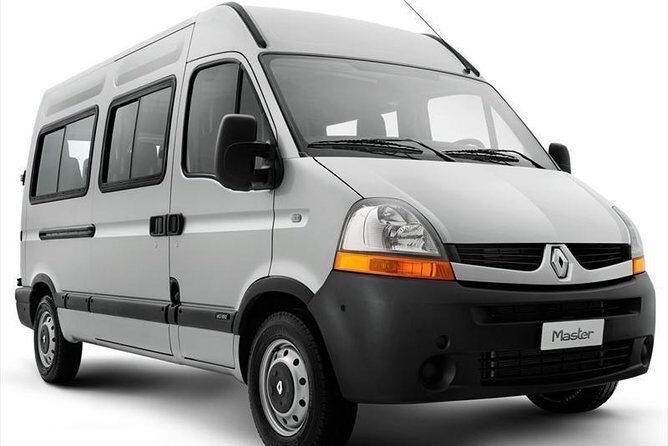
- Tourist transport and a professional guide
- All entrance fees to required sites
- CONSETUR bus round trip for Machu Picchu
- Round-trip train ticket (Expedition or Voyager)
- Machu Picchu ticket
- A private Machu Picchu guide (about 2 hours)
- Private transfer from Ollantaytambo to Cusco
- Breakfasts (6) and lunches (3) where scheduled
That’s a lot of big-ticket logistics. And because Machu Picchu is time-based, having the tickets and transport set helps you avoid the most stressful part of planning.
What’s not included is also clear: meals not mentioned, tips (customary for Machu Picchu excursions), medical insurance, and flight tickets. If you hate surprise add-ons, this tour is upfront about the gaps.
Group size max is 15, which is a meaningful quality-of-life point. Smaller groups usually mean less waiting, and it tends to make the guide’s job easier too.
Comfort, timing, and who this itinerary fits best
This is built for people with moderate physical fitness. The walking isn’t described as extreme all the time, but the altitude is the main boss. Humantay Lake sits around 4200m, and Vinicunca pushes to about 5020m, plus both hiking days start early and run long.
You’ll enjoy this tour most if you want:
- A “best of” Cusco + Sacred Valley + Machu Picchu combo without building it from scratch
- Guided context at the big sites (especially Machu Picchu)
- A balanced mix of ruins, hikes, and hands-on culture (weaving at Chinchero, salt and agriculture at Maras/Moray)
You might reconsider if you know altitude affects you badly, or if you’re sensitive to long days. If that’s your situation, ask your doctor and take altitude precautions seriously. For some people, adding a portable oxygen option is a practical safety move.
Should you book this Cusco 7-day Machu Picchu, Humantay, Vinicunca tour?
I’d say book it if you want a structured itinerary with the highest-stress pieces handled for you: the Machu Picchu bus and tickets, the train schedule, and the private guide time on-site. The mix of Machu Picchu plus two altitude treks is exactly the kind of itinerary that feels complete without turning into a DIY project.
I’d say think twice if early mornings wreck your energy or if 4000–5000m altitude could be risky for your health. This tour asks your body to adapt, and no one should treat that as a minor detail.
If you do book, do one thing that really helps: pack for altitude (water, warm layers, and layers you can adjust while walking). And plan your pace like a pro—slow, steady, and calm wins most days at these elevations.
FAQ
How long is the Cusco 7-day tour?
It runs for about 7 days, with each day’s activities timed by pickups and transport schedules.
What is the price per person?
The price listed is $945.00 per person.
Where does the tour start and what time?
It starts at Plaza de Armas de Cusco, Del Medio 123, Cusco 08000, Peru, with a start time of 8:00 am.
Is Machu Picchu included, and is there a guide?
Yes. Your Machu Picchu ticket is included, and you’ll have a private guided tour for about 2 hours. The CONSETUR bus round trip is also included.
What train service is included for the trip to Aguas Calientes?
The round-trip train ticket included is for Expedition or Voyager.
Are Humantay Lake and Vinicunca hikes difficult?
You should have moderate physical fitness. Humantay Lake includes a low to moderate hike for about 1.5 hours, and Vinicunca includes a trek of about 1 hour 40 minutes.
Can I avoid hiking at Humantay Lake?
Yes. The itinerary notes you can alternatively rent a horse instead of hiking.
What’s included for meals?
Breakfast is included 6 times, and lunch is included 3 times. Lunch in Aguas Calientes during the Machu Picchu day is noted as not included.
Does the price include hotel and airport transfers?
Yes. It includes a 3-star hotel, plus pickups and transfers to and from the Cusco airport, along with transfers within the itinerary.
Are tips included?
No. Tips for staff are not included, and tipping is customary on Machu Picchu excursions.