REVIEW · CUSCO
Choquequirao Trek (4 Days)
Book on Viator →Operated by Machu Picchu Amazon Peru · Bookable on Viator
A four-day trek to Choquequirao is a serious treat. You get small-group attention, camping in the mountains, and guided time in the ruins with the Apurímac canyon views that are hard to beat. I love how the day plan blends steady hiking with real stops for scenery and archaeology, and I also like that the trip includes most meals so you’re not doing logistics math every day. The main drawback is simple: this is physically demanding, and day 2 is mostly uphill, so you’ll want strong fitness and good altitude acclimatization before you go.
The big difference here is what you’re walking toward. Choquequirao is less packed than the usual Peru icon, and the hike itself does a lot of the sightseeing work—canyon views, hamlets, bridges, and changing vegetation. It’s the kind of trip where you’ll feel like you’re earning the arrival, not just getting dropped at a site.
If you’re thinking about booking, you’ll do best if you’re comfortable hiking multiple hours per day on uneven mountain paths and you’re okay with camping nights in a remote setting.
In This Review
- Key things I’d prioritize before you book
- First taste of the Andes: Cusco to Cachora and the start of your descent
- Day 2’s big test: from Marampata views to Choquequirao’s first day of time
- Day 3 sunrise energy: reaching Choquequirao before the crowd feeling
- Day 4 return to Cusco: the Capuliyoc pass and Apurímac valley last looks
- What’s included (and why it affects your real cost)
- The guide makes the difference: bilingual storytelling and small-group flow
- Meals, camp nights, and what camping actually means here
- Gear and fitness: what to prepare before you start walking
- Who this trek is best for (and who should rethink it)
- Price and logistics reality check: is $647 fair for what you get?
- Should you book the Choquequirao Trek (4 Days)?
- FAQ
- What time does the trek start, and is pickup included?
- How many people are in the group?
- What does the price include?
- What kinds of meals are provided?
- Do I need to bring trekking equipment?
- Is this trek physically demanding?
Key things I’d prioritize before you book
- Max group size 10: more personal guiding and less crowd noise.
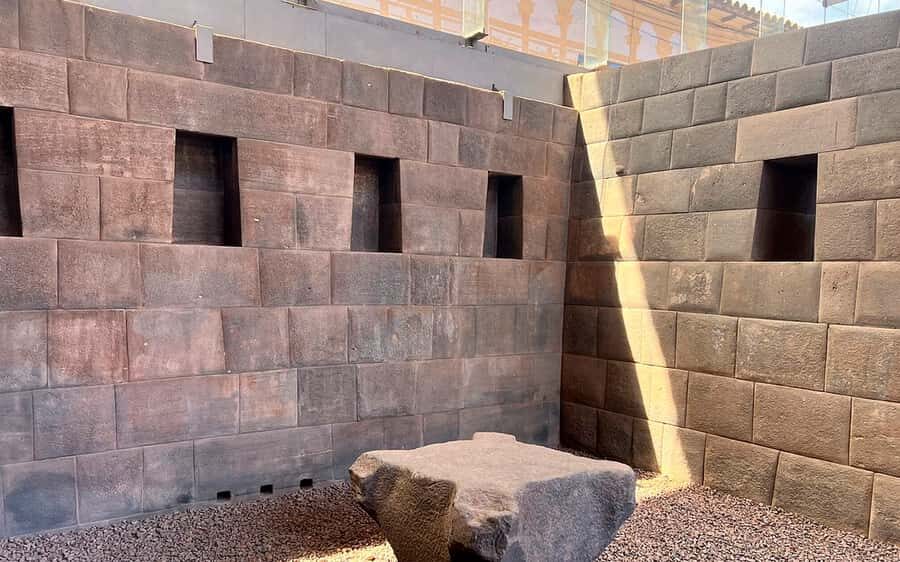
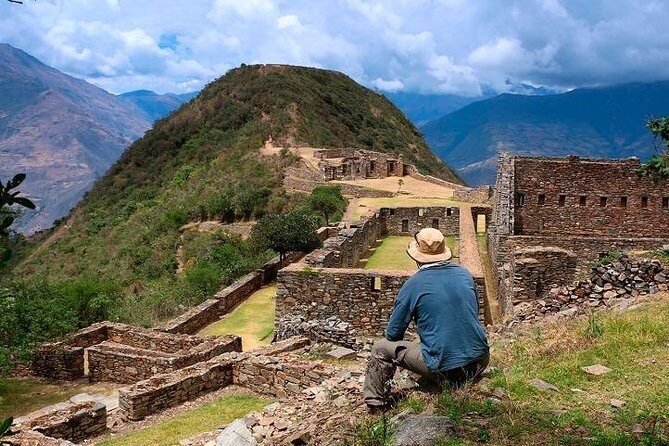
- Guided ruins time with interpretation: the walk to and through Choquequirao is built around understanding what you’re seeing.
- Camping included: you’re not piecing together overnight logistics.
- Apurímac canyon viewpoints: the best scenes come from both hiking days and the timing near sunrise.
- Meals built into the schedule: four lunches, three dinners, and breakfasts reduce daily decision fatigue.
- Audio support mentioned as a standout: if you like hearing every detail without straining, this matters.
First taste of the Andes: Cusco to Cachora and the start of your descent
You start early, with pickup from your Cusco-area lodging and a briefing the day before the trek. The day begins around 5 am for breakfast at the hotel, and then you’re on the road before daylight turns into proper morning. Starting like this isn’t just for show: it helps you get to the trailhead before heat and lets the hiking begin while the air still feels sharp.
The long car ride takes you from Cusco to the area around Cachora, with a stop-and-spot rhythm along the way. At about 2,800 meters you reach Cachora, then continue onward to nearby points around 2,900 meters such as Capuliyoc, before you meet the horseman/donkey drivers. This is where you’ll get your first real sense of how the trek is run: you’re not just hiking in the dark hoping for the best. The team is set up so supplies and support are handled, and you can focus on getting down safely toward the valley.
Then comes a highlight on day 1: the first big downhill toward the Apurímac canyon. You descend on a serpent trail for about four hours, passing through small places like Cocamasana and Chiquisca in the lower valley. It’s warm and sunny in the dry season, and that dust-in-the-air feel is part of the experience. You stop for lunch at a spot around 1,500 meters (Playa Rosalinda), then you rest and start the climb again toward Santa Rosa.
Santa Rosa is about 2,100 meters, and it’s your first base camp. Day 1 totals roughly 12 kilometers and around six hours of hiking time. If you’re wondering what the rhythm will be like: picture alternating pressure—downhill then uphill—so by the time you reach camp, your body is warmed up but not wrecked.
Practical note: there’s a request to bring your own equipment, but at least one of the provided experiences also indicates you can rent gear at Chiquisca and Maranpata. If you have the space, I’d still bring essentials. If you don’t, plan on asking what you can rent locally before you commit.
You can also read our reviews of more hiking tours in Cusco



Day 2’s big test: from Marampata views to Choquequirao’s first day of time
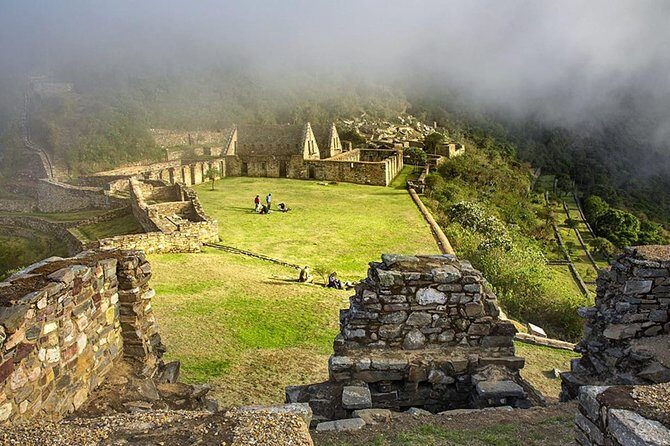
Day 2 is the “adrenaline” day. You wake up around 6 am for breakfast near camp and then start hiking toward Marampata at about 2,850 meters. This is a slow-pace climb for roughly three hours. The payoff is the change in scenery: you move through dense vegetation, and along the way you might spot orchids, colorful flowers, and birds and other animals.
You reach Maranpata beside the Chunchumayo for a refreshing rest. Then lunch comes with a view, and after that you head toward Choquequirao’s zone around 3,000 meters. Lunch is followed by about two hours hiking along a route with impressive views into the Choquequirao area.
By late afternoon, you’ll have time to get your bearings around the ruins, especially when clouds are lighter for clearer mountain views. You’ll camp again near the complex, at roughly 2,950 to 3,000 meters, with a base camp setup for the night.
Day 2 ends with about eight kilometers and around five hours of hiking time on paper—but uphill trekking often feels longer than the numbers. This is why acclimatization matters, and why the tour is aimed at people with strong physical fitness. If you’ve been short on training for steep climbs, this is the day that punishes that choice.
The value here isn’t only the effort. It’s that you’re given time at the site when light is better, so you get that “wow” moment in stages: first from the trail approach, then from inside camp with the complex in view.
Day 3 sunrise energy: reaching Choquequirao before the crowd feeling
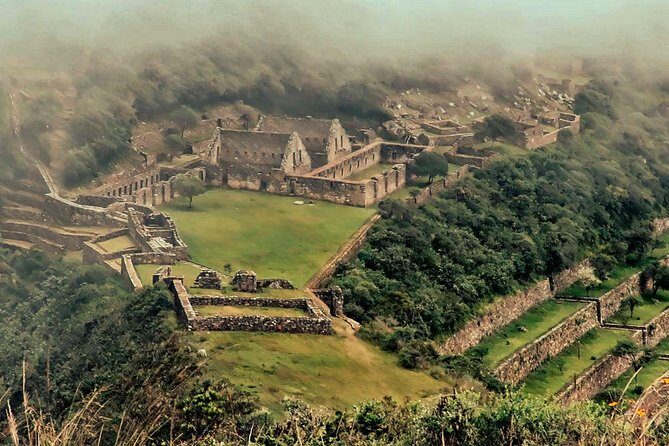
Day 3 starts early—breakfast comes first, then you move fast enough to be at the archaeological area in time for early views. You’ll follow paths with some sense of instinct and navigation guided by the team, and the goal is clear: see the deep canyons and, if conditions are right, you might even spot a condor flying overhead. That kind of wildlife moment is exactly the sort of thing that makes this trek feel different from a straight museum-style visit.
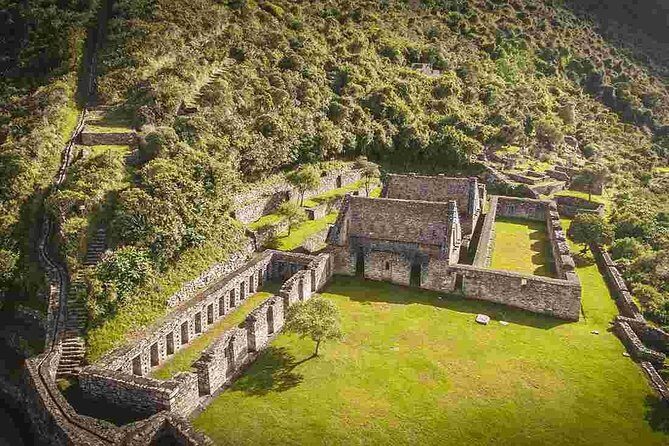
Then the walking becomes the story of the place. You head toward the Choquequirao archaeological complex, and the first push takes around one hour. After that, you get guided time on the site for about three hours. This is where the interpretation matters. Instead of racing through stones, you’ll understand more of the setting—how the ruins fit into the surrounding canyon and what you’re seeing as part of a larger system.
After exploring, you return the way you came. The return is about two hours down, then you cross the Apurímac river and climb back up for about one hour until Chiquisca, around 1,950 meters, where you camp for the night.
Day 3 is long in total effort: about 13 kilometers and around seven hours of hiking. That includes both the on-site exploration and the back-and-forth trek components, so you’ll be on your feet for most of the day.
If you like archaeology but you also love the drama of terrain, this is a sweet spot: the site visit is meaningful, and the canyon walking keeps reminding you why Choquequirao was built here.
Day 4 return to Cusco: the Capuliyoc pass and Apurímac valley last looks
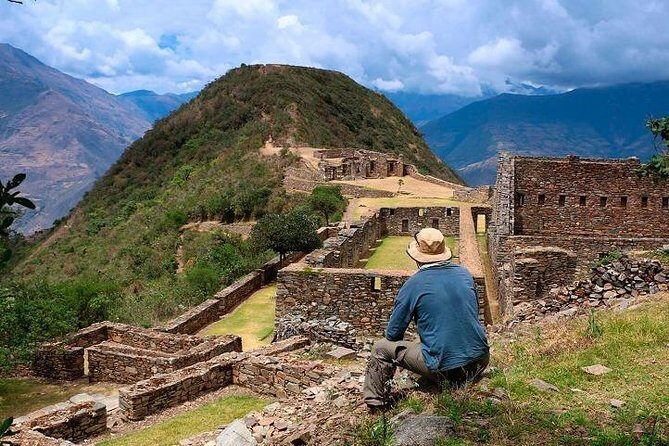
Day 4 starts with the last Andean breakfast at camp, described as bigger and special with the river noise in the background. From there, the day shifts from exploring to finishing strong.
You hike back the route toward Capuliyoc around 2,800 meters. The climb out is about two hours to the pass at roughly 2,915 meters. You’ll be watching for condors and Andean life on the trail, with snowcapped peaks and the Apurímac canyon in view. This is the “payoff walk” where you’re tired but you’re also noticing everything you missed on day 1 and day 2 because you’re not in survival mode anymore.
At Capuliyoc, the climbing portion ends and you stop for lunch. Then you drive back to Cusco, roughly five hours, arriving around 6 pm. After that, you’re transferred to your hotel and the services end.
This final day totals about nine kilometers and around five hours of hiking. In other words: not too much mileage, but still enough walking that you won’t feel like it’s a rest day.
What’s included (and why it affects your real cost)
This trek is priced at $647 per person for about four days (with camping included). At first glance, that looks like “only a hike.” But when you break down what’s actually included, the value becomes clearer:
- Entrance fees are included.
- All transport is included (including getting from Cusco to the trailhead and returning).
- You get a bilingual guide in English and Spanish.
- Camping accommodations are included for the nights on the route.
- Meals are built in: four lunches and three dinners, plus three breakfasts.
- There’s first aid included.
- Maximum group size is 10.
What’s not included is accommodation before or after the tour, which is normal, but you should plan your Cusco hotel dates around the early start and the fact you’ll return around 6 pm on day 4.
From a value perspective, the meals and camping inclusion matters most. In remote trekking areas, you usually spend time and money managing logistics. Here, you’re paying for an organized system: the team handles the basics so you can focus on hiking, learning, and resting.
You can also read our reviews of more tours and experiences in Cusco

The guide makes the difference: bilingual storytelling and small-group flow
The most consistently praised part of experiences like this is the guiding. Several guides are named—people like Adrián, Raúl, and Renzo—and they’re described as entertaining and informative, with storytelling that connects the Apurímac canyon to what you’re seeing at Choquequirao.
One standout practical tip: audio support via headphones is mentioned as a smart idea. If you’ve ever tried to hear a guide over wind and hiking noise, you know how much that improves the quality of the information you actually take in. In a place like Choquequirao—where details matter—this can make the difference between seeing ruins and understanding them.
Small group size also changes the pace. With a max of 10 people, you’re more likely to get attention when questions come up and less likely to feel like you’re in a moving line. The trek doesn’t need to feel rushed to work well; this format helps you slow down.
Meals, camp nights, and what camping actually means here
Food is part of the rhythm. The schedule includes three breakfasts, four lunches, and three dinners. Practically, this means you don’t have to hunt for meals along the trail or decide what to pack for every day. You can focus on water and basic snacks if you want them, rather than planning every calorie detail.
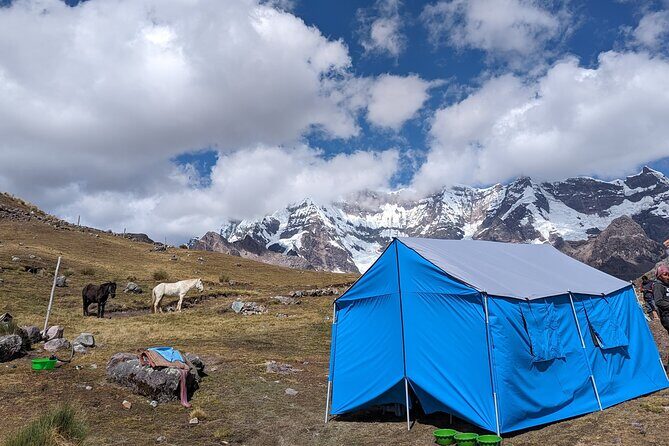
Camping accommodations are included, with base camps at different points: Santa Rosa on day 1, Choquequirao’s area on day 2, Chiquisca on day 3. The camping sites are described as very scenic, and that’s a real part of the value—your views are not saved for daytime only. You’ll camp with the complex and canyon scenery in mind, which helps the experience feel complete instead of like a commute between trail segments.
One consideration: camping means you’ll be sleeping in a remote setup. The data doesn’t list comfort level specifics, so assume basic trekking camp conditions. Bring layers. Even when it’s warm and sunny in the dry season, higher elevations can chill quickly at night.
Gear and fitness: what to prepare before you start walking
The trek asks for strong physical fitness. The itinerary includes multiple long hiking days (around five to seven hours each), plus a major uphill push on day 2. Even if you can hike for four or five hours at home, think about elevation and steepness. This isn’t a gentle stroll.
Altitude also matters. The descriptions mention high starting points around 2,800 to 2,900 meters, with camp and site zones around 3,000 meters and higher. The right move is acclimatizing well before the trek, and you should treat that as non-negotiable planning.
Equipment advice is a bit mixed in the provided details. There’s a note to bring all your own equipment, yet a separate experience says you can rent equipment in Chiquisca and Maranpata. My practical recommendation: pack the essentials you can’t easily replace (good footwear, layers, day-hike basics). If you’re missing trekking poles, a backpack system, or smaller items, you might have rental options on the way—but don’t count on last-minute fixes.
Also keep an eye on weather. The notes describe warm and sunny conditions in the dry season, with dust on day 1, and warm and windy in other segments. Pack for sun and for wind, not just rain.
Who this trek is best for (and who should rethink it)
This is best for you if:
- You want a less crowded alternative to the big-name Peru sites.
- You like guided interpretation, not just photo stops.
- You’re okay with camping and remote trail conditions.
- You can handle steep hiking, especially day 2.
You might rethink booking if:
- You’re looking for an easy walk with minimal climbing.
- You haven’t acclimatized and aren’t confident with altitude hiking.
- You’re hoping for a totally comfortable trip with no physical challenge.
This is a trek where the destination and the journey are both the point.
Price and logistics reality check: is $647 fair for what you get?
For $647 per person, you’re paying for a guided, organized, remote four-day trek with entrance fees, transport, bilingual guiding, first aid, camping, and a large chunk of meals. Many trekking costs don’t include the real time cost of coordination—drivers, permits, camp setup, and meals. Here, those items are part of what you pay for.
The only obvious “you’ll handle this” gap is your Cusco hotel before and after the trek. Everything else essential to staying fed and moving is covered in the provided inclusions.
One more reality check: the experience is non-refundable and can’t be changed. That makes planning extra important. If your schedule is likely to shift, you’ll want to be confident before you book.
Should you book the Choquequirao Trek (4 Days)?
I’d book this if you want a serious trekking experience with real payoff: big Apurímac canyon views, guided archaeology, and the kind of small-group attention that keeps the day from feeling like a checklist. The guide quality and organization come through strongly, and camping plus included meals make it feel like a complete journey rather than a DIY ordeal.
I wouldn’t book if you want something light, because the hike is physically demanding and day 2 is mostly uphill. If you’re fit and acclimatized, though, this is exactly the kind of trip that makes Peru feel less touristy and more personal.
If you do book, train for uphill walking, pack layers for wind and night cooling, and treat early starts as part of the adventure—not an inconvenience.
FAQ
What time does the trek start, and is pickup included?
The start time is 6:00 am, and pickup is offered. You’ll also get a briefing at the office the day before the tour.
How many people are in the group?
This trek has a maximum of 10 travelers.
What does the price include?
The tour includes entrance fees, all transport, a bilingual guide (English and Spanish), first aid, three dinners, four lunches, and three breakfasts, plus camping accommodations.
What kinds of meals are provided?
You get three breakfasts, four lunches, and three dinners during the four days.
Do I need to bring trekking equipment?
You’re told to bring your own equipment. One provided experience also notes that you can rent equipment in Chiquisca and Maranpata, so you might be able to cover some needs along the way.
Is this trek physically demanding?
Yes. The experience specifically advises travelers should have a strong physical fitness level, since the hike involves challenging uphill sections, including a difficult day on the second day.