REVIEW · CUSCO
Salkantay Trek 5 Days/4 Nights
Book on Viator →Operated by inca machu picchu tours · Bookable on Viator
Five days, and Peru changes its mind fast. You start in the Andes above Cusco, cross cold passes, and end up in hot, jungle-side weather before finishing with a guided Machu Picchu morning.
I especially like the Salkantay route itself: it’s built around sharp altitude shifts, from 4,220m Lake Humantay to lower jungle edges, so the day-to-day feels like different countries. I also really enjoy the human pace and support built into the plan, including bilingual guidance and a team that looks out for your health while still keeping the trek moving.
The main drawback to consider is altitude stress. You’ll climb high passes early, with long hiking hours on multiple days, so you’ll want a steady baseline fitness level and smart layering for cold mornings and snowy high points.
In This Review
- Key things that make this trek worth your time
- Leaving Cusco Early: how the trek really starts before sunrise
- Day 1 to Lake Humantay: Cruzpata hiking and the first turquoise payoff
- Day 2 on the Salkantay trail: where the pass feels real
- Day 3: the western jungle border day you’ll remember
- Day 4: river walking, Oroya canopy bridge, and first Machu Picchu glimpses
- Day 5: Machu Picchu guided morning, hot springs options, and the return to Cusco
- Price and value: what $446.16 buys you (and what it doesn’t)
- Guide team matters more than you think: bilingual support and real care
- Gear, fitness, and altitude: the practical “don’t get surprised” checklist
- Should you book the Salkantay 5D/4N trek?
- FAQ
- What time does the tour start in Cusco?
- Is pickup included?
- What parts of Machu Picchu are included?
- How do you get back to Cusco after Machu Picchu?
- Are meals included on all days?
- Do I need a sleeping bag?
Key things that make this trek worth your time
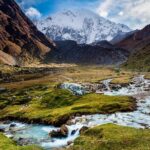
- Lake Humantay at 4,220m: turquoise water and big mountain views with a full camp setup waiting after the descent
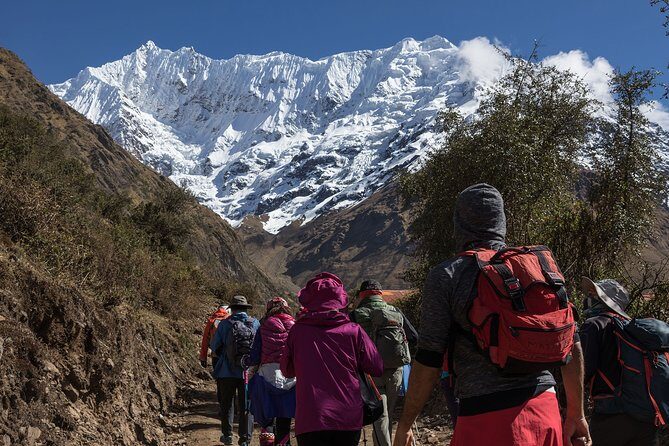
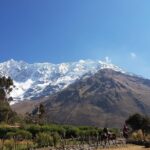
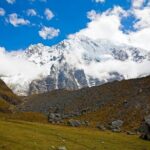
- Salkantay Mountain region views: the second-highest peak in Cusco’s region shows up with snow-capped drama
- Day 3 into jungle-side altitude: coca tea, coffee plantations, and passion fruit fields at the western jungle border
- Oroya canopy bridge + Vilcanota River: a fun change of rhythm plus your first meaningful Machu Picchu glances
- Machu Picchu guided morning tour: about two hours inside the citadel, then time in Aguas Calientes
Leaving Cusco Early: how the trek really starts before sunrise
This trek does not waste time. You’re picked up from your Cusco hotel, hostel, or Airbnb, and you’re meeting around 5:00 am. The transfer to Mollepata is roughly 2.5 hours, and the plan leaves Cusco on the bus around 04:30—so you’ll want to be packed, dressed, and awake.
That early start matters because Salkantay rewards people who move while the air is crisp and the trail is quieter. It also helps you adjust to the big altitude jump without spending your whole first day struggling. If you tend to get slow in the morning, build in patience: the first hours set your momentum for the rest of the week.
The group is kept small, with a maximum of 15 travelers. That’s not just a comfort perk. A smaller group also tends to feel more coordinated on narrow sections of trail, and it’s easier for the guide team to check in on how everyone is handling altitude.
You can also read our reviews of more hiking tours in Cusco
Day 1 to Lake Humantay: Cruzpata hiking and the first turquoise payoff
Day 1 is all about getting your legs moving while you see how dramatic the region can be. After the bus to Mollepata, you hike uphill toward Cruzpata (3,100m) on a light slope. This is a great “warm-up hike” altitude wise—enough effort to wake your body up, not so brutal that you’re crushed before you even reach your first campsite.
Along the way, you’re set up for scenic, practical viewing: typical highland plants, native birds, the Apurimac River canyon (one of Peru’s deepest), and even a villagers’ irrigation waterway. It’s a nice reminder that this is an inhabited landscape, not just a wilderness set.
Lunch happens at Cruzpata, then you continue toward Soraypampa. The timing is important here: after reaching Lake Humantay, you descend about 40 minutes to camp, with tea time around 6:00 pm and dinner prepared for you by the chef. That flow—long view moment, then structured recovery—makes Day 1 feel less chaotic.
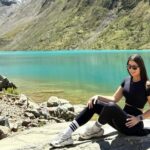
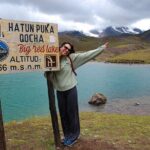
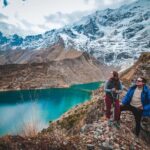
Lake Humantay itself is the headliner: it sits at about 4,220m, with that strong turquoise color and the snow-capped Humantay Mountain peak. One thing to keep in mind: this is high altitude. Even if the hike duration is manageable, you may feel wind and cold faster than you expect.
Day 2 on the Salkantay trail: where the pass feels real
Day 2 is the trek’s first big “test your grit” day. You leave Soraypampa around 6:30 am after breakfast and head out into the Peruvian highlands. The views are direct and constant here: Salkantay Mountain at 6,264m (described as the second highest peak in Cusco’s region) is a constant reference point, and you also get sightlines to Humantay and Huayanay snowies, plus small lakes, moraines, and the white river.
The hike is described in chunks: about 5 hours to Huayracmachay for lunch, then another 2–3 hours downhill to Chaullay (2,920m). Total distance is around 20 km, and it’s the kind of day where pacing beats bravery. If you go out too fast, high altitude will collect your price later.
What I like about this day is the way the route mixes hard effort with visual rewards you can’t fake. You’re not just walking for a distant photo. You’re walking toward changing terrain—the feeling of open highland, then a controlled descent to lower camp altitude.
As for drawbacks: Day 2 is long enough that poor shoes, under-drinking, or skipping rest stops can snowball quickly. You’ll also want to be ready for colder, windier conditions near the higher sections, then warmer air as you drop toward camp.
Day 3: the western jungle border day you’ll remember
Day 3 is where the Salkantay trek starts feeling like a temperature switch. You wake up with a mountain-and-highland view, plus coca leaves morning tea—a small detail, but it sets the tone for how local and practical this route feels.
Hiking begins around 7:00 am and lasts roughly 9 hours. You start moving for about 3 hours to reach a higher region described as the western border of the Peruvian jungle. This is the day you trade icy-looking mornings for lush, fruit-and-plant energy.
Expect to pass through areas where you can spot subtropical plants, fruits, and birds, plus banana trees and coffee plantations. It’s also a day for pictures because the greenery isn’t just decorative. You’re moving through an actual working region with farms and households.
The day ends around the village of La Playa (2,400m), where you camp for the night. There are also passion fruit fields mentioned in the route, which is a fun sensory cue that you’re really in the warmer belt now. Total distance is about 15 km.
The only consideration: you might feel better at lower altitude and accidentally speed up. Don’t. Take breaks, move at a steady pace, and keep hydration on your radar. Day 3 feels different, but the trek is still a full trekking day.
Day 4: river walking, Oroya canopy bridge, and first Machu Picchu glimpses
Day 4 starts around 8:30 am with a different rhythm: uphill walking with plenty of plant variety again—coffee, bananas, and passion fruit. You also get a strong river component via the Vilcanota River, which adds life to the route and helps break up the long “straight-line” feeling.
You continue along the river until you arrive near Oroya, described with a canopy bridge for watching birds. That bridge moment is the kind of small feature that makes the day feel more than just transit. It’s a pause point where the route becomes a bird-watching and scenery-stop in its own right.
At Sahuayaco, you get your first meaningful glimpse of Machu Picchu and Wayna Picchu from the trail. After that, the route continues toward Machu Picchu Hydroelectric, then you take the train to Aguas Calientes, the town right by the Machu Picchu complex.
This day covers about 10 km on foot and ends with dinner and an overnight stay at a hostel or optionally a hotel in Aguas Calientes. That matters because it sets you up for the next day’s early climb to Machu Picchu without adding extra travel stress.
A practical watch-out: you’re stacking a trekking day plus a train day. Don’t plan anything else in the evening besides resting, eating well, and sorting your day-5 logistics.
You can also read our reviews of more tours and experiences in Cusco
Day 5: Machu Picchu guided morning, hot springs options, and the return to Cusco
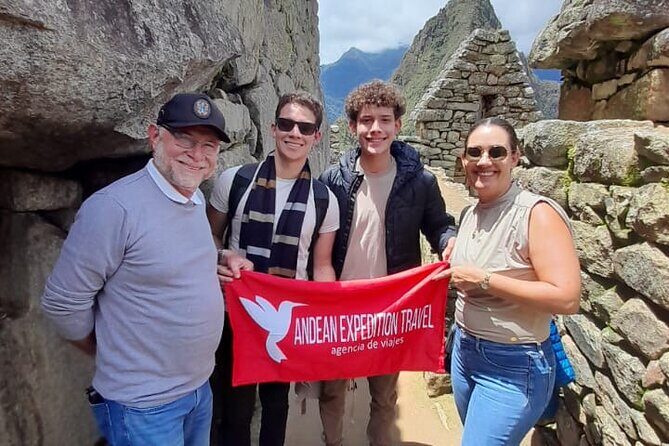
Day 5 is the payoff, but it’s also timed carefully. You hike up to Machu Picchu and then get a professionally guided tour of the citadel for about two hours. The plan emphasizes the quiet morning hours, which is smart: crowds tend to rise later, and early entry is when you can take your time with the details.
After the guided portion, you explore and enjoy the site at your own pace. The rest of the afternoon is based in Aguas Calientes, where you can visit around or relax in the famous hot springs.
Then comes the return: you board the train from Aguas Calientes to Ollantaytambo from 18:45 to 20:15, and connect with the transfer back to Cusco city from 20:25 to 22:30. It’s a long day, but it also gives you a clear end point instead of guessing when you’ll get back.
Only breakfast is included on the last day. So make peace with that early, and plan one easy meal later that you can enjoy without rushing.
Price and value: what $446.16 buys you (and what it doesn’t)
At $446.16 per person, this trek is priced as an all-in route style: guide support, camping logistics, and Machu Picchu access + train back. That’s the key value story here.
Included items that matter on a real trek:
- Professional bilingual guide (Spanish and English)
- High-quality camping equipment including tents for 2 and an eating tent with table/chairs
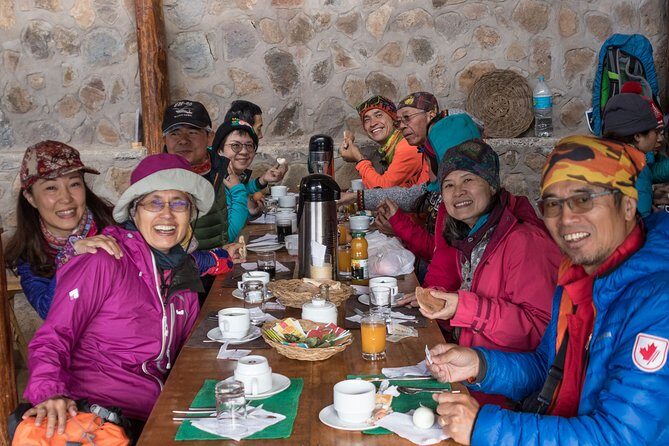
- Chef-prepared meals: 4 breakfasts, 4 lunches, 4 dinners
- First-aid kit
- Entrance fees to Machu Picchu
- Train from Aguas Calientes to Ollantaytambo and the bus/transfer back to Cusco
Not included items you should budget for:
- Sleeping bag rental is possible for +25 USD
- Bus from Aguas Calientes to Machu Picchu is listed at 24 USD (it may be relevant depending on your on-the-ground plans each day)
- Zipline in Santa Teresa is optional at +30 USD
- Breakfast on the first day and lunch on the last day in Aguas Calientes
Here’s the way I’d weigh it: you’re paying for a managed experience through multiple environments, with camp and meals solved for you. If you’d otherwise hire guides, arrange camps, and pay for Machu Picchu entry and the train segments, the total often climbs quickly. The price looks fair for what’s bundled.
Guide team matters more than you think: bilingual support and real care
The best part of this style of trek is the people who manage the details you can’t see coming. In the guide team stories, names like Rodrigo and Carlos show up as responsible, safety-focused leaders who get you through the route without drama. Another team member mentioned is Steve, described as passionate about Inca culture and attentive to health and well-being.
On support and pacing, I also like the way Yang is described: picking people up from the airport, giving a full talk of how the 5 days will go, and staying helpful throughout. One review also notes a guide Carlitos advising on what clothes to wear and what the next road would feel like. That kind of day-by-day coaching can make altitude and weather feel less random.
With a maximum of 15 travelers, this also feels more like a guided small adventure than a big conveyor belt. That makes it easier for the guide to check on how you’re doing, especially on the long days.
Gear, fitness, and altitude: the practical “don’t get surprised” checklist
This trek is for people with at least moderate physical fitness. The hike durations are significant on multiple days: roughly 5 hours on Day 1 for the hike blocks, about 5 hours + 2–3 hours on Day 2, around 9 hours on Day 3, and about 4 hours on Day 4 (plus the day’s structure). Even when the itinerary lists hours, you should think in terms of a long day of walking and breaks.
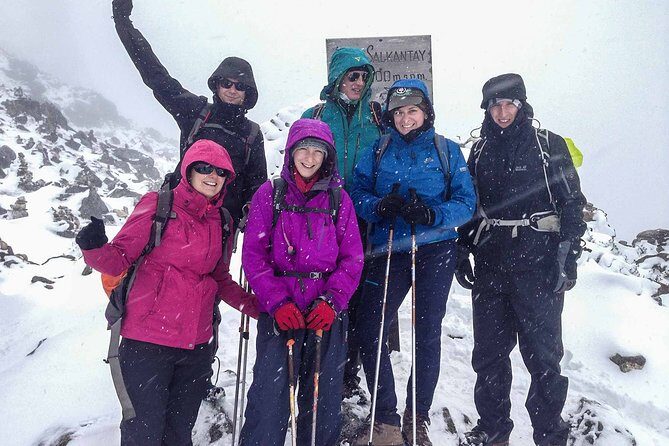
Altitude is the big factor. You’ll reach Lake Humantay at 4,220m, and the route mentions cold, snowy high points up around 4,650m. The trek is also described as having temperature change along the paths, and you should treat that as real: plan for cold mornings and warmth as you descend.
Camping is included with tents for two and a dedicated eating setup, which is a comfort advantage over DIY trekking. But you still need to think about your personal comfort, especially sleep. Since a sleeping bag is not included (and rental is available), this is one place to avoid arriving under-prepared.
Finally, remember you’re hiking through different climates, including the jungle-side edge. That means you’ll want to be ready for changes in how your body feels, not just how the scenery looks.
Should you book the Salkantay 5D/4N trek?
Book it if you want a route that mixes high Andes passes, jungle-side greenery, and a proper Machu Picchu morning with a guided tour. The value looks strong because camping, most meals, Machu Picchu entrance, and the key train segment back are bundled.
Skip it or consider a lighter version if altitude already wipes you out, or if long multi-day hiking sounds stressful rather than exciting. This one asks for stamina on Day 2 and endurance on Day 3, and you’ll be moving in cold-to-warm conditions.
If you choose this trek, do one smart thing: come with a moderate fitness baseline and plan for a warm sleep setup (either bring your own sleeping bag or budget for the +25 USD rental). That small preparation can turn a challenging trip into a confident one.
FAQ
What time does the tour start in Cusco?
You’ll be picked up from your lodging in Cusco and the meeting/start time is listed as 5:00 am. The itinerary for Day 1 also indicates leaving Cusco toward Mollepata around 04:30 on the bus.
Is pickup included?
Yes. Pickup is offered from any hotel, hostel, or Airbnb in Cusco.
What parts of Machu Picchu are included?
The price includes entrance fees to Machu Picchu and a professionally guided tour of the citadel for about two hours on the morning of Day 5.
How do you get back to Cusco after Machu Picchu?
After Machu Picchu, you take the train from Aguas Calientes to Ollantaytambo from 18:45 to 20:15, then transfer by bus back to Cusco from 20:25 to 22:30.
Are meals included on all days?
Meals are included for 4 breakfasts, 4 lunches, and 4 dinners. The last day includes only breakfast. Breakfast on the first day and lunch on the last day are listed as not included.
Do I need a sleeping bag?
A sleeping bag is not included, but rental is possible for +25 USD.