REVIEW · CUSCO
Classic Inca Trail 4D/3N to Machupicchu
Book on Viator →Operated by Ali Peru Treks - Travel Agency · Bookable on Viator
Early starts, big rewards. The Inca Trail route here is built around reaching Machu Picchu through the Sun Gate, and I love how the days mix archaeology with views instead of just grinding uphill. I also like that your meals are cooked on site by a real team (not just snacks and vibes), with drinking water refills along the way. The one drawback: you still need moderate fitness for high altitude—Day 2 tops out around 4215 meters—so pacing yourself matters.
What makes this option feel especially workable is the support system: hotel pickup in Cusco, transportation to the trail, porters/chefs, private portable toilets, and camp setup so you’re hiking, not managing camp. The group stays small (maximum 16 people), which usually means less stopping-and-starting and more breathing room for questions from your guide.
You’ll also want to plan your expectations around the schedule: you’re out very early (meeting time is 4:00 am, with pickup around 4:30 am), and the last day includes a guided Machu Picchu visit, bus down to Aguas Calientes for lunch, then the tourist-class train back to Ollantaytambo. It’s smooth, but it is not a “sleep in and wander” kind of trip.
In This Review
- Key highlights I’d circle in a hurry
- The real draw: Machu Picchu through the Sun Gate
- Who this Classic Inca Trail fits (and who should rethink it)
- Day 1: From Piscacucho/Km 82 into Canabamba and Llactapata, then Ayapata camp
- Day 2: The 4215 m climb, Pacaymayo lunch, and camps at Chaquicocha
- Day 3: Cloud forest hiking to Phuyupatamarca, then Wiñay Wayna
- Day 4: Inti Punco (Sun Gate) views, Machu Picchu tour, then train back
- Food, tents, and the support that keeps you moving
- Price and value: is $770 fair for this Classic Inca Trail?
- Practical tips so you enjoy it more (and suffer less)
- Should you book this Classic Inca Trail 4D/3N to Machu Picchu?
- FAQ
- What does this tour include?
- What time does the tour start?
- Do I need a passport?
- What is the highest point on the trek?
- Are sleeping bags and trekking poles included?
- Is Huayna Picchu included?
- How do you get back after Machu Picchu?
- Can I cancel for a full refund?
Key highlights I’d circle in a hurry
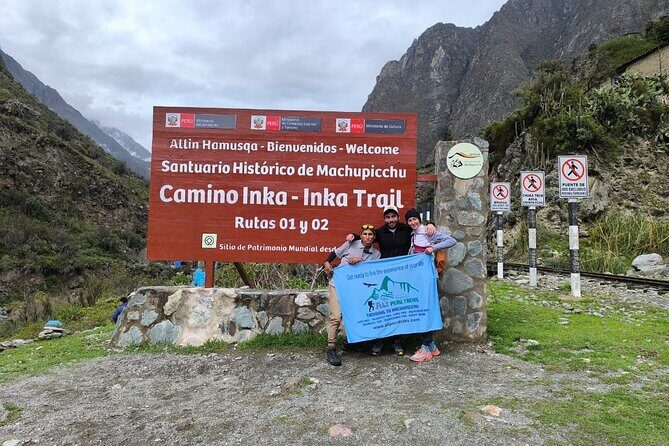
- Sun Gate arrival: you reach Inti Punco by foot for a first Machu Picchu look before the guided time inside
- Highest point on Day 2 (4215 m): a real acclimatization test, not a casual stroll
- Inca sites sprinkled through the hike: Canabamba, Llactapata, Runcuraccay, Sayacmarca, Phuyupatamarca, Intipata, Wiñay Wayna
- Meals cooked at camp: food is prepared on site with fresh local ingredients, plus snacks and water daily
- Small group size (up to 16): easier pacing and more time with your English-fluent guide
- Return trip built in: includes bus down to Aguas Calientes and an expedition train (tourist class) back to Ollantaytambo
The real draw: Machu Picchu through the Sun Gate
This is a Classic Inca Trail route that treats Machu Picchu as the finale, not the start. The big moment is the walk to Inti Punco (Sun Gate) on the last day, where you get your first dramatic view before you go down for the guided Machu Picchu portion.
That order matters. If you start at the site first, you rush to take it in and then spend the rest of the day “catching up” mentally. Here, the hike puts you in the right headspace: you’ve spent days moving through Inca ruins and mountain valleys, so Machu Picchu hits with more meaning. The route also includes Wiñay Wayna earlier (an Inca site often associated with the famous Inca Trail storyline), which helps you understand how the path connects different functions—settlement, ceremonies, and transit—before you reach the main stage.
One practical note: because Sun Gate is time-sensitive, you’ll be moving early and steadily. Bring patience for the timing and focus on the view when it arrives. The scenery changes constantly along the way, and the guide’s commentary helps you see more than just “old stones.”
You can also read our reviews of more tours and experiences in Cusco.
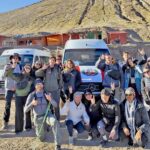
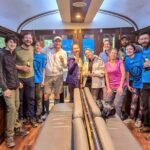
Who this Classic Inca Trail fits (and who should rethink it)
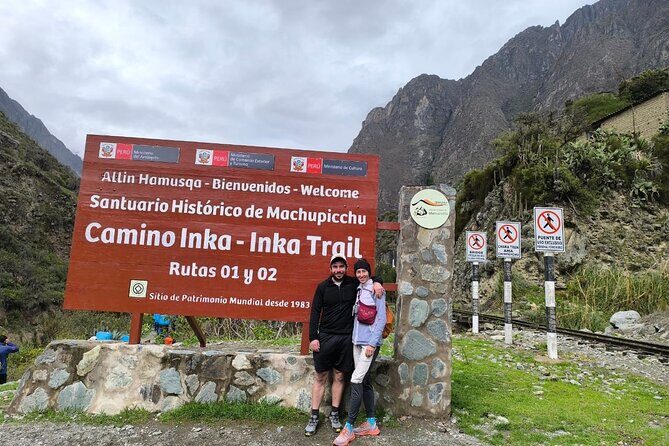
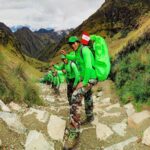
This trip is a good match if you want a guided, well-supported Inca Trail that still feels like an adventure. It’s listed for travelers with moderate physical fitness, and the itinerary includes long hiking blocks, repeated ascents and descents, and a major altitude high point.
Here’s where I’d be honest with you about effort:
- Day 2 has the most demanding climbing: a 4-hour ascent to 4215 meters.
- Camp days still involve meaningful walking, like the 3-hour hike segments on Day 1 and the hours-long trek on Day 3.
If you know you get hit hard by altitude or you’re prone to respiratory stress, this is where you should pause and consider whether another Peru plan might fit better. The tour does include guides, porters, and a structured pace, but your body still decides the pace on big altitude days.
The upside is that support is real. You’re not lugging heavy camp gear. Porters handle camp and trekking logistics, while your job is to hike. That makes a big difference if you’re not a hardcore trekker and you want the Inca Trail experience without turning it into a survival project.
Day 1: From Piscacucho/Km 82 into Canabamba and Llactapata, then Ayapata camp
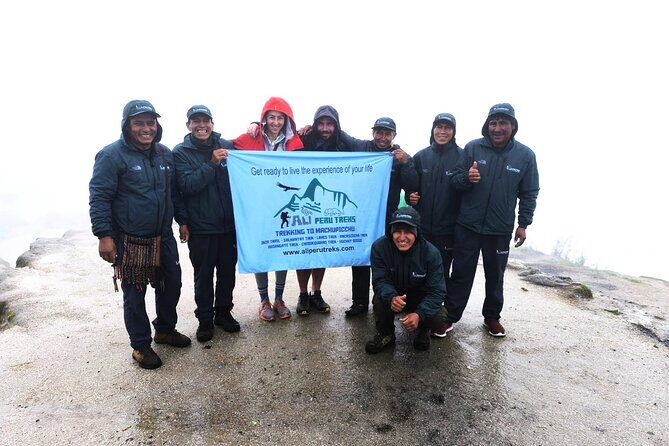
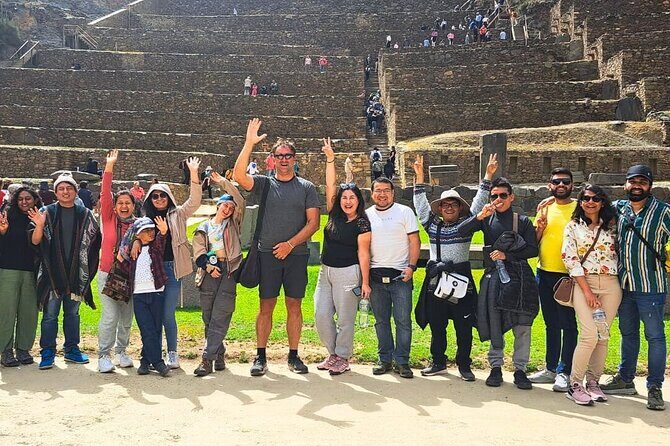
Your day begins before sunrise in Cusco. Pickup happens around 4:30 am, then you drive to Ollantaytambo for breakfast, and continue onward about an hour to the trail entrance area—either Piscacucho or Km 82—where you’ll need your original passport.
Once you start walking, Day 1 blends archaeology with a “settle into the rhythm” feel. After the first stretch, you explore Canabamba and Llactapata, two archaeological sites with different roles in the Inca world. The walk is paced as a hike with stops rather than nonstop pressure: about 3 hours of walking to reach those sites, then roughly 30 minutes to lunch.
Lunch is a nice perk: the camp team has everything ready, and meals are cooked on site. You also refill bottles with drinking water during the day. That sounds small, but it matters—on a trek, hydration mistakes snowball into fatigue.
The afternoon continues for about 3 more hours until Ayapata, where you sleep in camp. This is a good first-night setup because it gives you time to get your bearings, learn how your group pace feels, and adjust to the elevation gradually. If you’re the type who gets cold at night, pay attention—camp nights can feel chilly, even when daytime is comfortable.
Day 2: The 4215 m climb, Pacaymayo lunch, and camps at Chaquicocha
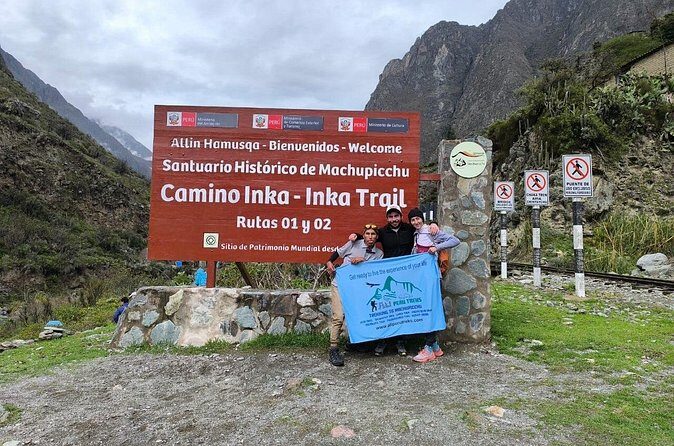
Day 2 is the “earn the views” day. After breakfast, you start a four-hour ascent to the highest point on the trail at 4215 meters. From that height, you get expansive views of the mountain ranges—and you feel every step. This is not the time to sprint. If you can keep a steady pace, you’ll conserve energy and avoid burning out early.
After the climb, you descend to the next valley for about an hour and arrive at Pacaymayo for lunch. Again, bottle refills are part of the day, which helps you stay on track without constantly hunting for water.
Then it’s back uphill: about 2 hours 45 minutes toward Runcuraccay. Here you get both archaeology time and a payoff for your effort—privileged views of waterfalls, plus time to explore the site. After that, you descend about an hour to Sayacmarca, where you’ll have more ruins to wander through and take in.
The final push is shorter: a 25-minute hike to camp at Chaquicocha (around 3700 meters). Dinner follows, and if time allows, you can look up at the constellations. That’s a simple moment, but on the Inca Trail it often turns into a favorite memory because the day feels long and the sky is clear.
Big-picture drawback to plan for: Day 2 is long and high. Even with guides and porters doing the heavy work, you’ll still feel the altitude. Build your strategy around slow breathing, steady steps, and drinking water when offered.
Day 3: Cloud forest hiking to Phuyupatamarca, then Wiñay Wayna
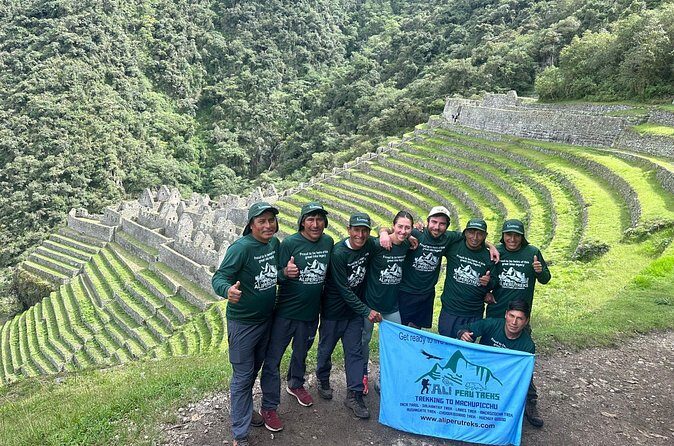
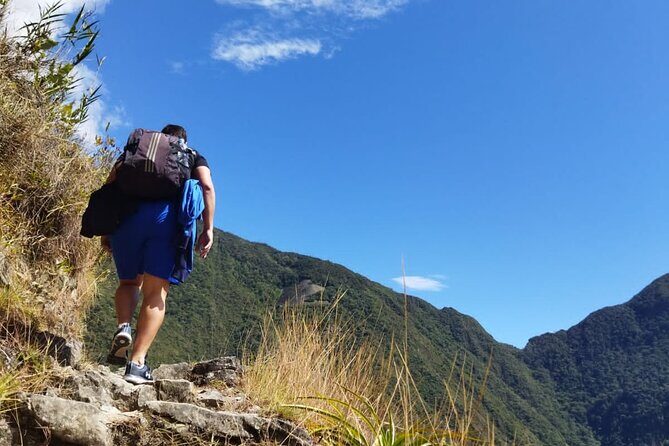
This is often the most enjoyable day because the walking includes variety rather than only climbing. The morning starts early—around 7:00 am—and you cover about 2 hours with ups and downs before reaching the edge of jungle called cloud forest.
If the day is clear, you may see Salkantay and the Vilcabamba mountain range. Even when visibility isn’t perfect, the ecological shift is the point: the air can feel different, and the trail feels alive with changes in plants and terrain.
You arrive at Phuyupatamarca, where you explore the site and get views down toward the Urubamba River. It’s also described as the first glimpse of Machupicchu Mountain, which is a psychological boost on a long trek—suddenly you’re hiking toward something you can almost name.
After exploration, you descend about 3 hours to camp, passing Intipata along the way. You arrive at camp around 13:00, which gives you time to eat and rest rather than keep hiking until sunset.
Here’s what I like about how this day is structured. After resting, you continue on to Wiñay Wayna, the largest stop of the day and one of the most memorable Inca Trail sites. This is described as the easiest day so you can save energy for the final day’s Sun Gate walk.
Also worth noting: your guide’s pacing and explanations make the ruins feel connected. In past experiences with this company’s team, English-speaking guides like Mesias have been praised for turning each ruin and stretch of trail into a clearer story of how the Inca moved and built.


Day 4: Inti Punco (Sun Gate) views, Machu Picchu tour, then train back
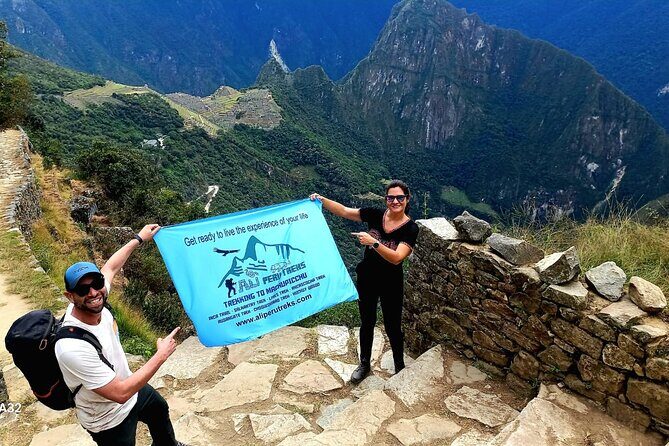
Your last day starts with an early breakfast, then a 2-hour walk to Inti Punco, where the views of Machu Picchu and the mountains are the main event. After that, you descend to Machu Picchu for a guided tour of about 2 hours.
This is where you’ll be glad you didn’t rush. By the time you reach the site, you’ve already seen multiple Inca sites along the route—so you recognize patterns in how the Inca used terraces, channels, and spaces. Your guide’s commentary is especially useful here because Machu Picchu can feel like one big postcard if you don’t have context.
After the guided portion, you take the bus down to Aguas Calientes, where lunch is included. Then you head to the train station for the return journey: an expedition train (tourist class) back to Ollantaytambo. From there, the driver brings you back to Cusco, dropping you off at your hotel.
Potential drawback: this day is packed. You’ll cover walking, sightseeing, bus travel, and then train time without a lot of downtime. If you hate “tight connections,” this may feel like sensory overload—but most people find the payoff worth it.
Food, tents, and the support that keeps you moving
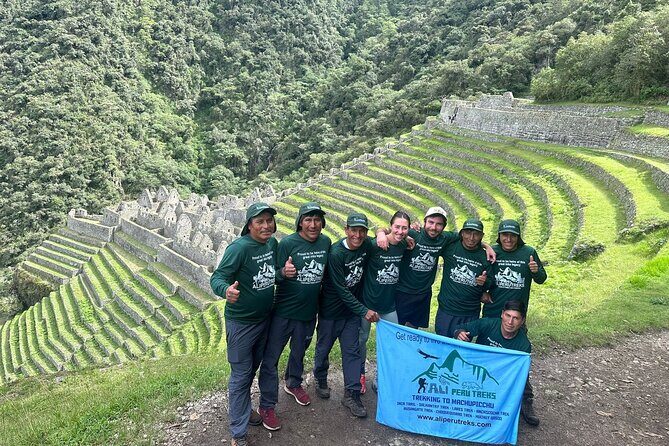
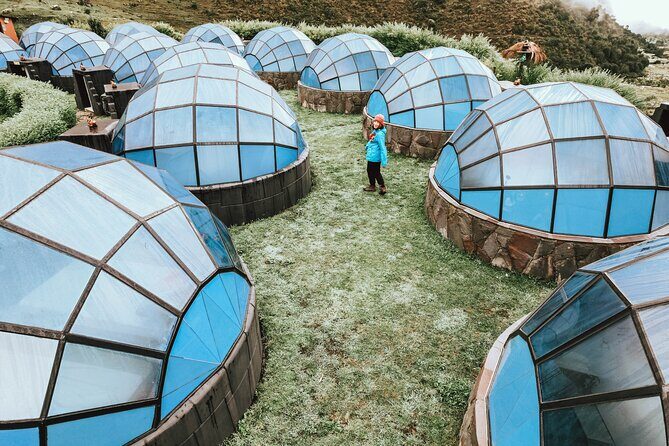
What makes this trek feel manageable is the way camp basics are handled. You get 3-night camp with comfortable equipment, including Eureka tents with 4 seats for every 2 passengers. In plain terms: you’re not sleeping under the stars only, but you’re also not in a hotel bed. You’re in trekking mode.
You also get private portable toilets. That may not be glamorous, but it’s one of those things that quietly improves the whole experience.
Meals are a big point here. Food is prepared with fresh local ingredients, cooked on site. That includes breakfast (4) and lunches (3) and dinners (3), plus drinking water and snacks every day. If you’ve ever hiked all day and then eaten something that tasted like it came from a forgotten supply closet, you’ll appreciate this setup.
The cooking has been specifically praised. For example, in one account of this trek, chef Valerio was described as producing impressive meals in a tent with the equipment carried on the trail. That kind of practical cooking matters for your energy levels more than you’d think.
And the human side is part of the value. Porters can make or break your mindset on steep stretches. Names like Juan Carlos, Juvenal, Braulio, and Damien have come up in positive feedback, and the recurring theme is encouragement with a smile. When you know someone strong is handling the heavy loads, you can focus on your own breathing and footwork.
Price and value: is $770 fair for this Classic Inca Trail?
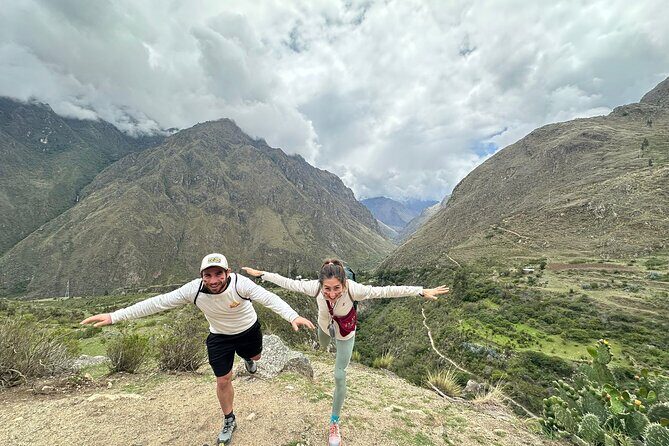
At $770 per person, this is not a budget hike, but it’s also not just “pay for a permit and hope for the best.” The price bundles a lot of the costly, time-consuming parts:
- Inca Trail entrance ticket and Machu Picchu entrance
- Bus from Machu Picchu to Aguas Calientes
- Return expedition train (tourist class)
- All transportation for the trek duration
- Meals prepared on site (breakfasts, lunches, dinners) plus snacks and daily drinking water
- Camp setup with tents and private portable toilets
- English-fluent professional guides, plus experienced chefs and porters
What you’re really paying for is reduced risk and reduced work. You’re not arranging permits, transport, train seats, camping gear, or food logistics. That’s a real value if you’d rather spend your energy on walking and absorbing the ruins.
The only “hidden-ish” cost is what is not included: sleeping bags and air mattresses, plus trekking poles (available for rent), and tips. You also won’t get lunch on the last day after the Machu Picchu tour. Optional Huayna Picchu tickets cost extra if you want them.
If you compare this kind of package to piecing things together yourself, the math usually favors the tour—especially because Inca Trail access depends on timed permits and strict rules. This setup takes that stress off your plate.
Practical tips so you enjoy it more (and suffer less)
1) Start with your passport ready. You’ll need your original passport at the trail entrance area. Don’t wait until the last minute to hunt for it.
2) Pace like you want to finish strong. Day 2’s climb to 4215 m is the toughest section. Walk steady, take short breaks, and avoid the urge to “prove something” early.
3) Expect an early-day rhythm every morning. Meeting time is 4:00 am, and pickup is around 4:30 am. Try to adjust sleep in Cusco before the trek day so you’re not fighting fatigue.
4) Ask your guide questions during site stops. This route includes many ruins—Canabamba, Llactapata, Runcuraccay, Sayacmarca, Phuyupatamarca, Intipata, Wiñay Wayna, and then Machu Picchu. The more you ask, the more the hike becomes than a sequence of stairs.
5) Plan for cold camp nights and pack for it. Sleeping bags aren’t included, so you’ll either need your own or rent what you need. It’s smart to treat nights at altitude seriously.
6) Bring trekking support gear if you can. Trekking poles aren’t included but are available for rent. Your knees will remember the choice you made.
Should you book this Classic Inca Trail 4D/3N to Machu Picchu?
If your priority is doing the Classic Inca Trail with guided archaeology, full meal support, and a built-in route to Machu Picchu via Sun Gate, this tour is a strong choice. The small group size (up to 16), the detailed ruin progression across multiple days, and the fact that train, transport, and key entrance tickets are included all point to solid value for most hikers with moderate fitness.
Book it if you:
- can handle an early start and high altitude effort
- want a structured trek without managing camp logistics
- care about understanding the ruins, not just walking past them
Think twice if you:
- know altitude hits you hard
- hate tight schedules on the final day (Sun Gate, guided Machu Picchu, bus, then train)
FAQ
What does this tour include?
It includes hotel pickup, all transportation during the trek, professional English-fluent guides, experienced chefs and porters, 3-night camping with tents and equipment, all meals (4 breakfasts, 3 lunches, 3 dinners), drinking water and snacks daily, private portable toilets, Inca Trail and Machu Picchu entrance tickets, the bus down to Aguas Calientes, and an expedition train (tourist class) for the return on the last day.
What time does the tour start?
The start time is listed as 4:00 am. Pickup from your hotel is scheduled at 4:30 am in Cusco.
Do I need a passport?
Yes. You should have your original passport with you at the trailhead (Piscacucho or Km 82).
What is the highest point on the trek?
Day 2 includes a four-hour ascent to the highest point of the Inca Trail at 4215 meters.
Are sleeping bags and trekking poles included?
No. Sleeping bags, air mattresses, and trekking poles are not included, though trekking poles and needed items are available for rent.
Is Huayna Picchu included?
No. Huayna Picchu tickets are optional and not included.
How do you get back after Machu Picchu?
You descend by bus to Aguas Calientes for lunch, then take the expedition train (tourist class) back to Ollantaytambo, where a driver returns you to Cusco.
Can I cancel for a full refund?
Yes, free cancellation is offered. You can cancel up to 24 hours in advance of the experience start time for a full refund.