REVIEW · CUSCO
Classic Inca Trail Expedition to Machu Picchu 4D/3N
Book on Viator →Operated by Inca Trail Specialist · Bookable on Viator
Four days. One unforgettable arrival. The Classic Inca Trail pushes from KM-82 through sacred ruins and ends with Machu Picchu revealed at the Sun Gate during opening hours. It’s one of those rare trips where the effort and the timing both feel built into the experience.
I love that the important pieces are handled for you. Your ticketing covers both the Inca Trail and Machu Picchu, and the trek includes meals plus tents so you’re not hunting gear or food at altitude. I also like the capped group size (up to 15), which keeps the pace more human and the logistics less chaotic.
The trade-off is that this is a real mountain hike. You’ll hit the steep high point of Dead Woman’s Pass at 4,215 m, and you’ll want to be ready for early starts. Also, camping gear like a sleeping bag and walking stick is not included, so plan to bring those.
In This Review
- Key Things You’ll Remember From This Classic Inca Trail Trek
- Cusco to KM-82: 5:00 am Pickup and the Permit Check That Matters
- Day 1 to Ayapata: Llactapata, Checkpoints, and Camp Life With Real Food
- Day 2 Over Dead Woman’s Pass: Runkuracay, Sayacmarca, and a Tough Day That Pays Off
- Day 3 Phuyupatamarca to Winay Wayna: City in the Clouds and a Farewell Night
- Day 4 Machu Picchu at Opening Time: Sun Gate, a Guided Citadel Tour, Then Back to Cusco
- Price and Value: What the $990 Covers (and What It Doesn’t)
- What You Really Need to Bring (Since Camping Gear Isn’t Included)
- Who This Trek Suits Best (And Who Should Rethink It)
- Should You Book This Classic Inca Trail Expedition?
- FAQ
- What time does pickup begin for this Inca Trail trek?
- Where does the trek start?
- Do I need my passport at the KM-82 checkpoint?
- Is the tour offered in English?
- How many people are in the group?
- What fitness level do I need?
- What meals are included during the trek?
- Is lodging included on the trek?
- Is a sleeping bag included?
- If weather is bad, what happens?
Key Things You’ll Remember From This Classic Inca Trail Trek
- KM-82 passport + permit match at the trailhead checkpoint before you begin
- Meals and happy hour with porters and cooks keeping energy up on the trail
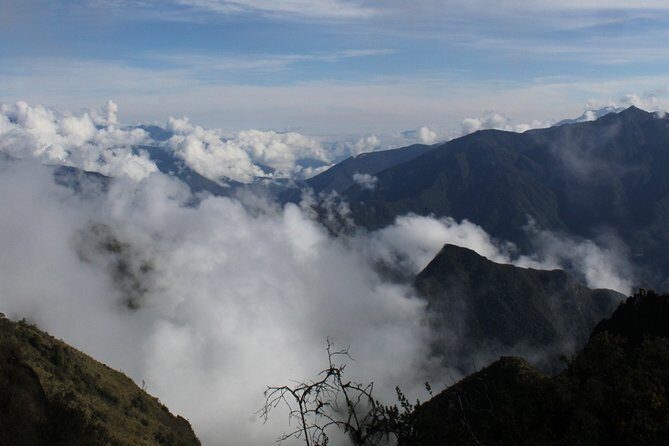
- Dead Woman’s Pass (4,215 m) on Day 2, plus steep Inca steps down to lunch
- Ruins stops at Llactapata, Runkuracay, Sayacmarca, Phuyupatamarca, and Winay Wayna
- Early Sun Gate arrival at Machu Picchu for your first big views
- Three nights in tents for two (camp setups handled for you)
Cusco to KM-82: 5:00 am Pickup and the Permit Check That Matters
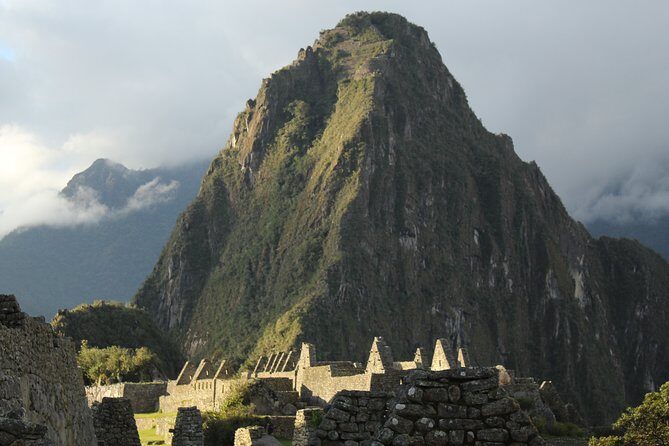
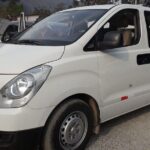
This tour starts early on purpose. You’re picked up from your Cusco hotel, with a stated start time of 5:00 am, then driven to the Inca Trail trailhead at KM-82. At the first checkpoint, you’ll need your passport on hand because it must match your permits.
That passport matching detail is not just paperwork theater. It controls access, and it also means you should keep your travel documents organized from day one. If your passport details don’t line up, it can mess up the start—so treat that check like part of the trek, not an afterthought.
You’ll also notice the tour’s structure right away. The group size is kept at a maximum of 15 travelers, and that usually helps with pacing. You’re not getting shoved along with a huge crowd, and you’re more likely to get answers to questions from the guide and team.
You can also read our reviews of more tours and experiences in Cusco.
Day 1 to Ayapata: Llactapata, Checkpoints, and Camp Life With Real Food
Day 1 begins with the drive to KM-82, then your hike starts along the Sacred Valley area toward Llactapata, an Inca site you reach after a first stretch of trekking. The itinerary is clear that after the initial checkpoint and early walking, you’ll continue to a lunch stop about two hours in.
What I like here is the way they build comfort into the schedule without turning it into an easy walk. Porters are waiting at lunch, and the food is described as organic and fresh. You get a snack, lunch, happy hour, and dinner, which is the kind of full-on feeding plan that keeps you from feeling like you’re always behind.
After lunch, the day turns uphill. It’s not endless climbing, but you do get that steady “work your legs, then take breaks” pattern. You finish the day at Ayapata campsite. Your accommodation is a tent for 2 people, and that matters because you’ll know what “camp” means on this tour from the start, not on Day 3 when you’re already tired.
Practical note: if you’ve never slept in a tent while trekking, it’s not the same as a campground. You’ll be outdoors, so plan to bring what you need for sleeping. The sleeping bag is not included.
Day 2 Over Dead Woman’s Pass: Runkuracay, Sayacmarca, and a Tough Day That Pays Off
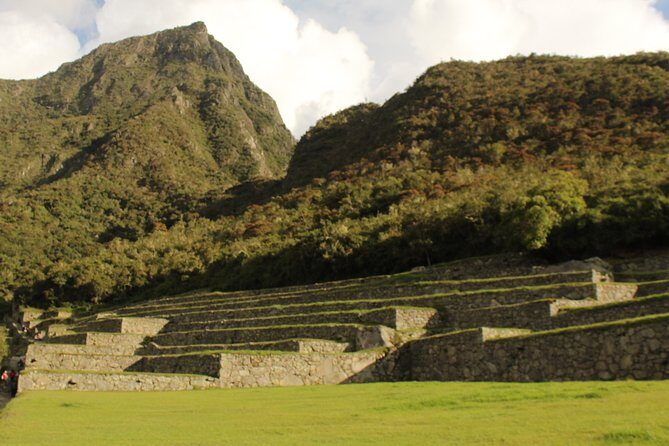
Day 2 is the physical centerpiece. You wake up to breakfast, then start climbing for about five hours toward the trek’s high point: Dead Woman’s Pass (4,215 m). This is the day that most people remember, because altitude plus steep effort compresses time. You’ll stop often, but you’ll feel it in your lungs and legs.
After reaching the top, the route doesn’t give you a break. You descend for about two hours through steep Inca steps to get to the second lunch spot. Steep steps can be rough on knees even when you’re going down, so you’ll want to take the descent seriously and pace your footing.
Once lunch is done, you’re back on the trail for about two hours, with a mix of uphill and downhill plus breaks at ruins. Your stops include Runkuracay and Sayacmarca. These are not just photo stops. Each ruin break helps break up the day into manageable blocks, and it turns the grind into something meaningful: you’re walking between living remnants of the Inca world.
Finally, you reach the Chaquicocha campsite. Meals continue to be handled for you (snack, lunch, happy hour, and dinner), and you sleep again in a tent for 2. By this point, you’ll likely be very glad you don’t have to think about cooking or carrying extra food for long stretches.
If you care about comfort and crew: the reviews highlight strong performance from the porters and cook. One review specifically praised the cook’s expertise and even mentioned cake as a nice touch. When the team is on point, this tough day feels more manageable.
Day 3 Phuyupatamarca to Winay Wayna: City in the Clouds and a Farewell Night
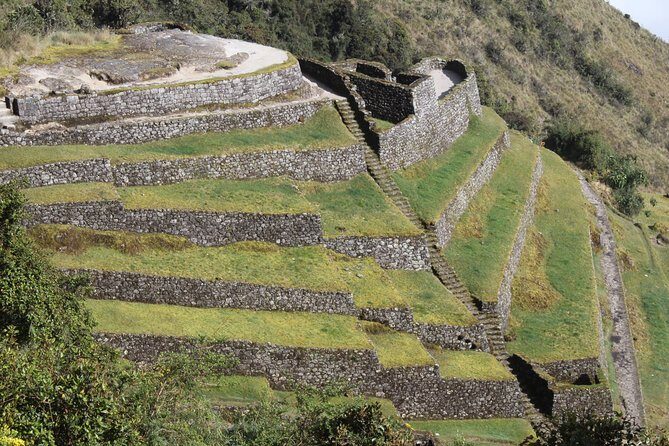
Day 3 feels like the tour shifting from survival mode into wonder mode. After breakfast, you hike for about two hours toward the last summit area: Phuyupatamarca. The name is explained on the route as meaning City in the Clouds, and you’ll also visit Inti Pata, described as Sun above the terraces.
This is a great section for people who like views but also want them earned. You’re still working, but the day’s rhythm changes. The terrain is demanding enough to keep your focus, while the setting is special enough to make your breaks feel worthwhile.
After the summit area, you get lunch and then move into the Winay Wayna stop, known as Forever Young. The tour frames Winay Wayna as an amazing site, and this is one of those days where archaeology and scenery work together. You’re not just looking at ruins; you’re walking through the Inca logic of place and purpose.
Then comes a very human moment. You return to camp for dinner and a small ceremony where the group shows gratitude. The itinerary mentions thanking your porters, expressing appreciation (including tips), and that this is the last time you’ll see the team together before Machu Picchu day.
That last-night ceremony matters more than it sounds. On a trek like this, the porters are the quiet engine of the trip—carrying gear, keeping food running, and making sure camp happens. Reviews consistently praise that support and the friendliness of the porter team, so this part gives you a chance to properly recognize the people making your hike possible.
Day 4 Machu Picchu at Opening Time: Sun Gate, a Guided Citadel Tour, Then Back to Cusco
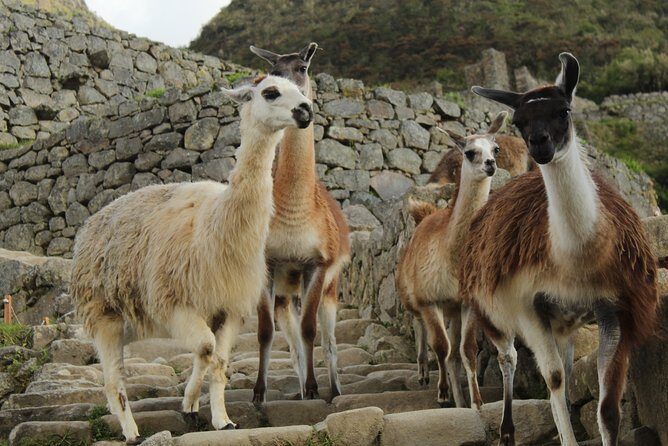
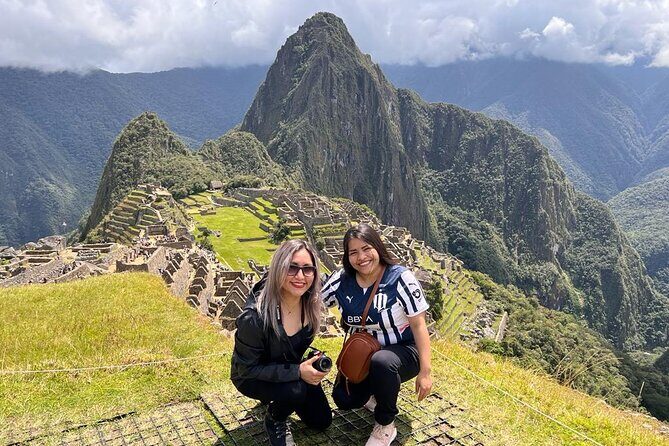
Day 4 starts early again, because today is the big one. Your team wakes you up early, and you head to the checkpoint to enter Machu Picchu. Once the site opens, you hike to the Sun Gate, where you get your first major view of Machu Picchu.
That moment is the emotional payoff. Multiple reviews mention sunrise arrival and the first view feeling magical and emotional. Even if you’ve seen pictures before, the real thing hits differently when you’re arriving at opening time and the site is still waking up.
After that first view, you’ll have about a 2-hour guided tour of Machu Picchu. The guide covers the most important sacred sectors of the citadel, so you’re not wandering alone wondering what you’re looking at. One review named the guide Mauro and praised the guide, plus the cook and porters, for making the service feel first class.
In the afternoon, the itinerary takes you out of Machu Picchu the practical way: you take the train back to Ollantaytambo, then bus back to Cusco. Lunch is described as on your own in Aguas Calientes / Machu Picchu Pueblo. The tour also mentions you’ll stay in Cusco on your own, rather than providing lodging on the final day.
So yes, you get a guided experience at the right time, but you’re also moving along to keep the day flowing. If you want hours and hours of solo wandering, you’ll want to plan extra time in Cusco or at the site outside this guided schedule.
Price and Value: What the $990 Covers (and What It Doesn’t)
The price is $990.00 per person. For many trekkers, the value here comes from what’s included, not just the fact that it’s a guided hike.
You get:
- Tickets for the Inca Trail and Machu Picchu
- Trail and site transport as part of the program
- 3 breakfasts, 3 lunches, and 3 dinners
- Tents for the trek nights (two people per tent)
- Camp food support from the team (including an hour of happy hour on the schedule)
You pay extra for:
- Tips
- Camping equipment like a sleeping bag and walking stick
That’s a big difference. A trekking package that includes meals and camping setup can save you money and mental energy. You also avoid the awkward stress of trying to assemble permits and entry timing yourself.
The other value factor is the permit-to-access system. The KM-82 checkpoint with passport matching is part of what you’re paying for: a smooth start where your documents are accepted and you’re on the trail when you’re supposed to be.
Still, don’t ignore the “not included” parts. If you show up without a sleeping bag and walking stick, you’ll either rent or improvise. Either option can raise your overall cost or add stress right at the beginning.
What You Really Need to Bring (Since Camping Gear Isn’t Included)

The clearest gear requirement from the tour info is simple: camping equipment is not included, specifically a sleeping bag and a walking stick.
That means you’ll want to line up those items before departure. It’s also why the tour fits best for travelers who already know they’re doing a trekking-style trip, not a casual day hike.
Also keep your passport protected and ready for the KM-82 checkpoint, because it has to match your permits. If you like to be organized, this tour rewards that habit.
Who This Trek Suits Best (And Who Should Rethink It)
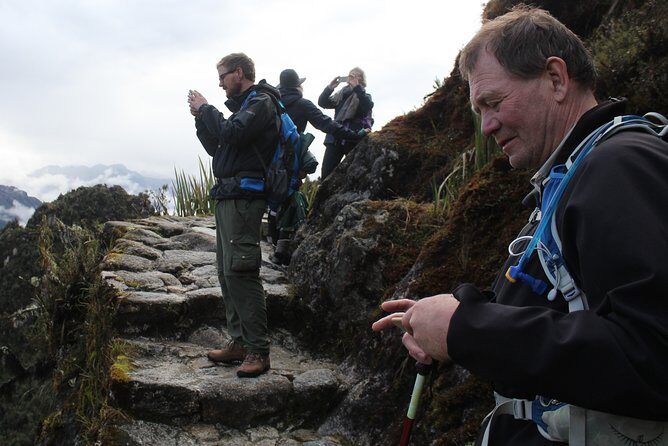
This is listed for travelers with moderate physical fitness. That’s honest, because Day 2 includes a long climb and a high pass, and Day 1 and Day 3 are still active days with uphill segments.
This tour is especially a good fit if you:
- Want a classic 4-day route with multiple Inca ruins stops
- Like having meals and camp handled for you by a team
- Care about arriving at Machu Picchu at opening time for the Sun Gate view
- Appreciate good guide explanations and team support (reviews highlight guide quality and the porter/cook crew)
You might consider another option if you:
- Prefer a less intense day than Dead Woman’s Pass
- Don’t want to sleep in tents for multiple nights
- Don’t want to manage your own sleeping bag and walking stick
One more reality check: the tour is weather dependent. If conditions cause a cancellation due to poor weather, you’ll be offered a different date or a full refund. That’s reassuring, but it also means you’re not fully in control of the final day’s timing.
Should You Book This Classic Inca Trail Expedition?
If you want Machu Picchu with the full dramatic setup—trail days, camp life, ruins along the way, and then sunrise-style payoff at the Sun Gate—this is a strong choice. The combination of tickets + meals + tents + transfers makes it easier to focus on walking and enjoying the experience instead of managing logistics.
Book it if:
- You’re okay with early mornings and a tough pass day
- You want the guided Machu Picchu experience for about 2 hours
- You’re traveling in an English-speaking group (this is offered in English)
- You’re ready to bring a sleeping bag and walking stick
Don’t book it if:
- You’re not comfortable with altitude and steep terrain
- You dislike the idea of multiple nights in tents
- You’re hoping the price covers everything, because tips and key camping items are not included
For the right traveler, this trek hits a very specific sweet spot: classic Inca Trail variety plus a well-timed Machu Picchu arrival, supported by a crew people clearly remember.
FAQ
What time does pickup begin for this Inca Trail trek?
Pickup is scheduled with a start time of 5:00 am, and the tour includes hotel pickup in Cusco.
Where does the trek start?
The trek starts from the trailhead at KM-82, where you’ll go through the first checkpoint.
Do I need my passport at the KM-82 checkpoint?
Yes. At the KM-82 checkpoint, you must show your passport, and it has to match the permits.
Is the tour offered in English?
Yes, the tour is offered in English.
How many people are in the group?
The maximum group size is 15 travelers.
What fitness level do I need?
You should have a moderate physical fitness level.
What meals are included during the trek?
Breakfast, lunch, and dinner are included for three days (3 breakfasts, 3 lunches, and 3 dinners total), plus snacks and happy hour are part of the trek days.
Is lodging included on the trek?
Yes. You get tents for the trek nights, with accommodation described as a tent for 2 people.
Is a sleeping bag included?
No. Camping equipment such as a sleeping bag and a walking stick is not included.
If weather is bad, what happens?
This experience requires good weather. If it’s canceled due to poor weather, you’ll be offered a different date or a full refund.