REVIEW · CUSCO
Ayahuasca Ceremony 1 Day in Cusco
Book on GetYourGuide →Operated by World Explorer Peru · Bookable on GetYourGuide
One night in Peru can feel like a week of meaning. This Cusco-area retreat uses San Pedro Wachuma with a shaman-led ceremony that’s designed to keep your experience calm and grounded, not chaotic.
What I like most is the structured flow: fire opening, an energetic cleansing with black tobacco and flower water, then the medicine and meditation. I also love that the guidance is led by shaman Luis, with a very welcoming, hands-on approach from the team (including his wife). One consideration: this isn’t for everyone, because it’s not just a show or a demo, and the retreat notes it isn’t suitable if you’re pregnant or have pre-existing medical conditions.
In This Review
- Key things I’d underline before you go
- San Pedro in Cusco hills: what this 1-night retreat is really about
- Pickup, Pisac, and the rhythm before the ceremony
- What could feel odd
- The opening ritual: fire, black tobacco, and flower water
- Practical takeaway
- Drinking Wachuma: what “subtle altered states” can feel like
- The emotional focus (and why it’s helpful)
- The shamanic aim: Connect, Heal, Release with ancestral music
- A note on expectations
- How to prep in Cusco: diet, rest, and what to pack
- Diet recommendations before the ceremony
- What to bring
- Who should skip this (and who it fits best)
- Who tends to fit this retreat
- Who might struggle
- Transportation, lodging, and comfort: what’s actually included
- Rustic lodging: what to assume
- Price and value: is $380 fair for this package?
- Practical advice for the ceremony night itself
- Should you book this Cusco Wachuma ceremony?
- FAQ
- How long is the Cusco Wachuma ceremony experience?
- Where does the retreat run, and how do I get there?
- What language is the instruction provided in?
- What medicine is included in the ceremony?
- What should I bring to be comfortable?
- Who is the ceremony not suitable for?
Key things I’d underline before you go
- A ceremony close to Cusco (about 15 minutes away) but set in a remote-feeling spot, so you get nature without long travel.
- Fire + black tobacco + flower water cleansing to start, followed by a short meditation before drinking.
- San Pedro Wachuma effects are described as subtle at first, with altered perception and relaxation that can last 5 to 7 hours until around midnight.
- No loss of consciousness is the goal, and the retreat is framed as keeping you aware while working through a shamanic process.
- Ancestral music with traditional instruments supports the ritual and the sacred-space opening.
- Small group size (limited to 10), which usually makes the night feel more personal and less crowded.
San Pedro in Cusco hills: what this 1-night retreat is really about
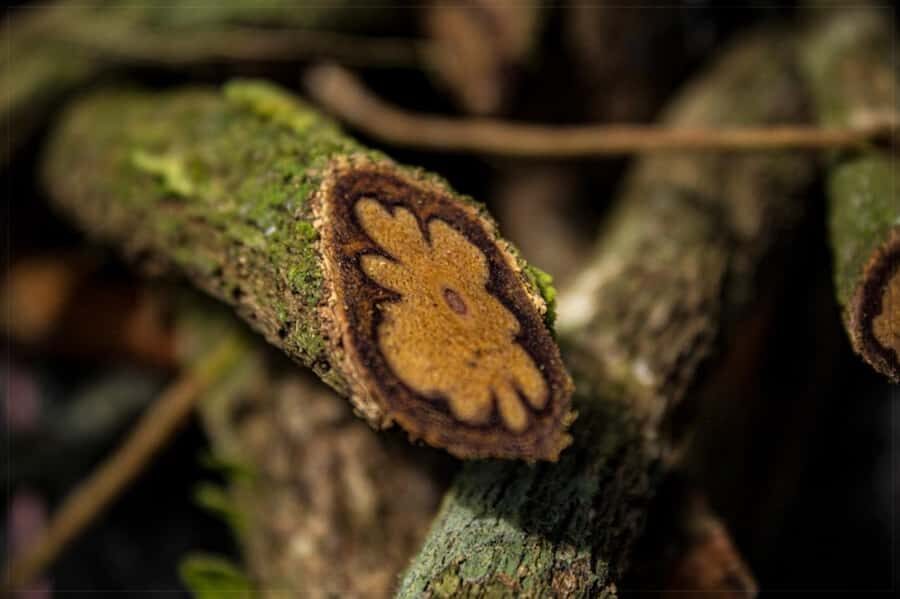
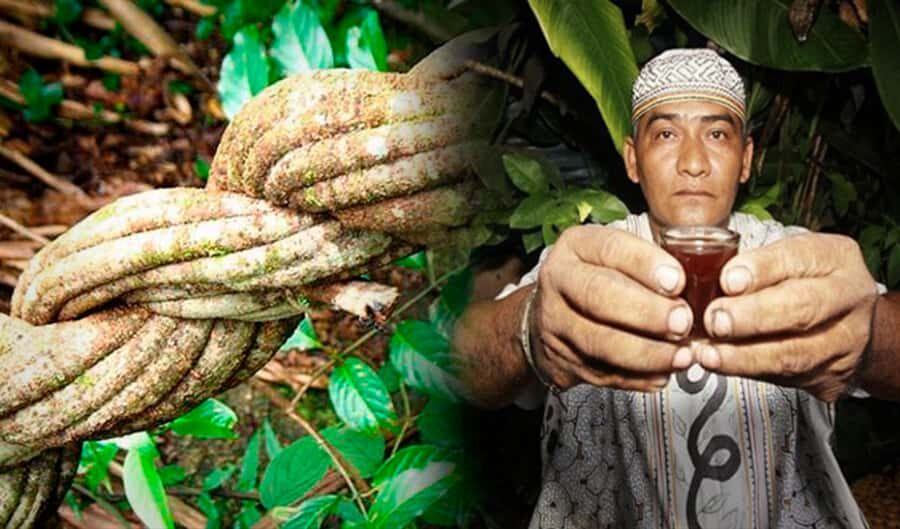
First, the important clarity: this retreat is centered on San Pedro (Wachuma), a cactus medicine traditionally used for spiritual work. The program also describes it as related to mescaline, and it’s approached as a healing ceremony—not a party, not a thrill.
In practice, the retreat is built around three intentions you’ll hear named directly: Connect, Heal, Release. That shows up in the way the night is paced. You start with cleansing and preparation. Then you drink and settle into a guided meditation that blends with the setting. After that, the ceremony aims to help you soften emotional and physical tension and let go of energy “charges” that may have built up in your body.
If you’re looking for something deeply structured, this works. If you’re hoping for an easy, casual evening, you’ll want a different kind of Cusco night.
You can also read our reviews of more tours and experiences in Cusco
Pickup, Pisac, and the rhythm before the ceremony
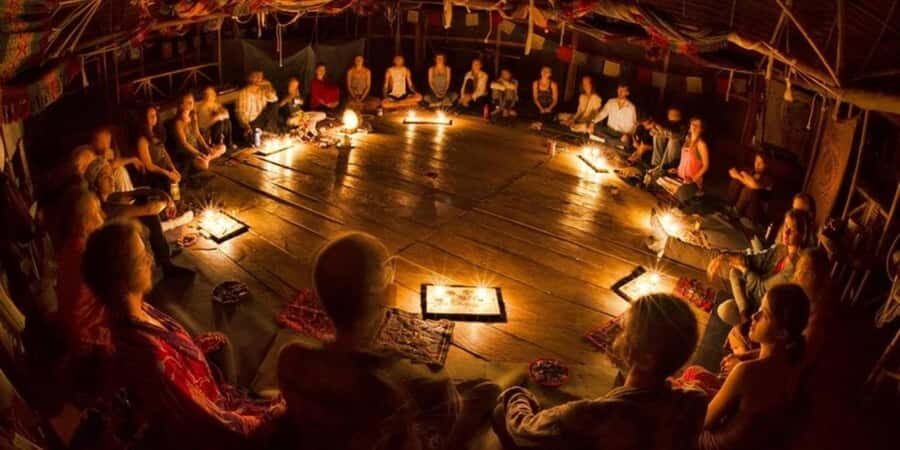
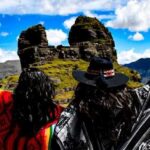
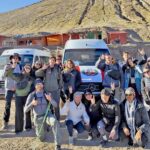
The day is designed to take you out of central Cusco and into the Pisac area, with private round-trip transportation included. You’ll be picked up from a menu of Cusco locations (including major hubs like Plaza de Armas and the airport area), then transferred toward the ceremony setting.
Before the cactus work, there’s time for grounding. The itinerary includes a Pisac guided walk and a tea ceremony, plus rustic lodging for one night and a sunrise moment afterward. This matters because San Pedro (and cactus medicines generally) tends to work best when you’re not rushing. You’re meant to arrive calmer, with fewer distractions and less decision fatigue.
Also pay attention to the “temperature and sleep” reality here. Cusco-area nights can feel cold, and the program expects you to be comfortable in rustic conditions. That’s why you’ll see a big emphasis in the packing list on warm layers and bedding.
What could feel odd
The total schedule is listed as 7 hours, but you’re also included for one night of rustic lodging. So don’t treat it like a quick evening activity that ends cleanly in one block. Plan for the full rhythm: ceremony night first, then the next-morning decompression.
The opening ritual: fire, black tobacco, and flower water
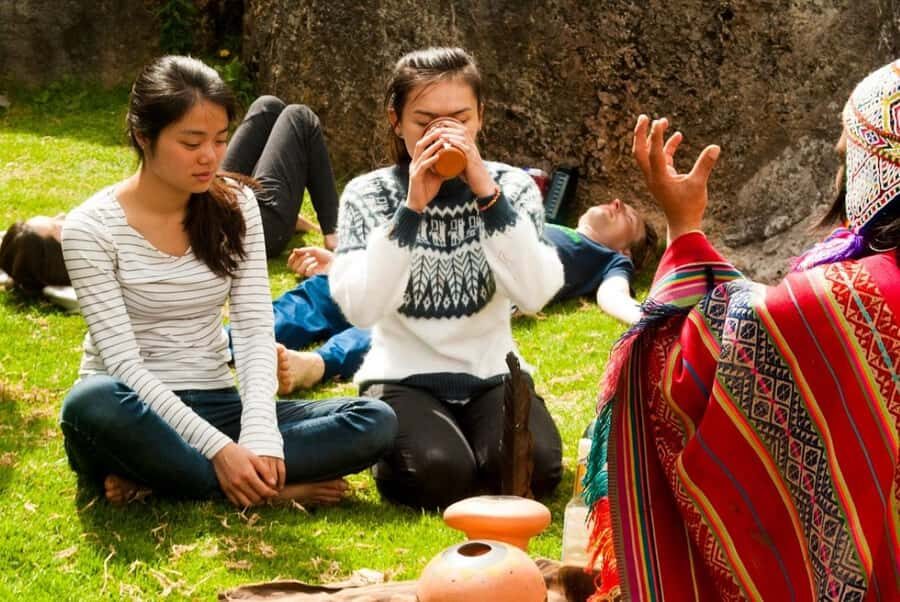
The ceremony starts with a very physical opening. You’ll be there for the lighting of the fire, which sets the tone right away. Then comes the cleansing sequence:
- Energetic cleansing using black tobacco
- Flower water used to relax your senses
The effect of this stage is hard to measure from the outside, but the intention is clear: before you drink anything, you’re told to reset. This part is also where the team creates a sense of order and safety. In a ceremony like this, that matters as much as the medicine.
And it’s not just a single moment. You’re guided into a small meditation after the cleansing. This is the “bridge” between normal mind-state and the shamanic space you’re about to enter.
Practical takeaway
If you’re anxious, don’t wait for the medicine to calm you. Lean into this opening. Let the fire ritual and cleansing do their job. Even if you think you’ll be fine later, you’ll likely appreciate the structure now.
Drinking Wachuma: what “subtle altered states” can feel like
About an hour after preparation, you take Wachuma. The retreat describes the onset as arriving in a way that can be subtle rather than overwhelming. You’re told you’ll experience altered states, but not in a way that involves losing consciousness.
The program frames the process like this:
- Your perception of the air and the environment may shift slightly
- You feel a “merger” with the shamanic ancestral process as the sacred space opens
- You stay in a guided, held atmosphere supported by nature, fire, and ancestral music
The expected duration of effects is 5 to 7 hours, with the ceremony’s active window lasting until around midnight.
One of the more useful parts of the description is the emphasis on staying aware. That doesn’t mean it will be easy. It means the guidance is meant to keep you functional enough to participate in meditation and integration.
The emotional focus (and why it’s helpful)
The retreat notes the medicine is felt mostly in the physical-emotional body. Translation: you might not chase big visuals the whole time. Instead, you may notice emotions shifting, tension releasing, or your body relaxing in ways that feel honest and plain.
This can be a good fit if you want healing work more than spectacle.
The shamanic aim: Connect, Heal, Release with ancestral music
Once the medicine is working, the ceremony turns toward the heart of why it exists. The team “ritualizes by opening the sacred space” and shares a guided meditation that blends with the atmosphere—especially fire and ancestral music played with traditional instruments.
The retreat’s language emphasizes energetic work with the four elements of nature. Whether you interpret that spiritually, symbolically, or energetically, the practical benefit is the same: it gives your mind a track to follow. Instead of getting lost in random thoughts, you’re pointed back to a process that’s meant to help you:
- release accumulated energy charges
- reach a feeling of inner peace
- experience integration and unification with the setting
The ceremony also describes the meditation induced by Wachuma as spontaneous and natural, merging with the nature of the place and the shamanic process. In plain terms, you don’t just sit there hoping something happens. You’re supported while still given space to experience things in your own way.
A note on expectations
If you’re used to meditation retreats that feel quiet and wordless, this may feel different—because it includes ritual elements like cleansing, fire, and music. But it’s still described as a resting, relaxing process that encourages harmony rather than intensity for intensity’s sake.
How to prep in Cusco: diet, rest, and what to pack
This is the part that can make or break your experience. The retreat is very direct about preparation:
Diet recommendations before the ceremony
You should do a diet at least 1 day before (and 3 days for better reception is advised). That means, in general terms:
- avoid eating meat of any kind
- if possible, avoid eating dinner the night before
- eat fruit and drink plenty of water
- choose tea or hot tea without sugar
- avoid alcohol and other substances
- rest the day before and avoid movements that create physical fatigue
Then you’ll be able to eat food after the ceremony—fruit and water are recommended before returning to lodging.
Even if you’re not sure you believe the mechanism, this prep usually improves comfort. Less heavy food tends to mean less nausea, less digestive disruption, and a calmer body.
What to bring
Bring warm clothing and plan for rustic conditions. The list includes:
- warm clothing and comfortable clothes
- change of clothes
- gloves
- sleeping bag
- socks and a scarf
- a daypack
- camera
- cash
- water
One more practical detail: water is not included, so you’ll want to bring it.
Who should skip this (and who it fits best)
This ceremony comes with clear limits. It’s listed as not suitable for:
- children under 9
- pregnant women
- people with pre-existing medical conditions
Also, the program is explicit about behavior rules, including no intoxication, no alcohol or drugs, and no smoking inside the vehicle (and none in general where prohibited). That’s not about being moral police. It’s about protecting the integrity of your mind/body state and reducing risk.
Who tends to fit this retreat
You’ll likely enjoy this more if you:
- want a guided, ritual-based experience rather than a DIY spiritual weekend
- value structure (cleansing, meditation, music, timing)
- prefer healing work focused on the body and emotions over constant stimulation
Who might struggle
If you need total predictability and no sensory discomfort, keep in mind the medicine work is designed to alter perception and can be emotionally potent.
Transportation, lodging, and comfort: what’s actually included
The value here isn’t just the “medicine moment.” The retreat includes a lot of scaffolding that would cost time and hassle elsewhere:
- private transportation round trip between Cusco and Pisac
- the SAN PEDRO WACHUMA ceremony
- the medicine itself
- 1 night of rustic lodging
- natural breakfast
- energetic cleansing connected to earth, fire, air, and water
- ancestral music
- meditation
Things not included include things you shouldn’t ignore: water, travel insurance, and personal equipment.
Rustic lodging: what to assume
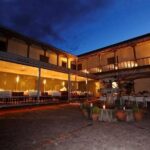
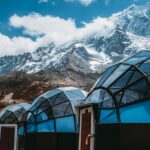
Because lodging is described as rustic (and the packing list includes a sleeping bag), expect simpler conditions than a hotel. If you’re coming from the city expecting hot showers and plush beds, plan to adjust. The experience is designed around nature and ritual space, not luxury.
Price and value: is $380 fair for this package?
The cost is listed at $380 per group. At the same time, the retreat is described as small group limited to 10 participants. So you’re generally paying for a guided package that includes transportation, ceremony leadership, medicine, cleansing work, lodging, and breakfast.
In other words, you’re not just paying for the main event. You’re paying for:
- the logistics (Cusco to Pisac)
- the preparation and guidance
- the ritual environment (fire, music, meditation)
- the time span (an evening ceremony plus the included overnight and morning element)
If you were to piece those services together on your own, it’s rarely as smooth. That said, the medicine experience is the main driver of cost, and it’s not for everyone. If you’re uncertain about your fit (medical limits, pregnancy, etc.), don’t treat this as something you should “test.” It’s an intentional healing retreat.
Practical advice for the ceremony night itself
A few common-sense moves based directly on the program details:
- Arrive warm and comfortable. Bring warm layers, gloves, socks, and your scarf.
- Follow the diet prep seriously. It’s explicitly recommended for better digestion and a better personal experience.
- Plan your post-ceremony food. Fruit and water are recommended before you head back to lodging.
- Don’t treat the night like a photo-op. You can bring a camera, but the experience is structured around ritual and meditation.
- Keep expectations grounded. The retreat says consciousness isn’t lost and the effects last to around midnight. Aim for relaxation and integration, not forcing visuals.
And one more thing: the team’s overall vibe in reviews is about trust and ease. People mention getting picked up, feeling secure right away, and being supported with kindness. That’s what you want from the first hour—less stress so your mind can cooperate with the process.
Should you book this Cusco Wachuma ceremony?
If you want a serious, shaman-led healing experience that’s structured around connect, heal, release, this retreat is a strong match. The strongest signals in the details are the fire-based cleansing, the guided meditation, the ancestral music, and the aim to keep the experience relaxing rather than chaotic.
I’d book if:
- you can follow the pre-ceremony diet and rest plan
- you’re comfortable with rustic lodging and cold nights
- you’re seeking healing work with a spiritual framework (not a casual wellness event)
I wouldn’t book if:
- you’re pregnant, under 9, or have pre-existing medical conditions
- you want a totally predictable, non-altered state experience
- you’re not willing to do the prep diet
If you’re on the fence, the deciding factor should be fit and safety, not curiosity.
FAQ
How long is the Cusco Wachuma ceremony experience?
The duration is listed as 7 hours.
Where does the retreat run, and how do I get there?
You’ll be picked up from multiple Cusco locations and transferred by private transportation to the Pisac area. Round-trip transportation is included, and there are multiple drop-off locations in Cusco.
What language is the instruction provided in?
The instructor team provides English and Spanish.
What medicine is included in the ceremony?
The included medicine is SAN PEDRO WACHUMA.
What should I bring to be comfortable?
Bring warm clothing, comfortable clothes, a change of clothes, gloves, socks, a scarf, a sleeping bag, a daypack, cash, a camera, and water.
Who is the ceremony not suitable for?
It is not suitable for children under 9, pregnant women, and people with pre-existing medical conditions.