REVIEW · CUSCO
1 Day Classic Sacred Valley Tour With Buffet Lunch
Book on Viator →Operated by Happy Gringo Tours · Bookable on Viator
Sacred Valley feels like a fast Inca lesson. You get round-trip transfers from your Cusco hotel plus an English-speaking guide you can ask questions to all day, so you’re not piecing it together on your own. One watch-out: the schedule can feel a bit rushed, especially when timing has to fit other plans.
I especially like that the group is capped at nine people. That size usually means you’ll get more personal guidance, more chances to ask about what you’re seeing, and more flexibility when someone needs a quick photo moment.
In This Review
- The big picture before you go
- What you’ll actually spend: $55 plus entrances
- Key points that matter
- A 10-hour Sacred Valley sampler from Cusco
- Price and logistics: where the $55 really goes
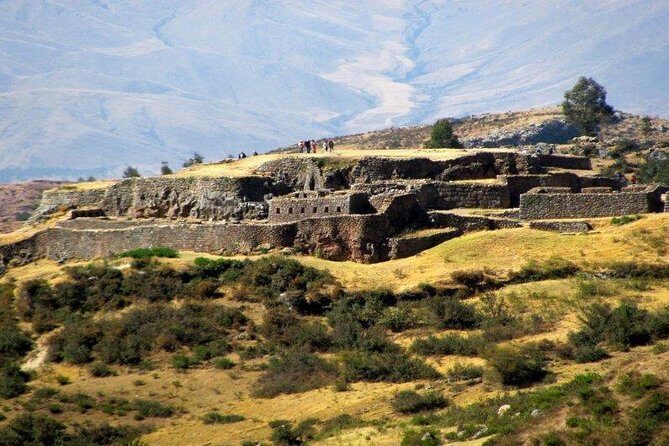
- Pisac in the morning: market energy and Inca ruins
- Urubamba buffet lunch: a real break, not just a stop
- Ollantaytambo ruins after lunch: where the day turns real
- Chinchero: colonial church meets Inca terraces
- Guides can make or break the day (and the good news)
- Pacing and “sales” stops: how to keep control of your time
- Practical tips that save energy (and reduce stress)
- Who should book this 1-day Sacred Valley tour?
- Should you book it?
- FAQ
- What’s included in the 1 Day Classic Sacred Valley Tour?
- How long is the tour?
- What time does the tour start?
- Are entrance fees included?
- Is the guide available for questions during the tour?
- What are the main stops during the day?
- How big is the group?
- What’s the cancellation policy?
- Is confirmation provided at booking?
The big picture before you go

This is a classic one-day sampler of the Sacred Valley: Pisac in the morning (ruins plus an Andean market stop), a buffet lunch in Urubamba, then more major sights after lunch—Ollantaytambo ruins, Chinchero’s colonial church, and the Inca terraces—before heading back to Cusco late afternoon.
What you’ll actually spend: $55 plus entrances
The headline price is $55 per person for about 10 hours of transport, a professional English-speaking guide, and a buffet lunch. You’ll still want to budget for site entrances, which are not included: PEN 70 (about $18) for Inca sites, and there’s also a 20 soles Salt Mines entrance listed as an additional fee.
That’s normal for Peru day tours in this area. The real value question is whether you want someone to line up the logistics and keep the day moving so you can see multiple Inca sites without renting a car or figuring out timing between stops.
You can also read our reviews of more tours and experiences in Cusco

Key points that matter
- Small group cap (9 people): easier Q&A and less waiting around than big-bus days.
- Hotel-to-hotel round-trip transport: no rental car, no navigation stress.
- Morning Pisac + lunch in Urubamba: a logical flow that reduces backtracking.
- After-lunch focus on top ruins: Ollantaytambo plus Chinchero’s mix of colonial and Inca structures.
- Buffet lunch included: you’re not gambling on finding food between sites.
- Entrance fees are extra: plan cash for PEN 70 and possible 20 soles for Salt Mines.
A 10-hour Sacred Valley sampler from Cusco

Expect an early start. The tour lists a start time of 6:30 am, and pickup from your hotel happens in a window between 7:30 am and 8:00 am. In other words, you should plan on being up and moving very early, then spending most of the day in a car with scheduled stops.
The best part of the schedule is what it avoids. Instead of you trying to stitch together separate tickets and timing between Cusco and several valley sites, the tour handles transport and sequencing. That matters in the Sacred Valley, where distances and road conditions can turn a “simple day” into a half day—or a stressful one.
You’ll also spend most of your time with an English-speaking guide on hand. The format is built for questions, not just narration from the roadside. In practice, that’s what helps you connect what you’re seeing (terraces, temples, town layouts) to how people lived there and how the site functions visually.
Price and logistics: where the $55 really goes
For $55, you’re paying for three big things: round-trip transportation, an English-speaking guide, and buffet lunch. If you were to DIY this route, you’d likely spend time figuring out transportation and timing, plus you’d still need entrance tickets for the same main stops.
Then you hit the add-ons: Inca site entrances at PEN 70 (about $18) per person, plus a Salt Mines fee of 20 soles listed as another entrance cost. Whether you’ll see the Salt Mines on your exact day isn’t spelled out in the stops, so don’t assume it’s included. The safe move is to carry extra cash just in case your schedule includes another paid add-on.
Also note the typical “tour reality” cost not listed in the base price: tips. Guides work hard on these long days, and small-group tours live or die by how well the guide manages pace, explanations, and transitions.
Pisac in the morning: market energy and Inca ruins
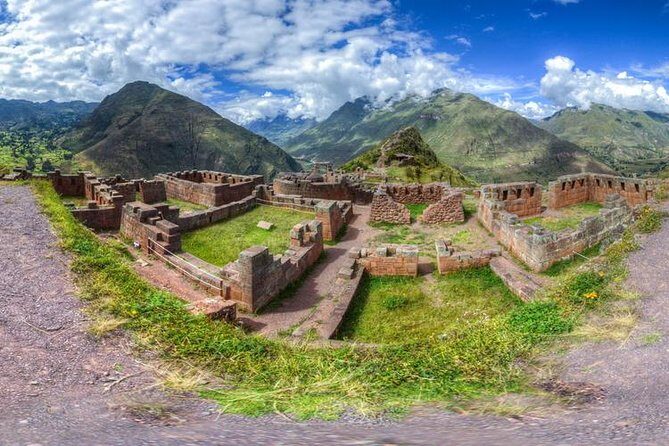
Morning on this route centers on Pisac—both the Inca ruins and the Andean market stop. The order is useful. You’ll visit key sights before lunch, when you’re freshest and the light often behaves well for photos.
Pisac has a “two-part” feel. First, there are the ruins and the way the site is laid out around the terrain. Second, there’s the market stop, which gives you a window into present-day valley life. Even if you’re not shopping, the market stop helps you place the valley historically and culturally. It turns the Sacred Valley from a list of ruins into a living region.
A practical caution: market areas can tempt you into spending extra time on purchases. If you want more ruins time, keep an eye on the guide’s timing and don’t lose the thread. If you’re a slow walker or you like to stop often for photos, that doesn’t ruin the day—but you might need to move a bit faster between steps to stay on schedule.
You can also read our reviews of more tours and experiences in Cusco


Urubamba buffet lunch: a real break, not just a stop
Lunch happens in Urubamba, and it’s included as a buffet with a variety of Peruvian foods. On a day like this, lunch isn’t just about eating—it’s your pacing reset. It’s when you can catch your breath, hydrate, and plan your energy for the post-lunch stretch.
Because the tour continues immediately after lunch, I recommend treating lunch as a two-phase break: eat early enough that you’re not rushing later, then use the remaining time to check how you feel physically. The drive back half of the day includes ruins where you’ll be walking uneven surfaces and stopping for photos.
If you’re sensitive to cold after sitting in vehicles, bring a light layer. Car AC and shade at ruins can make the temperature feel different, fast.
Ollantaytambo ruins after lunch: where the day turns real

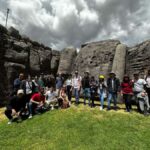
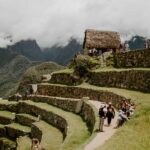
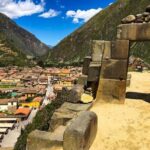
After lunch, you head to Ollantaytambo ruins, one of the most dramatic stops on the route. This is the moment when you’ll start noticing how Inca site design supports everyday movement—how people navigated, controlled space, and arranged structures across slopes.
Ollantaytambo also has a “photo gravity” effect. People tend to cluster in certain viewpoints, and a good guide helps you find angles and keeps you from spending 15 minutes trying to get the perfect shot while the group is waiting.
This is one of the main places where pace matters. Some groups have expressed that timing can tighten. If your day feels a little rushed after lunch, it’s usually because the itinerary has a lot packed in, not because the valley ruins are short on things to see.
Chinchero: colonial church meets Inca terraces
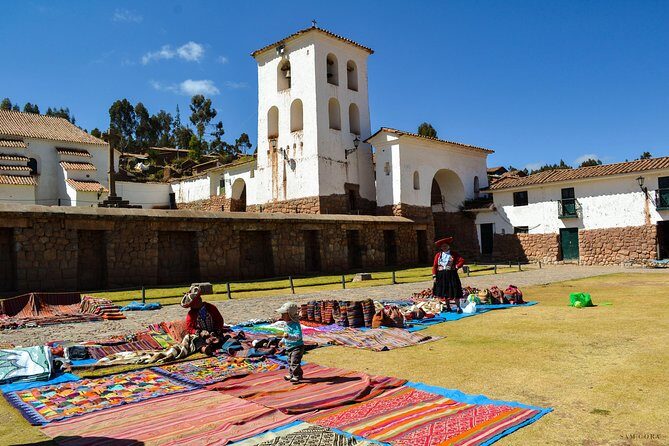
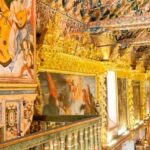
Next up is Chinchero, including the colonial church and the Inca terraces. This stop is valuable because it shows the overlap of time periods in one place. You’re not only looking at Inca stonework; you’re also seeing how colonial influence shaped the area after the Inca era.
The terraces are a big part of why Chinchero is more than a quick photo stop. Terraces are about agriculture and water management, not just aesthetics. When you’re guided through them, you start to see why they were engineered the way they were—slopes that could be farmed, and areas organized to make daily life sustainable.
Drawback to consider: terraces and church sites tend to involve stairs and uneven paths. If you have mobility issues, you’ll want to plan for shorter walks and a slower tempo. The good news is the group size is capped at nine, which can make it easier for a guide to slow down for you when needed.
Guides can make or break the day (and the good news)
The tour experience hinges heavily on the guide. One piece of feedback that’s easy to value: a guide named Juanita was praised for switching between Spanish and English while explaining things with real enthusiasm. That kind of bilingual explanation helps if your Spanish is rusty but you want context, and it also helps you stay engaged instead of just hearing facts.
On the other hand, not every day will run exactly the same. Some feedback describes guides who seemed hurried, didn’t pause much for photos, and weren’t as responsive to questions. The company response to that kind of comment signals they take it seriously and work with staff to correct issues (including specific follow-up mentioned for a guide named Wilfredo).
So what should you do with this information? Two things:
- If you care about photos and questions, arrive with a few real questions written in your notes. That makes it easier to ask quickly when there’s a moment.
- Don’t schedule something tight right after your tour. If you end up with a faster day, you’ll still be on the safe side. If you end up with a slower or more rushed-feeling day, you won’t be stressed.
Pacing and “sales” stops: how to keep control of your time
You may encounter a few stops that feel more commercial than purely sightseeing. One piece of feedback specifically mentioned that the tour had some sales-like stops and suggested reducing them. Even when these stops are brief, they can affect your perception of pace.
Here’s how to handle it without making it a problem:
- Decide in advance how you want to spend your photo breaks.
- If a stop feels like it’s pulling you away from ruins, treat it as a stretch-and-water moment rather than a time sink.
- Keep an eye on the time the guide announces for moving to the next site.
The good structure of this tour is that it still hits multiple major ruins and keeps you moving efficiently. The challenge is whether your day is managed with a balance between education, viewing time, and shorter commercial stops.
Practical tips that save energy (and reduce stress)
These are the small things that make a one-day Sacred Valley tour feel smooth:
Start early on purpose. With the early start time and morning drive, you don’t want to debate breakfast or toiletries the night before.
Bring cash for entrances. Inca sites are listed at PEN 70 per person, and there’s a possible 20 soles entrance fee related to Salt Mines. Having cash ready keeps the day moving.
Wear shoes that handle uneven ground. Ruins and terraces aren’t flat. You’ll be walking and stopping often, and slipping kills the vibe fast.
Layer up. Even in daylight, mornings and shaded stone can be cool.
Hydrate before lunch. The buffet is included, but your energy doesn’t last on water alone. Bring a bottle and sip regularly.
Ask questions while walking between spots. This tour format supports questions, and you’ll get more value if you ask when you’re near the subject, not after you’ve moved away.
Who should book this 1-day Sacred Valley tour?
This tour fits best if you want the Sacred Valley highlights in one controlled day, without the overhead of planning transport on your own. It’s also a good choice if you value an English-speaking guide who can explain what you’re looking at and answer questions throughout.
It may not be the right fit if you:
- Hate group pacing and want a long, unhurried exploration.
- Are very sensitive to changes in schedule caused by shared transport timing.
- Need a deeply flexible itinerary with no commercial stops.
The tour’s small size helps, but it’s still a structured day with multiple sites packed in. If you’re the type who wants to linger at one ruin for an hour, you’ll feel the pressure unless your guide manages time well.
Should you book it?
I’d book this tour if you want a straightforward, guide-led Sacred Valley day with round-trip transport and a buffet lunch, and you’re happy to trade a little slowness for seeing more sites in less time.
I’d think twice if your top priority is zero-rush exploration. Because this day stacks several major sights, your experience will depend on how smoothly your guide manages timing and how the day overlaps with other schedules. The small group size helps, but it doesn’t change the fact that the plan is packed.
If you do book, do it prepared: budget entrances (PEN 70 plus possible 20 soles), bring cash, wear sturdy shoes, and keep a few questions ready for the guide.
FAQ
What’s included in the 1 Day Classic Sacred Valley Tour?
It includes round-trip tourist transportation, professional English-speaking tour guides, and a buffet lunch in the Sacred Valley. Pickup from your hotel is offered between 07:30 am and 08:00 am.
How long is the tour?
The tour is about 10 hours (approx.).
What time does the tour start?
The experience lists a start time of 6:30 am, and hotel pickup is between 7:30 am and 8:00 am. Check your confirmation for the exact pickup time.
Are entrance fees included?
No. Entrance fees are not included. The Inca sites entrance fee is listed as PEN 70 per person (about $18). There is also a Salt Mines entrance fee listed at 20 soles.
Is the guide available for questions during the tour?
Yes. You can ask questions at any time during the tour with an English-speaking guide on hand.
What are the main stops during the day?
The itinerary includes Pisac in the morning (Inca ruins and an Andean market stop), lunch in Urubamba, then Ollantaytambo ruins, Chinchero’s colonial church, and the Inca terraces, before returning to Cusco late in the afternoon.
How big is the group?
The maximum group size is 9 travelers.
What’s the cancellation policy?
You can cancel for a full refund if you do so at least 24 hours before the experience start time. It also notes free cancellation up to 24 hours in advance and that poor weather can result in a different date or a full refund.
Is confirmation provided at booking?
Yes. Confirmation is received at the time of booking.