REVIEW · CUSCO
7-Day: Cusco – MachuPichu, Rainbow Mountain-Q’eswachaca-Humantay
Book on Viator →Operated by Chullos Travel Peru · Bookable on Viator
Machu Picchu feels like a movie set. This 7-day Peru trip strings together Inca sites, a Sacred Valley train ride, and high-altitude treks, with most logistics handled for you: pickups, guides, and key tickets. I especially liked how the schedule keeps you on track while still giving you small windows to breathe.
Two things I love: the built-in hotel pickup plus guided city touring on Day 1, and the fact that you get expert human help across multiple stops, including guide Pablo on the Humantay Lake hike and coordinator Yamile who stayed available when questions popped up. One consideration: this is not a casual stroll. Days start early, altitudes are serious, and you should be ready for hiking time at 4,250+ meters and beyond.
In This Review
- Key Highlights Worth Booking For
- A Practical Take on the Value: What You Pay For at $769.50
- Day 1 in Cusco: Plaza de Armas to Koricancha to the Fortresses
- Day 2 Sacred Valley: Pisac, Urubamba Lunch, Ollantaytambo, Then the Train
- Day 3 Machu Picchu: Early Bus, Circuits, and the Ticket Reality
- Day 4 Rainbow Mountain (Vinicunca): 4:00 am Pickup and the Cusipata Pattern
- Day 5 Humantay Lake: Mollepata Breakfast, 4,250 m Air, and Smart Pacing
- Day 6 Q’eswachaka: Four Lagoons, Pabellones Volcano, and the Rope Bridge on the Apurímac
- Day 7 Back in Cusco: Plaza de Armas and an Optional Pisco Sour Day
- Hotels and Comfort: Good Location, 3-Star Reality
- Who This Trip Fits Best (And Who Should Skip It)
- Should You Book This Tour?
- FAQ
- Is Machu Picchu admission included?
- What’s included for hotel stays during the trip?
- What’s the group size?
- How early do the Rainbow Mountain and Humantay Lake days start?
- Is oxygen or altitude support included?
- Is cancellation free?
Key Highlights Worth Booking For
- Small group size (max 15) means less waiting around and more attention from your guide
- City tour coverage in Cusco hits Koricancha, Sacsayhuaman, Qenqo, PucaPucara, and Tambomachay in one go
- Sacred Valley train to Aguas Calientes saves you stress and puts Machu Picchu in reach fast
- Real altitude tools like oxygen and walking sticks are included for treks
- Q’eswachaka rope bridge crossing and the annual community maintenance story add meaning, not just photos
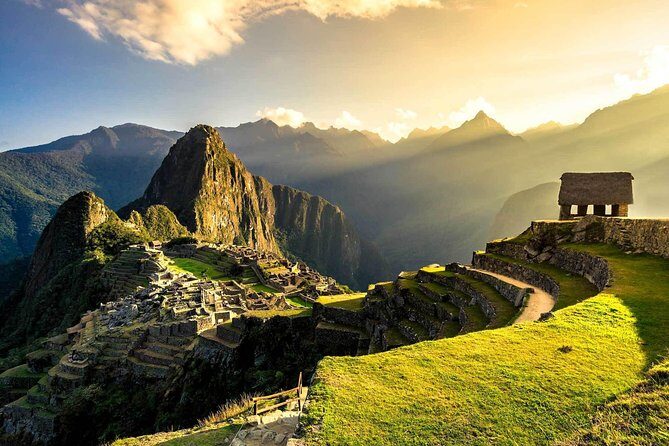
- Machu Picchu tickets handled by the operator are subject to availability, with circuits 1 and 2
A Practical Take on the Value: What You Pay For at $769.50
The price listed, $769.50 per person, is mainly paying for your time savings. You’re not just buying sightseeing. You’re buying a packed plan that includes transportation, guides, and hotels for multiple nights (Cusco and Aguas Calientes). That matters, because in this part of Peru, the hardest part isn’t finding a place to visit. It’s stitching together timing, tickets, buses, trains, and transfers without losing half a day.
That said, read the fine print on Machu Picchu. The tour includes the on-site Machu Picchu guiding and the bus round trip from Aguas Calientes, but Machu Picchu entry tickets are not included and depend on availability for circuits 1 and 2. If no tickets are available, you receive a full refund for the tour package. Translation: your planning is mostly done, but your final Machu Picchu access still hinges on ticket supply.
If you like clear structure—fixed pickup times, guided stops, and someone else handling the moving parts—this is the kind of itinerary that fits. If you’re the type who wants to wander on your own with minimal early alarms, you’ll feel the pace.
You can also read our reviews of more tours and experiences in Cusco
Day 1 in Cusco: Plaza de Armas to Koricancha to the Fortresses
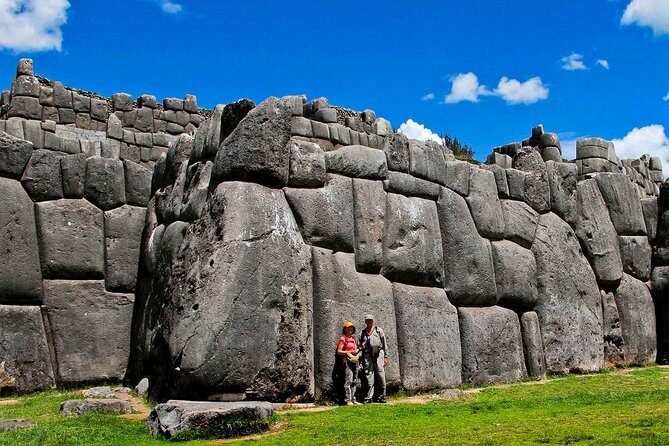
You land, you get picked up, and you’re set up with a Cusco hotel. The trip gives you a free morning to rest and acclimatize, which is smart because Cusco altitude can hit you fast. Then at 2:00 pm, you start a city tour that covers the core Inca-era landmarks around town.
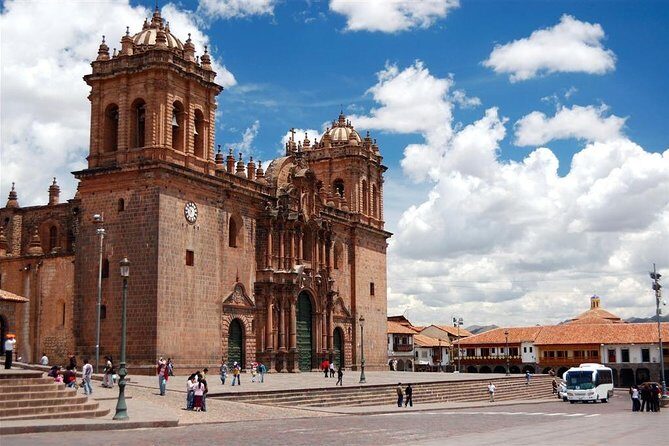
Koricancha (Temple of the Sun) is your first guided stop. It’s one of those places where you can feel the power shift: Inca sacred space layered with later structures. Then the itinerary moves to Sacsayhuaman, a major Inca fortress site whose name is often explained through Quechua roots tied to falcons. Expect big stone work and sweeping views over Cusco.
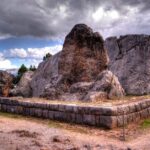
After that come Qenqo and PucaPucara. Qenqo is described as a ritual center on a rocky outcrop—so you’re not just walking flat paths. You’re entering a stone setting that feels intentional and slightly otherworldly. PucaPucara means Red Fortress, and the name matches the vibe: it reads as a military construction rather than a ceremonial showpiece.
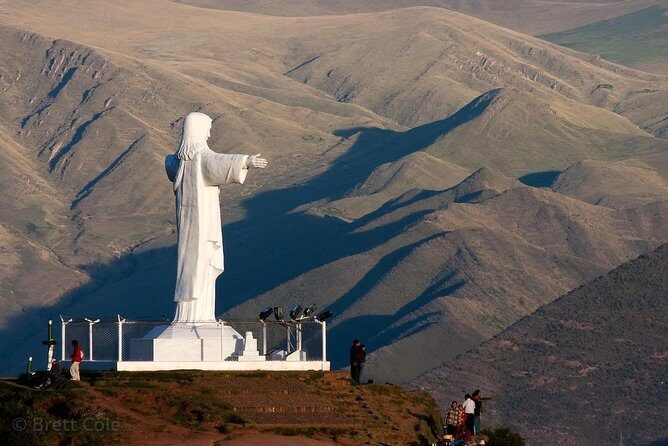
Finally, you wrap at Tambomachay, known as the Inca Bath and tied to water cult practice. It’s a good way to end: by reminding you that in the Inca worldview, engineering and ritual often walked together.
Practical thought: this day is called a city tour, but it’s still hours on your feet and it’s built after an afternoon start. Wear good shoes and keep your water handy. If you’re prone to altitude headaches, take it easy during the free morning.
Day 2 Sacred Valley: Pisac, Urubamba Lunch, Ollantaytambo, Then the Train
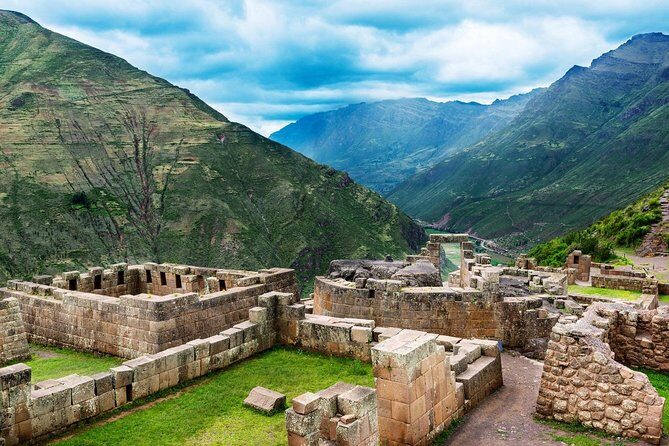
Sacred Valley is where the trip turns from sightseeing into a story arc. You leave Cusco at 8:00 am, ride about 1.5 hours, and arrive at Pisac for a guided visit of about an hour. Pisac is visually strong and historically central. The guide’s job here is to tie the ruins to everyday life: where people lived, worked, farmed, and controlled movement through valleys.
Next you head toward Urubamba, often described as the capital of the Sacred Valley. You get a buffet lunch with typical Andean food. This matters more than you think. Eating a proper meal on schedule helps you avoid the snack scramble later, especially when the day includes long transfers.
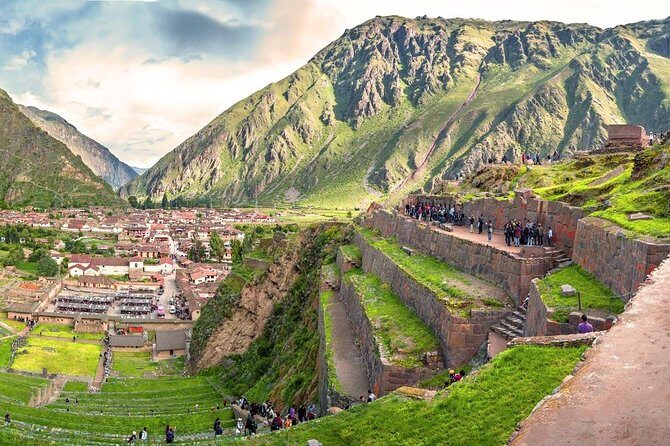
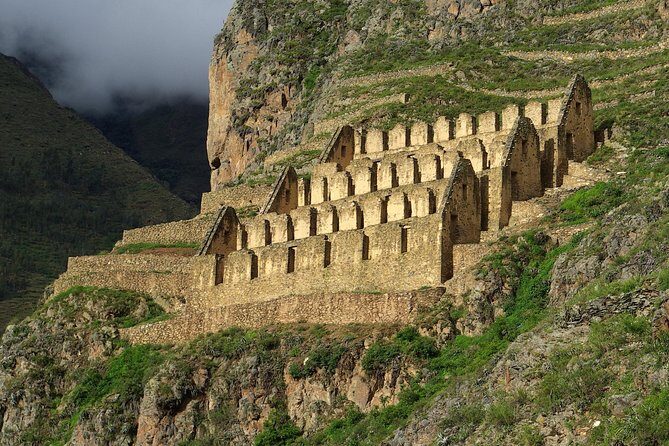
Then you continue to Ollantaytambo for another guided hour. This stop is built around the famous features: the Temple of the Sun, the Intihuatana, and the Princess Baths, plus the surrounding terraces. Even if you’ve seen photos before, terraces on the Inca scale can make you slow down.
Then comes the pivot that makes the itinerary efficient: you go to the station and take the train to Aguas Calientes for the night. You’re not burning daylight negotiating transport. You’re moving into position for Machu Picchu early the next day.
Pro tip: pack a small day bag for Day 3—snacks, water, and a warm layer. Aguas Calientes mornings can feel chilly, and Machu Picchu is best visited with comfort as a priority.
Day 3 Machu Picchu: Early Bus, Circuits, and the Ticket Reality
Day 3 starts early so you can get to the ruins by bus. The duration of your guided tour depends on the Machu Picchu entry type you receive. After the guided time, you return to Aguas Calientes for lunch and get free time before heading back to Cusco.
Here’s the key logistics point you should know ahead of time: Machu Picchu tickets are subject to availability. The operator purchases tickets according to available circuits, corresponding to circuits 1 and 2. Other circuit options may be offered with an added charge for ticket price differences. If no Machu Picchu tickets of any type are available, you get a full refund of your tour package.
This can sound stressful, but it’s actually a normal part of Machu Picchu planning. The best move is to treat it as a known variable: keep your trip flexible if you can, and double-check what your total costs include before you commit to flights.
On the plus side, you do get a professional guide on site and bus round trip from Aguas Calientes to the ruins. That’s a big deal. Machu Picchu is managed to the minute; having someone who knows how to work the flow helps you spend time at the viewpoints rather than figuring out the system.
If you care about photos: you’ll want layers you can peel off. You’ll likely move between cooler early hours and sun-baked spots during the day.
Day 4 Rainbow Mountain (Vinicunca): 4:00 am Pickup and the Cusipata Pattern
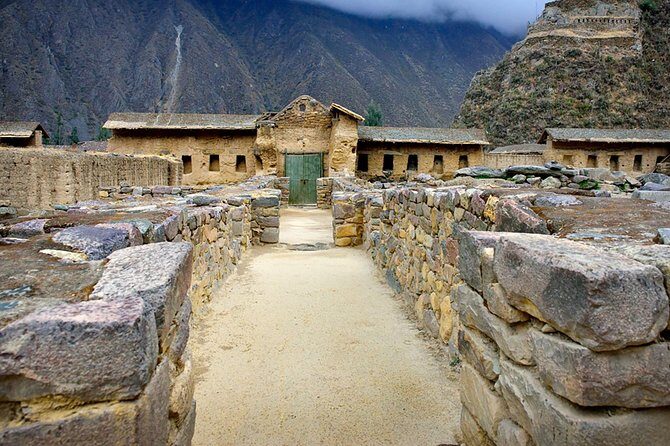
Rainbow Mountain is one of those hikes that turns strangers into believers. The day begins at 4:00 am with a hotel pickup. You head toward the Cusipata district and arrive around 6:30 am for a breakfast buffet. Then you continue toward the Cusipata and Wasipata areas and start the hike portion near 8:00 am.
The trek is about 1 hour and 30 minutes one way to the Mountain of Colors (Winicunca). You get roughly 40 minutes of visit time at the viewpoint area, then return. The return portion is around 1 hour and 15 minutes back to the mobility.
The day finishes with lunch back in Cusipata around 1:00 pm, then return to Cusco around 5:30 pm.
Two practical things to know:
- This is a high-effort morning. Even if you’re moving at a moderate pace, the altitude and the uphill walking make it feel longer.
- Cold mornings are common. Bring a warm layer you can also tolerate when you start moving.
You may also find that some groups use horses for part of the climb if the local operation offers it. If that matters to you, ask your guide early so you can plan what you want to do—not after your body is already cooked.






Day 5 Humantay Lake: Mollepata Breakfast, 4,250 m Air, and Smart Pacing
Humantay Lake is quieter in feel than Rainbow Mountain, but it still hits hard. You start at 4:00 am pickup, travel to Mollepata, and eat breakfast there. Then you head toward Soraypampa, where your walking begins.
The hike to Humantay Lagoon takes about 1 hour and 30 minutes. You’re walking at altitude—the lagoon sits around 4,250 meters. The itinerary builds in time to appreciate fauna and flora along the route, which is nice because it gives your eyes something to do besides staring at your feet.
Once you reach the lagoon area, you descend back to Soraypampa and return by mobility to Mollepata. Lunch is included, then you roll back to Cusco around 6:00 pm.
This is the kind of day where having the right guidance matters. In this itinerary, you’ll typically feel it in how the guide manages pace and turns the hike into something you can actually enjoy, not just survive. One highlight from the people I see succeed on this route is simple: start slower than you think you should. Your lungs will catch up if you don’t force it.
If your knees aren’t loving steep descents, trekking poles can help. Walking sticks are included, so use them. Don’t save your joints for later.
Day 6 Q’eswachaka: Four Lagoons, Pabellones Volcano, and the Rope Bridge on the Apurímac
Day 6 is where the itinerary earns its cultural weight. You leave at 7:00 am from Cusco, then travel almost two hours to the south of Cusco.
The first big stop is the four lagoons. You get time to pause and enjoy a quiet moment near the water, which is a welcome change after long hikes. Then you visit the small Pabellones volcano near the town of Yanaoca.
Next comes the star: the Inca rope bridge at Q’eswachaka over the Apurímac River. The itinerary specifically describes the bridge as being made from vegetable fiber (ichu). It also highlights something important for context: the bridge exists due to a maintenance tradition. Local people from four communities renovate and maintain it once a year.
Before renewal begins, there’s an offering given as a sign of respect and gratitude to Pachamama. And you get to cross the bridge from both sides, which makes it feel less like a museum and more like a living system.
On the way back to Cusco, you stop at the Inca colonial bridge of Checacupe to see differences between the bridges. It’s a smart contrast stop. You leave with a clearer sense of how Inca and later influences can show up even in similar functions.
This day can feel like a long travel-and-stop rhythm, but it’s worth it because Q’eswachaka is about community action, not just scenery. Oxygen balloons and walking sticks are included to help on the tougher stretches, which is thoughtful.
Day 7 Back in Cusco: Plaza de Armas and an Optional Pisco Sour Day
On your final day, you get free morning time in the Plaza de Armas area depending on your flight schedule. If you want to add something else, there’s an option for a Peruvian gastronomy and pisco sour preparation experience.
Then you head to the airport with the included transfer.
This is the day to slow your brain down. You’ve earned it.
Hotels and Comfort: Good Location, 3-Star Reality
This tour includes 3-star lodging in Cusco and 3-star lodging in Aguas Calientes, plus an airport transfer and pickup. The intended vibe is practical comfort in good locations—Cusco’s hotel base is described as being right in the center near Plaza de Armas.
Still, it’s smart to expect the typical 3-star range in Peru: rooms can be solid and clean, but basics like electricity and water pressure can vary by property. In one negative report tied to a hotel experience, there were issues with electricity and water supply. I’m not saying every stay is like that. I am saying it’s worth being ready for simple, not-luxury accommodation.
If you care about a smoother comfort level, ask whether there are upgrade options when you book. It’s an easy question to ask and can improve the value of the trip for you.
Who This Trip Fits Best (And Who Should Skip It)
This itinerary fits best if you want an organized “big Peru hits” route with guides, transport, and hotels lined up, and you’re okay with an active schedule.
You’ll likely enjoy it if:
- you’re comfortable with early starts
- you can handle moderate hiking and altitude
- you like learning from guides instead of self-navigating everything
You might want to rethink it if:
- you have heart or respiratory conditions or mobility limitations, because altitude and steep walking are involved
- you strongly prefer slower days with lots of downtime
- Machu Picchu entry ticket uncertainty would create too much stress for your travel plan
Should You Book This Tour?
I’d book it if you want structure and you’re ready for altitude workouts in exchange for major payoff: Cusco history, Sacred Valley ruins, Machu Picchu guiding, Rainbow Mountain color views, Humantay Lake at 4,250 meters, and Q’eswachaka rope bridge tradition.
I wouldn’t book it if you’re looking for a relaxed trip or if you know altitude hikes are a hard stop for your health. Also, do your homework on the Machu Picchu ticket situation so you know what’s included versus what’s dependent on availability.
If you do book, pack smart: warm layers for cold mornings, solid shoes, and take the first days seriously for acclimatizing. That’s the simplest way to turn this intense itinerary into a trip you’ll feel proud you finished.
FAQ
Is Machu Picchu admission included?
Machu Picchu bus transport and a professional guide are included, but Machu Picchu entry tickets are not included. Tickets are purchased based on available circuits (1 and 2) and are subject to availability. If no Machu Picchu tickets are available, you receive a full refund of your tour package.
What’s included for hotel stays during the trip?
You stay in a 3-star hotel in Cusco (included) and a 3-star hotel in Aguas Calientes for the night before Machu Picchu. Day 7 includes the transfer to the airport, with breakfast included for that day as well.
What’s the group size?
This tour has a maximum of 15 travelers, which is designed to keep the experience more manageable and allow more attention from the guide.
How early do the Rainbow Mountain and Humantay Lake days start?
Rainbow Mountain day starts with pickup at 4:00 am. Humantay Lake day also starts with pickup at 4:00 am.
Is oxygen or altitude support included?
Yes. Oxygen is included on some trek days (and an oxygen balloon is listed as included). Walking sticks for the mountain are also included.
Is cancellation free?
Yes. You can cancel for a full refund up to 24 hours in advance of the experience’s start time. If you cancel within 24 hours, the amount paid is not refunded.