REVIEW · CUSCO
The Voyager Machu Picchu Train by Inca Rail
Book on Viator →Operated by INCA RAIL · Bookable on Viator
Machu Picchu by train feels efficient. The restroom on board and air-conditioned vehicle support make this feel less stressful than DIY logistics, especially once you switch modes for Aguas Calientes. I’d still flag one big consideration: if you’re bundling Machu Picchu entry, double-check the date and circuit you get, because mistakes can force a costly do-over.
This is a Voyager Machu Picchu Train service based around quick access to the Historic Sanctuary of Machu Picchu. You can board from Cusco’s San Pedro, Poroy, or Ollantaytambo, or take the Bimodal option (bus from Av. El Sol 843 near the Plaza de Armas to Ollantaytambo, then train). Between January and April, Inca Rail suggests Bimodal because weather can affect departures from San Pedro and Poroy—smart thinking if you hate surprises. The listed start time is 6:40 am from Machu Picchu station in Aguas Calientes (your day is built for an early arrival).
In This Review
- Key things I’d focus on before you go
- Cusco to Aguas Calientes: How the Voyager timing really works
- Your 6:40 am start in Aguas Calientes and what to expect next
- The Machu Picchu stop: Sanctuary views vs. tour guidance
- Comfort and service on the Voyager: what works (and what can get annoying)
- Value check: Is $203 worth it for the Voyager day?
- Who should book this, and who should rethink it
- Quick booking tips that can prevent big headaches
- Should you book the Voyager Machu Picchu Train?
- FAQ
- How long is the Voyager Machu Picchu train experience?
- Where do I start for this service, and what time?
- Can I choose different boarding stations from the Cusco area?
- Is the Machu Picchu entrance ticket included?
- What is included on board or during the journey?
- Is free cancellation available?
Key things I’d focus on before you go
- Two ways to start in the Cusco area: San Pedro/Poroy/Ollantaytambo, or the Bimodal bus-to-train option from Av. El Sol 843.
- A morning-driven schedule with a 6:40 am start from Aguas Calientes, so plan for a brisk day.
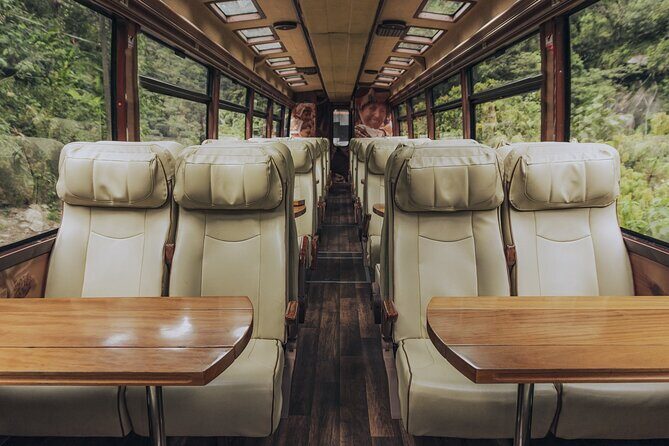
- On-board practicality: restroom on the train, plus an air-conditioned vehicle for the part that involves a switch in transport.
- Ticket clarity is everything: Machu Picchu entry and a guided tour through the citadel are not listed as included, even when some bundles hand you tickets.
- Crowd and comfort tradeoffs: max group size can reach 516, so expect lines and shared spaces at peak times.
Cusco to Aguas Calientes: How the Voyager timing really works
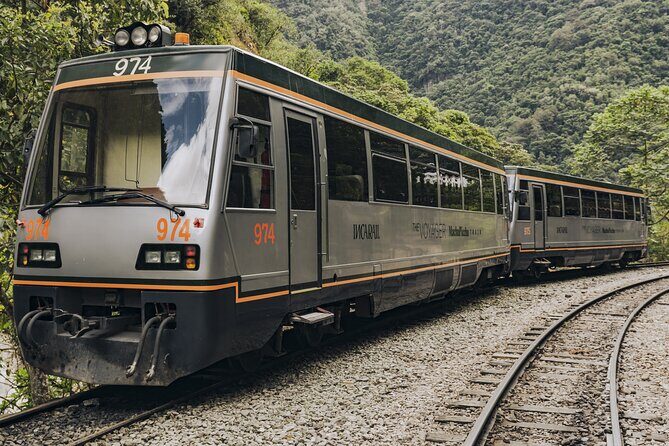
The core idea of the Voyager Machu Picchu Train by Inca Rail is simple: get you from the Cusco-area rail network to Machu Picchu Pueblo (Aguas Calientes) so you can face the sanctuary visit with minimal friction. The train segment itself is listed at roughly 2 to 4 hours, but your total day depends heavily on how your connection is set up.
You have three main rail starting points tied to Cusco access: San Pedro (Cusco), Poroy, and Ollantaytambo. If you’re staying in Cusco, San Pedro is the most straightforward. Poroy is another nearby option. Ollantaytambo can also be a good staging area if you’re already headed that way for Sacred Valley plans.
Then there’s the Bimodal service, which combines bus and train. The bus starts at Av. El Sol 843, near the Plaza de Armas, and then you take the train from Ollantaytambo to the Machu Picchu Pueblo station. In practical terms, Bimodal is your “plan B with structure.” In the months January through April, Inca Rail specifically suggests using Bimodal because weather conditions can prevent departures from San Pedro and Poroy. If your travel style hates last-minute reroutes, that guidance matters.
The other detail that affects your expectations: this service can handle a lot of people—up to 516. That doesn’t mean chaos, but it does mean you should think like a morning commuter. There will be queues, crowd flow at the station, and the occasional moment where you feel like you’re moving with the current instead of marching to your own rhythm. If you like things calm and quiet, you’ll need patience.
You can also read our reviews of more tours and experiences in Cusco.



Your 6:40 am start in Aguas Calientes and what to expect next
Your listed meeting point and start time are Machu Picchu station, Aguas Calientes 08681, with a 6:40 am start. That early start is a clue: the experience is designed around morning access to the sanctuary, before the day gets heavy.
From there, the itinerary’s focus is the Historic Sanctuary of Machu Picchu. You’ll be stepping into one of the most photographed Inca sites in the world—“Machu Picchu” literally reads as old mountain. The sanctuary setting is dramatic, and the site’s design—temples, platforms, and water channels—is the main show.
What you should plan for is a timed day that’s about more than just the train ride. Even if the train portion is comfortable, you’re still dealing with a huge destination. The practical move: treat your entry to the sanctuary like an “arrive and go” event. Have your essentials ready before you reach the bottlenecks.
Also, keep expectations aligned with what’s included. This service notes private transportation and an air-conditioned vehicle as part of the day’s support, but it does not list the Machu Picchu entrance ticket or a guided tour through the citadel as included. That means your experience at the sanctuary may depend on what package you chose, what you were handed, and how clear your ticket details are.
One recurring travel-day headache is ticket confusion. If you’re given an entrance ticket as part of a bundle, I strongly suggest you verify it immediately—especially the date and the circuit printed on the ticket. It’s the kind of small thing that can snowball into a next-day scramble.
The Machu Picchu stop: Sanctuary views vs. tour guidance

You’re going to see Machu Picchu in the way most people dream about it: on a structured morning schedule, with the sanctuary as the highlight. The experience description frames the visit around the site’s key elements—temples, platforms, and water management features—so your time there isn’t just “wander and hope.” You can expect to be directed along a route that makes sense for getting you into the main areas.
Here’s the tradeoff: a tour through the citadel of Machu Picchu is not included. That doesn’t mean you’ll be totally on your own—you may still get orientation through your overall day arrangement—but it does mean you should be prepared to self-navigate more than you might on a fully guided excursion.
If you prefer a guide who explains why certain structures are where they are, you’ll likely want to either:
- add your own guide for the citadel time, or
- use a self-guided approach (audio guide or detailed maps) before you enter.
Why does this matter? Machu Picchu can feel like a pile of stone if nobody frames it. Even basic context—what to look for in Inca engineering and how the water channels function—changes the visit. Since guided tour time isn’t guaranteed here, your prep effort directly impacts how satisfied you’ll be at the end of the day.
Comfort and service on the Voyager: what works (and what can get annoying)
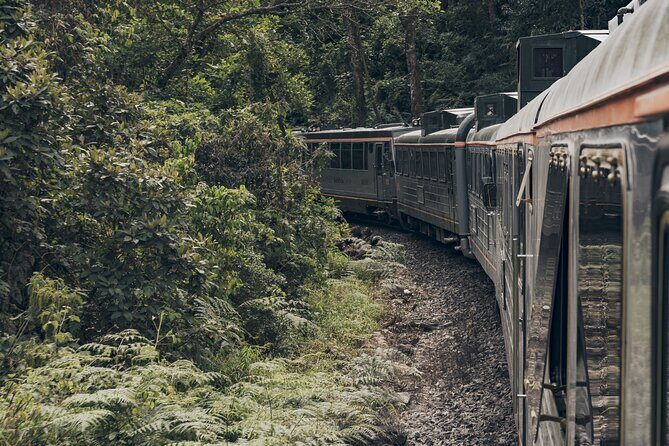
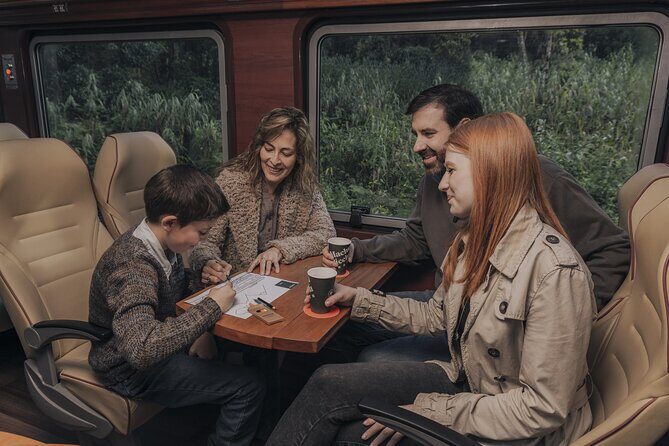
Let’s talk about the train day vibe. The service includes a restroom on board, which might sound basic, but on a long enough day it’s a real comfort win. It also includes an air-conditioned vehicle and private transportation as part of the overall journey plan, which matters when you’re switching between rail and bus.
Where the experience tends to go right is staff support. Multiple accounts highlight staff who are kind and helpful, including people who guide passengers toward the buses when you’re transferring in Aguas Calientes. There are also examples of staff handling lost-and-found responsibly—like returning a forgotten backpack the next day. That kind of competence is worth its weight in gold when you’re tired and your day has been moving fast.
That said, there are two areas you should be ready for.
First: onboard and station “show” energy. Some people found the entertainment too much—loud music, even pan flute volume, and scripted moments played by attendants. If you want a quiet, scenic commute, bring an extra tolerance buffer or use simple tools like earplugs.
Second: sound systems and comfort levels. Some passengers report dated-feeling carriages, awkward boarding setup, and repetitive PA announcements with poor audio quality. If you’re sensitive to noise or you hate being squeezed into tight waiting areas, you might find the process less relaxing than you want.
Finally, there are occasional operational disruptions. There’s at least one reported breakdown event where the train stopped for over an hour, changing the day’s lighting and timing. The big takeaway for you isn’t fear—it’s preparedness. When something goes wrong, information flow and crowd management become the real test. Your best defense is patience, snacks/water if you can bring them, and a flexible mindset if the rail schedule shifts.
Value check: Is $203 worth it for the Voyager day?
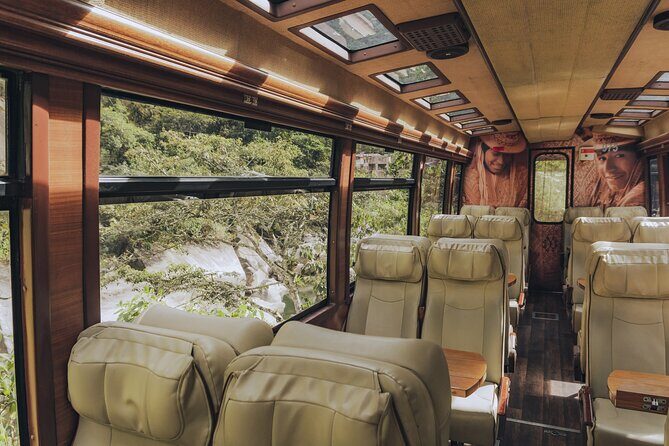
At $203 per person, the question isn’t whether the ride looks nice on paper—it’s what you get for that money versus what you still have to pay for elsewhere.
This service’s value is logistics. You’re paying for:
- a scheduled rail connection to Machu Picchu Pueblo,
- on-board practicality like a restroom,
- and support that includes private transportation plus an air-conditioned vehicle for the parts that involve transfers.
What you’re not paying for here (based on the provided information) is the Machu Picchu entrance ticket and a guided tour through the citadel. That means the “total Machu Picchu day cost” is higher than the train price once you add the sanctuary admission and any guide you choose.
So when does the Voyager value feel strong?
- If you want a pre-structured route and you don’t want to spend your mental energy figuring out connections.
- If you’re traveling in a group and appreciate clearer staging and support staff.
- If you’re okay with a timed visit and can handle some crowd energy at the sanctuary.
When might it feel weak?
- If you’re expecting the train ticket to also cover the full sanctuary experience with guidance.
- If you’re buying a more expensive seating category and hoping for privacy and perfect comfort. There are accounts where seat assignments changed and additional bus segments diluted the premium feel.
My practical recommendation: treat the $203 as the price of a smoother transport day, not the price of a complete guided Machu Picchu immersion.






Who should book this, and who should rethink it

This is a solid fit if your priority is getting to Machu Picchu without turning the day into a complicated puzzle. You’ll likely enjoy it most if:
- you like clear time windows and want to reduce “where do we go now?” stress,
- you appreciate basic onboard comfort like a restroom,
- and you’re comfortable with early starts and shared spaces.
It may be a tougher match if:
- you strongly dislike crowds and loud PA announcements,
- you want a fully guided, explanation-heavy citadel tour included in the price,
- or you’re the type who gets thrown off by schedule changes and wants everything to be bulletproof.
The Bimodal option can also be a deciding factor for some people. If you’re traveling in January–April, it’s worth paying attention to the weather-related guidance about San Pedro and Poroy departures. If you’d rather not gamble on conditions, Bimodal can lower the stress level.
Quick booking tips that can prevent big headaches

If you book the Voyager Machu Picchu train service, here are the moves I’d make to keep your day from going sideways:
- Verify your Machu Picchu ticket details immediately if your package hands you one. Confirm the date and circuit on the ticket before you head out.
- Plan for an early morning flow. The 6:40 am start in Aguas Calientes means you should be ready to move fast when the day begins.
- Bring earplugs or something for noise if you’re bothered by loud onboard announcements or music.
- Don’t over-plan for silence. The experience includes station staging and onboard activity, and some of that can feel louder than expected.
- Keep a little flexibility in your head for occasional delays. Even good operations can hit rough weather or technical issues, and your calm mindset helps.
Should you book the Voyager Machu Picchu Train?

Book it if you want a well-structured rail-based path to Machu Picchu Pueblo with practical support and decent onboard comfort. The biggest plus is not the “wow” factor on the train alone—it’s how the service handles the transfer-heavy part of the day, especially with restroom access and A/C support.
Skip it or compare alternatives if your top priority is a quiet ride, guaranteed guided time in the citadel, or if you’re the kind of person who can’t tolerate ticket mix-ups and schedule disruptions. In that case, you may want a different approach that includes clear guidance and matching admission details.
If you do book Voyager, the winning strategy is simple: confirm ticket paperwork, prep for the noise/crowds reality, and treat Machu Picchu itself as the main event—not the transport day.
FAQ
How long is the Voyager Machu Picchu train experience?
The duration is listed as about 2 to 4 hours.
Where do I start for this service, and what time?
The meeting point/start is Machu Picchu station, Aguas Calientes 08681, Peru, with a 6:40 am start time.
Can I choose different boarding stations from the Cusco area?
Yes. You can board from San Pedro (Cusco), Poroy, or Ollantaytambo. There is also a Bimodal service option that starts with a bus from Av. El Sol 843 near the Plaza de Armas.
Is the Machu Picchu entrance ticket included?
No. The entrance ticket to Machu Picchu is listed as not included (and a tour through the citadel is also not included).
What is included on board or during the journey?
Included items are restroom on board, private transportation, and an air-conditioned vehicle.
Is free cancellation available?
Yes. You can cancel for a full refund up to 24 hours in advance of the experience’s start time.