REVIEW · CUSCO
Sacred Valley And Machupicchu 2 Days/1Night
Book on Viator →Operated by Ali Peru Treks - Travel Agency · Bookable on Viator
Machu Picchu, before your day even warms up. This 2-day route strings together the Sacred Valley highlights and then gets you into Machu Picchu early enough for sunrise views and photos, with a local guide moving you from stop to stop without the usual guesswork. You’ll also get a full guided pass through the citadel’s key sectors, plus time to get back toward your train on schedule.
I especially like how the day 1 lineup uses smart pacing: Chinchero, Moray terraces, and the Salineras de Maras salt ponds each show a different side of Inca life. I also like that you get meals and transport handled end-to-end, including dinner in Aguas Calientes after the train ride.
One possible drawback: this is an early, packed schedule. If you’re hoping for long free time, or you hate bus and train transfers, you may feel rushed—especially on day 2 when the sunrise setup and train timing are firm.
In This Review
- Key Things I’d Pick This Tour For
- Cusco Morning Pickup and Sacred Valley Stops That Keep the Day Moving
- Chinchero and Moray: Inca Engineering You Can Actually See
- Salineras de Maras: Salt Extraction With Inca Roots
- Urubamba Lunch and the Urgency of Getting to Ollantaytambo
- The Train Ride to Aguas Calientes: Comfortable Time for the Next Day
- Sunrise at Machu Picchu: Why the First Bus Plan Wins
- Your 3-Hour Guided Tour of Machu Picchu Main Sectors
- Getting Back to Your Train: The 2-Hour Rule You Should Respect
- Price and Value: What $560 Covers (and Why It Can Be Worth It)
- Meals and Comfort: Breakfast, Lunch, Dinner, and the One Missing Lunch
- Who This Tour Fits Best
- Should You Book This Sacred Valley and Machu Picchu 2-Day Trip?
- FAQ
- How long is the Sacred Valley and Machu Picchu tour?
- What’s included in the price?
- Do you pick me up from my hotel in Cusco?
- What time do you go to Machu Picchu for sunrise?
- How long is the guided tour inside Machu Picchu?
- Is lunch included after the Machu Picchu visit?
Key Things I’d Pick This Tour For
- Sunrise-first bus strategy so you’re not stuck watching Machu Picchu in full midday crowds and heat
- Guided Sacred Valley circuit across Chinchero, Moray, Salineras de Maras, and Ollantaytambo
- Train + local transfers included, so you’re not juggling tickets across different operators
- Hotel in Aguas Calientes for one night, making Machu Picchu day realistic instead of exhausting
- 3-hour guided tour at Machu Picchu, focused on the main sectors rather than a quick walk-by
Cusco Morning Pickup and Sacred Valley Stops That Keep the Day Moving
This tour starts with a morning pickup in Cusco, described as around 7:00 a.m. (your exact start time should match your confirmation). From there, you head straight into the Sacred Valley, which is the right move because it avoids losing your best daytime energy to last-minute transit.
The pacing is part of the value here. Sacred Valley ruins and sites are spread out, and doing them in a single guided loop saves you the hassle of arranging separate rides and timing. With a maximum group size of 16 people and English available, you also get a better chance of hearing explanations clearly without feeling like you’re in a moving crowd.
Wear what you’d wear for a long day: comfortable walking shoes matter. You’ll be getting on and off vehicles, and some stops involve uneven ground and stairs.
You can also read our reviews of more tours and experiences in Cusco

Chinchero and Moray: Inca Engineering You Can Actually See
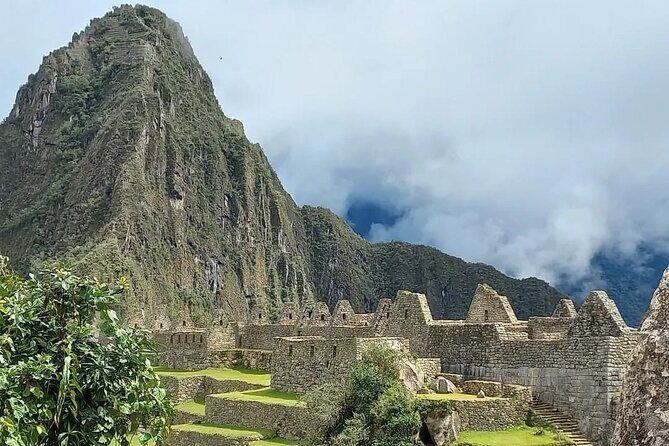
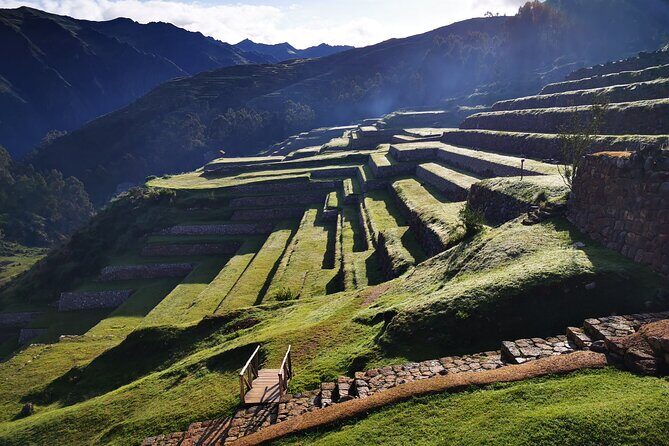
Your day 1 begins with Chinchero, an Inca site with a story you’ll understand faster when someone guides you through what you’re seeing. The key benefit of this stop is that it sets the tone: you’re not just looking at stones, you’re learning how Inca building and settlement fit the landscape and daily work of the region.
After Chinchero, the tour goes to Moray for a guided walk focused on the terraces of Moray. Moray is one of those places where the geometry makes you stop and stare. A guide helps connect the terraces to the Inca’s practical thinking—how they used these areas for experimentation and agriculture rather than treating ruins like a museum display.
If you’re the kind of person who loves small details, Moray is a good place to take your time for photos, because the structure is visually strong even in changing light. On a tight schedule, this is one of the stops where your camera will actually earn its keep.
Salineras de Maras: Salt Extraction With Inca Roots
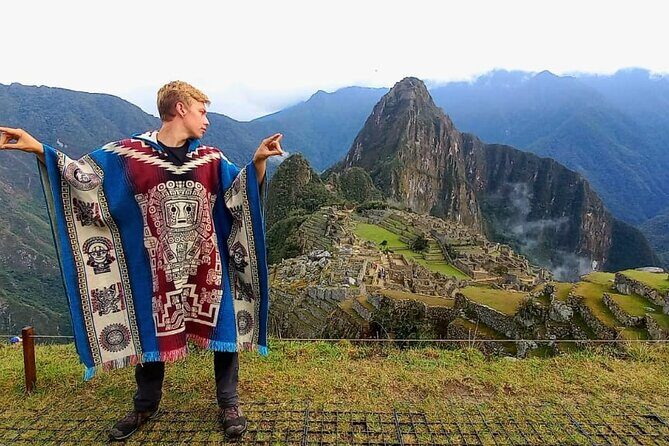
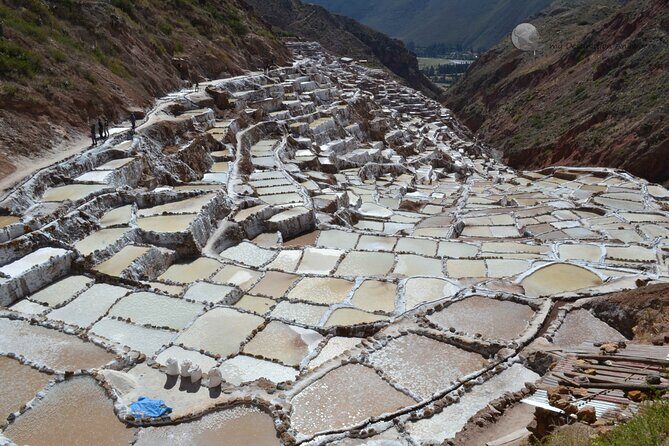
Next comes Salineras de Maras, where you see salt extraction methods that trace back to Inca times. This is a great contrast to the more ceremonial or agricultural-looking ruins you’ll also see on the circuit. Here, the focus becomes labor, craft, and continuity—how a technique can survive through centuries.
What I like about including Salineras de Maras is that it gives you a break from the “architecture only” rhythm. You’re standing at the edge of an active system of small salt pools. It’s also a strong photo moment because it has pattern: grid-like rows against the hills.
Practical note: the area can be slippery in wet conditions and hot if the sun is strong. Keep your footing in mind, and bring water if you tend to get dry quickly. (Water isn’t listed in the included items, so plan accordingly.)
Urubamba Lunch and the Urgency of Getting to Ollantaytambo
After Moray and Salineras, you head to Urubamba. You’ll have lunch in Urubamba, which is genuinely useful on a day like this because it breaks the long sequence of sites and keeps the day from turning into one long snack scramble.
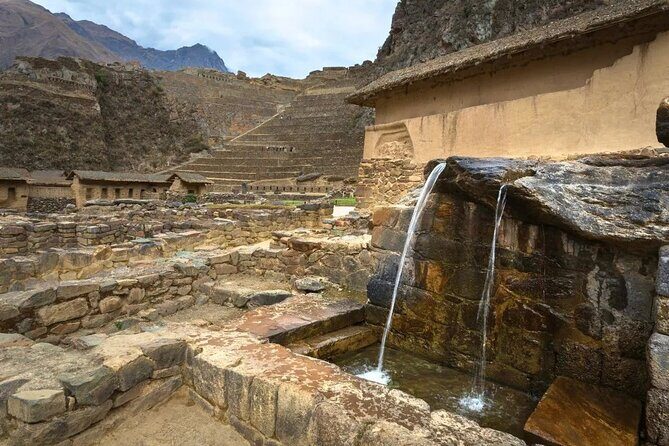
From Urubamba, it’s about 30 minutes to Ollantaytambo, where the tour visits the last Inca ruins on the route. Ollantaytambo is built with granite rocks, and a guided tour there helps you understand why the place feels so solid and commanding. The shapes and stonework can feel abstract if you’re seeing them alone; with a guide, you get the purpose behind the walls and the layout.
Ollantaytambo is also where the logistics start to matter. After the guided ruins visit, you’ll move toward the train station for the ride to Aguas Calientes. This is part of the design of the trip: it transitions smoothly from “Valley day” into “Machu Picchu night,” rather than leaving you stuck in Cusco wondering how you’ll fit everything in.
The Train Ride to Aguas Calientes: Comfortable Time for the Next Day
The train ride to Aguas Calientes takes less than two hours, and for most people that’s the sweet spot between sightseeing and resting. You’ll arrive, have dinner, and then your guide will take you to your hotel.
Why this matters: Aguas Calientes is the launch point for Machu Picchu the next morning. If you had to arrange your own lodging and transport, you’d risk losing sleep or missing the sunrise bus plan. With this tour, the overnight stay is built in, so day 2 starts with momentum.
The hotel is listed as 3-star for one night. That’s not a luxury pitch, but it’s a practical one: you need a clean, convenient place to recharge. You also get bag storage at the hotel during the Machu Picchu visit, which helps a lot—no trying to carry everything up a mountain trail.






Sunrise at Machu Picchu: Why the First Bus Plan Wins
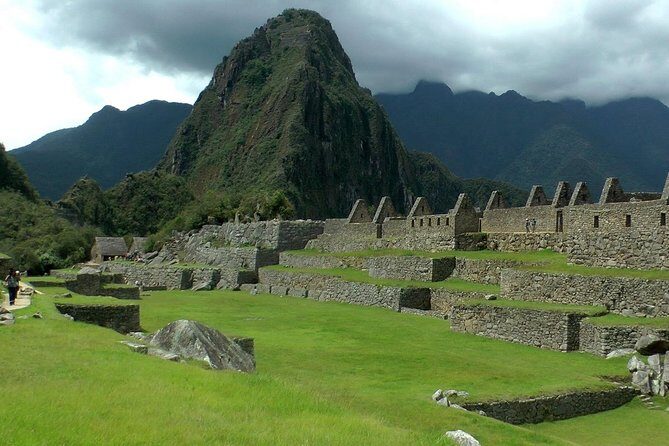
Day 2 is where timing turns into the product. You’ll ride a bus from Aguas Calientes to Machu Picchu in about 25 minutes, and the tour specifically takes you on the first buses to catch sunrise.
This is one of the most valuable parts of the itinerary because Machu Picchu changes fast with daylight. Early light softens shadows, makes photos cleaner, and often gives you a calmer feel on the approach. The guide also takes you directly to a strong spot for sunrise viewing and pictures, which saves time figuring out where to stand.
You don’t just show up and wander. You’re guided to the best viewing point for sunrise, and then you’re moved into a structured walkthrough of the citadel. That’s how you get the most out of a short Machu Picchu window.
Your 3-Hour Guided Tour of Machu Picchu Main Sectors
Once inside Machu Picchu, your local guide shows you the main sectors for about 3 hours. This is a big deal for first-timers because it turns a big, confusing site into a story with clear stops.
Instead of bouncing from random points, you get a guided circuit that helps you understand what you’re seeing: buildings, terraces, and key viewpoints tied together by the Inca Empire context. You’ll hear history and culture explanations, and you’ll also learn how the sectors relate to each other spatially—so the citadel stops being a set of isolated photos.
Bring a small mindset shift: Machu Picchu is not a place you “finish.” It’s a place you experience in layers: first the sunrise view, then the guided orientation, then the slower look at details once you know what matters.
Getting Back to Your Train: The 2-Hour Rule You Should Respect
Machu Picchu day includes a return train from Aguas Calientes to Ollantaytambo that takes about 2 hours. To make that happen without stress, the tour recommends returning to Aguas Calientes no later than 2 hours before your train departure.
That buffer is important. If you drift too long at viewpoints, you risk feeling rushed on the walk back and bus ride. Here’s the simple strategy I’d follow if I were booking for myself: after the guided segment, use any remaining time for a last look and a final photo loop—but keep your countdown in mind.
After the train, you’ll be transferred by bus back to Cusco, taking around 2 hours, and dropped at your hotel.
Price and Value: What $560 Covers (and Why It Can Be Worth It)
At $560 per person, this isn’t a budget day trip. But it’s also not paying for one thing. You’re paying for a bundle that adds up quickly: round-trip train tickets, round-trip bus transport for Machu Picchu, entry tickets for the sites, a professional local guide, and meals (breakfast, lunch, dinner).
You’re also getting an actual overnight stay in Aguas Calientes for one night. Hotels near the Machu Picchu area don’t come cheap when you include the convenience of being ready for sunrise. Having that built into the package reduces the risk of spending extra money on last-minute lodging or scrambling for the right schedules.
So the value equation usually works like this: if you were to book train tickets, bus tickets, entry tickets, a guide for the Sacred Valley, plus a hotel for one night, the total typically climbs fast. This package simplifies it and keeps everything aligned, which is often what you want when your time is limited.
Meals and Comfort: Breakfast, Lunch, Dinner, and the One Missing Lunch
The included meals are clearly set for the trip: breakfast, lunch, and dinner are included. The one item called out as not included is lunch after the Machu Picchu part of the day (so you’ll want to plan on either snacks you buy yourself or a meal later, depending on your train timing).
In practical terms, day 2 is the reason. Machu Picchu sunrise is early, and the tour is built around getting you back toward the station on schedule. That makes it harder to include a sit-down lunch in the traditional sense, so the tour instead focuses on transportation timing and guided time inside the citadel.
For comfort, this is a “travel light” model. You carry only a backpack with what you need to Machu Picchu. Your hotel stores your bigger bags, which is how you avoid turning your hands into luggage handles.
Who This Tour Fits Best
This plan is a strong fit if you want two big outcomes without the stress of coordinating everything yourself:
- A guided Sacred Valley day that covers Chinchero, Moray, Salineras de Maras, and Ollantaytambo
- A Machu Picchu day that prioritizes sunrise, then a guided circuit of the main sectors
It also suits you if you like structure and explanations. The guides are described as attentive with clear explanations, and the schedule is repeatedly described as being on time. If you’re the type who appreciates being guided to the right place at the right time, this tour matches that style.
If you dislike early mornings or you need lots of free time to wander without a plan, you might find the itinerary tight. In that case, consider a slower Machu Picchu option.
Should You Book This Sacred Valley and Machu Picchu 2-Day Trip?
Yes, I’d book it if you want a guided, time-efficient route that handles the hardest logistics for you: hotel in Aguas Calientes, train timing, bus planning for Machu Picchu, and guided time at both Sacred Valley stops and the citadel.
Book it with extra care if you’re highly sensitive to early starts or you hate structured schedules. Machu Picchu sunrise doesn’t work on a relaxed timetable, and this tour leans into that reality.
Bottom line: for most first-timers, the bundle of transport + tickets + guides + meals is the value play, and the sunrise-first plan is the “this is why it’s worth it” part.
FAQ
How long is the Sacred Valley and Machu Picchu tour?
It’s a 2-day experience with 1 night in Aguas Calientes, and it covers Sacred Valley sites on day 1 and Machu Picchu on day 2.
What’s included in the price?
The tour includes pickup and return to your hotel in Cusco, round-trip transportation, a professional local tour guide, entry tickets for Sacred Valley and Machu Picchu, 1 night in a 3-star hotel in Aguas Calientes, expedition round-trip train tickets, round-trip bus tickets to Machu Picchu, and meals including breakfast, lunch, and dinner.
Do you pick me up from my hotel in Cusco?
Yes. Pickup is offered, and you’ll also be returned to your hotel in Cusco at the end of the tour.
What time do you go to Machu Picchu for sunrise?
The tour takes you on the first buses up to Machu Picchu so you can watch sunrise, and your guide will take you to a good spot for sunrise photos.
How long is the guided tour inside Machu Picchu?
Your local guide shows you the main sectors of the citadel for about 3 hours.
Is lunch included after the Machu Picchu visit?
Lunch after the Machu Picchu tour is not included, so you may want to plan on your own food options for that part of the day.