REVIEW · CUSCO
Waqrapukara 1 day trekking + meals
Book on GetYourGuide →Operated by Amaru explorer SAC · Bookable on GetYourGuide
Waqrapukara hits fast: horn-shaped ruins and big views. This 1-day Cusco trek is interesting because it’s not just a ruin stop. You walk up to a fortress-like complex tied to Inca nobility, then get time to see temples and Inca enclosures in the open air—and the payoff is the final lookout. My only real drawback: the day starts at 4–5 a.m., so if you want a slow, late-morning outing, this won’t match your rhythm.
What makes it workable is the structure. You’re picked up from your Cusco hotel near or inside the historical center between 4:00–5:00 a.m., then you head out to Sangará for breakfast, take a 2-hour walk from the parking area, and return for lunch before dropping you back near the Plaza de Armas around 6 p.m.
Plan for altitude and cold mornings. The site sits at 4,300 meters, and you’ll want warm layers even if the day is sunny. Entrance to Waqrapukara costs extra (S/ 15 or about $5), so bring cash and don’t rely on the tour price alone.
Key things to know before you go
- Horn-shaped fortress setting: Waqrapukara means fortress in the form of horn, and the complex is meant to be seen on its own terms.
- 4,300m altitude: You’ll feel it, especially early. Take the walk steady and keep water handy.
- Breakfast and lunch in Sangará: Two proper meals break up the long day and keep energy up.
- About a 2-hour walk: You’ll go from a parking spot to the archaeological area on foot with walking sticks provided.
- Professional guide on-site: You’ll get a brief guide explanation and time to explore part of the area.
- Entrance fee not included: Budget S/ 15 (or ~$5) in cash for the site.
In This Review
- Why Waqrapukara Feels Like More Than Another Ruin
- The Early Pickup: 4–5 a.m. Is the Price of This View
- Breakfast in Sangará: Fuel Before the 2-Hour Walk
- The 2-Hour Trek From the Parking Area
- Touring Waqrapukara: Temples, Enclosures, and That High Payoff
- Lunch Back in Sangará: Recharge Before the Return
- Price and Value: $50 Includes the Work, Not the Site Ticket
- What to Bring (So You Don’t Regret It Mid-Walk)
- Who This 1-Day Trek Suits (and Who Should Skip It)
- Should You Book This Waqrapukara Trek?
- FAQ
- Where is Waqrapukara located?
- How long is the Waqrapukara trekking experience?
- How much does the tour cost?
- What time is the hotel pickup?
- Is breakfast and lunch included?
- How long is the walk to Waqrapukara?
- Is the Waqrapukara entrance fee included?
- What languages is the guide available in?
- What should I bring for the trek?
- Is the tour suitable for everyone?
- Is free cancellation available?
- Does the tour run in sunny weather?
Why Waqrapukara Feels Like More Than Another Ruin
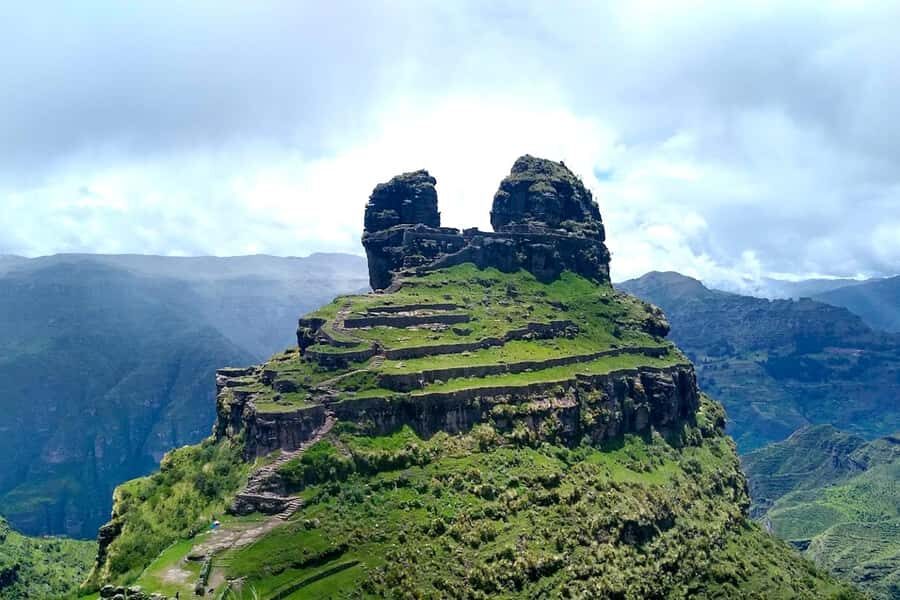
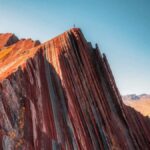
Waqrapukara is one of those Cusco-area places where the shape of the site matters. It translates as fortress in the form of horn, and the Inca layout makes you feel like you’re walking through a designed space, not a few scattered walls.
The big attraction here is the combination of context and effort. Yes, you’ll see temples and Inca enclosures, but you also earn the view by walking up for about two hours. That changes how you look at things. You’re not rushing between quick photo angles. You’re moving through terrain at altitude, and the ruins sit in their original setting—high, exposed, and very “this was built to control the landscape.”
You’ll also get a guided introduction when you arrive, plus time to visit part of the area on your own. That mix is valuable: you learn what you’re looking at, then you can wander without feeling like every step is a lecture.
The Early Pickup: 4–5 a.m. Is the Price of This View
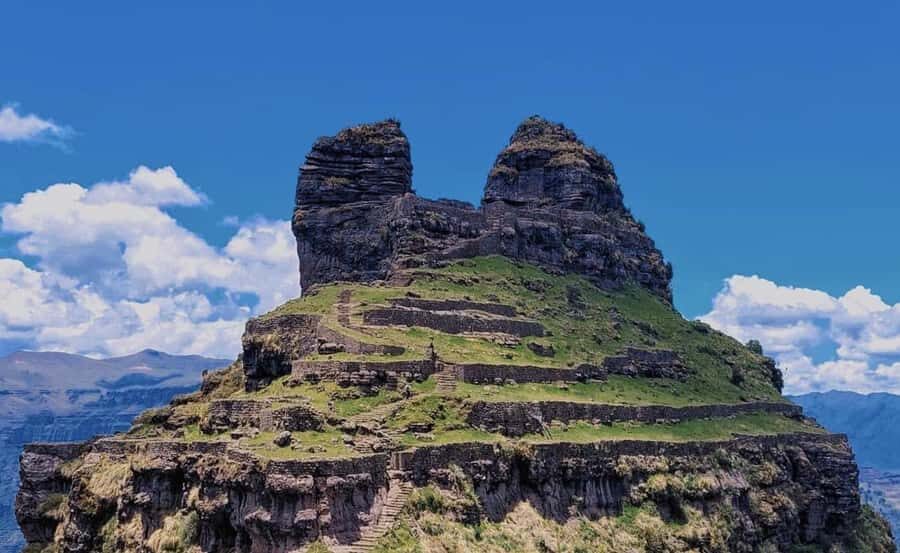
This tour runs like a classic “start before the sun” Cusco day trip. Pick-up happens from your hotel near or inside the historical center between 4:00 and 5:00 a.m. Practically, that means you should prep the night before: hiking shoes tied, water plan ready, warm layer accessible.
First stop is Sangará for breakfast. I like this setup because it prevents the common mistake of trying to hike hungry at altitude. Breakfast in the morning gives you something solid before the 2-hour walk starts.
One more practical note: getting back around 6 p.m. means you’ll have a full day. The upside is you’ll see Waqrapukara without needing an overnight stay. The downside is you’ll likely feel like the day is long—because it is.
You can also read our reviews of more hiking tours in Cusco


Breakfast in Sangará: Fuel Before the 2-Hour Walk
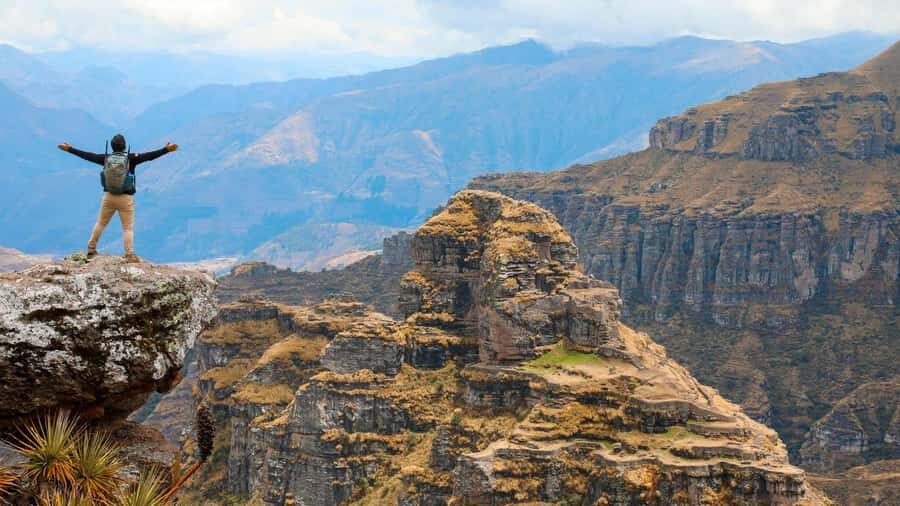
Sangará is your first real break in the plan. The tour heads there for breakfast after pickup, then continues on toward the parking area where the walking begins.
This matters more than it sounds. At 4,300 meters, your body takes time to warm up and settle in. Eating first helps with energy and pacing, especially because you’re not just doing a casual stroll. You’re doing a steady climb on foot, for about 2 hours.
I’d treat breakfast as your main calorie moment. Bring your own comfort items too—like extra water in addition to what you’ll get at the right times—because the tour only lists water as something to bring, not a full refill strategy.
The 2-Hour Trek From the Parking Area
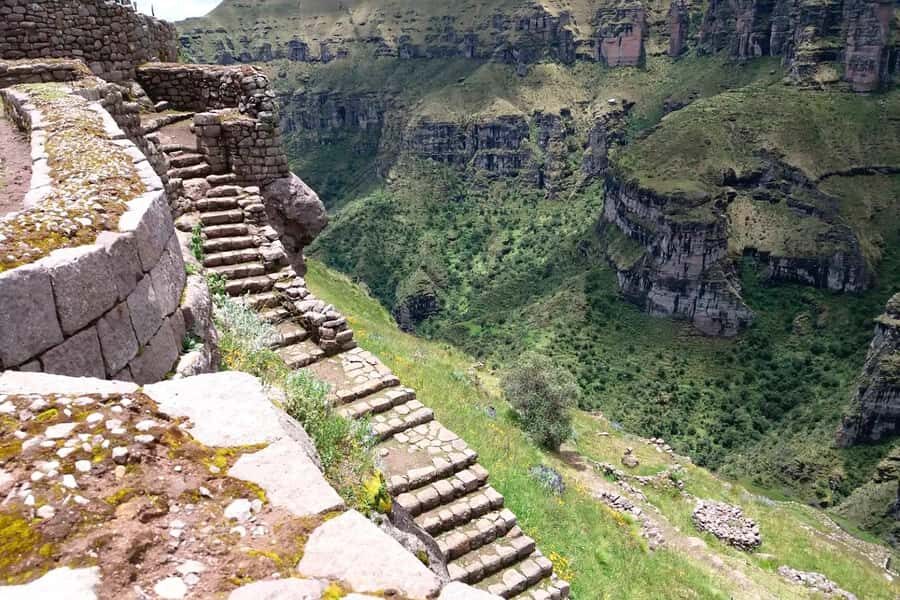
Here’s the core physical piece: once you reach the parking area, the group starts the walk to the archaeological center of Waqrapukara. The walk is about 2 hours one way, and walking sticks are included.
Those sticks are not a gimmick. On uneven stone and dirt at altitude, they help with balance and reduce the strain on knees. If you’re the type who usually skips trekking poles, this is a good day to try them.
What I’d focus on during the walk:
- Pace over speed: Go slow enough that you can keep breathing steady.
- Short stops: If you need them, take a quick breather rather than powering through.
- Water and warmth: You can feel cold in the morning even if it turns sunny later.
Weather matters too. The tour notes it will run in sunny weather or according to conditions, so don’t assume blue skies all day. Layers are your friend, and good hiking shoes are non-negotiable.
Also, be ready for the altitude even if you’ve been in Cusco already. 4,300 meters is higher than many people expect, and the effort feels bigger when the air is thin.
Touring Waqrapukara: Temples, Enclosures, and That High Payoff
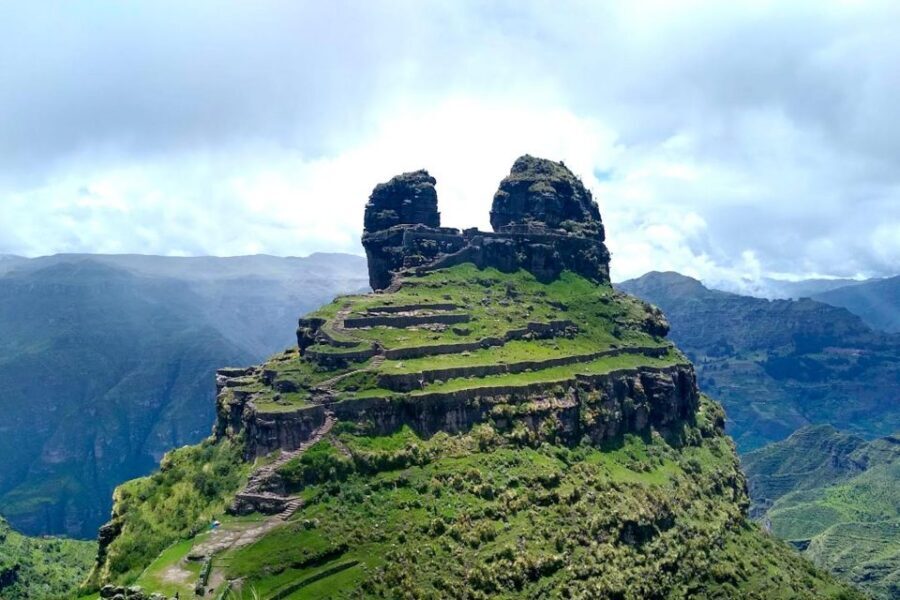
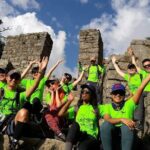
Once you arrive, you get a brief guide explanation and time to visit part of the area. The ruins themselves are the point: temples and Inca enclosures associated with Inca nobility, all inside a dramatic setting shaped by the terrain.
This is where the horn-fortress idea clicks. The complex is arranged so that views and movement are part of the experience. You’ll feel the separation between spaces—public angles versus more controlled zones—because the enclosures and temple structures are built to organize how people approach and occupy the area.
The “don’t rush” advice here is simple. Take 10 minutes to stop moving. Look for sightlines, then connect what the guide said to what you see from your current spot. That’s how a guided ruin visit turns from “I saw stones” into “I get the plan.”
One more thing: be smart about any optional paid viewpoint stops you might encounter while at the site or on related paths. A negative experience I want to protect you from is paying for viewing areas that don’t actually improve your perspective much. If you’re asked to pay extra for a stop, ask one direct question: what exactly will I see from this point that I can’t see nearby for free?
Lunch Back in Sangará: Recharge Before the Return
After your visit time at the archaeological center, you return to the car and go back to Sangará for the last meal: lunch.
I’m a fan of lunch being included because it prevents the “hangry end-of-day trap.” By the time you’re done walking and exploring, you’ll want a predictable meal rather than hunting around at altitude.
Then it’s back to Cusco. You’ll be dropped off near the Plaza de Armas around 6 p.m. That’s late enough that you’ll feel like you earned it, but early enough to still handle dinner plans in the evening.
You can also read our reviews of more tours and experiences in Cusco





Price and Value: $50 Includes the Work, Not the Site Ticket
Let’s talk money in a straight way.
The tour price is $50 per person for a 1-day trek plus meals and guide support. What you get included:
- Hotel pick up (near or inside the historical center)
- Tourist transportation to and from your hotel
- Breakfast and lunch (both included)
- A professional guide
- Walking sticks
What costs extra:
- Entrance fee to Waqrapukara: S/ 15 or 5 USD
So is it worth it? For most people, yes—because you’re buying the whole “day machine”: early transport, meals, and a guide, all matched to a specific physical activity with a clear time plan. The entrance fee is small relative to the total cost, but it still matters enough that you should budget for it and keep cash ready.
If you’re extremely price-sensitive or you’re confident you can handle the route on your own, you might compare costs. But for a high-altitude ruin visit, the value is less about saving dollars and more about reducing friction: you show up, someone handles logistics, and you get guided context.
One practical caution from real-world experiences: English guide quality can vary, and communication affects how much you take in. If you’re relying heavily on English explanations, I’d politely confirm that the guide will work in English and ask your key questions early—like what to look for first among the temples and enclosures.
What to Bring (So You Don’t Regret It Mid-Walk)
This day is short on paper, but the conditions can be intense. Your packing list is clear, and you should follow it.
Bring:
- Warm clothing
- Sun hat
- Hiking shoes
- Sunscreen
- Water
- Cash
Why this list matters:
- Warm clothes aren’t optional at 4,300 meters, especially at the start of the day.
- Sunscreen is essential because high altitude means stronger sun.
- Water keeps the walk safe and comfortable.
- Cash is important for the Waqrapukara entrance fee (S/ 15 or $5).
If you forget something, you’ll feel it fast on a trek morning. This isn’t the day to travel light without thinking.
Who This 1-Day Trek Suits (and Who Should Skip It)
Waqrapukara is a good fit if you:
- Want a single-day Cusco trip with real walking, not just a bus and photos
- Like Inca sites with physical structure you can explore (enclosures and temples)
- Are comfortable managing cold mornings and altitude
It’s not suitable for:
- Children under 6
- Pregnant women
- Wheelchair users
- People over 95
That list isn’t picky for fun. It lines up with a high-altitude trek, early pickup, and a walk to the site.
If you’re recovering from an altitude scare, this might be a tough day even with good pacing. Consider how your body handled Cusco and Sacred Valley heights before committing.
Should You Book This Waqrapukara Trek?
I’d book it if you want a guided, organized day that actually gets you to the horn-fortress site at altitude, with meals handled and walking sticks included. The mix—early transport, Sangará breakfast and lunch, a focused trek, then time on-site—works well for travelers who want effort plus meaning.
I’d think twice if you hate early starts or if you’re only in the mood for a quick ruins stop. Also, if you know you get impatient with extra stops during transit, plan to keep your expectations centered on the time at the archaeological center. Ask questions early, stay curious, and don’t let the day’s schedule steal your attention from the real point: temples and enclosures at 4,300 meters, with views that make the climb worth it.
If you go in with that mindset, this $50 day trip feels like a practical way to add a genuinely physical Inca site to your Cusco trip.
FAQ
Where is Waqrapukara located?
Waqrapukara is in the Cusco Region of Peru.
How long is the Waqrapukara trekking experience?
The experience lasts 1 day.
How much does the tour cost?
The price is $50 per person.
What time is the hotel pickup?
Pickup is between 4:00 and 5:00 a.m. for hotels near or inside the historical center.
Is breakfast and lunch included?
Yes. Breakfast is included, and lunch is included as well.
How long is the walk to Waqrapukara?
After reaching the parking area, you walk for about 2 hours to the archaeological center.
Is the Waqrapukara entrance fee included?
No. The entrance fee costs S/ 15 or 5 USD.
What languages is the guide available in?
The live tour guide is available in Spanish and English.
What should I bring for the trek?
Bring warm clothing, a sun hat, hiking shoes, sunscreen, water, and cash.
Is the tour suitable for everyone?
No. It is not suitable for children under 6, pregnant women, wheelchair users, or people over 95 years.
Is free cancellation available?
Yes. You can cancel up to 24 hours in advance for a full refund.
Does the tour run in sunny weather?
The tour will take place in sunny weather or based on weather conditions.
—
If you tell me your travel dates and your fitness level (comfortable on a 2-hour hike at altitude or not), I can help you decide if this one-day format will feel fun or just exhausting.