REVIEW · CUSCO
Private Salkantay Trek 5 Days – Hike to Machu Picchu
Book on Viator →Operated by Minka Peru Expeditions · Bookable on Viator
Before dawn, you start climbing. This private Salkantay trek takes you from Cusco into the Andes and on to Machu Picchu via an alternative route, with freshly prepared meals and a guide leading the way. I like that you’re not left figuring things out at elevation, and you’re fed well enough that the hike doesn’t feel like a punishment. One real consideration: extras add up because Wayna Picchu entry isn’t included, the Machu Picchu bus isn’t included, and sleeping bags aren’t provided.
What makes this itinerary feel practical is how it’s built around real day-to-day needs: camp setup and food support, hotel pickup in central Cusco, and the Machu Picchu visit handled by a timed guide and local transportation. In past trips, guides such as Fredy and Gabo (Gabriel) have been praised for clear explanations, while chefs like Dennis and assistants like Isaac are noted for turning remote cooking into something you actually look forward to.
In This Review
- The Big Idea: Salkantay as an alternative route to Machu Picchu
- Start Times in Cusco: the 4:30am/5:00am reality check
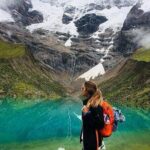
- Day 1 to Soraypampa (3,400m): Umantay views and your first long push
- Day 2 to Colpapampa (up to 4,600m): the high pass day
- Day 3 to the Beach camp: Lluscamayu lunch and tropical contrast
- Day 4 to Aguas Calientes: Santa Teresa, Hydroelectric, and the train
- Day 5 at Machu Picchu: guided visit, free time, and optional Wayna Picchu
- Food, camps, and porters: how comfort changes a 5-day trek
- Price and value: is $800 a fair deal for this private trek?
- Who this private Salkantay trek fits best
- Should you book this Salkantay trek to Machu Picchu?
- FAQ
- How long is the Private Salkantay Trek to Machu Picchu?
- Where does pickup happen in Cusco?
- What time do we start?
- Is this tour truly private?
- Does this trek include Machu Picchu entrance?
- Is Wayna Picchu included?
- How many meals are included?
- Are camping nights included?
- Do I need a sleeping bag?
- Can I get a refund if I cancel?
The Big Idea: Salkantay as an alternative route to Machu Picchu
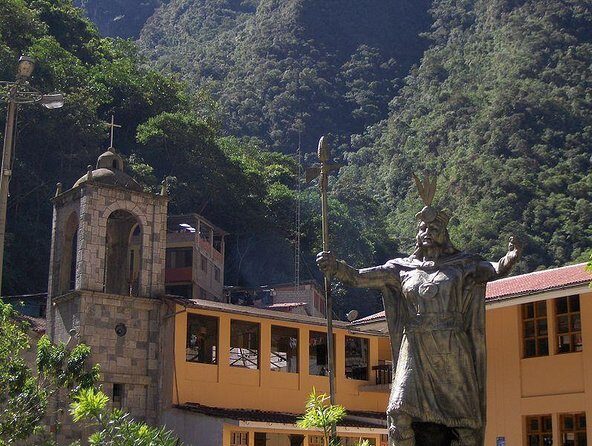
This isn’t the classic Inca Trail style of approach. You’re trekking the Salkantay route for days, then reaching Machu Picchu with a mix of hiking, local transport, and train into Aguas Calientes.
That matters because you get more than one kind of day on the same trip:
- open high mountain stretches and high passes
- steep descents into warmer areas
- a final transition day that brings you to the Machu Picchu gateway town before your guided entry
If you want Machu Picchu as the finale but you also want the journey to earn its place, this route is a strong choice.
Start Times in Cusco: the 4:30am/5:00am reality check
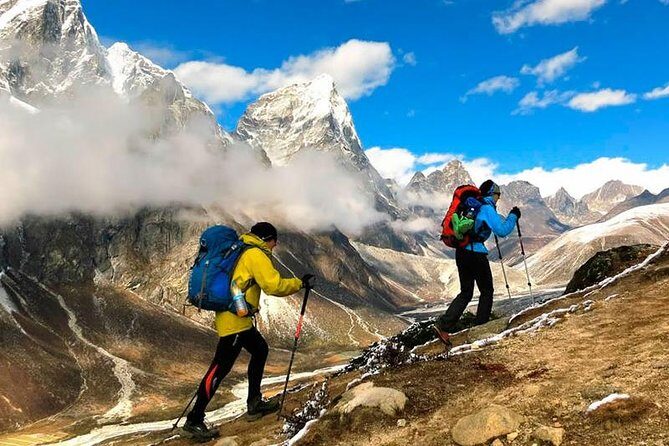
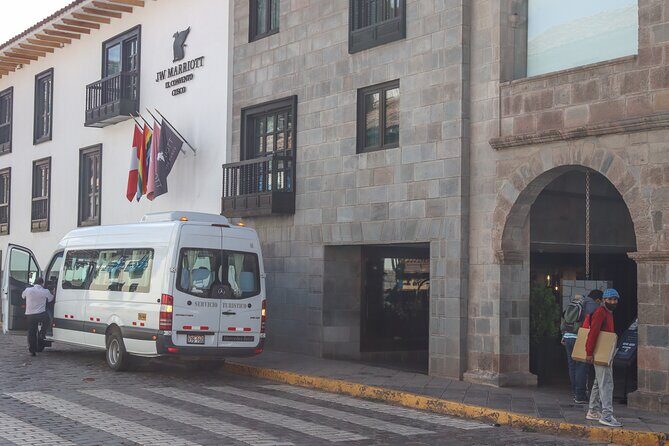
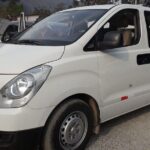
The day starts early. Your hotel pickup is in the historical center of Cusco, and you’re gathering around 4:30 a.m. with a “start time” listed as 5:00 a.m. That gap usually just means a little waiting while transport lines up. Plan to be awake and ready the moment pickup begins.
You’ll ride Cusco to Mollepata, arriving later in the morning, where you meet carriers and cooks after breakfast. This is the part of the trek that sets your expectations: your team is already organized, and the hiking rhythm starts from there.
You can also read our reviews of more private tours in Cusco
Day 1 to Soraypampa (3,400m): Umantay views and your first long push
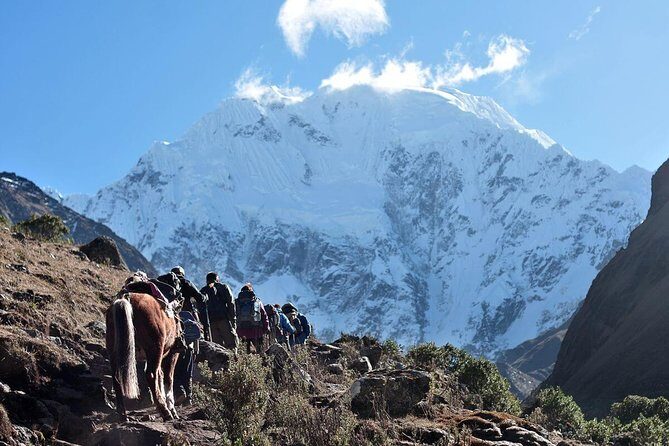
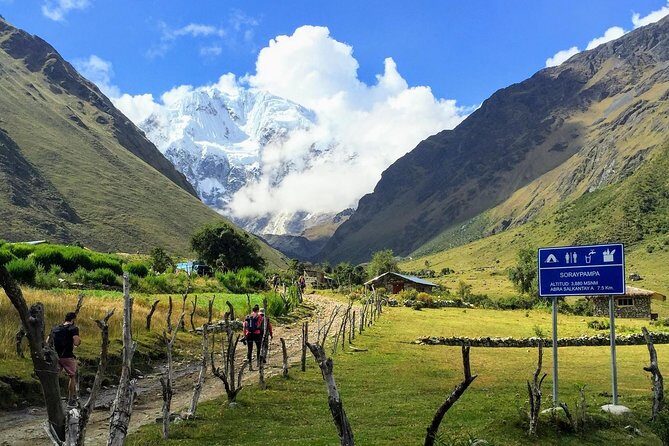
Day 1 is a long walking day—about 6 hours—in the direction of the camping of Soraypampa. You’ll have lunch and dinner, then camp overnight at roughly 3,400 meters.
Why it’s a big deal: Soraypampa is where the trek starts to feel like a real expedition instead of a hike. You’re moving through changing altitude quickly, and the views of the high Andes are already in play. It’s also when you’ll notice the value of the support system: you’re not hauling camp logistics yourself.
A practical note: if you’re the kind of person who gets cold easily, this is the day to dress early and smart, because the hike itself is just the beginning.
Day 2 to Colpapampa (up to 4,600m): the high pass day
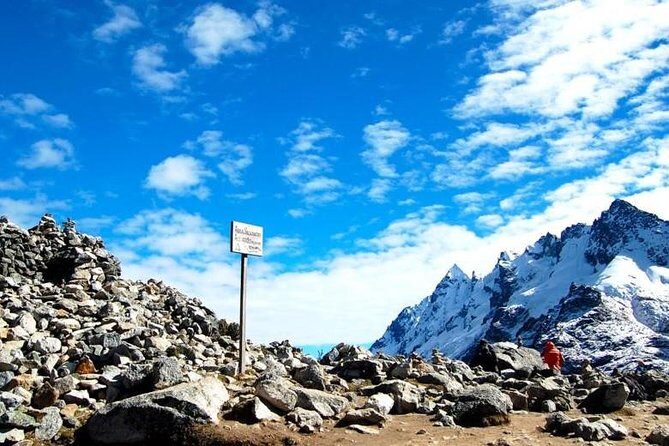
Day 2 is about crossing the highest point of the day and then dropping toward the forest edge.
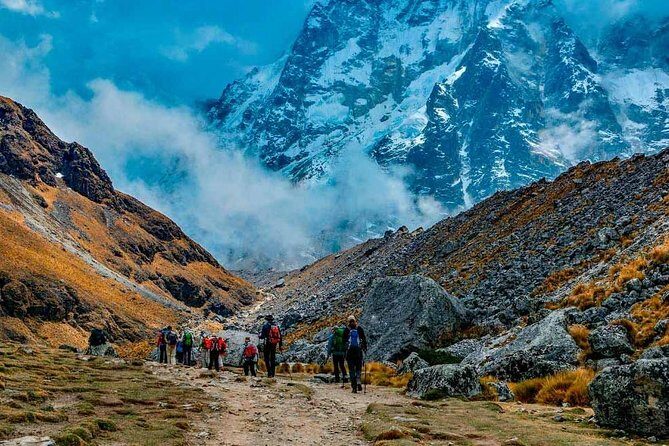
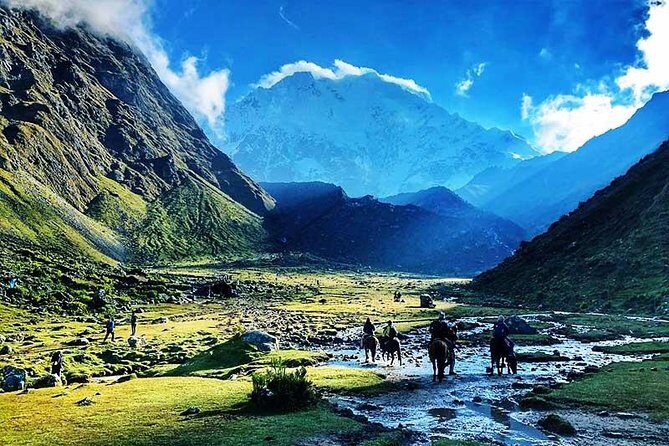
After breakfast, you’ll hike along footpaths through dramatic Andean mountain range views, reaching a passage at about 4,600 meters. Then you descend until you reach the “forest eyebrow” area and encamp.
Equipment and food are transported by packhorses, which is a key difference between doing this comfortably and doing it the hard way. You’ll still feel the altitude and the length (about 9 hours), but the trek keeps its focus on walking and enjoying the changing environment rather than turning into a load-carrying contest.
What I like here: you get a clear “go high, then come down” arc. That rhythm helps your body work with the day instead of fighting it.
Day 3 to the Beach camp: Lluscamayu lunch and tropical contrast
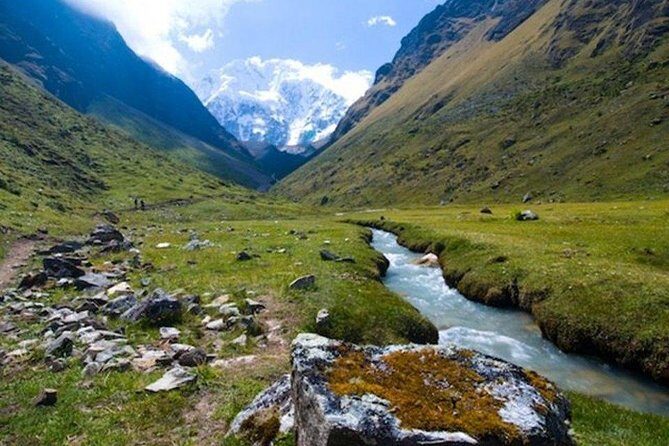
Day 3 keeps the hike long—about 9 hours—but the payoff is the contrast.
You’ll follow the trail until Lluscamayu, where lunch is served, then continue through a tropical-region feel with flora and fauna you wouldn’t see up high. The day ends with camping at what the itinerary calls the Beach area.
This is the stage where the trek stops being only about effort. You start to understand why people fall for Salkantay: you’re watching ecosystems trade places as you move across altitude and weather patterns.
In past experiences, guides were praised not only for route management but also for weaving in Andean culture and the meaning behind what you’re seeing. If you enjoy the “why” behind the scenery, this is the day that can turn into stories around dinner.
Day 4 to Aguas Calientes: Santa Teresa, Hydroelectric, and the train
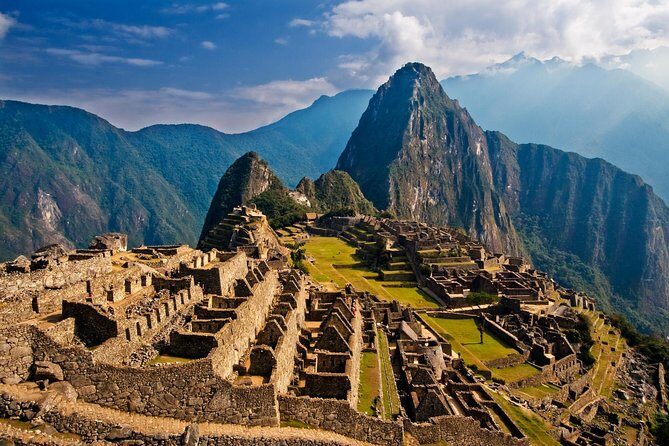
Day 4 shifts from pure trekking into a classic Machu Picchu approach day—just with more hiking and less “arrive by bus and call it travel.”
After breakfast, you hike toward Santa Teresa. On the way, you can catch a distant view of the lost city of the Incas. There’s also a short walk of about one hour toward a crossing at the Urubamba area, then you take a truck to Hydroelectric.
Lunch is at the Hydroelectric area, and then you wait for the train that takes you to Aguas Calientes for the night in a hostal.
Why this day matters: it’s your transition from trail tempo to Machu Picchu tempo. It also helps you understand the logistics of getting to the site without stressing over each step. You’re still moving, but you’re not grinding uphill all day.
You can also read our reviews of more hiking tours in Cusco

Day 5 at Machu Picchu: guided visit, free time, and optional Wayna Picchu
On Day 5, you take the bus from Aguas Calientes to Machu Picchu (the bus fee isn’t included). You’ll get a guided visit of around 2 hours, then about 3 hours of free time.
This is also when Wayna Picchu becomes the optional add-on. If you want it, you’ll need an additional entrance ticket listed as USD 30 (optional, not included). Your free time is built to fit that plan.
After your exploration time, you return to Aguas Calientes by around 14:00 and then take the train back toward Cusco. Lunch on this final day isn’t included.
My take: if you’re excited for classic Machu Picchu views, the guided portion is worth it because it’s your structured walkthrough. If you’re chasing more dramatic angles and higher views, budget for Wayna Picchu early so you’re not scrambling on the ground.
Food, camps, and porters: how comfort changes a 5-day trek
This trek is private, and that’s not just about avoiding other groups. It’s also about having a team that keeps the daily machine running.
You’ll have breakfast and dinners each day of the trek, plus four lunches. In real past experiences, the chef and kitchen team (for example, Dennis and assistant Isaac) were praised for serving flavorful meals even in remote conditions. That matters because you’re likely to be hungry after long hours at altitude—good food keeps you moving.
Camping also gets support. You’ll meet carriers and cooks on Day 1, and in at least one detailed account, porters (often called chasques) carried camp setup and food, so you mainly carried yourself. One review also emphasized fair treatment of porters, including working conditions and wages, plus community support like schooling programs for employees’ families. That doesn’t change the view—but it does change how you feel about the trip while you’re living it.
Price and value: is $800 a fair deal for this private trek?
At $800 per person, this is a mid-range-to-premium price point, mainly because it’s private and because it includes a lot of the “hard parts”:
- hotel pickup in Cusco
- a guide
- entrance ticket to Machu Picchu
- train ticket from Aguas Calientes to Ollantaytambo
- one night hostal in Aguas Calientes
- multiple breakfasts, lunches, and dinners
- camping support (including meals while camping)
What’s not included matters. You should plan for:
- Wayna Picchu entrance (optional USD 30)
- sleeping bags
- bus from Aguas Calientes to Machu Picchu and back
- extra horse or extra backpack charges, if you add items
So is it good value? For me, yes—if you’re the type who wants comfort and reliable support more than you want to bargain down every cost. The $800 price covers most of the big logistics. If you’d rather DIY your way into Machu Picchu with minimal guidance, then this won’t feel like the bargain you hoped for.
Who this private Salkantay trek fits best
I think this trek is best for:
- you if you have strong physical fitness and want a real multi-day mountain effort
- you if Machu Picchu is the goal but you also want the Salkantay journey to be part of the story
- you if you prefer having a guide handle route decisions and timing so you can focus on the hike and the views
It may not fit as well if you’re hoping for something that’s more casual. This route is long on foot, with high altitude reaching around 4,600 meters, so your body has to be ready.
Should you book this Salkantay trek to Machu Picchu?
Book it if you want an organized, private trek that treats the journey as seriously as the destination. The included meals, guided Machu Picchu visit, and the way the trek supports camp logistics are exactly what make five days of walking feel doable rather than chaotic.
Hold off if you’re trying to keep costs tight, because Wayna Picchu, the Machu Picchu bus, and sleeping bags can add expenses. Also, if your fitness isn’t solid, don’t gamble with altitude and long trekking days.
If you meet the fitness requirement and you’re comfortable budgeting for a couple of optional adds, this is one of those trips where you feel the Andean scale for days, then you finally stand in front of Machu Picchu with your legs earned and your head clear.
FAQ
How long is the Private Salkantay Trek to Machu Picchu?
It runs for about 5 days.
Where does pickup happen in Cusco?
Pickup is included from hotels within the historical center of Cusco.
What time do we start?
The start is listed as 5:00 am, and the day 1 gathering is described as around 4:30 am.
Is this tour truly private?
Yes. It’s described as a private tour/activity, meaning only your group participates.
Does this trek include Machu Picchu entrance?
Yes. The ticket to enter Machu Picchu is included.
Is Wayna Picchu included?
Wayna Picchu is optional. Its entrance fee is not included and is listed as USD 30.
How many meals are included?
Breakfast is included 4 times, lunch 4 times, and dinner 3 times.
Are camping nights included?
Yes. The itinerary includes camping on Day 1 through Day 3, and you’ll have one night in a hostal in Aguas Calientes.
Do I need a sleeping bag?
Yes. Sleeping bags are not included.
Can I get a refund if I cancel?
No. The experience is non-refundable and cannot be changed for any reason.