REVIEW · CUSCO
4-Day Tour in Cusco Sacred Valley Machu Picchu
Book on Viator →Operated by Runas Trip Peru · Bookable on Viator
Machu Picchu without the stress. This 4-day Cusco and Sacred Valley tour strings together major Inca sites with smooth train logistics, so your days feel planned instead of chaotic. I like how the afternoon city circuit starts with Qoricancha, where you get the story behind the Inca’s stone precision.
Two things I really like about this experience are the guided flow and the set-up for the big day. You get a structured Machu Picchu visit with a guide and about three hours at the citadel, plus built-in time to take photos at your own pace. And the trip is organized with train tickets already handled, so you’re not hunting schedules while you’re juggling luggage.
One drawback to flag up front: the hotel in Machu Picchu Pueblo (Aguas Calientes) is not included. You’ll need to arrange that on your own, and the itinerary is fixed—great for convenience, less great if you want total freedom.
In This Review
- Key highlights you can count on
- How the Cusco-to-Machu Picchu route stays practical
- Day 1: Qoricancha, then a Cusco skyline tour with five stops
- Qoricancha (Temple of the Sun): precision you can see with your eyes
- Sacsayhuaman: the limestone blocks and the zigzag terraces
- Qenqo: labyrinth name, and the stone structures used for study
- Pucapucara: the red fortress and border control
- Tambomachay: Inca Baths, constant water, and Inca trail connections
- Day 2: Pisac and Ollantaytambo, plus the train jump to Aguas Calientes
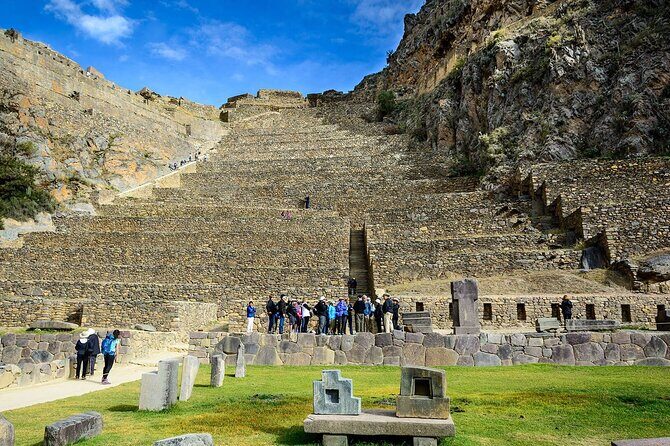
- Ollantaytambo: fortress, religious center, and agricultural power
- The smart move: an on-the-ground briefing before Machu Picchu
- Day 3: the guided Machu Picchu day, bus up, photos, then lunch and train back
- What happens at the top: guided context you can actually use
- Train back to Ollantaytambo, then to Cusco
- Day 4: easy departure from Cusco to airport or bus terminal
- Price and logistics: what $449 covers, and what it doesn’t
- Group size and care: why communication matters on a tight schedule
- Who this tour fits best
- Should you book Runas Trip Peru’s 4-day Sacred Valley and Machu Picchu tour?
- FAQ
- FAQ
- What is included in the tour price?
- Do I need to book a hotel near Machu Picchu in advance?
- How long is the guided tour at Machu Picchu?
- When does the Cusco city tour start on Day 1?
- How do you get back to Cusco after visiting Machu Picchu?
- How large is the group?
Key highlights you can count on
- Qoricancha’s Inca stonework explanation and why it stayed stable through earthquakes
- Sacsayhuaman’s massive limestone blocks and its zigzag, three-terrace design
- Pisac and Ollantaytambo in one Sacred Valley day, with time for lunch in Urubamba
- A guided Machu Picchu citadel tour of about three hours, plus time for photos
- Train transfers included between the Sacred Valley and Machu Picchu Pueblo
- Entrances, air-conditioned transport, and 2 included lunches so you’re not doing constant add-ons
How the Cusco-to-Machu Picchu route stays practical
This tour is built around one idea: get you to the right places, in the right order, without forcing you to manage the heavy logistics. You start in Cusco and work outward to the Sacred Valley, then the route turns into the Machu Picchu day that most people find stressful. Here, the train timing and on-the-ground transfers are part of the plan.
I also like the size limit. With a maximum of 18 people, you get the group rhythm without feeling like you’re in a moving crowd. That matters on sites where you want to actually hear the explanations, not just stand near the loudest person in line.
Quick heads-up: the booking info lists a start time of 8:00 pm. That doesn’t match the day-by-day flow described in the itinerary, so when you confirm, check the exact pickup timing for your first day arrival and hotel transfer.
You can also read our reviews of more tours and experiences in Cusco



Day 1: Qoricancha, then a Cusco skyline tour with five stops
Your arrival day is designed so you can land, get settled, and still do meaningful sightseeing. A company representative meets you at the airport and transfers you to your hotel. Then the morning is free, which is exactly what you need after travel—no sightseeing guilt if you arrive tired.
City tour begins at 2:00 p.m. with pickup from your hotel. From there, the tour moves quickly through five major sights, mostly within Cusco’s orbit. It’s a good first day because it gives you context for what you’ll see later. You’re not jumping straight into a single monument; you’re learning the local Inca story through multiple sites.
Qoricancha (Temple of the Sun): precision you can see with your eyes
Your first stop is Qoricancha, described as an indigenous religious sanctuary. The highlight is the Inca stonework: fine lithic technology carved from hard stone, with such tight cutting that a sheet of paper could not fit between the stones. You also learn that the complex has remained stable despite earthquakes.
Why it’s worth your time: this is one of the best places to understand why Inca architecture still feels impressive. Even if you’re not an engineering nerd, you’ll notice the precision right away.
Practical note: you’ll have about an hour here, so it’s enough time for the main explanations and a slow look, without turning into an all-afternoon detour.
Sacsayhuaman: the limestone blocks and the zigzag terraces
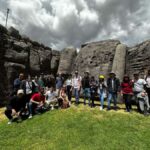
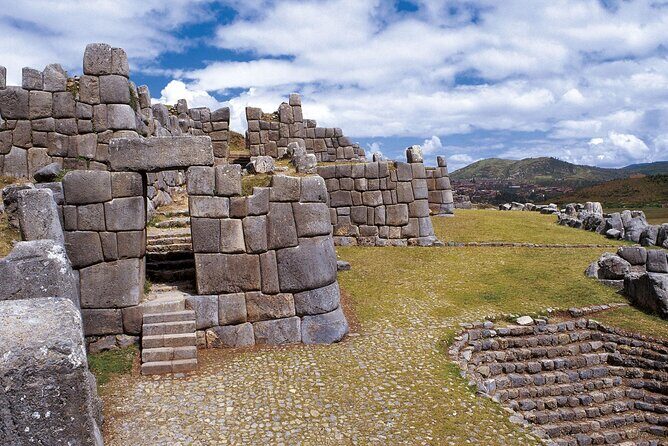
Next comes Sacsayhuaman, about 3 km from Cusco. This site is known for panoramic views and for massive blocks of limestone weighing 25 to 130 tons. The design is built in three stacked terraces that run in a serpentine, zigzag pattern.
What you’ll feel on the ground: the scale. Even from a short walk, those block sizes shift the whole experience from “pretty ruins” to “serious construction.”
You get about 1 hour 20 minutes, plus the views over Cusco. It’s a strong way to orient yourself for the rest of the trip.
Qenqo: labyrinth name, and the stone structures used for study
After Sacsayhuaman, you go to Jirón Qenqo, where Qenqo means labyrinth. The site is set on limestone rock with stone sculpture across about 500 m². Historians connect parts of it to astronomical and religious study, plus activities described as embalming or mummification.
You’ll have about 30 minutes. That’s short, but in a way it helps. You’re not asked to memorize details; you’re given a guided snapshot you can remember when you later see the bigger pattern of Inca thought.




Pucapucara: the red fortress and border control
Then you visit Pucapucara, described by Quechua roots as the red fortress. The idea here is strategic: a place for controlling surveillance of access and exit to the Imperial city of Cusco. It’s also presented as a territorial border used to divide regions and establish displacement regimes.
This is one of those stops where you might find yourself thinking: this wasn’t just art. It was infrastructure, defense, and governance.
You’ll only have about 30 minutes, so keep your questions simple: where would people have traveled through this area, and how does the terrain support control?
Tambomachay: Inca Baths, constant water, and Inca trail connections
Your final stop is Tambomachay, located about 9 km from Cusco. You’ll hear it called the Inca Baths, tied to water sources and the flow that’s described as constant. It’s also linked with the name waters of eternal youth. The itinerary even notes a connection to part of the Inca trail running from Cusco to Machu Picchu.
You’ll have about 30 minutes, and then the day ends around 6:30 p.m. That timing is helpful because it keeps Day 1 from stealing your entire evening, which you’ll want for rest.
Day 2: Pisac and Ollantaytambo, plus the train jump to Aguas Calientes
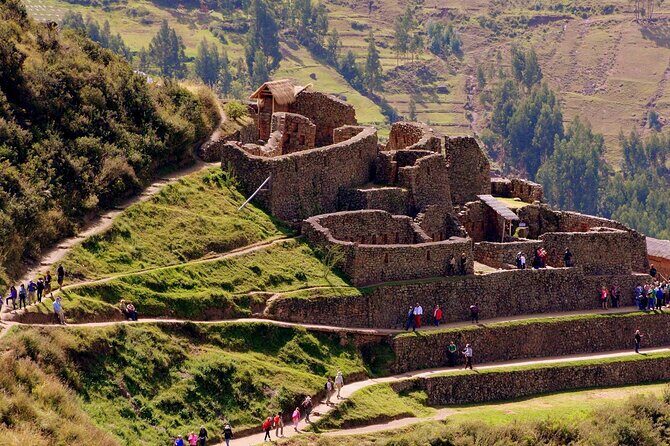
Day 2 starts with pickup from your Cusco hotel in the morning and a transfer to the Archaeological Park of Pisac. The drive is about 45 minutes, and the stop runs about 1 hour 30 minutes. Pisac’s value in this itinerary is how it balances the day: you get a major archaeological site before the Sacred Valley shifts into towns and rail connections.
Then, at noon, you’re driven to Urubamba for a buffet lunch focused on Peruvian cuisine. This is one of the best times to refuel, because after lunch you’ll be moving again, and the train day is where fatigue can sneak up on you.
Ollantaytambo: fortress, religious center, and agricultural power
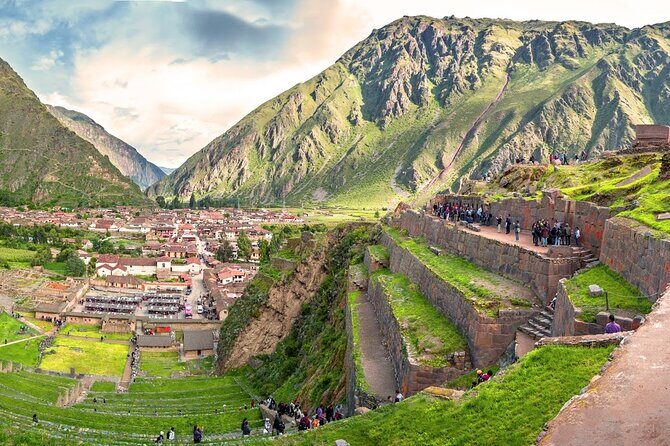
After lunch, you visit the fortress of Ollantaytambo in the district of the same name in Urubamba province. The complex is described as a strategic military, religious, and agricultural center. The architecture is presented as exceptional in size, style, and originality.
You get the chance to see how the Inca sites you saw in Cusco now look different—more tied to controlling space and supporting daily life.
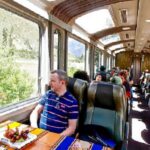
Then it’s train time. You head to the train station and board the train to Machupicchu Pueblo (Aguas Calientes). Upon arrival, staff meet you and take you to your hotel.
Important: the Machupicchu Pueblo hotel isn’t included. The tour provides transport and guidance, but lodging is on you.
The smart move: an on-the-ground briefing before Machu Picchu
Later, your guide visits your hotel and gives you information about the next day’s excursion to Machu Picchu. Even if you’ve done homework, this kind of briefing helps you avoid panicked questions later, like where you’ll meet and what the day’s rhythm looks like.
This is where I like the organization most: you’re not just dropped off. You’re set up for the big day.
Day 3: the guided Machu Picchu day, bus up, photos, then lunch and train back
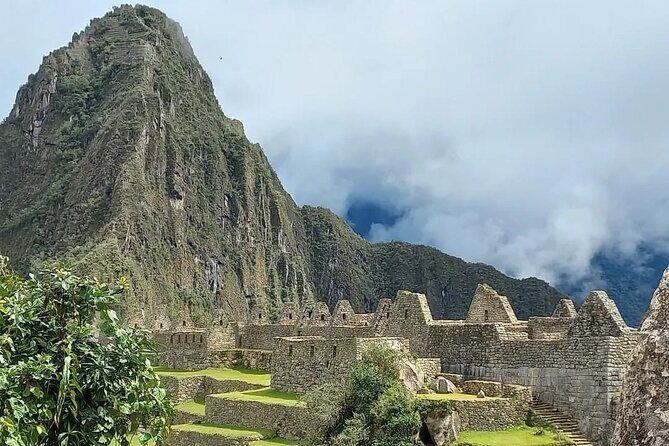
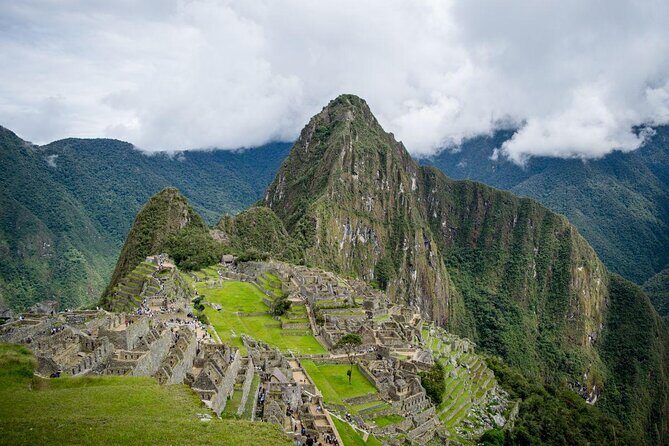
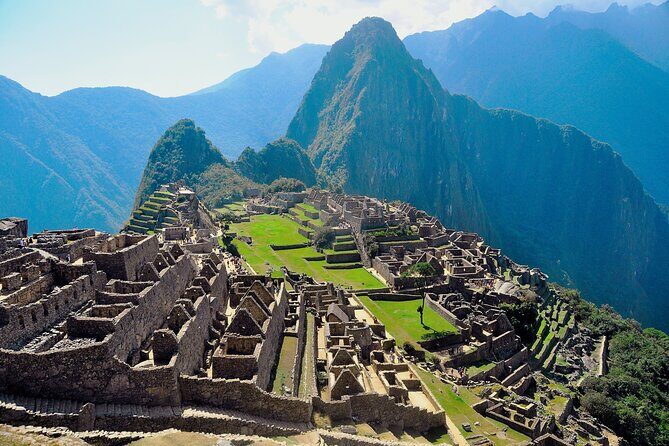
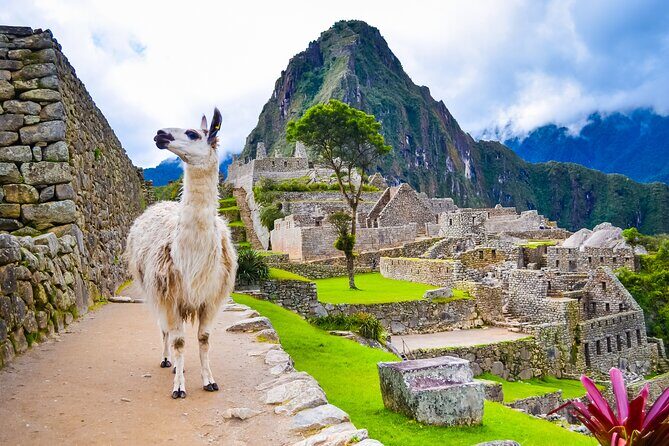
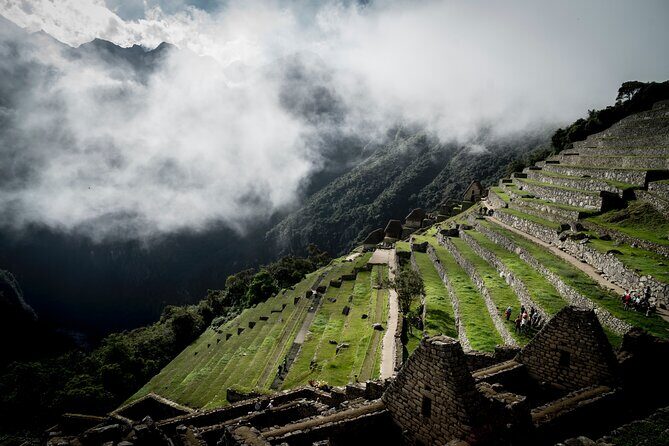
Day 3 is the heart of the trip. It starts with breakfast at your Machu Picchu hotel. Then you board a bus to reach the citadel of Machu Picchu, and the itinerary calls for a guided tour of about three hours.
During the guided tour, you’ll also have enough time to take photos. That’s a key point. Some tours act like photos are an afterthought. Here, the schedule explicitly includes time for pictures, so you can enjoy the view without feeling like you’re constantly rushing.
What happens at the top: guided context you can actually use
A guided visit changes Machu Picchu from a view to a place with meaning. You’re not just looking at walls and terraces; you’re hearing what to notice. The tour format also helps you pace yourself. If you try to do Machu Picchu solo, the hardest part is usually figuring out where to spend time and what questions to ask.
After the tour, you descend to the town by bus. Then the itinerary has you directed to a restaurant where lunch is included. That’s practical because it saves you from guessing where to eat with limited time.
Train back to Ollantaytambo, then to Cusco
In the afternoon, you take the return train from Aguas Calientes to Ollantaytambo. After that, you get transport to Cusco, with drop-off at your respective hotel.
So you get the full day at Machu Picchu, but you’re not stuck sleeping in a tourist zone again just to catch your ride. The return plan is part of the value here.
Day 4: easy departure from Cusco to airport or bus terminal
Day 4 is simple. At the indicated time, mobility meets you at your hotel to take you to the Cusco airport or bus terminal.
I like that this day doesn’t add new sightseeing. After three days of concentrated sights, you’ll probably want clean logistics and an uncluttered end.
Price and logistics: what $449 covers, and what it doesn’t
At $449 per person, this tour is in the mid-range for a guided Cusco and Sacred Valley package with Machu Picchu. The reason the value holds is that several expensive, time-consuming parts are handled: train tickets to Machu Picchu, site entrances, air-conditioned vehicle transport, and two included lunch meals.
Here’s what you should expect in the included list:
- pick up from the airport and transportation to the airport at the end
- entrance for all tourist sites
- train tickets to Machu Picchu
- air-conditioned vehicle
- 2 included lunches
What’s not included:
- the hotel in Machupicchu Pueblo (Aguas Calientes)
- anything not explicitly mentioned
So, do a quick budget check before booking. If you know you’ll need a hotel in Aguas Calientes, factor that cost in when comparing deals.
Also note the cancellation rule: it’s non-refundable and cannot be changed. That matters because Machu Picchu plans can get disrupted by personal circumstances. If your dates are firm, this doesn’t hurt. If not, it’s the main risk in the whole offer.
Group size and care: why communication matters on a tight schedule
The tour caps at a maximum of 18 people. That’s a sweet spot for guided days like this, where you move through multiple sites and need to stay on schedule. Smaller groups also make it easier to ask questions without feeling lost.
One more thing I appreciate based on the way the tour is described by people who used it: communication and support during the trip. The standout theme is that the agency stays in contact and helps when questions come up. When you’re doing train transfers and a timed Machu Picchu day, fast help beats endless waiting.
Who this tour fits best
This is a strong match for you if you want:
- a guided Machu Picchu day without building the plan yourself
- the Sacred Valley stitched into a logical sequence
- a group format that’s big enough to feel efficient and small enough to stay human
- included entrances and transport so you can spend time looking, not pricing things
It’s less ideal if you want total freedom each day or if your Machu Picchu hotel must be something specific that you prefer to choose yourself early.
Should you book Runas Trip Peru’s 4-day Sacred Valley and Machu Picchu tour?
If your dates are solid and you don’t mind arranging lodging in Machupicchu Pueblo, I’d say this is a smart way to do it. The tour covers the core costs that usually create stress—train tickets, entrances, and the on-the-ground transfers—while still giving you real guided time at Machu Picchu.
Book it if you value structure and clarity. You’ll know where you’re going and when, especially on the big day.
Skip or compare other options if you’re hoping for a fully flexible schedule, or if the non-refundable policy would make you nervous. And if you want full control over hotels in Aguas Calientes, you’ll need to do that part separately anyway.
FAQ
FAQ
What is included in the tour price?
The tour price includes airport pickup and transport at the end, entrances for all tourist sites, train tickets to Machu Picchu, air-conditioned vehicle transportation, and two included lunches.
Do I need to book a hotel near Machu Picchu in advance?
Yes. The hotel in Machu Picchu Pueblo (Aguas Calientes) is not included, so you’ll arrange that on your own.
How long is the guided tour at Machu Picchu?
You’ll get a guided tour of about three hours at Machu Picchu, plus enough time to take photos.
When does the Cusco city tour start on Day 1?
Day 1 sightseeing in Cusco starts at 2:00 p.m., with pickup from your hotel.
How do you get back to Cusco after visiting Machu Picchu?
After the Machu Picchu day, you return by train from Aguas Calientes to Ollantaytambo, then take transportation back to Cusco and are dropped at your respective hotel.
How large is the group?
The tour has a maximum group size of 18 people.