REVIEW · CUSCO
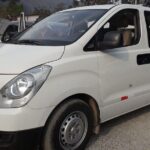
Private Bus and driver to the sacred Valley of Cusco (private car in Cusco)
Book on Viator →Operated by LIBERTY PERU TRAVEL · Bookable on Viator
Your Sacred Valley day can run on your clock. This private bus and driver service makes the Sacred Valley feel less like a sprint and more like a route you control, with stops at big sites plus smaller moments in between.
I especially like the no-rush setup. It’s private for your party (up to 8), so you’re not stuck waiting on other people’s photo stops. I also like the way the day mixes major Inca sites with places that still feel real today, including Ollantaytambo, which remains inhabited.
One consideration: you’ll handle your own site fees and meals. Salineras costs PEN 20 per person, and the boleto turistico is PEN 70 per person, plus lunch and other food aren’t included (there’s a buffet option in Urubamba).
In This Review
- Key highlights that matter in real life
- How the private bus and driver work from Cusco
- Your Sacred Valley route: Pisac and Ollantaytambo in sequence
- Pisac: crafts market and terraced archaeology
- Ollantaytambo: fortress, legend, and a living town
- Urubamba buffet lunch and why a planned break helps
- Maras and Moray: traditional villages, giant holes, and Inca experiments
- A small pacing tip for Moray
- Salineras salt mines: the 2,000 small wells you came for
- What you’ll want to watch for
- Chinchero: Inca temple, Catholic overlay, and textiles
- If you’re shopping for textiles
- Timing, pace, and making the day fit your plans
- The best way to use the private pace
- Price and what’s actually included (and what isn’t)
- How to budget without surprises
- About popularity and booking early
- Who this private Sacred Valley day trip suits best
- Practical tips before you go
- Should you book this private Sacred Valley day trip?
- FAQ
- What is the duration of this Sacred Valley experience?
- How many people is the private tour for?
- What does the tour cost?
- Is pickup from your accommodation included?
- Where is the meeting point in Cusco?
- What is included in the price?
- What entrance fees are not included?
- Are meals included?
- Can you be dropped off at the train station instead of returning to your hotel?
- If plans change, what happens?
Key highlights that matter in real life
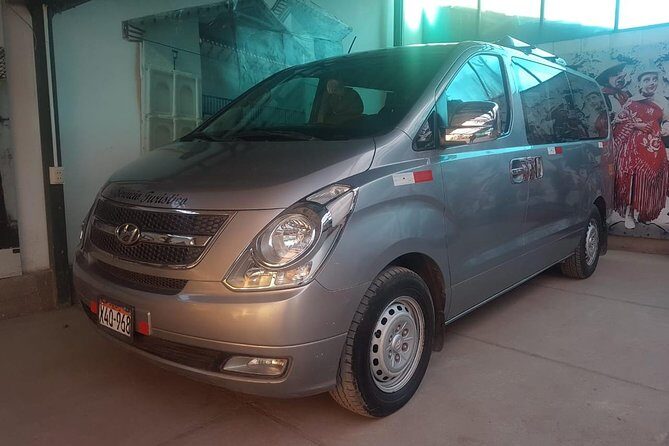
- Private transport for up to 8 means your schedule is yours, not a group calendar.
- Licensed driver in English-Spanish helps you move confidently between sites.
- Inca engineering in plain sight at Moray’s agricultural terraces and the Salineras salt wells.
- Pisac and Chinchero markets add a craft-and-textiles angle, not just ruins.
- Ollantaytambo is still lived-in, so you see a functioning town, not a museum set.
- You return around 7:00 PM, with an option to drop you near the train station if you have tickets.
How the private bus and driver work from Cusco
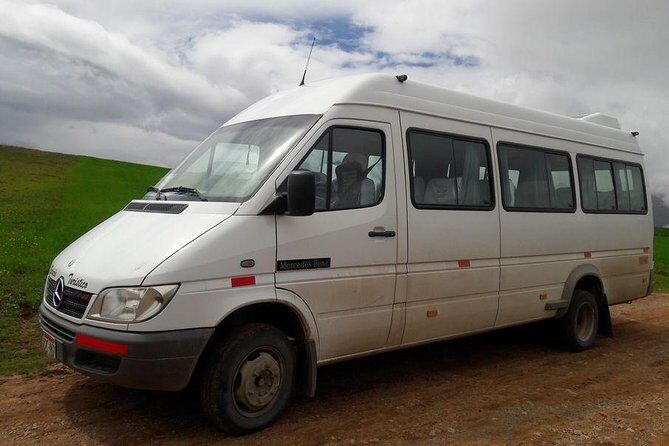
This is a private transfer day, centered on the Sacred Valley of the Incas, starting in Cusco and ending back in Cusco around 7:00 PM. You meet at Plaza San Francisco (Pl. San Francisco, Cusco 08002), or they can pick you up depending on where you’re staying.
The service is described as private for your group, up to 8 people. In other words, you’re paying for a car/driver that runs around your itinerary choices, not a shared minibus where time gets chopped up by other parties.
The driver is licensed and speaks English-Spanish, which is a big deal in rural areas where signs and explanations can be spotty. It also keeps the day smoother when you’re bouncing between multiple sites that have very different “feels” in how you visit them.
Booking this kind of day trip is smart if you want to avoid the classic Sacred Valley problem: getting dragged through stops with barely enough time to look up. The private format is built to solve that.
You can also read our reviews of more private tours in Cusco

Your Sacred Valley route: Pisac and Ollantaytambo in sequence
The day’s flow is designed like a classic Sacred Valley loop: Pisac first, then Ollantaytambo, then down toward Urubamba and onward to Maras, Moray, salt mines, and Chinchero.
Pisac: crafts market and terraced archaeology
You start with Pisac, where you’ll have two main pieces of the stop:
- The famous market of crafts
- The archaeological site of Pisac with terraced areas on the mountains
Pisac is one of those places where you can spend time two ways. If you like shopping, aim for the market part early so you’re not tired. If you’re focused on ruins, keep enough time for the terraces so you can actually see how the hillside was carved and used.
A helpful mindset: terraced sites can feel like a lot of stairs. Private pacing helps because you can linger at viewpoints without feeling like you’re falling behind.
Ollantaytambo: fortress, legend, and a living town
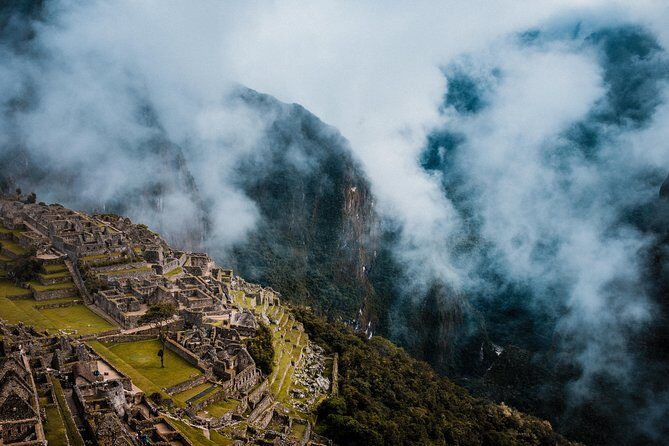
Next is the fortress of Ollantaytambo. It’s described as a tambo-like site from Inca times, named in honor of Chief Ollanta, connected to a famous story about his affair with an Inca princess, the daughter of Pachacutec.
What makes Ollantaytambo special for your day is not just the archaeology. It’s noted as the only city of the Incas in Peru that is still inhabited. That means you’re not walking through a sealed-off set. You’re moving through a town with present-day life, which usually makes the stone feel more grounded.
Practical note: because it’s inhabited, street-level moments can be part of the experience. If your goal is photography, start looking for angles where the fortress and town sit together.
Urubamba buffet lunch and why a planned break helps
After Ollantaytambo, you head to Urubamba, where there’s a delicious buffet lunch option. This matters because your day includes multiple archaeological stops plus viewpoints, and fatigue is what turns “interesting” into “I just want to be done.”
A buffet-style lunch is useful in a private day because you can keep the meal at a length that matches your energy. You’re not stuck with a set sitting time that feels too short.
If you’re trying to keep your budget controlled, plan to eat your actual meal here rather than relying on snacks between ruins. Meals and drinks aren’t included in the tour price, so this is one of the best points to take care of food without scrambling.
You can also read our reviews of more tours and experiences in Cusco




Maras and Moray: traditional villages, giant holes, and Inca experiments
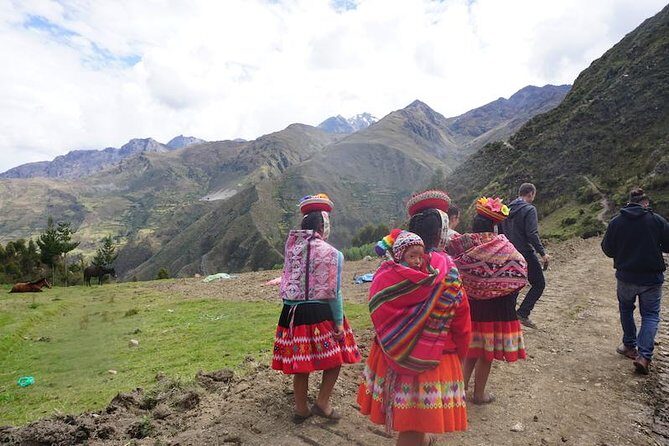
After lunch, the route continues through typical populations and scenic country roads on the way to Maras. Maras is described as a picturesque village with pre-Hispanic, colonial, and republican attractions, so it’s not only about one stop.
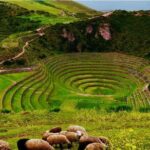
You’ll then visit Moray, an archaeological site known for terraces in natural gigantic holes. The description is specific: the largest hole has a depth of about 150 meters, and the average platform height is about 1.80 meters between terraces. The key point is the purpose—these farming terraces were used by the Incas as an agricultural experimentation center.
Even if you’ve read about the Sacred Valley before, Moray tends to land differently because you can see the “how” in the geography. The holes change conditions for growing, and the terraces show how the Incas turned terrain into a working system.
A small pacing tip for Moray
Moray can be visually intense—lots of lines, levels, and viewpoints. With private pacing, you can do a slower circuit: first look for the big structure, then return to pick a single section to study more closely.
Salineras salt mines: the 2,000 small wells you came for
Next up is Salineras, also called the Salt Mines. The description is very clear: it consists of about 2,000 small salt wells, exploited since Inca times as a means of economic exchange.
This stop is one of the easiest places to understand the region’s “economy of landscape.” You can see the scale quickly, and you get a sense that this wasn’t a single quarry. It was a system of many small production points.
What you’ll want to watch for
When you arrive, look at patterns across the wells. The purpose isn’t just to admire salt as an idea. It’s to understand that production shaped the terrain over time, and it continues as a visible patchwork.
Because it’s a private tour, you can spend longer here if you’re a detail person (or move faster if you’re mostly collecting a first impression). That flexibility is often what people pay for in these day tours.
Chinchero: Inca temple, Catholic overlay, and textiles
The last major stop is Chinchero. You’ll visit an archaeological site that started as an Inca temple and then, during colonial times, a Catholic temple was built over it. That mix of layers is one of the most compelling parts of the Sacred Valley story: you can see how belief systems changed while local geography and sacred space stayed important.
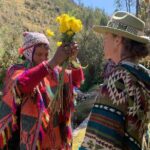
After the archaeological visit, you’ll also visit the market of Chinchero. The highlight here is that you get a demonstration of an Inca process to get textiles.
This is the kind of stop that balances the day. Up to this point you’ve got ruins and production (agriculture and salt). Chinchero adds something closer to craft knowledge—how materials turn into usable cloth.
If you’re shopping for textiles
You’ll see demonstrations, and you’ll likely get ideas about quality and process. Even if you don’t buy, it helps you understand what you’re looking at when you’re deciding whether something is just a souvenir or something made with real attention.
Timing, pace, and making the day fit your plans
The day runs about 1 day (approx.) and returns to Cusco around 7:00 PM. If you have a train ticket, you can also ask to be dropped off at the train station instead of returning to a hotel address.
This scheduling matters because many people combine Sacred Valley sites with Machu Picchu timing. If your train leaves later, arriving around 7:00 PM gives you a workable buffer. Still, plan to confirm your exact drop-off option with the provider so you’re not guessing on the day.
The best way to use the private pace
Use the private format like this:
- Spend more time at one “anchor” stop (like Pisac or Moray)
- Then keep the other stops moving so you don’t feel rushed
- Don’t try to capture everything in one pass; pick angles and points of interest
The day is packed by default. Your job is choosing what gets your attention so the day feels satisfying rather than crowded in your brain.
Price and what’s actually included (and what isn’t)
The price is $150.00 per group, up to 8 people. That’s where the value math changes. If you go with fewer people, it’s still a fair private day, but the cost per person rises. With a full group close to 8, the per-person cost becomes much more manageable.
Included in the price:
- Tourist transport with all the licenses
- A licensed driver (English-Spanish)
- Pickup offered (with the right accommodation details provided)
Not included:
- Meals, drinks, snacks
- Entrance fee for Salineras: PEN 20 per person
- Admission fee: boleto turistico PEN 70 per person
How to budget without surprises
Before you go, add up what you’ll pay beyond the tour:
- boleto turistico (PEN 70 pp)
- Salineras entrance (PEN 20 pp)
- lunch and any snacks
Then decide how you want to handle drinks. If you’re prone to buying water often, plan for that too. It’s not listed as included.
About popularity and booking early
This experience is listed as frequently booked well in advance (an average of 156 days). That tells you something practical: plan ahead so you can get your preferred date and a smooth start time.
Who this private Sacred Valley day trip suits best
This fits best if you want:
- A private schedule with your own pace
- A full-day loop that covers the major highlights plus textiles
- Less fatigue than a rushed, shared-group format
It’s also a good choice if you’re traveling with family or friends who don’t move at the same speed. With a private vehicle, you can slow down when someone needs it and keep going when everyone is ready.
If you’re the kind of traveler who enjoys learning but hates being moved on every 10 minutes, this style makes sense. The strongest feedback tied to this service centers on calm pacing and clear explanations from the people running the day.
It may be less ideal if you want a strict, timed guided narrative and you don’t care about flexibility. In that case, you might prefer a more structured multi-stop tour with fixed timing.
Practical tips before you go
A few planning ideas help your day feel smoother:
- Bring comfy walking shoes. You’ll be in archaeological zones and on uneven ground.
- Bring a layer. Mountain sun and cooler air can switch fast.
- Consider cash for site fees like Salineras and the boleto turistico since those are not included.
- If you’re getting picked up, send your hotel or Airbnb name and address. If they’re picking you up from the airport, include the airport company and flight number.
- Decide ahead of time where you want your extra minutes: markets, views, or the ruins themselves.
If you like photos, remember that Chinchero, Moray, and Salineras are the kind of places where light can change the look quickly. Private time lets you adjust rather than cut it short.
Should you book this private Sacred Valley day trip?
I’d book it if you value control. This tour is set up to cover the big Sacred Valley highlights—Pisac, Ollantaytambo, Urubamba, Maras, Moray, Salineras, and Chinchero—without forcing you into constant crowd management.
It also looks like a smart deal when you’re traveling with more people, because the per-group price keeps it reasonable. Just go in with a clear budget for what you’ll pay on top (PEN 20 for Salineras, PEN 70 for the boleto turistico, plus meals).
If your priority is a relaxed day where you can linger at markets or viewpoints and still hit the major sites, this private transfer format is a strong match.
FAQ
What is the duration of this Sacred Valley experience?
It’s listed as about 1 day.
How many people is the private tour for?
It’s priced per group up to 8 people, and only your group participates.
What does the tour cost?
The price is $150 per group.
Is pickup from your accommodation included?
Pickup is offered. You’ll need to provide your accommodation name and address, and if picking up from the airport, the company name and flight number.
Where is the meeting point in Cusco?
The start is Plaza San Francisco (Pl. San Francisco, Cusco 08002, Peru).
What is included in the price?
Tourist transport with all the licenses and a licensed driver (English-Spanish) are included.
What entrance fees are not included?
Salineras entrance fee is PEN 20 per person, and the boleto turistico is PEN 70 per person.
Are meals included?
Meals, drinks, and snacks are not included. There is a buffet lunch option in Urubamba.
Can you be dropped off at the train station instead of returning to your hotel?
Yes. You can request to be left at the train station if you have a train ticket.
If plans change, what happens?
This experience is non-refundable and cannot be changed for any reason.