REVIEW · CUSCO
Best of Peru in 6 days: Cusco, Machu Picchu and Lake Titicaca
Book on Viator →Operated by FLY CUSCO Perú Travel Agency · Bookable on Viator
One place can change your altitude. This 6-day Best of Peru route strings together Sacred Valley highlights and Machu Picchu access with a small group, so you spend less time figuring things out and more time actually seeing. I love that it stays organized with hotel pickup/drop-off and a guided flow from place to place, and I also like the food plan (including a big buffet lunch in the Sacred Valley and a traditional lunch on Taquile). The one drawback to think about: your Machu Picchu ticket is allocated based on availability, so you’ll want to book early and provide your passport details exactly for the required entry process.
This is a great fit if you want the big names of Peru without the stress of juggling tickets, train timing, and multiple transfers across high elevation. You’ll also get a real guided overview of the Sacred Valley area, with stops that explain how the Incas engineered food and settlement patterns—not just photo ops.
The pace is active. You’ll be on the move a lot, with early starts and walking at key sites, plus altitude in Cusco and on the lake. If you hate tight schedules or you want total freedom day-by-day, you may feel constrained.
In This Review
- Key highlights worth caring about
- Cusco arrival with pickup and a game plan that reduces stress
- Sacred Valley without the DIY headaches: textiles, terraces, and ruins
- Chinchero: alpacas, llamas, and old-school dyeing
- Moray: the Inca lab for microclimates
- Maras salt terraces: engineering you can walk around
- Lunch at Don Ángel Inka Casona: big buffet, easy win
- Ollantaytambo: the gateway to Machu Picchu
- Machu Picchu Circuit 2: what you get, and what to watch for
- Circuit choice: book early for Circuit 2
- Passport details are not optional
- Lunch note: your midday break isn’t included
- Cusco to Puno by comfortable bus: breaks built into a long travel day
- Lake Titicaca: Uros floating reeds and Taquile’s textile traditions
- Uros: man-made floating islands made of reeds
- Taquile: walking, cultural craft, and lunch
- Day 6 exit: flight from Juliaca, return to Cusco, or continue to La Paz
- Value and comfort: where the $799 price really goes
- Who this tour suits best (and who should rethink it)
- Should you book this Best of Peru tour?
- FAQ
- FAQ
- What’s included in the Machu Picchu visit?
- Are meals like lunch included every day?
- Do I need to pay extra fees in the Sacred Valley?
- How big is the group?
- What information do I need to provide for Machu Picchu?
- How do I get to my next destination on day 6?
Key highlights worth caring about
- Maximum small-group feel (capped between 12 and 15, so you’re not lost in a crowd)
- Machu Picchu Circuit 2 access plus a guided walkthrough of the citadel
- Train + bus logistics handled from Ollantaytambo to Aguas Calientes and back
- Sacred Valley stops that teach (Chinchero textiles, Moray microclimates, Maras salt terraces)
- Lake Titicaca Uros + Taquile day with a warm welcome from locals and included boat tour
- Comfort-first transportation with guided segments on the long travel day to Puno
Cusco arrival with pickup and a game plan that reduces stress
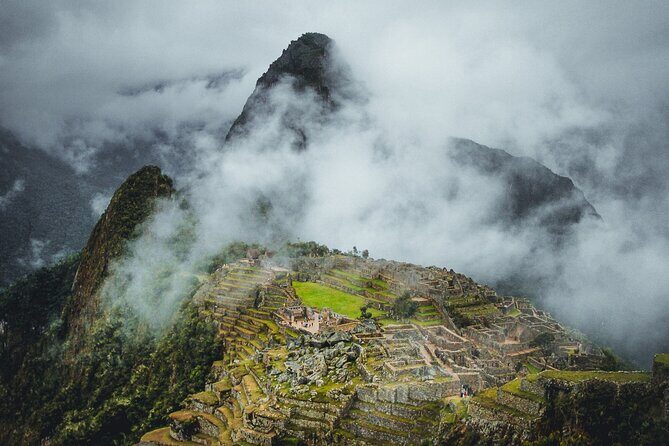
Day 1 keeps things simple. When you land at Cusco Airport, you’re met by a representative and taken privately to your hotel. During the transfer (or after you check in), your guide gives you a step-by-step briefing using a map-style overview so you know what’s coming next—time, locations, and how the days connect.
If you arrive early or you like adding extra time, you can optionally do a city tour of Cusco at your own expense, but the core value here is that you start Day 2 ready to go. That matters in Cusco because jet lag plus altitude can make you sloppy with timing, and this tour tries hard to prevent that.
You also choose your hotel category for the 5-night stay (2, 3, or 4 star). Breakfast is included daily, which helps because the itinerary has early starts. If you’ve ever booked a tour where breakfast feels like an afterthought, this is the opposite: it’s part of the rhythm.
You can also read our reviews of more tours and experiences in Cusco
Sacred Valley without the DIY headaches: textiles, terraces, and ruins
Day 2 is where the Sacred Valley becomes real. After breakfast, you’re picked up from your hotel and start with Andean scenery, then head into the sites that most travelers remember for how different each one feels.
Chinchero: alpacas, llamas, and old-school dyeing
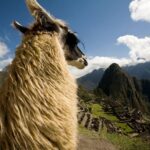
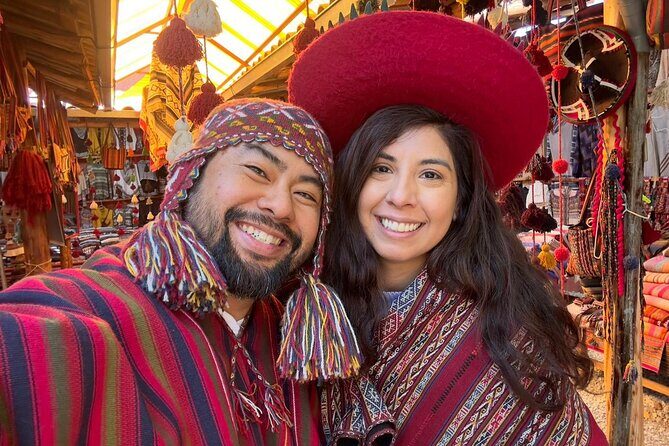
You stop in Chinchero and visit a local family that keeps textile traditions alive. You get time around the alpacas and llamas, plus a look at natural dyeing techniques used to create those vivid hand-woven fabrics. It’s not just watching—it’s interacting and learning what goes into the colors and the craft.
If you like cultural stops that feel human-scale, this one tends to land well. It also avoids the trap of only seeing “big ruins” and missing the everyday traditions that still exist around Cusco.
Moray: the Inca lab for microclimates
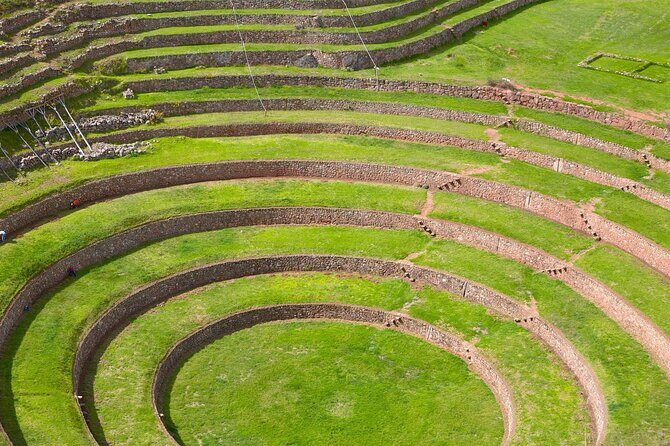
Next up is Moray, famous for its circular terraces. Your guide explains how the Incas tested different microclimates to grow food—basically farming science before modern agriculture. The ruins here can be visually striking, but the real win is the explanation: you leave understanding why this place looks the way it does.
Maras salt terraces: engineering you can walk around
Then you head to Salinas de Maras, where layered salt pans cover the hillside. The practical value of including this stop is context: your guide ties it back to how the region’s geography supports resource extraction. The terraces are a strong photo stop, but they’re also a good example of how the Andes shape livelihoods.
One consideration: the tickets for Moray and Salinas de Maras are listed as not included, so you should plan on site fees. Also note there is a Sacred Valley ticket listed separately as PEN 90 per person.






Lunch at Don Ángel Inka Casona: big buffet, easy win
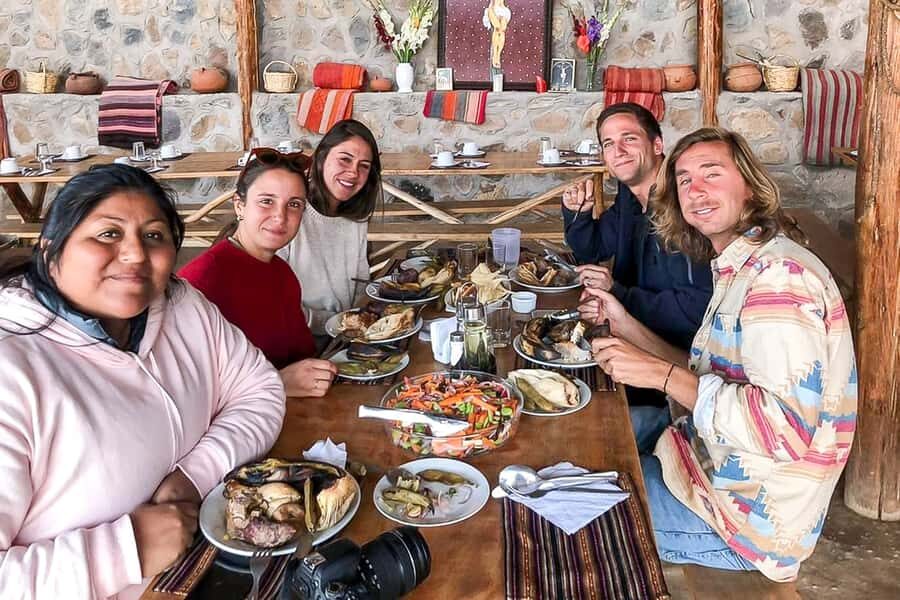
At midday you stop for lunch at Don Angel Inka Casona Restaurant. This is a buffet-style spread with more than 50 Peruvian options, plus vegetarian choices. It’s one of those included meals that removes a real headache: you’re not hunting for food in an area where timing can get tight.
Ollantaytambo: the gateway to Machu Picchu
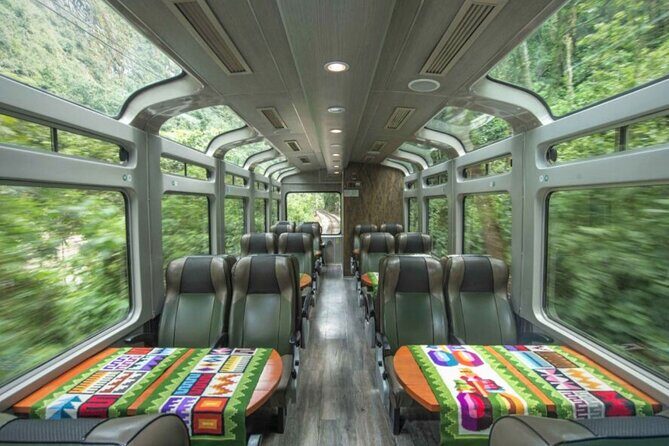
The day ends at Ollantaytambo, with ruins and terraced views. This center was tied to military, religious, and agricultural life—and crucially, it helped guard the route toward Machu Picchu. Then you transition to the train station for your selected train service onward to Aguas Calientes.
The transition timing is important. You arrive in Aguas Calientes in the early evening, check in, and then have free time to rest or explore town on your own. If you’re the type who needs downtime before a big day tomorrow, this schedule gives you that.
Machu Picchu Circuit 2: what you get, and what to watch for
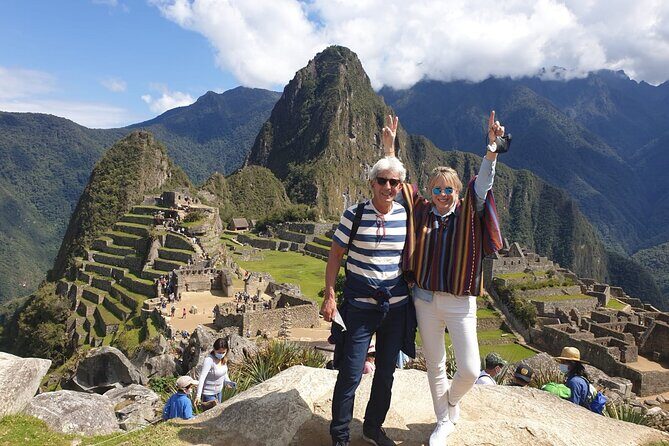
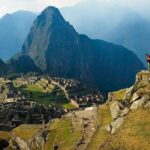
Day 3 is the headline. After breakfast, you go with your guide to the bus station and then up to the Machu Picchu main gate. From there, you start your guided walk through the main streets and squares of the historic citadel—climbing stone steps, absorbing the scale, and learning what you’re seeing.
This tour includes a Machu Picchu entry ticket (Circuit 2) and the guided portion. After the guided walk, you get additional time to explore on your own. That’s key. A guide is great for structure, but you still need time to wander at your own speed and pick the viewpoints you want most.
Circuit choice: book early for Circuit 2
Machu Picchu ticket allocation depends on availability. Circuit 2 is the recommended option, and the guidance you’re given is to book at least 2 to 3 months in advance. If Circuit 2 is sold out, you may get Circuit 1 or Circuit 3 assigned instead.
That’s the biggest “watch this” detail for planning your expectations. You’re still visiting Machu Picchu with included entry, but the route and which areas are accessible can vary by circuit.
Passport details are not optional
The Machu Picchu authorities require your full name, passport number, date of birth, and nationality to issue the entry. This isn’t a vague administrative note—it’s the difference between a smooth entry and a problem. Double-check these exactly as shown in your passport before you book.
Lunch note: your midday break isn’t included
After the visit, you bus back to Aguas Calientes. You’ll have time for lunch, but lunch on this day is listed as not included. So plan either to buy lunch there or bring a snack strategy so you don’t get stuck hungry between key times.
One practical tip: you’ll ride a bus up and then take a train later. If you care about views on the train (mountain side vs river side), seat assignment can be a factor. When you select your train class and schedule, ask what you can about seating choices and pick the timing that matches your preference.
Cusco to Puno by comfortable bus: breaks built into a long travel day
Day 4 moves you from Cusco area down toward Puno, alongside Lake Titicaca. It’s a long day in terms of distance, but it’s structured with stops that keep you from feeling like you’re trapped on a bus the whole time.
You take a guided bus tour en route to Puno with drinks included and an English-speaking guide. Along the way, you stop at:
- Andahuaylillas, known for La Capilla Sistina
- Raqchi Archaeological Park
- Sicuani for lunch (included)
- La Raya (the border between Cusco and Puno)
- Pucara
This is the value of having a guided route rather than just transportation. Those stops turn the transfer day into “moving sightseeing,” and they also help reset your energy level after altitude.
When you arrive in Puno, a representative assists you and gives an overview of Puno while you’re taken to your hotel. It’s a nice touch because Puno can feel confusing at first, especially if you’re trying to time lake activities.
Lake Titicaca: Uros floating reeds and Taquile’s textile traditions
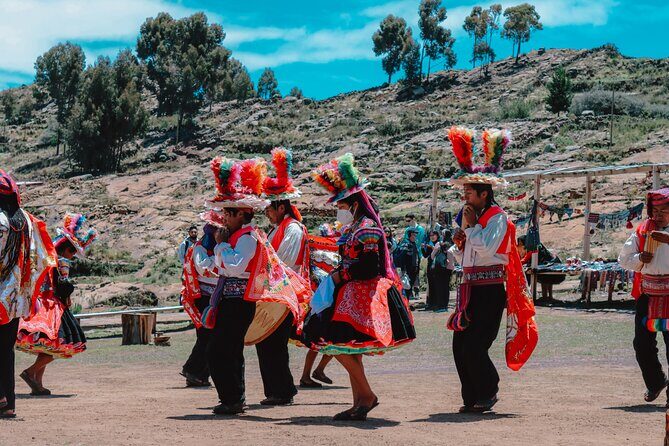
Day 5 is your lake day, and it’s designed as a full cultural loop. After breakfast, pickup gets you to the main port in Puno. You start with a panoramic tour and then board a motorboat.
Uros: man-made floating islands made of reeds
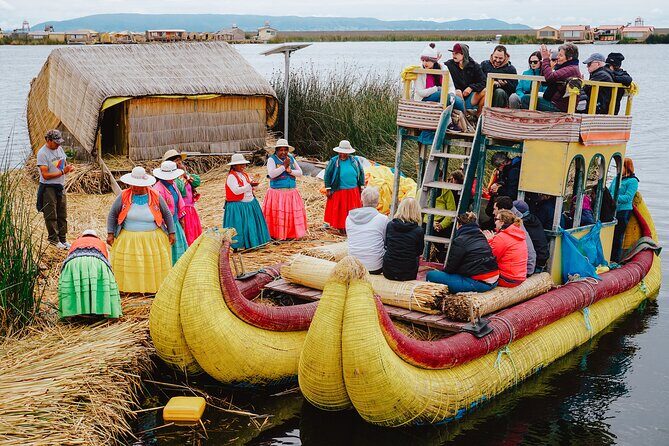
First stop is the floating islands of Uros, made entirely of reeds. You’ll get a warm welcome from locals and see rustic homes as your guide shares the history. The Uros islands are described as originally built as a defense mechanism, and the reeds are flexible so the islands can move during attack.
This part is fascinating because it’s practical survival engineering, not just a spectacle. You also hear about the logistical challenges, like issues caused by rotting reed foundations—so it comes with real-life context.
Taquile: walking, cultural craft, and lunch
After Uros, you disembark on Taquile. The tour includes time on the island, where traditional fabrics and artisan methods are still part of daily life. Women’s traditional clothing and the island’s emphasis on heritage are part of what you’ll notice.
There’s also a traditional light lunch inspired by regional recipes. After your time on Taquile, you return by boat to your hotel in Puno.
Keep expectations realistic: this day includes walking and it can be hot, and altitude affects how breathless you feel during climbs. Bring sunscreen and water habits you trust, and plan to move at a slower pace than you would at sea level.
Day 6 exit: flight from Juliaca, return to Cusco, or continue to La Paz
Day 6 is a choose-your-own-exit day, based on your departure plans.
You have three options:
- Transfer to Juliaca Airport (JUL) for a flight back to Lima or other destinations (only one hour from Puno)
- Go to the bus station and take a bus back to Cusco
- Take a bus onward to Bolivia (La Paz) (bus ticket not included)
This flexibility is useful because flights out of the region don’t always line up with the end of a tour day. If you want the smoothest travel day, the Juliaca flight option usually makes sense since it’s close to Puno.
Value and comfort: where the $799 price really goes
At $799 per person for 6 days, the value is mostly in what you don’t have to plan. You’re paying for hotel nights, guided transfers, and the core big-ticket logistics:
- Train tickets for Ollantaytambo ⇄ Aguas Calientes ⇄ Ollantaytambo
- Bus up/down between Aguas Calientes and Machu Picchu
- Guided bus tour from Cusco toward Puno
- Guided Lake Titicaca boat tour (Uros and Taquile)
- Entrance ticket to Machu Picchu Citadel (Circuit 2)
The one missing piece to account for is the Sacred Valley site fees. The Sacred Valley ticket is listed as PEN 90 per person, and certain stops like Moray and Maras are noted as not included. So the final spend depends on which fees you’ll need to pay onsite.
My practical take: if you’re traveling solo or you don’t want to spend days on ticket math and train schedules, this kind of package tends to be worth it. If you already know you want to DIY everything, you might save money—but you’ll trade that for planning time and more uncertainty.
Also, this is marketed as maximum small group. That matters because you’re not stuck waiting forever at each stop for a huge crowd to do the same photos.
Who this tour suits best (and who should rethink it)
This is a strong match for:
- First-timers to Peru who want a guided “greatest hits” route
- People who prefer punctual pickup/drop-off and simple logistics
- Travelers who like learning the story behind sites, not only taking pictures
- Anyone who values that Machu Picchu entry and transport are handled end-to-end
You might rethink it if:
- You hate early starts or long travel days
- You want total freedom to change timing day-by-day
- You’re very cost-driven and willing to plan tickets and trains yourself
- You need lots of downtime between activities (this itinerary keeps you moving)
Should you book this Best of Peru tour?
I’d book it if your priority is a well-run route through Cusco + Sacred Valley + Machu Picchu + Lake Titicaca without juggling dozens of moving parts. The small-group setup, included train and bus logistics, and the fact that the longer day (Cusco to Puno) is broken up with guided stops make it feel practical, not just impressive on paper.
If you do book, do these two things early: secure your Machu Picchu circuit option if you can (Circuit 2 is recommended), and double-check your passport details exactly as required. Then pack for altitude and active walking, even if you’re not a hardcore hiker.
FAQ
FAQ
What’s included in the Machu Picchu visit?
You get an entrance ticket to Machu Picchu Citadel (Circuit 2), plus a guided visit. The bus between Aguas Calientes and Machu Picchu is included, as is the train service between Ollantaytambo and Aguas Calientes and back.
Are meals like lunch included every day?
Breakfast is included for 5 days. Lunch is included for 3 days during the itinerary. On the Machu Picchu day, you’ll have time for lunch in Aguas Calientes, but lunch is not included.
Do I need to pay extra fees in the Sacred Valley?
Yes. A Sacred Valley ticket is listed as PEN 90.00 per person, and tickets for Moray and Salinas de Maras are also listed as not included.
How big is the group?
The tour is described as a small group. Highlights mention a maximum of 12 people, and other information states a maximum of 15 travelers.
What information do I need to provide for Machu Picchu?
You’ll need to provide your full name, passport number, date of birth, and nationality exactly as shown on your passport so the entry can be issued.
How do I get to my next destination on day 6?
You can choose between a transfer to Juliaca Airport (upon request) for flights, a bus back to Cusco, or a bus to La Paz (bus ticket not included).