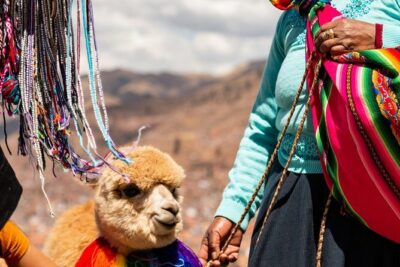
A textile lesson with an altitude bonus. It takes you into Patacancha Valley above Ollantaytambo for a Quechua homestay where you learn spinning and weaving from the people who make the textiles. I like that it’s hands-on, not a stage show.
For Day 2, Pachamanca is the payoff: you’ll eat a traditional earth-oven lunch and then visit a private textile market with artisans from the cooperative. This kind of meal-and-market combo is rare in a 2-day trip, and it keeps the day grounded in real village life.
The trade-off is the altitude and footing. Expect cold evenings, uneven ground, and some walking options that can feel challenging if you’re not used to higher elevation.
In This Review
- Key highlights you should know
- Cusco’s Andean Overnight: How the Day Starts in Ollantaytambo
- Day 1 in the Quechua Village: Weaving Lessons That Actually Teach
- The Backstrap Loom, Natural Dyes, and the Stories Behind the Threads
- Afternoon Options Above Ollantaytambo: Hike, Alpacas, or Slower Weaving Time
- Homestay Night: Private Room, Traditional Meal, and Cold-Air Reality
- Day 2 Starts With Breakfast, Then Hits With Pachamanca
- The Private Market and Artisan Cooperative Advantage
- English Support and Group Size: Why It Feels Personal
- Price and Value: What $254 Covers in Real Terms
- Who Should Book (and Who Should Adjust Expectations)
- Should You Book This Andean Overnight?
- FAQ
- FAQ
- Where is the meeting point for the Andean Overnight?
- What time does the tour begin?
- How long is the tour?
- What’s included with the price?
- Do I need to bring my own transportation to Ollantaytambo?
- What should I bring for the hiking and weather?
- Is an English-speaking guide included?
- Can dietary restrictions be accommodated?
- Will I have phone service in the village?
- Is there any flexibility if I cancel?
Key highlights you should know
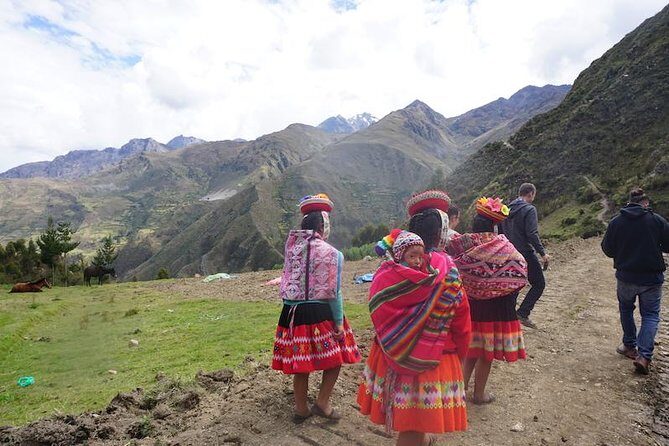
- Backstrap weaving basics plus a try at a drop spindle, with real help from your textile teacher
- Earth-oven Pachamanca lunch on Day 2, slow-roasted in hot stones
- Homestay rhythm: warm meals, private room, and a simple setup that’s often cozier than you’d expect
- Private co-op textile market with the artisans themselves, plus time to browse and ask questions
- Small group feel with a maximum of 16 travelers and an English-speaking guide/interpreter
Cusco’s Andean Overnight: How the Day Starts in Ollantaytambo
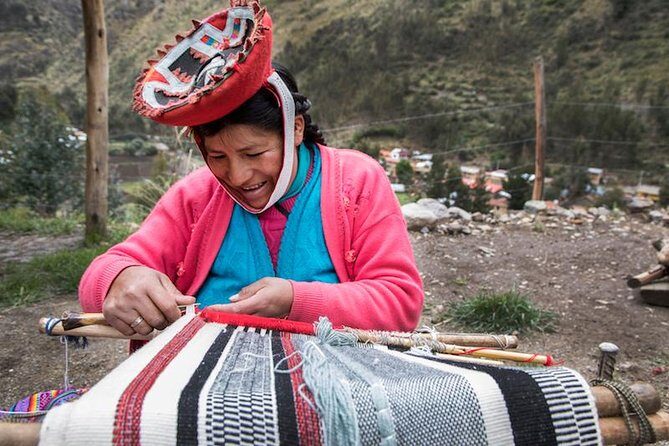
Your trip is built around one simple base: Ollantaytambo. You meet at La Esquina plaza de armas at 9:00 am, and you’ll return to the same spot at the end. Round-trip transportation from Ollantaytambo is included, so you’re not juggling taxis or public buses while you’re already dealing with altitude and a tight schedule.
This is also one of those tours where the small details help. You’re given bottled water, plus coffee and/or tea and snacks. And you’ll want to come ready with warm layers and rain gear, because evenings can turn chilly fast, even when the afternoon sun is strong.
You can also read our reviews of more tours and experiences in Cusco.
Day 1 in the Quechua Village: Weaving Lessons That Actually Teach
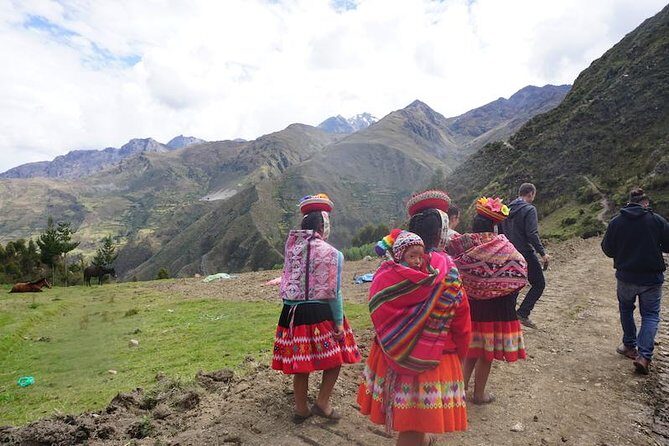
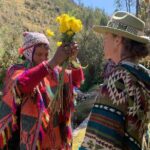
The first day is all about connection and craft. You travel from Ollantaytambo up into rural Quechua communities in the high Andes, where artisan leaders share how textiles are made—spinning, dyeing, and weaving on a backstrap loom. This matters because it turns textiles from something you buy into something you understand.
You’ll do the practical part too. Plan on trying spinning on a drop spindle, and then weaving your own bracelet (with plenty of help). Even if you’re not artsy, the point is getting your hands moving and learning why the process takes time. One review described how trying a simple bracelet made the finished products suddenly feel much more impressive, because you can feel the effort in every step.
Lunch on Day 1 is in an artisan’s home. Expect something typical and filling—soup or salad plus a main course—so you’re not eating a rushed sandwich between activities. It’s an important reset before the afternoon hike or extra weaving time.
The Backstrap Loom, Natural Dyes, and the Stories Behind the Threads
If you only remember one thing from this overnight, make it this: you’re learning the full textile chain, not just the final weave. That includes where fiber comes from, how colors are created, and how long you sit and work to build patterns.
In the process, you’ll also hear about plant knowledge. People associated with the co-op discuss how materials used for dye can also connect to traditional medicinal uses. That’s one reason this feels like more than a craft workshop: it ties textiles to the land and to daily life.
Language help matters here. Your English-speaking guide/interpreter may be someone like Gabriella (known for patient translation and steady support), or another interpreter such as Mario or Juan depending on the day and group. Either way, the goal stays the same: you can ask questions, you can follow along, and you don’t have to guess at what’s being explained.
Afternoon Options Above Ollantaytambo: Hike, Alpacas, or Slower Weaving Time
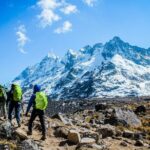
After lunch, you get to choose how active you want the afternoon to be. The plan includes time to hike to a glacial lake or to alpaca herding grounds. If you’d rather go easier, you can choose a gentler walk through the village or opt for more in-depth weaving lessons.
Bring hiking boots or sturdy shoes. The guidance specifically calls out mud, and you’ll be walking over uneven ground at altitude. Even if you pick the gentler option, the terrain is still the Andes, not a flat park path.
One of the most memorable components is the chance to learn while moving. In some cases, groups are taken on hikes that include medicinal herb explanations alongside stories about local life. You also might see alpacas grazing and learn how herders move through the high areas. Don’t plan to sprint; plan to look, listen, and ask.
Homestay Night: Private Room, Traditional Meal, and Cold-Air Reality
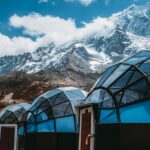
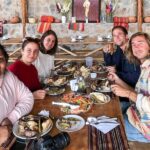
Evening is where the overnight earns its name. You’ll return to a cozy, rustic homestay, then share a warm traditional meal with your host family. After dinner, you get a private bedroom so you can rest. You’ll also be with your traveling group in the homestay setting, which keeps the whole thing from feeling like a chaotic camp.
Here’s what to expect realistically. The overnight happens at high altitude and involves walking over uneven ground. Comfort can be good in many ways, but it’s not a hotel. Electricity may exist in some homes, and there may be running water outside the main house, with flushing toilets reported in at least one stay. But heat isn’t guaranteed, and cold nights can hit hard.
Warm layers are not optional advice. One review specifically pointed out freezing conditions after sunset, plus the lifesaver factor of lots of blankets. If you don’t travel with a sleeping bag, don’t panic: it’s described as optional, but recommended if you have one.
Mobile service can be spotty or absent in these villages. One group reported no mobile service as expected. That’s actually a benefit: it helps you stay present with your hosts and guide instead of staring at your screen.

Day 2 Starts With Breakfast, Then Hits With Pachamanca
Wake up with a hot breakfast shared with your host family. It’s a quieter start than Day 1, and it’s a good way to ease your body into the morning after an altitude night. From there, the schedule shifts into the big Day 2 meal.
The lunch is Pachamanca, cooked the traditional way using hot stones. You can expect meat, potatoes, sweet potatoes, aba beans, and other typical foods, slow-roasted for a rich, earthy flavor. This is one of those meals that makes the trip feel distinctly regional, not like you could eat the same thing anywhere in Peru.
After lunch, you’ll visit a private textile market where the artisans from the cooperative are available. This is the moment to shop with context. Bring small bills in soles if you plan to buy textiles, because it makes purchases smoother. Also, you shouldn’t expect aggressive sales tactics; the tone is described as respectful, with no pressure to buy.
The Private Market and Artisan Cooperative Advantage
A market is easy to misunderstand when it’s only a tourist stop. Here, the format is different because you’re meeting the cooperative’s artisans directly after learning their craft. You can connect the prices and patterns to the hours of work you just watched in the weaving lesson.
One of the big values is ethical structure. Awamaki is set up to support textile cooperatives so they can become independent tour providers. In practice, that shows up as a more natural welcome and less awkwardness. You’re not being treated like a wallet that wandered in; you’re being treated like a learner who showed up at the right time.
If you’re buying, go slowly. Ask what materials are being used, what the colors mean, or what the weaving technique is. Even if you only learn a few answers, your purchase (or even your decision not to buy) becomes more informed.
English Support and Group Size: Why It Feels Personal
This tour runs with a maximum of 16 travelers, which keeps the group manageable for translation and for the flow of craft lessons. Smaller groups also make it easier for artisans to guide you while you’re holding a spindle or trying to weave a bracelet.
Your English-speaking guide/interpreter is there for more than logistics. People described interpreters like Gabriella as patient and steady, helping translation and coordination while staying respectful of the locals. Another guide/interpreter, such as Mario, was described as always available for questions and conversation. The point: you can actually communicate, not just be herded.
If you’re traveling with someone older or someone with mobility limits, you can also benefit from the structure. The plan includes modified hike options (village walks or more weaving time), and the overnight includes a longer walk/hike that can be adjusted for health needs. You’ll still be at high altitude, but you’re not forced into one exact route.
Price and Value: What $254 Covers in Real Terms
At $254 per person for about 2 days, the value comes from what’s included, not just the activities. You’re paying for:
- Round-trip transportation between Ollantaytambo and the community
- A private homestay night with meals
- Lunch and dinner on Day 1, plus breakfast and Pachamanca lunch on Day 2
- Snacks, bottled water, and coffee/tea
- A weaving lesson plus a private textile market experience
- An English-speaking guide/interpreter
Many day tours in the Cusco area don’t include nearly as much food and in-community access. Here, you’re not only learning a skill; you’re sharing meals, sleeping near the people you meet, and seeing how the cooperative works through a market visit. That’s why the cost can feel fair—your money goes into time, access, and local hosting rather than just transportation and sightseeing.
One more practical note: a lot of people book this trip well ahead. If you want a specific schedule in the Ollantaytambo window, try booking early rather than hoping for last-minute space.
Who Should Book (and Who Should Adjust Expectations)
This experience is designed for most travelers, but it’s not a flat stroll. The overnight is at high altitude and involves walking over uneven ground. If you’re prone to altitude issues, consider acclimatizing at a lower elevation first if your itinerary allows.
One review mentioned Huilloc Alto at about 3800 m and that the group didn’t have time to acclimatize well, leading to headache symptoms. You can reduce risk by taking the schedule seriously and giving your body time to adapt elsewhere in your trip. Even if you feel okay before you go, high altitude can still surprise you.
For gear, the guidance is clear:
- Sturdy shoes for mud and uneven paths
- Warm layers and rain layers
- Bring a refillable water bottle (water is provided, but you’ll want easy refills)
- Spare shoes are optional but can be handy
- A sleeping bag is optional but recommended if you run cold
Food-wise, they note they can accommodate nearly all dietary restrictions. One review also said dietary restrictions were handled successfully. Still, if you have specific needs, state them clearly in the special instructions.
Should You Book This Andean Overnight?
If you want a Cusco-area trip that’s more than a photo stop, this is a strong choice. I’d book it if you care about learning from artisans directly, if you enjoy hands-on activities like spinning and weaving, and if you’re comfortable with a rustic homestay setup. The best part is the way the textile education connects to daily life—through meals, community time, and the private market visit.
I wouldn’t book it if you need a warm, heated lodging experience or if you’re not ready for uneven walking and high-altitude cold. This tour can be modified with gentler walks and adjusted hikes, but it can’t turn the Andes into a smooth sidewalk.
FAQ
FAQ
Where is the meeting point for the Andean Overnight?
You start at La Esquinaplaza de armas in Ollantaytambo, Peru, and the tour also ends back at the same meeting point.
What time does the tour begin?
The start time is 9:00 am.
How long is the tour?
It runs for approximately 2 days.
What’s included with the price?
Lunch (Day 1), dinner (Day 1), breakfast (Day 2), Pachamanca lunch (Day 2), snacks, bottled water, coffee and/or tea, round-trip transportation from Ollantaytambo, a weaving lesson, and a private textile market with an English-speaking guide.
Do I need to bring my own transportation to Ollantaytambo?
Pickup and dropoff from your hotel or train station are not included. The tour includes transportation between Ollantaytambo and the community, but you’ll need to get to Ollantaytambo from places like Cusco.
What should I bring for the hiking and weather?
Bring hiking boots or sturdy shoes for mud, warm layers, and rain layers. A refillable water bottle is also recommended. A sleeping bag is optional but recommended if you have one.
Is an English-speaking guide included?
Yes, the tour includes an English speaking guide.
Can dietary restrictions be accommodated?
The tour notes it can accommodate nearly all dietary restrictions if you include them in your booking special instructions.
Will I have phone service in the village?
Mobile service is not guaranteed. One group reported no mobile service as expected.
Is there any flexibility if I cancel?
This experience is non-refundable and cannot be changed for any reason.