REVIEW · CUSCO
Mystic Sacred Valley and Machupicchu 2 Day Trip
Book on Viator →Operated by Viajes Speedy Tour Operator · Bookable on Viator
Two days, two Inca highlights. This Cusco-based trip strings together Sacred Valley classics and the best-known Machu Picchu sights, with pickup, a full guided itinerary, and the train logistics handled. It’s built for people who want the big sites without spending your limited time on planning.
I like two things most. First, the pickup + timed connections make the day feel controlled, not chaotic—Cusco morning pickup, then a train ride to Aguas Calientes, then a return to Cusco the same afternoon on Day 2. Second, you get guided context in the places that otherwise feel like a pile of ruins or rocks.
One caution: your day at Machu Picchu may depend on the PEN70 tourist ticket (it’s listed as not included even while an entrance ticket is listed under included items), so confirm what you’ll pay on the day. Also, the itinerary does include walking and you’ll want moderate physical fitness for it.
In This Review
- Key things I found most useful
- Sacred Valley + Machu Picchu in 48 hours: what the plan is really doing
- Day 1: Chinchero textiles, Moray terraces, and Maras salt mines
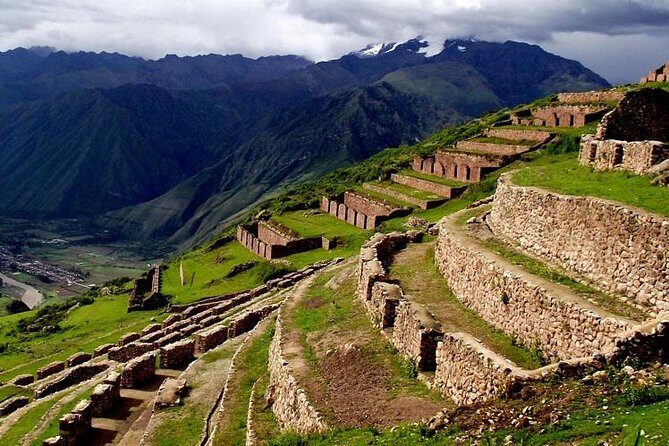
- Chinchero: Inca-era textiles and a living village
- Moray: Inca agricultural engineering you can still feel
- Maras: the salt mines and how tradition works at scale
- Urubamba buffet lunch: fueling the train day
- Train to Aguas Calientes: the part that saves you time
- Overnight in Aguas Calientes: your 3-star reset point
- Day 2: Machu Picchu, bus ride, and the guided route from Sun to Condor
- What makes the guide-led route useful
- The timing back down: train at the end
- Price and logistics: is $520 really buying you convenience?
- Who this price makes sense for
- Guide quality matters: the service tone you’ll feel
- Small-group pacing and physical effort: the real “fitness” test
- What to pack and how to avoid common headaches
- Should you book the Mystic Sacred Valley and Machu Picchu 2-day trip?
- FAQ
- How long is the trip?
- What’s the pickup time in Cusco?
- Are hotel pickup and drop-off included?
- What does the itinerary include on Day 1?
- What does the itinerary include on Day 2?
- Is the Machu Picchu entrance ticket included?
- What meals are included?
- How many people are on the tour?
- What happens if I cancel?
Key things I found most useful
- Hotel pickup from Cusco’s historic center so you’re not figuring out meeting points at altitude
- Chinchero, Moray, Maras packed into one logical Sacred Valley morning
- Train and round-trip bus tickets included for the Ollantaytambo ⇄ Aguas Calientes ⇄ Machu Picchu flow
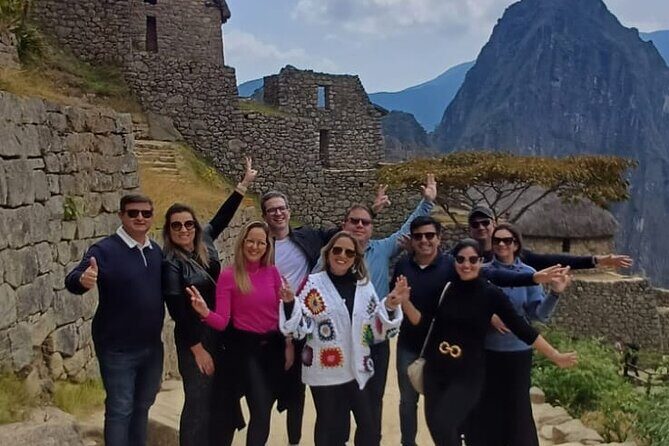
- A guided Machu Picchu walk from the Temple of the Sun toward the Temple of the Condor
- Small group size (max 15) which keeps the pace steadier
- English guidance for the big historical explanations
Sacred Valley + Machu Picchu in 48 hours: what the plan is really doing
This 2-day tour is designed to solve the two biggest headaches for first-timers in Cusco: getting to Machu Picchu without stress, and understanding what you’re seeing while you’re there. You start with a classic Sacred Valley circuit—textiles, agriculture, and salt—then you shift gears to the main event at Machu Picchu.
The value is in the structure. You’re not just “seeing” places. You’re getting transfers at the right moments, a night base in Aguas Calientes, and guides who help you connect the dots as you move through each stop. That matters because Machu Picchu is only once per trip.
You also get a small-group feel (up to 15 people). That helps when routes tighten, the pace speeds up, or you need questions answered quickly.
You can also read our reviews of more tours and experiences in Cusco



Day 1: Chinchero textiles, Moray terraces, and Maras salt mines
Your day starts early. The pickup window in Cusco is between 6:30 and 7:00 am, with transport from your hotel (as long as you’re in the historic center; otherwise you’ll need to confirm your pick-up). From there, the route hits Chinchero first.
Chinchero: Inca-era textiles and a living village
Chinchero is known for its archaeological side and its textile traditions, and this stop is built around both. If you’re the kind of person who likes details—how patterns are used, why certain colors or techniques matter—this is a good start. It gives you a cultural hook before the more “engineering” stops.
A practical note: village visits can mean uneven sidewalks and some walking without long breaks. Wear shoes you can trust.
Moray: Inca agricultural engineering you can still feel
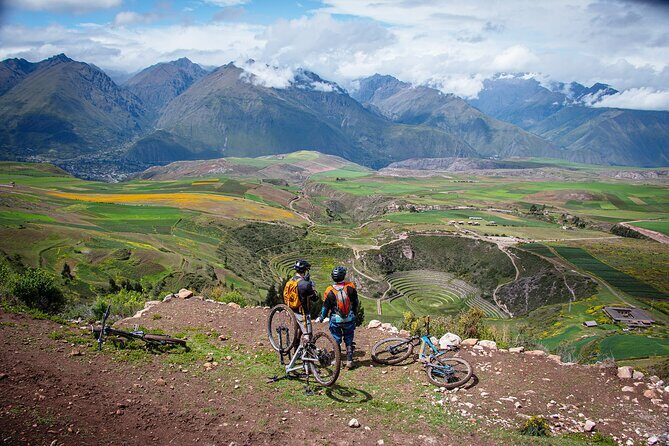
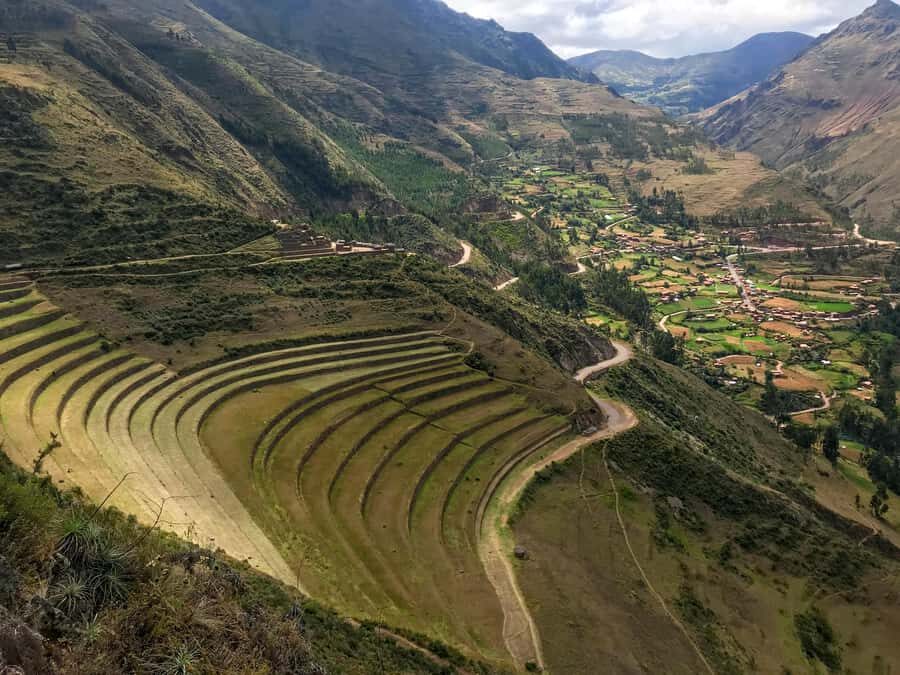
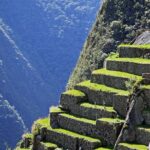
After Chinchero, you go to Moray, famous for its circular terraces. The Inca used these spaces to experiment with agricultural conditions, and the site makes that idea easy to visualize.
This stop is a nice change from “pretty views.” It’s more about thinking: how did they shape microclimates, and why did they build like this?
Maras: the salt mines and how tradition works at scale
Next up is Maras and its salt extraction area. The salt mines are visually striking, but the real value is in the explanation of the extraction technique—how it’s been done for generations.
This is one of the most memorable stops on the route because it’s not just a ruin. People still live with the system.
You can also read our reviews of more tours and experiences in Cusco


Urubamba buffet lunch: fueling the train day
After the morning circuit, you’ll have a buffet lunch in Urubamba with local options. You’re not just eating for taste—you’re eating for the schedule. The day ends with you reaching Ollantaytambo and boarding the train to Aguas Calientes.
Train to Aguas Calientes: the part that saves you time
At the end of Day 1, you move to Ollantaytambo and then take the round-trip train to Aguas Calientes. The schedule in this plan is clear: you arrive in Machu Picchu town at about 7:00 pm, and then you’re dropped at your hotel for the night.
That timing is one of the reasons this works as a two-day package. You don’t arrive at the base town late and then scramble for everything. You get settled, then Day 2 is focused.
Overnight in Aguas Calientes: your 3-star reset point
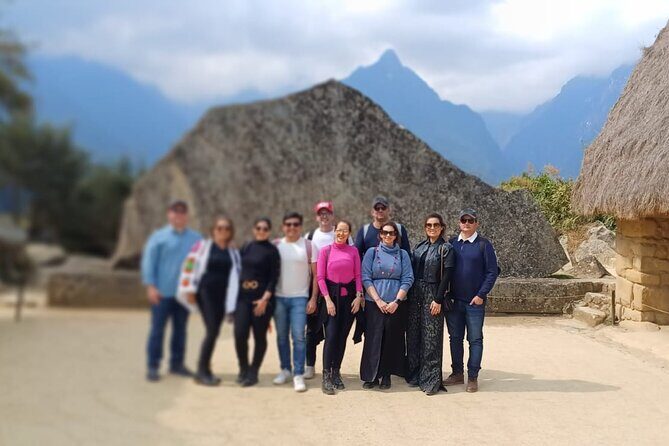
You stay one night in a 3-star hotel, included in the price. This matters because it’s the simplest way to avoid splitting your time between multiple towns.
You also get an experience-based benefit: Aguas Calientes is where your Day 2 starts from. If you’re trying to keep your day from turning into a timeline disaster, staying here is the cleanest move.
Dinner isn’t included at Machu Picchu, and you should plan to pay for meals on your own during that portion of the itinerary. On the bright side, breakfast is included, so you don’t have to hunt for food before you’re off to the citadel.
Day 2: Machu Picchu, bus ride, and the guided route from Sun to Condor
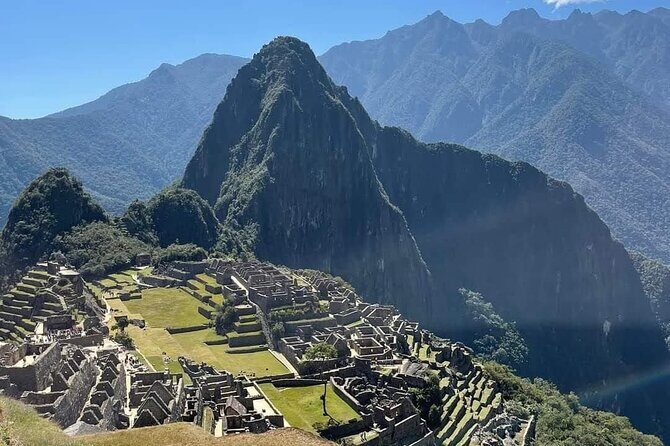
Day 2 is all about Machu Picchu. Your guide meets you from your hotel or a meeting point in the plaza, then you take the short bus ride up to the site.
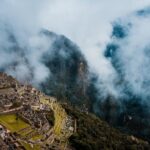
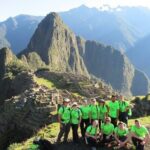
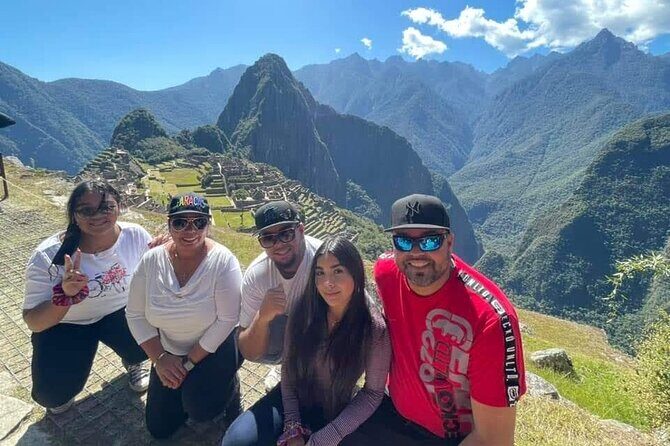
Once inside, you’re not wandering alone. You follow a guided route that focuses on the core highlights: you walk from the Temple of the Sun toward the Temple of the Condor, with stops that help you make sense of Inca architecture and how the complex is laid out.
What makes the guide-led route useful
At Machu Picchu, it’s easy to feel overwhelmed. The best part of a guided visit is that you learn what to look for, not just where to walk. With a guide, the names and structures connect to a story instead of turning into a checklist.
This tour is also designed with practical pacing. You’re given enough time to enjoy the walk, take photos, and understand the key points without rushing you through everything like a drive-by tour.
The timing back down: train at the end
After the Machu Picchu visit, you return to Aguas Calientes. In the afternoon, you take your train back, and the schedule is specific: you arrive at the Ollantaytambo train station around 3:55 pm, then you’re picked up for the drive back to Cusco. Expected arrival back in Cusco is around 6:00 pm.
That “back to Cusco same day” part is the whole trick of a 2-day itinerary. You get the big site, then you’re not stuck overnight again with more logistics.
Price and logistics: is $520 really buying you convenience?
At $520 per person for roughly two days, you’re paying for more than sightseeing. You’re paying for the machine that makes the trip run: pickup and drop-off, guides, the overnight base, train tickets, and the bus tickets to and from the citadel.
Here’s what’s clearly included:
- Breakfast and lunch
- Guided tours at both the Sacred Valley and Machu Picchu
- Round-trip train tickets: Ollantaytambo ⇄ Aguas Calientes ⇄ Ollantaytambo
- Round-trip bus tickets: Aguas Calientes ⇄ Machu Picchu ⇄ Aguas Calientes
- 1-night accommodation in a 3-star hotel
- Pickup and drop-off at your hotel (historic center)
Now the one thing you must check:
- The tour lists Machu Picchu admission/entrance ticket under included items, but it also lists a tourist ticket of PEN70 per person as not included.
So before you go, confirm exactly what you’ll pay for on the Machu Picchu day. Don’t assume the paperwork matches.
Also, meals like dinner (and lunch in the Machu Picchu area) aren’t included. If you’re the kind of person who wants full control over food choices, budget extra cash for that part.
Who this price makes sense for
This package tends to make sense when you value time and simplicity over DIY research. If you’d rather spend your effort on choosing good shoes, charging your camera, and resting—this is the type of tour that lets you do that.
If you love organizing every detail yourself and you don’t mind managing schedules, you might be able to do it cheaper on your own. But the cost difference usually comes with more mental effort.
Guide quality matters: the service tone you’ll feel
The strongest signal from the experience is not just the itinerary—it’s the way guides run the day.
In the trip’s feedback, I saw repeated praise for the guides being attentive, polite, punctual, and good at handling details. Names that came up include Juan Carlos and Lucho, with Beto mentioned as the point person overseeing everything.
That matters in practical ways:
- You’ll get answers when timing shifts.
- You’ll be guided through the route so you’re not constantly asking where to go next.
- You’ll feel like someone is tracking the whole day, not just narrating one stop.
For this specific plan, that’s a big deal because you have multiple transfers and a tight turnaround on Day 2.
Small-group pacing and physical effort: the real “fitness” test
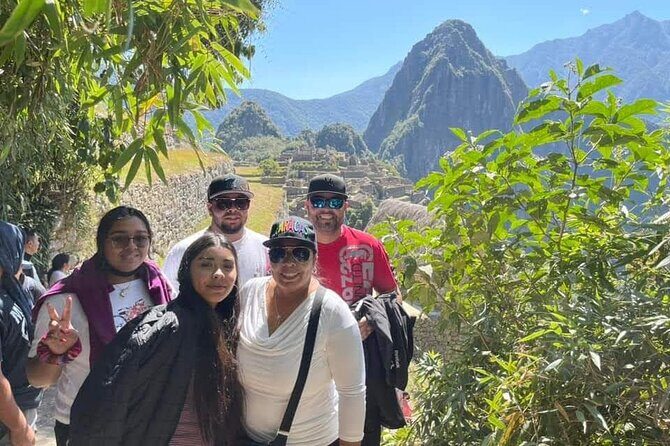
The tour is described as requiring moderate physical fitness. That doesn’t mean you need to be an athlete. It does mean you should expect a day that includes walking and time on your feet.
On Day 1, the walking at Chinchero, Moray, and Maras can add up. On Day 2, Machu Picchu involves a guided walk between key structures, plus stairs and uneven ground in places.
My advice:
- Bring good traction shoes.
- Plan water and snacks as needed (even if lunch is included, you might want extra between stops).
- If you’re sensitive to altitude or fatigue, pace yourself and take the early morning start seriously.
Also note: the group max is 15 travelers, so you won’t feel like you’re in a packed bus parade. Still, in popular sites, you should expect lines and standard crowds.
What to pack and how to avoid common headaches
This isn’t an “all-day hike,” but it is two days of moving. Here’s what you’ll thank yourself for bringing:
- Comfortable walking shoes
- A light layer for morning and evening temperatures
- Sun protection (head, eyes, and skin)
- Refillable water (or a plan to buy water where allowed)
- A small day bag that’s easy to carry
A smart strategy is to keep your day-of essentials simple. You’ll be transferring between transport, train, hotel, and then the bus to Machu Picchu. Less stuff = less stress.
Should you book the Mystic Sacred Valley and Machu Picchu 2-day trip?
Book it if:
- You want Sacred Valley + Machu Picchu without planning each ticket and transfer.
- You like a guided route where someone explains the “why,” not just the “what.”
- You prefer a small group size and hotel pickup in Cusco.
Skip it or choose a different style if:
- You hate walking and stairs and want a lower-movement itinerary.
- You want full freedom to eat and wander without a set schedule.
- You don’t want to deal with the Machu Picchu ticket question—confirm the PEN70 tourist ticket detail before paying.
FAQ
How long is the trip?
It’s a 2-day experience, with a schedule that starts early in Cusco on Day 1 and returns to Cusco around 6:00 pm on Day 2.
What’s the pickup time in Cusco?
The plan states pickup from your hotel in Cusco between 6:30 and 7:00 am on Day 1.
Are hotel pickup and drop-off included?
Yes. The tour offers pickup and drop-off at your hotel, as long as your place is located in Cusco’s historic center. If not, you’ll need to contact them to confirm your pick-up area.
What does the itinerary include on Day 1?
Day 1 covers the Sacred Valley stops: Chinchero, Moray, and Maras, plus a buffet lunch in Urubamba, then the train to Aguas Calientes where you spend the night.
What does the itinerary include on Day 2?
Day 2 focuses on Machu Picchu with a guided visit (after a bus ride). After the tour, you return to Aguas Calientes and take the train back to Ollantaytambo, arriving about 3:55 pm, then you’re transported back to Cusco.
Is the Machu Picchu entrance ticket included?
The package lists an entrance ticket to Machu Picchu under included items, but it also lists a tourist ticket of PEN70 as not included. You should confirm exactly what you need to pay on the Machu Picchu day.
What meals are included?
The tour includes breakfast and lunch. Dinner and lunch in Machu Picchu are not included.
How many people are on the tour?
The tour has a maximum of 15 travelers.
What happens if I cancel?
The experience is non-refundable and cannot be changed for any reason. If you cancel or request an amendment, the amount paid will not be refunded.