REVIEW · CUSCO
Sacred Valley full Day, Pisaq,Ollantaytambo and Chinchero
Book on Viator →Operated by Peru Sites · Bookable on Viator
Three Inca stops, one smooth day. This Sacred Valley full-day tour from Cusco stacks Pisac, Ollantaytambo, and Chinchero into one logical route, with pickup and round-trip transport that keeps your day from turning into a logistics puzzle. I like that the local guide doesn’t just point at stones, but helps you make sense of what you’re looking at.
What I also really liked was the built-in break: you’ll head to Urubamba around noon for a buffet lunch before you continue on. The main trade-off is that it’s an 11-hour day, and the Ollantaytambo entrance isn’t included, so you’ll want a little extra cash for that site.
In This Review
- Key things I’d prioritize before you go
- How the day flows from Cusco to Pisac, Ollantaytambo, and Chinchero
- Pisac Market: seeing Inca planning in the way they built
- The Urubamba lunch break at noon
- Ollantaytambo Fortress: terraces with a job, not just scenery
- Those big blocks are the lesson
- Ticket note (important)
- Chinchero: the Church from 1607 and Inca-style andenería
- Tupac Yupanqui palace and andenería
- Price and value: what $70 gets you in a full-day route
- The guide’s role: turning stones into stories you can repeat
- Logistics that can make or break a long day
- What to bring (so the day feels easy, not hard)
- Best fit: who this tour suits best
- Should you book this Sacred Valley full-day tour?
- FAQ
- How long is the Sacred Valley full-day tour?
- What is included in the price?
- Are entrance tickets included for all stops?
- What time does the tour start in Cusco?
- How big are the groups?
- Is there free cancellation?
Key things I’d prioritize before you go
- Round-trip pickup from your Cusco accommodation keeps the morning simple
- Three major Sacred Valley sites in one day for first-timers or tight schedules
- Guide-led context that connects engineering and politics to what you see
- Urubamba buffet lunch gives you a proper refuel mid-route
- Small group feel (up to 25 people) without feeling like you’re stuck in a crowd
How the day flows from Cusco to Pisac, Ollantaytambo, and Chinchero
Expect a full-day loop built around efficient travel times and a paced sightseeing rhythm. Pickup is offered from your Cusco lodging, and you start in the morning (the plan lists an 8:00 am start time, with pickup around 8:30 am). From Cusco to Pisac is about 45 minutes, and then the day moves forward in steps.
The tour runs for roughly 11 hours total and is organized as a group excursion with a maximum of 25 travelers. That size matters: you get the benefits of a group (coordination, guide attention, shared timing), without the “where did my group go?” panic that happens on larger bus tours.
You’ll also travel with an English-speaking local guide, and you’ll receive a mobile ticket, which is handy for keeping everything organized.
You can also read our reviews of more tours and experiences in Cusco


Pisac Market: seeing Inca planning in the way they built
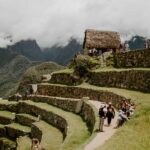
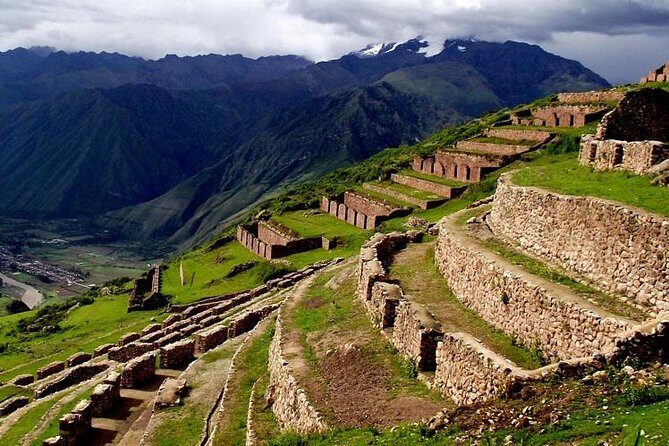
Pisac is where the day starts showing you the scale and intelligence behind Inca construction. After pickup, you’ll head to Pisac’s Archaeological Center about 45 minutes from Cusco. This stop is paired with time to understand the “why” behind the structures.
One of the most useful ideas you’ll hear here is how Pisac isn’t just another stone pile. Some studies suggest parts of it weren’t a fortress in the strict sense, but rather a kind of royal treasury connected to Inca Pachacutec. That framing changes how you look at the site: instead of scanning only for defensive walls, you start thinking about storage, authority, and control.
Another practical win: the Pisac Market admission is free in this tour plan, so you’re not juggling ticket costs at the very start of the day. It keeps momentum in the morning.
The Urubamba lunch break at noon
By noon, you’ll move to Urubamba for a buffet lunch. This isn’t just a random meal stop. It’s timed so you can actually eat like a human before the afternoon sites.
Lunch is included, and the food is described as delicious Peruvian cuisine. A buffet works well on a long day because you can adapt to your appetite and energy level without waiting on one fixed meal. If you’ve been battling altitude with light breakfasts in Cusco, this is the moment that helps you reset.
If you’re the type who hates food plans that feel rushed, you’ll still want to be ready for a fairly “scheduled” day, but the lunch break gives you a real pause.
Ollantaytambo Fortress: terraces with a job, not just scenery
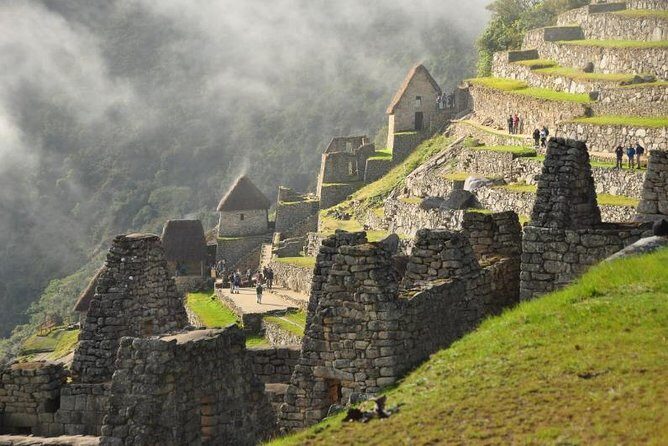
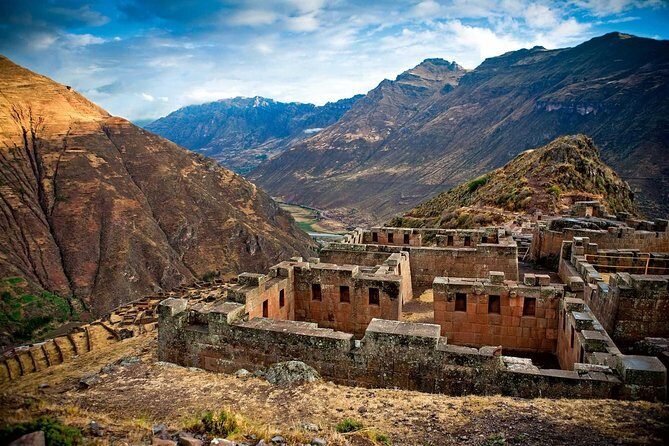
In the afternoon, you’ll visit Ollantaytambo Fortress, and this is the stop where the day gets very “structure meets strategy.” Ollantaytambo was a center that combined military, agricultural, and religious functions, designed to help administer and control the Sacred Valley.
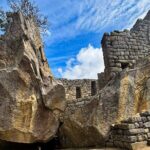
Here’s what to look for as you move through: the site is made of overlapping terraces, and those stoneworks aren’t random. You’ll notice walls and watchtower-like elements that suggest defense, along with constructions that point toward agricultural storage or deposits. The tour plan describes this logic as protection against jungle ethnic groups, plus the need to manage food and power in the valley.
Those big blocks are the lesson
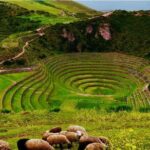
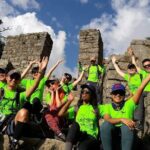
Ollantaytambo’s upper terraces are especially striking for the way the stones are fitted. The plan notes large stone blocks with fine carving, and that detail matters because it signals the Inca focus on durability and control of water and land. Terraces weren’t only for farming views. They were part of how the Inca made the mountains usable.





Ticket note (important)
The tour plan says Ollantaytambo admission is not included. So even though the day includes transport and a guide, you should still expect an extra cost here. If you’re planning ahead, set aside a bit for entry so you’re not scrambling at the gate.
Chinchero: the Church from 1607 and Inca-style andenería
On the way back toward Cusco, you stop in Chinchero, known in the tour materials as the city of the rainbow. This is a nice contrast to the fortress-heavy vibe of Ollantaytambo.
Chinchero’s centerpiece is the Church of Our Lady of Monserrat, built in 1607. Even if you’re not a church person, this is a useful stop because it shows the shift from Inca authority to Spanish-era Catholic influence. The church date gives you something concrete to anchor that cultural layering.
Tupac Yupanqui palace and andenería
You’ll also see the Tupac Yupanqui palace, plus andenería, which is the Inca-style practice of terracing. That links back to what you saw at Pisac and Ollantaytambo, so the day stops feeling like three unrelated stops.
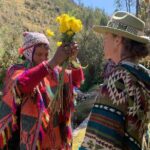
There’s also an artisan component here: the plan mentions an artisan market connected to the Tupac Yupanqui area. If you like picking up small souvenirs that feel tied to place—rather than generic airport stuff—this can be a better moment to browse.
Chinchero’s admissions are listed as free in this tour plan, which keeps it easy on your wallet.
Price and value: what $70 gets you in a full-day route
This tour is listed at $70 per person, and for a day that strings together three major Sacred Valley sites, the value comes from what’s bundled.
Included:
- Local guide
- Lunch buffet
- Transfer to and from your hotel
What’s not included:
- Ollantaytambo admission
- Tips (optional)
The practical way I think about this price is simple: you’re paying to remove the most annoying parts of a Sacred Valley day—getting everyone from place to place on time, and having a guide explain what you’re looking at. If you tried to do this alone, you’d still need transport and you’d likely spend extra time figuring out ticket entry and timing.
The only downside on value is that the Ollantaytambo ticket is extra. But because everything else is included (guide + lunch + transport), it’s still a solid deal for the amount of ground you cover.
The guide’s role: turning stones into stories you can repeat
A good Sacred Valley day depends on context. Without it, you can spend hours looking at terraces and thinking, That’s impressive, sure, but what does it mean?
This tour’s big strength is the guide’s focus on how the sites worked: how Inca planning shaped defense and agriculture at Ollantaytambo, how Pisac has theories beyond a simple fortress label, and how terracing (andenería) keeps showing up across the valley.
Also, the tone from the team matters. One review praised care, coordination, and hospitality, plus a safe, confident feeling from the start. Another mentioned the team handling changes well and working with kids. Even though you won’t see a “kids program” advertised, it’s a helpful sign that the operator doesn’t act rigid when circumstances shift.
And with groups up to 25, your guide can still keep the day moving without disappearing into a sea of shoulders.
Logistics that can make or break a long day
This is a full-day route, so your comfort depends on simple things: timing, breaks, and whether you’re okay spending time in a vehicle.
A few facts from the plan help you plan smarter:
- Morning pickup is offered from your Cusco lodging
- You’ll be at Pisac first, then lunch at Urubamba around noon
- The day continues through Ollantaytambo and ends with Chinchero on the return
A long day is the main consideration. It’s not “optional wandering.” You’re on a schedule. If you love flexible pacing and lingering, you may feel a bit rushed at the archaeological stops. If you want an efficient day that hits the highlights with less hassle, this format is a win.
What to bring (so the day feels easy, not hard)
The tour plan doesn’t list gear, so I’ll keep this practical. On archaeological sites in the Sacred Valley, weather can shift and walking can add up.
I’d bring:
- Sun protection (hat and sunscreen)
- A light layer for changing temps
- Water bottle for your day
- Comfortable footwear for uneven ground
- Cash or a payment option for the Ollantaytambo admission since it’s not included
If you’re sensitive to altitude, plan for the fact that Cusco and the valley region can still affect your energy. The included lunch helps, but don’t treat it like a magic reset button—pace yourself.
Best fit: who this tour suits best
This is ideal if you:
- Have limited time in Cusco and want a strong Sacred Valley overview
- Want to visit Pisac + Ollantaytambo + Chinchero without arranging transport and timing yourself
- Like history that connects to real engineering and practical planning
- Prefer an English-speaking group format with pickup from your hotel
It can also work well for families who appreciate organized timing, especially since at least one review highlighted the team accommodating children and changes when needed.
If you’re the kind of traveler who wants zero schedule and hours of slow exploration at one site, you might feel the pace here. But if you want to see the big three in one day, it’s built for that.
Should you book this Sacred Valley full-day tour?
I’d book it if your priority is an organized, high-value day that hits the Sacred Valley’s headline sites with a guide explaining what you’re actually seeing. The combination of round-trip transport, a buffet lunch in Urubamba, and the three-site route makes the $70 feel reasonable—especially because the guide role is what turns impressive ruins into something you can remember.
I’d think twice if you hate long days or if paying extra at Ollantaytambo would stress your budget. Also, go in knowing that this is a structured day: you’ll get great highlights, but not a slow, solo pace.
FAQ
How long is the Sacred Valley full-day tour?
The duration is listed as about 11 hours.
What is included in the price?
It includes a local guide, a lunch buffet, and transfer to and from your hotel. The price also notes optional tipping is not included.
Are entrance tickets included for all stops?
Pisac Market and Chinchero are listed as having free admission. Ollantaytambo admission is not included.
What time does the tour start in Cusco?
The plan lists a start time of 8:00 am, with hotel pickup described around 8:30 am.
How big are the groups?
It’s a group excursion with a maximum of 25 travelers. A minimum of 2 people is required for a booking.
Is there free cancellation?
Yes. You can cancel up to 24 hours in advance for a full refund.