REVIEW · CUSCO
Moray Ruins & Salt Flats Tour From Urubamba (Half Day Tour)
Book on Viator →Operated by Come See Perú Tours · Bookable on Viator
Moray and the Salt Flats feel made for a half day. You get two iconic Sacred Valley sites—Salinas de Maras’ working salt ponds and Moray’s mysterious terraced circles—plus enough time to take photos without feeling rushed.
I like the private, English-speaking setup. Even on a shorter outing, you still get real context from guides such as Carlos, Bernabe, and Albert, and they’ll gladly help you with questions and picture moments. I also like the timing choice: starting at 8:00 am from Urubamba helps you beat crowds and gives you better light for the salt ponds.
One thing to plan for: key entry costs and the Cusco tourist ticket are not included. Also, lunch isn’t included, so you’ll want to think ahead for snacks or a meal after.
In This Review
- Quick highlights before you go
- Why this half-day combo makes sense in the Cusco area
- The 8:00 am rhythm from Urubamba (and why it matters)
- Stop 1: Salinas de Maras salt ponds and the local viewpoint
- Stop 2: Moray ruins, the Inca agricultural circles at 3,500m
- English-speaking guides and what you’ll actually learn
- Price and what’s actually included (and what isn’t)
- Lunch, breaks, and real-world timing
- Who this tour fits best
- Should you book the Moray Ruins & Salinas de Maras half-day tour?
- FAQ
- How long is the Moray Ruins & Salt Flats tour?
- How much does the tour cost?
- What time does the tour start?
- Is pickup from Urubamba included?
- What languages are available for the guide?
- What’s included in the price?
- What entrance fees or tickets are not included?
- Is lunch included?
- Is this a private tour?
- What is the cancellation policy?
Quick highlights before you go
- Early 8:00 am start for calmer photos and a more relaxed pace
- Salinas de Maras salt ponds—still worked by local families, not a dead museum
- Moray’s circular terraces—with depth that likely created different growing temperatures
- English-speaking private guide (names like Carlos and Bernabe show up in real bookings)
- Private transportation so you’re not juggling shared vans and unclear timing
Why this half-day combo makes sense in the Cusco area
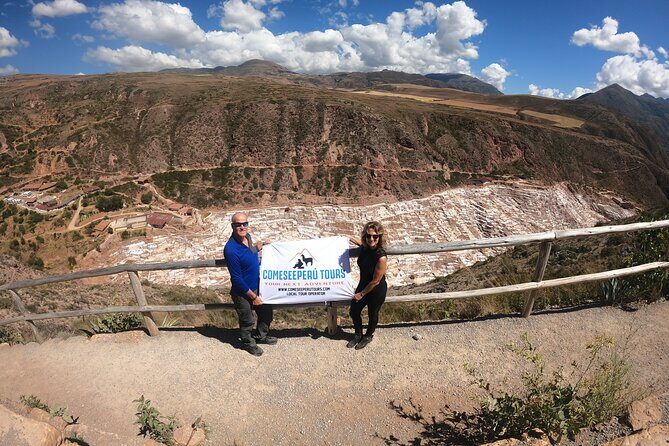
This tour works because it stacks two different kinds of wow back to back. Salinas de Maras is visual first: thousands of small salt ponds filled by water channels, all still being farmed today. Moray is visual too, but in a different way—those concentric stone circles look like an Inca blueprint for experimenting with crops. Put them together and the day feels less like sightseeing and more like understanding how people used place, water, and altitude.
And if your trip is already packed with the big classics, this is one of those outings that feels efficient without feeling cheap. You’re not burning an entire day just to say you saw something. You’re getting story, structure, and views in roughly 5 to 6 hours.
This is also booked far in advance on average (about 23 days), so if you’re traveling at a busy time, don’t wait until the last minute.
You can also read our reviews of more tours and experiences in Cusco.


The 8:00 am rhythm from Urubamba (and why it matters)
The recommended plan is a pickup around 8:00 am from your hotel in Urubamba. That start time isn’t just a schedule detail. It’s your friend for two reasons.
First, Salinas de Maras looks best with clearer light on the white salt and the geometry of the ponds. Second, an early start often means you’ll spend more time at viewpoints with fewer photo bottlenecks. Several guide-and-driver teams in prior tours emphasized the value of getting there first, and that matches what you’ll feel on the ground.
This is a private tour, so your group is the only group in the vehicle. That matters if you want flexibility—stopping for photos, moving at a comfortable pace, or asking questions without listening to other people’s speed-running tour pace.
If you’re staying closer to Ollantaytambo instead of Urubamba, you may be able to arrange the same outing from there; multiple bookings in the provided information mention Moray and Maras tours starting from Ollantaytambo with guides like Carlos.
Stop 1: Salinas de Maras salt ponds and the local viewpoint
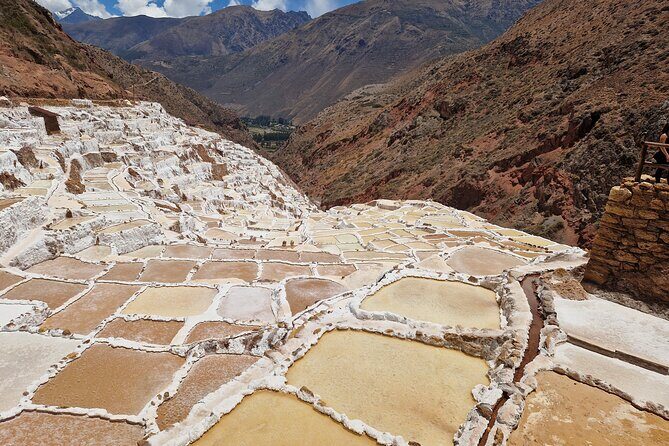
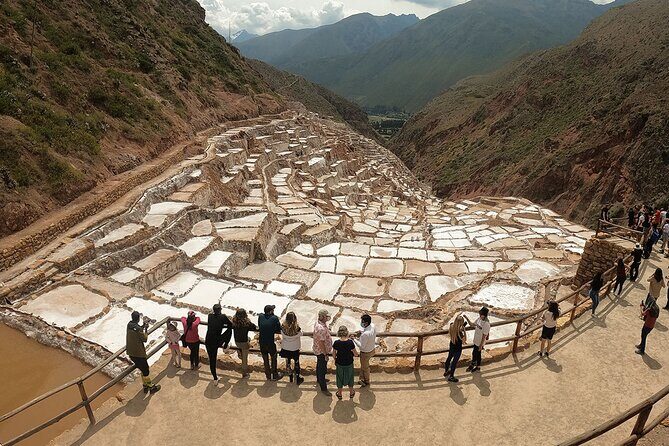
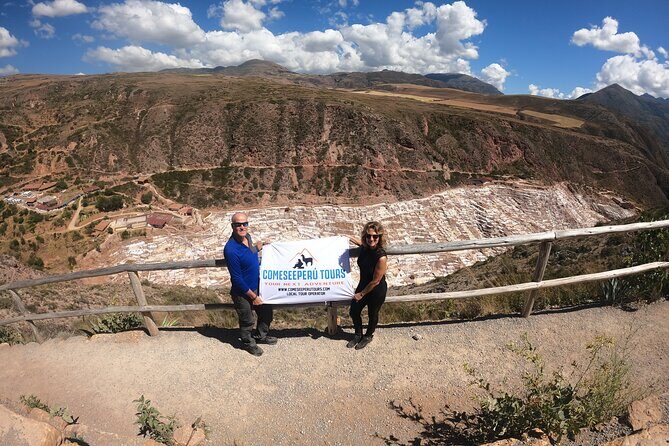
Salinas de Maras is one of those places where the postcard version is real, but the reason it feels special is what’s underneath the view. This is working salt production, with ponds owned and farmed by different members of the local community. You’re not looking at a set piece you can only interpret from a distance. You’re watching a process that’s still in use.
Expect a guided portion of about 1 hour exploring the area with the best photo angles. The information you’re given focuses on how the ponds function today and how that continuation of traditional methods fits into local life. You’ll also get access to viewpoints that locals use—these spots are often where the lines of ponds, the stepped hillsides, and the white salt really click together in your photos.
Practical considerations:
- Entrance ticket not included for the salt mines/Salinas area, so budget for that before you go.
- Comfortable shoes help. The terrain can be uneven and you’ll want stable footing while you hunt for angles.
- If you’re a slow photographer, this stop can still work because the schedule allows guided time rather than a drive-by.
Stop 2: Moray ruins, the Inca agricultural circles at 3,500m
Next comes Moray, sitting at about 3,500m / 11,500 ft. That altitude detail matters more than it sounds. Even if most people handle the Sacred Valley elevation fine, you should plan for a steady pace, carry water, and move slowly between stops. If you’re sensitive to altitude, this is one reason to have already given yourself a little time in the region.
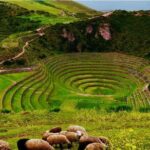
Moray’s claim to fame is the concentric circular depressions—terraces that are thought to have formed an Inca agricultural laboratory. What makes it more than a cool ruin is the logic of the design. Some of those depressions are reportedly up to 30m / 98 ft deep, creating different temperature conditions across the circles. That’s the kind of detail you can’t fully appreciate from a distance, so the guided walk is the point.
You’ll also go further down into the site to see additional ruins. The interpretation shared with visitors is that parts may have served as one of the main amphitheaters for the Incas, with rituals and ceremonies possible there. Whether you take that as literal or interpretive, the vibe of the space helps you understand why the Incas would treat it like a special place, not just a technical setup.
Expect around 2 hours total at Moray with guided time. If you’ve been to other ruins around Cusco, Moray still feels distinct because it’s so geometric—and because the “why” is tied to environmental control.
English-speaking guides and what you’ll actually learn
A half-day tour lives or dies by the guide. In the provided information, the English-speaking team is repeatedly praised, and specific names come up often: Carlos, Bernabe, Albert, Julio, and drivers like Manuel and Cristóbal/Christobal.
What I’d look for is not just facts, but how those facts connect to what you’re seeing:
- At Salinas, you want the explanation behind how the ponds work and who controls them today.
- At Moray, you want help visualizing the temperature idea and why those terraces could test crops.
- You’ll also benefit if the guide is comfortable with photo timing and quick questions, since both sites reward small choices about where you stand and when you look.
One more practical benefit: communication. In prior bookings, guides and coordinators helped adjust plans when altitude or timing became an issue. That’s a reminder that your guide isn’t only reading scripts—they’re managing your day in real time.



Price and what’s actually included (and what isn’t)
At $99 per person for a 5 to 6 hour private tour, the value depends on what you’re comparing it to.
Here’s what you’re paying for:
- Private transportation
- An English-speaking guide
- A private, calm schedule that stays focused on your two major stops
Here’s what you should budget separately:
- Lunch is not included
- Cusco tourist ticket is not included
- Entrance ticket to the Salt Mines/Salt Flats area is not included
- Admission tickets are also noted as not included for the Moray and Salinas time on the ground
That means the headline price is only part of the real cost. If you already have a tourist ticket and you don’t need extra meals, you’ll feel the value more. If you don’t yet have tickets lined up, plan time and cash so you don’t spend your first hour figuring it out.
If you’re traveling as a small group, private transportation is often what makes the difference. Shared group tours can look cheaper, but you lose control of timing at viewpoints and your guide’s attention gets diluted.
Lunch, breaks, and real-world timing
Lunch is not included, but the good news is you’re not left hanging. The tour description says you can be dropped off at a restaurant after the tour if you want, or back at your hotel.
In real bookings, some itineraries have included small extra food-style stops—think local chocolate or chicha sampling—depending on the exact plan and guide choices. That isn’t guaranteed by the core description, but it does show up as an option when the route allows it and the guide has time to add it.
For your own comfort:
- Bring a light snack if you’re likely to get hungry.
- If you’re sensitive to altitude, prioritize water over coffee.
- If you want souvenirs, build that in during Salinas time since it’s a natural place for salt-related products.
Who this tour fits best
This tour is a good match if:
- You want two big Sacred Valley highlights without a full-day commitment
- You prefer a private group and an English guide who can explain the “why” behind the ruins
- You’re photo-focused and appreciate an early start
It’s also a solid choice for families and mixed-age groups. The information says most travelers can participate, and the structure is designed around guided time at each stop rather than marathon walking.
It may be less ideal if:
- You dislike paying separate entrance fees on arrival
- You need guaranteed lunch included in the price
- You’re highly altitude-sensitive and haven’t had any acclimation time in the Cusco region (Moray sits at 3,500m)
Should you book the Moray Ruins & Salinas de Maras half-day tour?
If your goal is to understand Sacred Valley in a short window, I’d say yes. This is one of the better “signal-to-time” tours: salt production you can see and Moray’s experimental logic you can actually picture with a guide.
Book it if you:
- Can handle a morning start at 8:00 am
- Are okay paying on-site entrances separately
- Want the value of private transport and a guide who can explain what you’re seeing
Consider a different plan if you:
- Strongly prefer all-inclusive pricing with no additional tickets
- Need a full day for a slower pace
- Are worried about altitude and you haven’t acclimated yet
FAQ
How long is the Moray Ruins & Salt Flats tour?
It runs about 5 to 6 hours.
How much does the tour cost?
The price is $99.00 per person.
What time does the tour start?
The start time is 8:00 am.
Is pickup from Urubamba included?
Yes. Pickup is offered, and it’s recommended to start from your hotel in Urubamba at around 8:00 am.
What languages are available for the guide?
The tour includes an English-speaking guide.
What’s included in the price?
Included are private transportation and an English-speaking guide. You also receive a mobile ticket.
What entrance fees or tickets are not included?
The tour notes that you need to pay entrance tickets to the Salt Mines, and it also says the Cusco tourist ticket is not included.
Is lunch included?
No. Lunch is not included, though the tour can drop you off at a restaurant after the tour if you wish, or back at your hotel.
Is this a private tour?
Yes. It’s described as a private tour/activity, meaning only your group participates.
What is the cancellation policy?
You can cancel for a full refund up to 24 hours before the experience start time. If you cancel less than 24 hours before, the amount paid is not refunded.