REVIEW · CUSCO
Salkantay Treking to Machupicchu Operational Services
Book on Viator →Operated by Linda Tours · Bookable on Viator
Salkantay is long, high, and worth it. This 5-day route strings together Humantay Lake, the Salkantay Pass, and the downhill drama toward Aguas Calientes, with a guide most of the way and a max group size of 15. You also get time-saving support where it matters, like a horse that carries 5 kilos of your gear early on.
What I like most is the balance: you hike hard, but you are not doing it alone. The small group size keeps things more personal, and the guide is with you throughout the first two trekking days so you’re not just guessing at paths, timing, and what you’re seeing.
One big consideration: the Machu Picchu ticket and the return logistics are not included, and you’ll need to sort your entry circuit and transport yourself on Day 5. If you want everything handed to you, this setup may feel a bit stressful.
In This Review
- Key things that make this trek work
- Price and value: what $315 really covers
- Cusco pickup at 4:00–4:30 and why the mornings feel intense
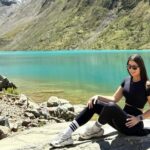
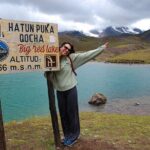
- Day 1 Humantay Lake: Soraypampa camping and an optional paid viewpoint
- Day 2 Salkantay Pass to Colpapampa: the long day you’ll remember
- Day 3 Cocalmayo hot springs: a shorter hike plus a real recovery option
- Day 4 Llactapata to Hidroeléctrica and Aguas Calientes: a view day with gear logistics
- Day 5 Machu Picchu is on you: tickets, circuits, and planning your return
- Small group size: why it feels calmer than the big tours
- Weather, fitness, and altitude: the trip has conditions
- A practical warning: confirm who actually runs your trek
- Who should book this trek?
- Final call: should you book it?
- FAQ
- Is the Machu Picchu entrance ticket included?
- Does the tour include the train and the bus back to Cusco?
- How much does Humantay Lake cost and is it required?
- Are camping and meals included?
- Do I need a sleeping bag and trekking poles?
- Is the Machu Picchu visit day guided?
Key things that make this trek work
- Max 15 travelers: smaller feel on early mornings and on the trail
- Horse support (5 kilos) during the first days, so you carry less at altitude
- Camping included for the first 3 nights, plus meals built into the schedule
- Llactapata viewpoint gives you a classic Machu Picchu glimpse from up high
- Machupicchu is your Day 5 task: ticket and your return plan are on you
Price and value: what $315 really covers
$315 per person buys you the trek operations and the support structure, not the Machu Picchu entry day. You’re paying for guided hiking (Spanish/English), transport for part of the journey (Cusco to Mollepata one way), camping for the first 3 nights, and meals across the route.
Here’s the key value math. You still need to budget separately for the big items: Machu Picchu entrance (PEN 162), plus the train back to Cusco and the bus back from Hidroeléctrica. You also pay extra for Humantay Lake entry (PEN 20) if you add that stop.
The good news: once you know what’s included versus not, the trip becomes straightforward. This is a trek-first experience with one major day you plan independently.
You can also read our reviews of more tours and experiences in Cusco.
Cusco pickup at 4:00–4:30 and why the mornings feel intense
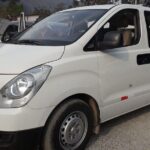
Your day starts early. Pickup is from your hostel/hotel/Airbnb between 4:00 and 4:30 am, then you head by bus to Mollepata Village.
From there, the schedule keeps moving—another bus ride around 40 minutes up toward Marcosapa (about 3,700 masl). That early push matters because Salkantay is about altitude, and you want daylight for the hike windows and camping setup.
If you’re the type who hates chaos, do this: set clothes out the night before, double-check your headlamp/bottle routine, and accept that early mornings are part of the deal.
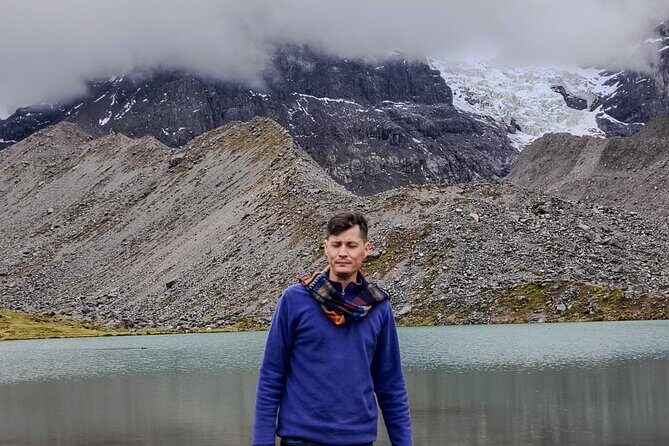
Day 1 Humantay Lake: Soraypampa camping and an optional paid viewpoint
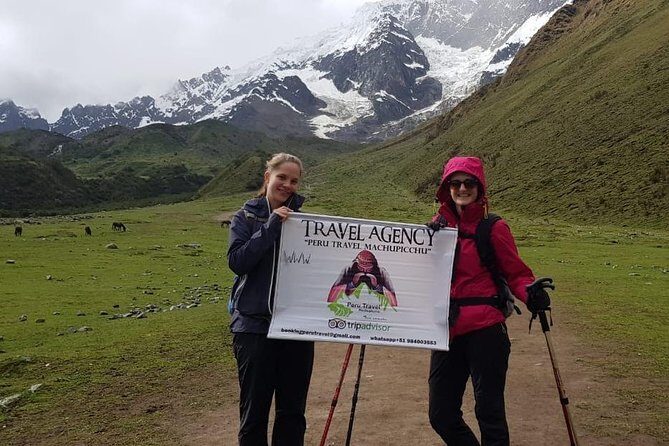
Day 1 is a mix of transit, altitude adjustment, and a paid choice. After the bus rides, you hike from Marcosapa (around 3,700 masl) up to Soraypampa (around 3,900 masl), where you sleep your first night.
You get lunch and dinner at camp. You also have a guide with you all the time on this day, and your horse carries 5 kilos of your belongings.
The optional piece is the Laguna Humantay visit. It costs extra—PEN 20—and it’s a round trip of about 3 hours of walking, with the guide taking you there after lunch.
What to watch for on Day 1: Humantay is high and the effort can sneak up on you. Pace matters more than speed. If you do the lake, go steady, drink water, and don’t treat it like a sprint.
Day 2 Salkantay Pass to Colpapampa: the long day you’ll remember
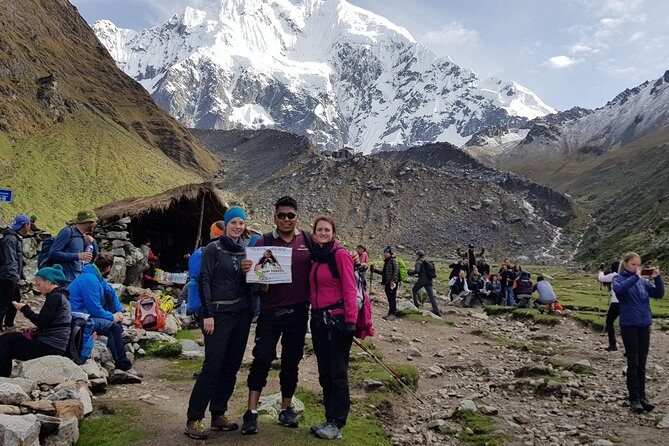
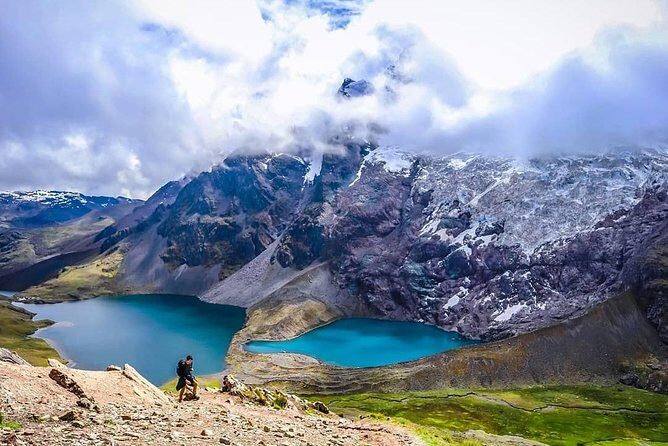
This is the day most people picture when they book Salkantay. Wake-up is at 5:00 am for breakfast, then you walk for about 9 hours total.
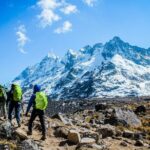
You climb through the first stretch toward Salkantay Pass (around 4,600 masl). After the pass, you descend down to Colpapampa camping (around 2,700 masl).
Again, you have a guide the entire time, plus the horse carries 5 kilos of your gear. The pass itself is the altitude moment—expect cold air, thinner breath, and a lot of effort at slow speed.
If you’re choosing trekking poles: they’re not included. Even if you don’t buy premium ones, having some form of support can help you stay stable on that long downhill.
Day 3 Cocalmayo hot springs: a shorter hike plus a real recovery option
Day 3 starts at 5:00 am again with breakfast. This day’s hike is shorter—about 5 hours total—and you arrive at camp around 12:00 pm at Lucmabamba camping.
Then the afternoon has space. The guide checks in with you about an optional visit to Banos Termales de Cocalmayo.
Hot springs are optional, and the cost is PEN 40 total, which includes a bus round trip and the entry ticket. After that, you return to Lucmabamba for dinner and sleep.
This day is valuable because it breaks the pattern. You’re not just going up and down for five straight days. If you can handle the extra activity, hot springs can make the next long day feel more doable.

Day 4 Llactapata to Hidroeléctrica and Aguas Calientes: a view day with gear logistics
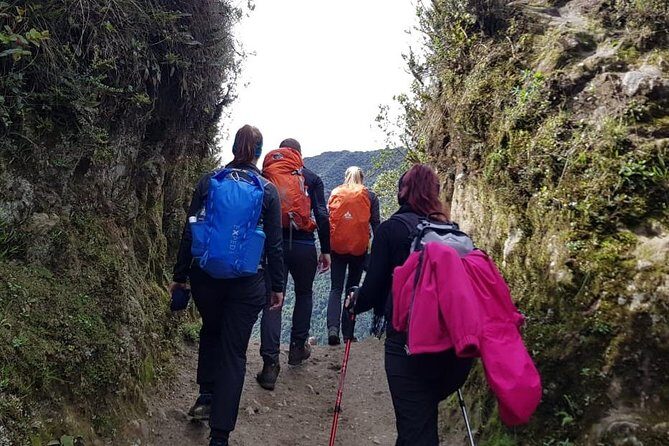
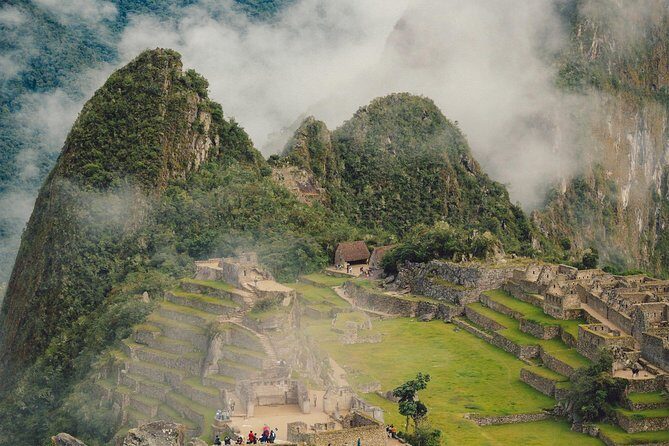
Day 4 begins early again. After breakfast, you hike to Llactapata, a viewpoint where you can see Machu Picchu far away. The hike to Llactapata takes about 4 hours, then you head toward lunch at Hidroeléctrica.
Your horse does not stay with you on this stage. The horse goes back to Mollepata, so you must handle your remaining belongings yourself.
You have two options:
- Carry everything yourself during the move to Hidroeléctrica and onward, or
- Send your belongings by bus to Hidroeléctrica for an extra PEN 20
There’s a practical tip here: at Hidroeléctrica, there’s free storage at the restaurant. That matters because you do not necessarily need to bring all your stuff up and down if you plan to use the bus.
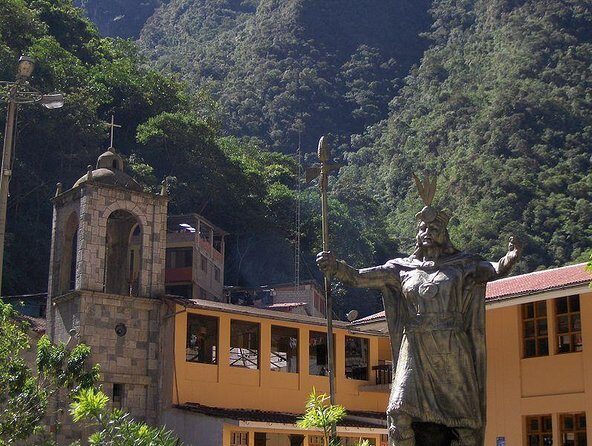
After lunch, you continue walking to Aguas Calientes town, taking about 2.5 hours. You sleep in a basic hostel there (with hot water and Wi‑Fi), and it’s your last dinner included on the trek.
Also note the bus timing: if you later use the bus back to Cusco, it leaves Hidroeléctrica daily at 14:30. That schedule can shape how you pack and when you plan your movements.
Day 5 Machu Picchu is on you: tickets, circuits, and planning your return
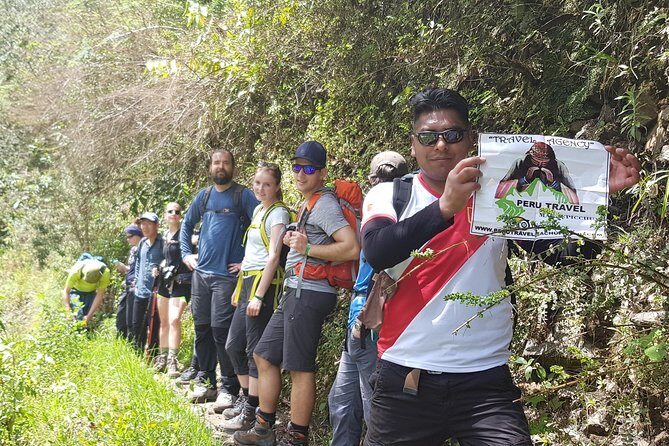
Day 5 is different because the itinerary doesn’t include the Machu Picchu entry ticket or the full route back to Cusco. You’ll travel on your own for the Santuario Histórico de Machu Picchu visit.
The operator explains why: it can be difficult to find Machu Picchu tickets, bus, and train times through a packaged plan. Their suggested approach is simple once you reach Aguas Calientes: go to the Ministerio de Cultura office and ask. You may also need to stay an extra night in high season to get a ticket.
Two practical points:
- You’ll need to know your visit time and circuit before booking your train back to Cusco.
- The bus from Hidroeléctrica back to Cusco runs daily at 14:30.
Weather note: they also say they don’t recommend the bus in rainy season due to landslides on the road. That’s not a fear story; it’s just reality in the area.
Small group size: why it feels calmer than the big tours
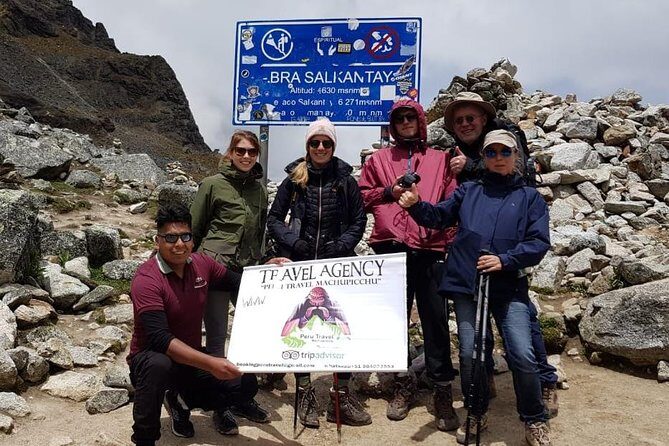
This trek caps at 15 travelers, and that matters in Peru where timing and trail space can get tight. With a smaller group, you usually spend less time waiting around for roll calls, and more time paying attention to what the guide is pointing out.
It also helps psychologically. Salkantay is tiring, and having a group that’s not huge makes it easier to keep your own pace without getting swept into a faster bubble.
You still get the structure: guided hiking early, camp coordination, and meals. You’re not left to fend for yourself at every step.
Weather, fitness, and altitude: the trip has conditions
This experience requires good weather. If it’s canceled due to poor weather, you’re offered a different date or a full refund.
For fitness, the trek is listed for people with moderate physical fitness. Still, altitude hits hard even if you’re “in shape.” Also, it’s not recommended for people with respiratory problems.
My advice: don’t gamble with pride. If you’ve never handled altitude before, plan to move slower than you think you can. The best trekkers aren’t the fastest—they’re the ones who stay calm and consistent.
A practical warning: confirm who actually runs your trek
One important note from a past booking: the experience may be listed under Linda Tours, but the operation can be handled by another company (KB was named in one case). The concern wasn’t the trek itself—it was communication, like pre-departure info and clarity around details and the bus back plan.
So do this before you go:
- Ask which company is operating your trek day-to-day
- Request the full packing and meeting details in writing
- Make sure you understand how the bus and transfers work on the way back
This is the kind of trip where being slightly under-informed can turn into an avoidable headache.
Who should book this trek?
This is a strong match if you want:
- A classic Salkantay-to-Machu Picchu experience without a giant group
- Guided hiking for multiple days so you learn as you walk
- Camping and meals handled for the first part of the journey
- The patience to plan your Day 5 Machu Picchu ticket and return
You might skip it if you want a fully packaged Machu Picchu day with tickets handled for you. Since tickets and return logistics aren’t included, you need flexibility and some comfort with independent planning.
Final call: should you book it?
I’d book it if you’re excited by the full trek experience—especially the Salkantay Pass day and the Llactapata viewpoint—and you’re willing to do the Machu Picchu planning legwork on your own.
I’d pause if you hate uncertainty around ticket timing. If you’re traveling in peak season, the ticket situation can push you toward an extra night in Aguas Calientes.
If you book, treat Day 5 like your project: confirm your ticket approach early, keep your documents organized, and double-check the bus schedule from Hidroeléctrica.
FAQ
Is the Machu Picchu entrance ticket included?
No. The Machu Picchu entrance ticket is not included. The ticket cost listed is PEN 162.00 per person.
Does the tour include the train and the bus back to Cusco?
No. The train back to Cusco and the bus back to Cusco are not included. The itinerary notes that the bus from Hidroeléctrica leaves daily at 14:30.
How much does Humantay Lake cost and is it required?
The Humantay Lake admission is not included. The cost is PEN 20.00 per person, and visiting the lagoon is described as an extra/optional add-on after lunch on Day 1.
Are camping and meals included?
Yes. The first 3 days include camping, and meals are included across the trek (breakfasts, lunches, and dinners are listed for 4 each). You also get one basic hostel night in Aguas Calientes.
Do I need a sleeping bag and trekking poles?
Yes, those are not included. Sleeping bag and trekking poles are listed as not included.
Is the Machu Picchu visit day guided?
No. Day 5 is described as going by yourself because the itinerary does not include the Machu Picchu entry ticket, bus, and train back to Cusco. The plan offered is to go to the Ministerio de Cultura office in Aguas Calientes to ask about the available circuit.